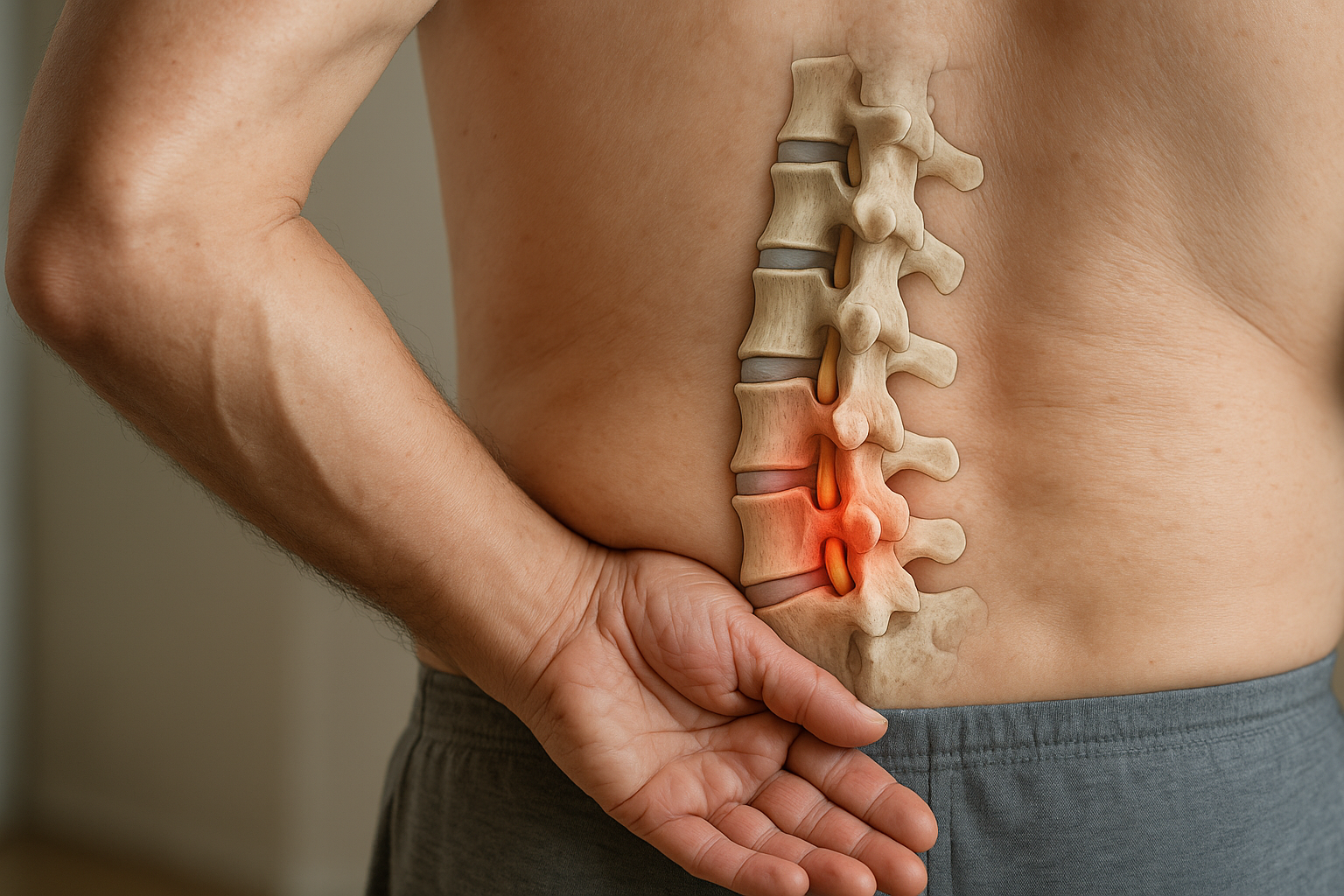
Back and neck pain are ailments that many people face at some point in their lives. Yet, the underlying causes of these discomforts often remain elusive. One such cause, often overlooked and misunderstood, is facet joint syndrome. This condition is a subtle yet impactful disorder that can significantly affect daily life without drawing much attention until the pain becomes severe.
Unveiling facet joint syndrome
Facet joint syndrome is an articular disorder that affects the small stabilizing joints located between and behind adjacent vertebrae. These joints, known as facet joints, play a crucial role in providing flexibility and movement to the spine. When they become inflamed or degenerate, they can lead to facet joint syndrome, which is a common contributor to chronic low back pain. In fact, studies suggest that it accounts for approximately 15-41% of such cases.
The condition is not limited to the lower back; it can also affect the cervical region, leading to neck pain. Despite its prevalence, facet joint syndrome often remains underdiagnosed due to its subtle symptoms that can easily be mistaken for other spinal issues.
The purpose of understanding symptoms
The aim of this post is to shed light on the symptoms of facet joint syndrome, enabling readers to recognize potential signs and gain a deeper understanding of the condition. By identifying these symptoms early, individuals can seek appropriate medical advice and explore suitable treatment options, potentially alleviating chronic pain and improving their quality of life.
In the following sections, we will delve deeper into the anatomy and pathophysiology of facet joints, provide a detailed breakdown of the symptoms, and explore diagnostic procedures. This comprehensive guide aims to equip you with the knowledge needed to understand and manage facet joint syndrome effectively.
understanding the anatomy and pathophysiology of facet joints
Facet joints are integral components of the spine, located at the back of each vertebra, and are crucial for maintaining flexibility and stability. These small joints, lined with cartilage and surrounded by a capsule of lubricating synovial fluid, allow for smooth movement between vertebrae. However, when these joints undergo degenerative changes or are impacted by trauma or inflammatory disorders, they can give rise to facet joint syndrome.
The pathophysiology of facet joint syndrome involves the wearing down of cartilage, leading to increased friction and inflammation within the joint. Over time, this can result in pain and reduced mobility, as the body's natural response to inflammation includes swelling and stiffness. Furthermore, the condition can be exacerbated by factors such as age, repetitive stress, or injury, which contribute to the degeneration of these joints.
symptom breakdown: identifying the signs
localized pain
One of the hallmark symptoms of facet joint syndrome is localized pain, often referred to as axial pain. This pain is typically confined to the region of the spine where the affected facet joints are located, such as the lower back or neck. Unlike other spinal conditions, the pain does not usually radiate down the limbs, which can help differentiate facet joint syndrome from nerve-related issues.
radiating pain
In some cases, individuals may experience pseudo-radicular pain, where the discomfort seems to spread to nearby areas. However, this is not true radicular pain, which is associated with nerve root compression. Instead, pseudo-radicular pain is a referred pain pattern, meaning the sensation is felt in areas other than the site of the actual problem, often due to shared nerve pathways.
activity-triggered symptoms
Facet joint syndrome symptoms are often triggered or worsened by specific movements, particularly those involving extension of the spine. Activities such as leaning backward, twisting, or standing for prolonged periods can exacerbate the pain. Conversely, flexion movements, like bending forward, may provide temporary relief, as they reduce pressure on the facet joints.
diagnostic procedures for facet joint syndrome
Accurate diagnosis of facet joint syndrome is essential for effective management. Clinical examination methods often include a thorough physical assessment, where doctors evaluate the patient's range of motion, posture, and pain response to specific movements. Imaging techniques such as X-rays, MRI, or CT scans can provide detailed views of the spine's structure, helping to identify degenerative changes or inflammation in the facet joints.
One of the most definitive diagnostic tools is the use of medial branch blocks. This procedure involves injecting an anesthetic near the nerves that supply the facet joints. If the patient's pain is significantly reduced following the injection, it confirms the involvement of the facet joints in their symptoms. This diagnostic approach not only aids in confirming the diagnosis but also helps in planning appropriate treatment strategies.
visualizing symptoms: cervical vs. lumbar facet joint syndrome
Understanding the differences in symptom presentation between cervical and lumbar facet joint syndrome can be crucial for diagnosis and treatment. Cervical facet syndrome primarily affects the neck, causing pain that may extend to the shoulders or upper back. In contrast, lumbar facet syndrome affects the lower back, with pain potentially spreading to the buttocks or upper thighs. Recognizing these patterns can help in distinguishing facet joint syndrome from other spinal disorders.
| Symptom | Cervical Facet Syndrome | Lumbar Facet Syndrome |
|---|---|---|
| Localized Pain | Neck, shoulders | Lower back, buttocks |
| Radiating Pain | Upper back, arms | Upper thighs |
| Activity-Triggered | Neck extension | Back extension |
By recognizing these symptoms and understanding the underlying anatomy and pathophysiology, individuals can be better equipped to seek appropriate medical advice and manage their condition effectively. In the next section, we will explore the various treatment options available for facet joint syndrome, ranging from conservative methods to more advanced interventions.
treatment options for facet joint syndrome
Facet joint syndrome can be managed through a variety of treatment approaches, depending on the severity of the symptoms and the individual’s overall health. The treatment spectrum ranges from conservative methods to more interventional procedures, each with its specific benefits and considerations.
conservative treatments
Initial management often involves non-invasive strategies aimed at reducing pain and improving mobility. Physical therapy is a cornerstone of conservative treatment, focusing on exercises that strengthen the muscles supporting the spine and improve flexibility. This approach not only alleviates pain but also helps prevent future episodes by enhancing spinal stability.

Women's Posture Shirt™ - Black
Støtter din holdning og kan lindre smerter og spændinger i ryg og skuldre.
Non-steroidal anti-inflammatory drugs (NSAIDs) are commonly prescribed to manage pain and inflammation. These medications help reduce swelling and discomfort, making daily activities more manageable. Additionally, ergonomic adjustments, such as using lumbar support cushions or adjusting workstations, can play a crucial role in minimizing stress on the spine.

Lumbar support belt
Støtter og stabiliserer lænden og kan afhjælpe rygsmerter i hverdagen.
interventional procedures
For individuals who do not respond adequately to conservative treatments, interventional procedures may be considered. Facet joint injections, which involve injecting a mixture of anesthetic and corticosteroid directly into the affected joint, can provide significant pain relief by reducing inflammation.
Another advanced option is radiofrequency ablation, a procedure that uses heat generated by radio waves to target and disrupt nerve fibers responsible for transmitting pain signals from the facet joints. This treatment can offer longer-lasting relief for those with chronic symptoms.
alternative approaches
In addition to medical treatments, lifestyle changes can support long-term management of facet joint syndrome. Incorporating regular low-impact exercises, such as swimming or walking, can maintain joint mobility without exacerbating symptoms. Mindfulness practices and stress-reduction techniques, such as yoga or meditation, may also help manage pain perception and improve overall well-being.
long-term management strategies
Ongoing management is essential for individuals with facet joint syndrome to prevent symptom recurrence and maintain quality of life. Ergonomic aids, such as adjustable chairs and supportive mattresses, can help reduce spinal stress during daily activities. Posture correction techniques, often guided by physical therapists, play a vital role in minimizing undue pressure on the facet joints.
Regular follow-ups with healthcare providers ensure that the treatment plan remains effective and can be adjusted as needed. By adopting a comprehensive approach that combines medical interventions with lifestyle modifications, individuals can achieve sustained relief from the symptoms of facet joint syndrome.
frequently asked questions
What are the early signs of facet joint syndrome?
Early signs include localized pain and stiffness, particularly after periods of inactivity or in the morning. These symptoms may initially be mild but can progress if not addressed.
How is facet joint syndrome diagnosed?
Diagnosis typically involves a combination of physical examination, imaging tests such as X-rays or MRI, and diagnostic injections like medial branch blocks to confirm the involvement of facet joints.
Can facet joint syndrome be cured?
While there is no definitive cure, symptoms can be effectively managed through a combination of treatments, including physical therapy, medications, and lifestyle modifications.
What activities should be avoided with facet joint syndrome?
Activities that involve excessive extension or twisting of the spine, such as certain sports or heavy lifting, should be minimized to prevent symptom exacerbation.
Are ergonomic aids beneficial for facet joint syndrome?
Yes, ergonomic aids such as lumbar cushions and supportive seating can help reduce spinal stress and alleviate symptoms, contributing to long-term management of the condition.
Kilder
- Physio-pedia. (n.d.). "Facet Joint Syndrome."
- Spine-health. (n.d.). "Treatment Options for Facet Joint Disorders."
- NCBI. (n.d.). "Facet Joint Syndrome."
- PMC. (2018). "Facet Joint Syndrome: A Review."
- Wexner Medical Center. (n.d.). "Facet Joint Syndrome."
- PubMed. (n.d.). "Facet Joint Syndrome Study."
- UCHealth. (n.d.). "Facet Joint Syndrome."
- Sciatica.com. (n.d.). "12 Facet Joint Syndrome Pain Treatments."
- UCLA Health. (n.d.). "Facet Joint Syndrome."
- Ortho Sport & Spine. (n.d.). "Facet Syndrome Treatment."
- Cedars-Sinai. (n.d.). "Facet Joint Syndrome."
- Mayfield Clinic. (n.d.). "Facet Joint Syndrome."
- Mayo Clinic Sports Medicine. (n.d.). "Facet Arthritis."
- Sciatica.com. (n.d.). "Facet Joint Syndrome."