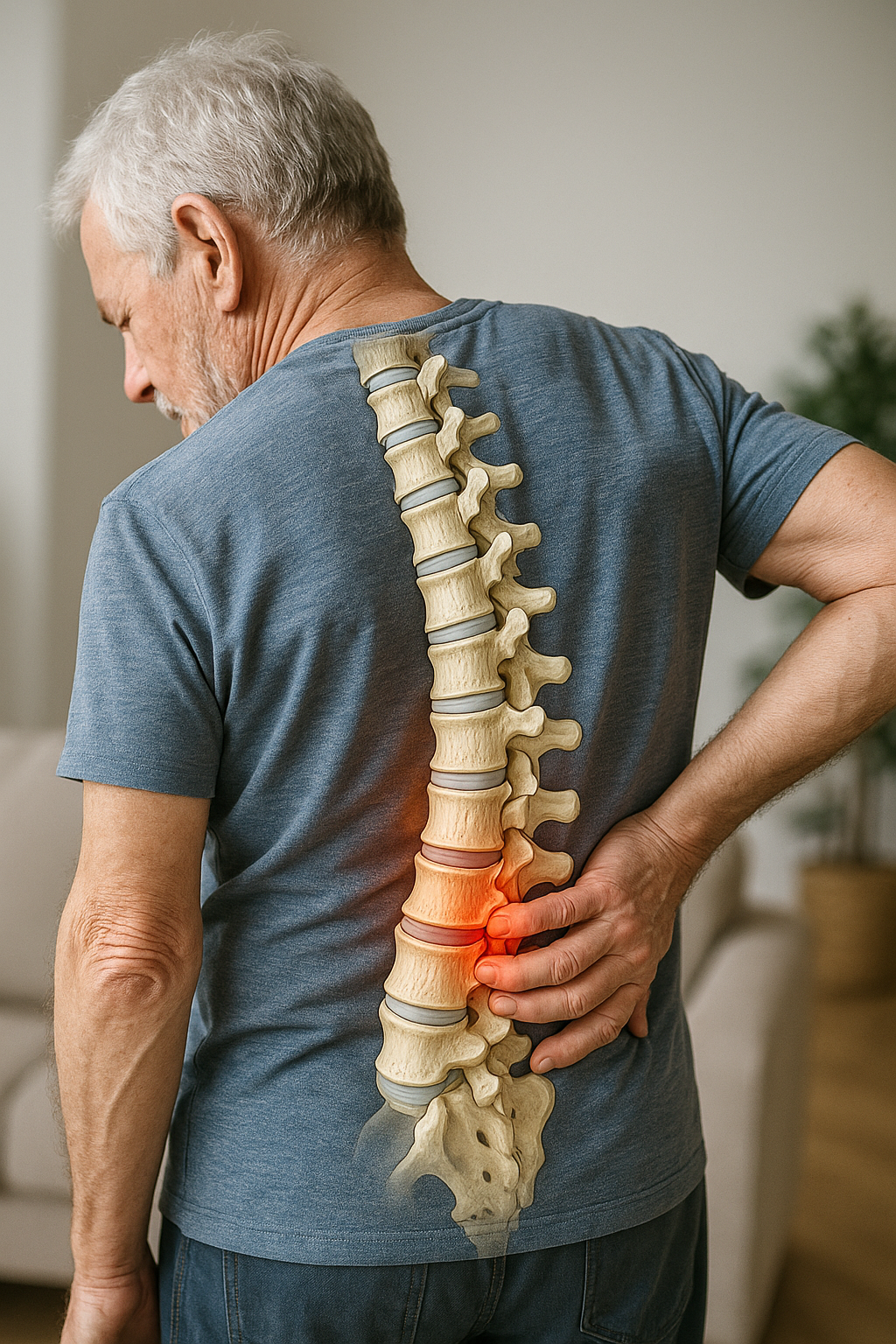
Facet joint pain is a common yet often misunderstood condition that can significantly impact daily life. Located in the spine, facet joints are small stabilizing joints between and behind adjacent vertebrae. They play a crucial role in providing flexibility and stability to the spine, allowing for a range of movements such as bending and twisting. When these joints become inflamed or damaged, it can lead to facet joint pain, which is particularly prevalent in the lumbar region, or lower back.
understanding facet joint pain and its impact
The spine is a complex structure composed of vertebrae, intervertebral discs, and facet joints. These joints are covered with cartilage, which allows for smooth movement. However, over time, wear and tear or injury can lead to the degeneration of this cartilage, causing pain and discomfort. Facet joint pain is often characterized by localized pain, stiffness, and a radiating discomfort that can make even simple daily activities challenging. The prevalence of this condition is notable, especially in the lumbar region, due to the significant weight-bearing role of the lower back.
the burden of pain
Facet joint pain can manifest through a variety of symptoms, including localized pain in the back, stiffness, and radiating pain that might extend to the buttocks or thighs. This discomfort can be exacerbated by specific movements, such as twisting or bending backward, making it difficult to perform everyday tasks. Addressing facet joint pain is crucial not only for pain relief but also for improving overall quality of life. By managing the symptoms effectively, individuals can regain mobility and engage more fully in their daily activities.
transforming your life through understanding
Have you ever wondered how understanding and managing facet joint pain can transform your life? By gaining insight into this condition and exploring effective management strategies, you can unlock the potential for relief and improved mobility. Whether through targeted exercises, ergonomic adjustments, or medical treatments, there are numerous ways to address facet joint pain and enhance your quality of life. Stay tuned as we delve deeper into the symptoms, treatment options, and lifestyle modifications that can help you move beyond the burden of facet joint pain.
exploring symptoms across spinal regions
Facet joint pain varies significantly depending on the affected spinal region, manifesting distinct symptoms in the lumbar, cervical, and thoracic areas. In the lumbar region, pain typically presents as a dull ache that may radiate to the buttocks or thighs, often intensifying with prolonged standing or twisting movements. The cervical region, or neck area, can experience stiffness and headaches, with pain sometimes radiating to the shoulders or arms. Thoracic facet joint pain, though less common, can cause discomfort in the upper back and chest, often exacerbated by twisting or bending motions. Understanding these patterns is crucial for accurate diagnosis and effective management.
effective treatment options for relief
physical therapy and exercise
Physical therapy plays a pivotal role in managing facet joint pain, as targeted exercises can strengthen supportive muscles and enhance flexibility. Low-impact activities such as swimming and yoga are particularly beneficial, promoting spinal health without straining the joints. These exercises not only alleviate pain but also improve posture and increase range of motion, empowering individuals to engage in daily activities with greater ease.
medications for pain management
For many, medications offer significant relief from facet joint pain. Nonsteroidal anti-inflammatory drugs (NSAIDs) are commonly prescribed to reduce inflammation and alleviate pain. Muscle relaxants may also be recommended to ease muscle tension associated with facet joint issues. However, it's essential to use these medications under medical supervision to avoid potential side effects and interactions with other treatments.
injections and minimally invasive procedures
When conservative treatments are insufficient, injections and minimally invasive procedures offer alternative solutions. Facet joint injections, typically containing a combination of anesthetic and steroid, provide targeted pain relief. Medial branch blocks can diagnose and treat facet joint pain by interrupting pain signals. For longer-lasting relief, radiofrequency ablation may be employed to disrupt nerve function. These procedures are generally well-tolerated and can significantly enhance quality of life.
lifestyle modifications and conservative management
at-home remedies for immediate relief
Simple at-home remedies can be highly effective in managing facet joint pain. Alternating heat and cold therapy can reduce inflammation and soothe sore muscles. Maintaining an active lifestyle, with adjustments to avoid aggravating movements, supports overall spinal health. These strategies, combined with professional guidance, can offer immediate relief and prevent further pain.
ergonomic adjustments for long-term comfort
Ergonomic adjustments in daily life are crucial for long-term management of facet joint pain. Using lumbar support pillows and ergonomic chairs can significantly reduce stress on the spine. Proper posture and body mechanics, particularly during work or leisure activities, help prevent exacerbation of symptoms. These adjustments not only alleviate current discomfort but also contribute to preventing future occurrences of facet joint pain.

Lumbar support belt
Stabilizes and relieves lower back pain with adjustable support for daily activities.
long-term management and prevention of facet joint pain
Effective long-term management of facet joint pain focuses on preventing recurrence and maintaining spinal health. Incorporating ergonomic solutions into daily routines is vital for reducing stress on the spine and preventing future pain episodes. Ergonomic aids such as lumbar support pillows, ergonomic chairs, and adjustable desks can significantly contribute to maintaining proper posture and reducing strain on facet joints. These tools, combined with regular physical activity and stretching exercises, promote spinal stability and flexibility, essential for long-term pain management.

Men's Posture Shirt™ - White
Activates muscles and improves posture, helping relieve tension and pain.
In the workplace, accommodations like ergonomic assessments and modifications can play a critical role in managing facet joint pain. Employers can facilitate a more comfortable work environment by providing adjustable chairs, desks, and computer setups that encourage proper posture. Additionally, incorporating regular breaks and stretching routines into the workday can help alleviate tension and prevent pain exacerbation.
comparing ergonomic solutions for facet joint pain
When it comes to ergonomic solutions, a variety of aids are available to support individuals managing facet joint pain. Cushions and lumbar support pillows help maintain the natural curve of the spine, reducing pressure on the facet joints. Ergonomic chairs, designed with adjustable features, provide tailored support and promote proper posture, which is crucial for minimizing discomfort during prolonged sitting.
Braces, on the other hand, offer additional support by stabilizing the spine and limiting movements that may exacerbate pain. While these aids are beneficial, it's essential to use them in conjunction with medical treatments and physical therapy to achieve optimal results. By integrating these ergonomic solutions into daily life, individuals can enhance their pain management strategy and improve their overall quality of life.
conclusion
In conclusion, managing facet joint pain requires a comprehensive approach that includes understanding symptoms, exploring treatment options, and incorporating lifestyle modifications. By utilizing ergonomic aids, engaging in regular physical activity, and making necessary workplace accommodations, individuals can effectively manage their pain and prevent future occurrences. A holistic approach that combines medical treatments with ergonomic solutions empowers individuals to regain control over their lives, enhancing mobility and overall well-being.
Frequently Asked Questions
What causes facet joint pain?
Facet joint pain is commonly caused by arthritis, injury, or degeneration of the spine. These factors can lead to inflammation and discomfort in the facet joints.
How is facet joint pain diagnosed?
Diagnosis typically involves a physical examination, medical history review, and imaging tests like X-rays or MRI to assess the condition of the spine and facet joints.
Can facet joint pain be cured?
While it may not be completely curable, many treatments can effectively manage and reduce pain, allowing individuals to lead more comfortable lives.
Are there any specific exercises to avoid with facet joint pain?
High-impact activities and exercises that strain the back should be avoided. Consulting a physical therapist for personalized advice is recommended to ensure exercises are safe and beneficial.
How do ergonomic aids help with facet joint pain?
Ergonomic aids support proper posture and reduce stress on the spine, helping to alleviate pain and prevent further injury. These aids complement medical treatment and physical therapy, enhancing overall pain management strategies.
Källor
- Atlantic Spine Center. "Facet Joint Syndrome."
- Physio-pedia. "Facet Joint Syndrome."
- UC Health. "Facet Joint Syndrome."
- Ridgedale Surgery Center. "Facet Pain."
- NCBI. "Facet Joint Syndrome."
- Sciatica.com. "Facet Joint Syndrome."
- Cedars-Sinai. "Facet Joint Syndrome."
- YouTube. "Understanding Facet Joint Pain."
- Mayfield Clinic. "Facet Joint Syndrome."