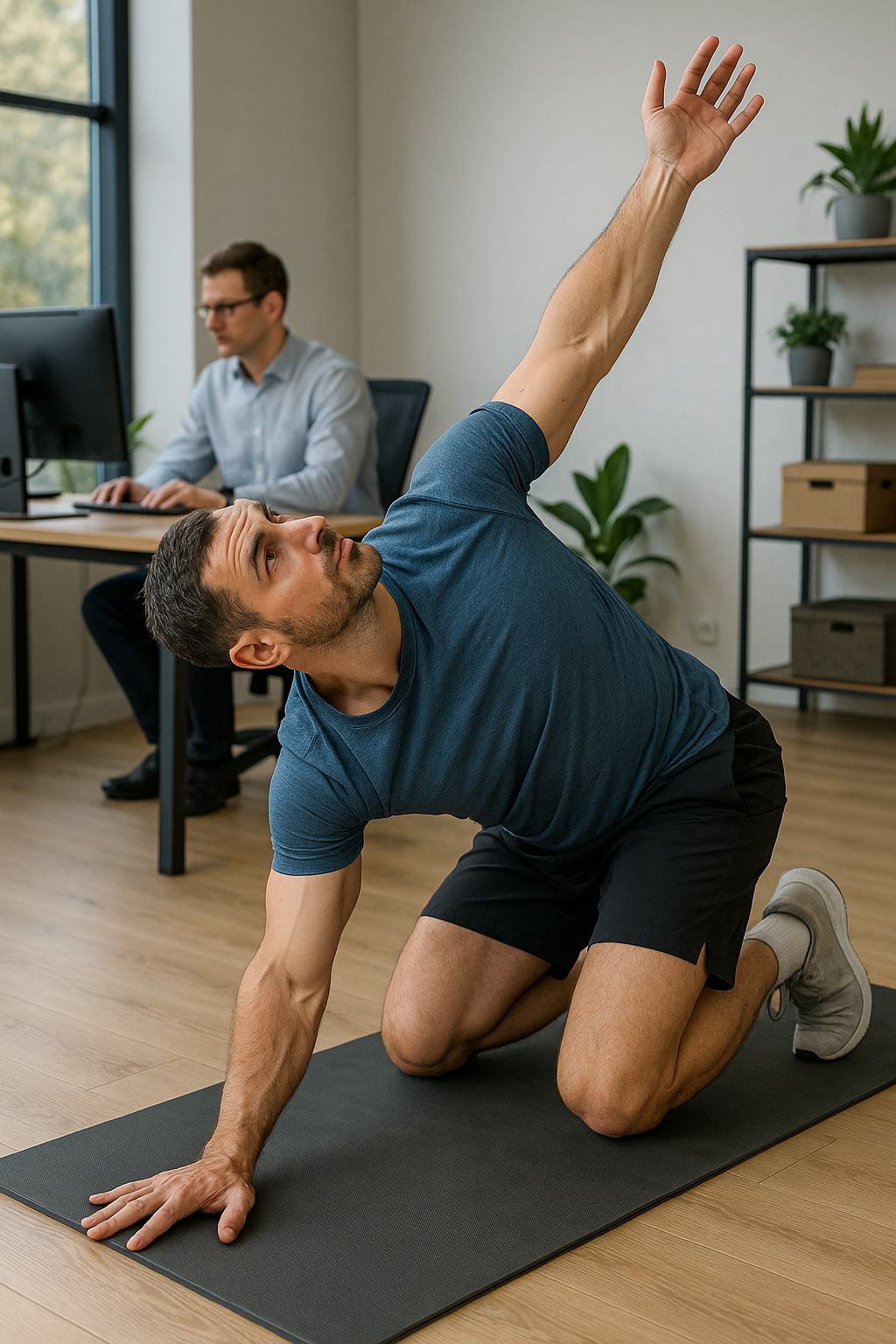


Spinal stenosis can be a debilitating condition, affecting your ability to move freely and enjoy daily activities. It occurs when the spaces within your spine narrow, which can put pressure on the nerves traveling through the spine. This often results in symptoms such as pain, neurogenic claudication, and a reduced capacity for walking. These symptoms can significantly impact your quality of life, making it essential to find effective ways to manage them.
Understanding spinal stenosis
Spinal stenosis is most commonly seen in the lumbar region, which is the lower part of your back. This condition can lead to discomfort and pain, particularly when standing or walking. Neurogenic claudication, a common symptom, manifests as pain, tingling, or numbness in the legs that worsens with standing or walking and improves with sitting or bending forward. Another key symptom is a reduced walking capacity, which can severely limit your daily activities.
Fortunately, exercise plays a crucial role in managing spinal stenosis. Specific exercises can help alleviate symptoms by reducing nerve pressure and improving mobility. By incorporating targeted exercises into your routine, you can enhance your quality of life and regain some of the freedom of movement that spinal stenosis may have taken away.
The role of exercise
Engaging in the right exercises is essential for relieving the symptoms of spinal stenosis. These exercises work by decompressing the spinal nerves and enhancing flexibility and strength, which can help reduce pain and improve your ability to move. Flexion-based exercises, in particular, are a key strategy for symptom relief. These exercises focus on bending the spine forward, which can help open up the spinal canal and relieve pressure on the nerves.

Lumbar support belt
Provides adjustable support and relief for lower back pain and tension in the lumbar region.
Flexion-based exercises, such as the knee-to-chest stretch and child’s pose, are designed to decompress the lumbar nerves and provide relief from pain. Additionally, core strengthening exercises like pelvic tilts and bridges can build stability and support for the spine, further alleviating symptoms. Low-impact aerobic activities, such as cycling and swimming, are also beneficial as they promote cardiovascular health without placing undue stress on the spine.
Are you ready to unlock pain-free movement?
Are you tired of living with the constant discomfort of spinal stenosis? Discover how targeted exercises can unlock pain-free movement and improve your quality of life. By incorporating these specific exercises into your routine, you can manage your symptoms more effectively and enjoy the activities you love without the burden of pain. Stay tuned for more in-depth information on effective spinal stenosis exercises in the next section.
Effective exercise components for spinal stenosis
When it comes to managing spinal stenosis, incorporating the right exercises into your daily routine can make a significant difference. These exercises are designed to alleviate pain, improve mobility, and enhance overall quality of life. Let's delve into some of the most effective exercise components that can help you manage spinal stenosis symptoms.
Flexion-based stretches
Flexion-based stretches are particularly beneficial for individuals with spinal stenosis as they help to decompress the lumbar nerves, providing relief from pain and discomfort. Here are some key exercises to consider:
| Common Flexion-Based Exercises |
|---|
| Knee-to-Chest Stretch |
| Child’s Pose |
| Seated Lumbar Flexion |
The knee-to-chest stretch involves lying on your back and gently pulling one or both knees towards your chest. This movement helps to open up the spinal canal and relieve nerve pressure. Similarly, the child’s pose, a yoga-inspired stretch, involves kneeling and folding forward with arms extended, which flexes the spine and stretches the hips and back.
Core strengthening exercises
Building core strength is essential for supporting the spine and alleviating spinal stenosis symptoms. Core exercises such as pelvic tilts, bridges, and planks help enhance spinal support and improve posture. These exercises not only reduce pain but also contribute to overall stability and balance.
- Enhances spinal support
- Reduces pain and improves posture
Pelvic tilts, for instance, involve lying on your back and tightening your abdominal muscles to flatten your back against the floor. This exercise helps build core stability, which is crucial for supporting the spine.
Low-impact aerobic activities
Engaging in low-impact aerobic activities like cycling and swimming can significantly benefit those with spinal stenosis. These activities promote cardiovascular health without placing excessive stress on the spine. Cycling, in particular, is a flexion-based activity that has been shown to be effective in managing symptoms.
Evidence from various trials highlights the success of these activities in improving mobility and reducing pain associated with spinal stenosis. By incorporating low-impact aerobic exercises into your routine, you can enhance your overall fitness while managing your symptoms effectively.
Understanding flexion bias and activity avoidance
Flexion bias is a concept that emphasizes exercises that open the spinal canal, thereby reducing nerve pressure. This approach is particularly beneficial for individuals with spinal stenosis. Engaging in flexion-based movements, such as the child’s pose or double knee-to-chest stretch, can help alleviate symptoms.
It is equally important to be aware of activities that should be avoided to prevent exacerbating symptoms. Activities such as back bends, heavy lifting, and prolonged standing can increase nerve pressure and should be approached with caution. By focusing on flexion bias exercises and avoiding high-impact or extension-based activities, you can effectively manage spinal stenosis symptoms and improve your quality of life.
Exercise frequency and progression strategies
Developing a consistent exercise routine is crucial for managing spinal stenosis effectively. It is recommended to perform daily flexion-based stretches to maintain flexibility and relieve nerve pressure. Core strengthening exercises should be done every other day to build stability and support for the spine. Low-impact aerobic activities, like cycling or swimming, can be incorporated several times a week to promote cardiovascular health and enhance overall mobility.
For beginners, starting with gentle movements is key. Begin with exercises like pelvic tilts or knee-to-chest stretches, holding each position for 10-30 seconds and repeating 5-10 times. As you become more comfortable, gradually increase the intensity and duration of these exercises. Progress to more challenging movements such as the bird dog, bridges, and planks to continue building strength and endurance.
Tracking your progress is an effective way to stay motivated and monitor improvements. Consider using step counters or cycling apps to measure your mobility and endurance over time. By keeping track of your exercise routine and progress, you can make necessary adjustments to ensure you are continually moving towards your goals.
Supporting evidence and complementary approaches
Numerous studies and trials have demonstrated the effectiveness of targeted exercises in managing spinal stenosis symptoms. A 2023 review confirmed that flexion-based exercises, core strengthening routines, and stretches significantly relieve pain and improve strength. Additionally, a 2019 trial highlighted the benefits of combining stretching, strengthening, and manual therapy for short-term pain relief. Group exercise programs have also been shown to enhance walking capacity and overall mobility.
Incorporating complementary approaches can further enhance the benefits of your exercise routine. Group exercise programs provide a supportive environment and can increase motivation and adherence to the routine. Manual therapy, such as massage or chiropractic care, can also be beneficial in conjunction with exercise, helping to relieve tension and improve flexibility.

Men's Posture Shirt™ - White
Patented shirt that stimulates muscles and may relieve back and neck pain for better posture.
Frequently asked questions
What are the best exercises for lumbar spinal stenosis?
The best exercises for lumbar spinal stenosis include flexion-based stretches like the knee-to-chest stretch and child’s pose, which help decompress lumbar nerves. Core strengthening routines, such as pelvic tilts and bridges, are also essential for supporting the spine and reducing symptoms.
How often should I perform these exercises?
A balanced routine is recommended, with daily stretches to maintain flexibility and relieve nerve pressure. Core strengthening exercises should be performed every other day to build stability and support for the spine.
Are there exercises I should avoid with spinal stenosis?
It is important to avoid high-impact activities and those involving spinal extension, such as back bends and heavy lifting, as they can exacerbate symptoms and increase nerve pressure.
Can these exercises be done at home?
Yes, most exercises for managing spinal stenosis can be performed at home with minimal equipment. This accessibility makes it easier to incorporate them into your daily routine consistently.
How long before I see improvements?
Consistent practice of these exercises over 6-12 weeks often yields noticeable improvements in pain relief and mobility. However, individual results may vary, and it's important to maintain a regular routine to achieve the best outcomes.
Kilder
- "Spinal Stenosis: Pathophysiology and Management." Journal of Clinical Medicine.
- "5 Simple Spinal Stenosis Exercises." Goodman Campbell Brain and Spine.
- "Physical Therapy Guide to Spinal Stenosis." ChoosePT.
- "Lumbar Spinal Stenosis." Physiopedia.
- "Exercises for Lumbar Spinal Stenosis." E3 Rehab.
- "Exercises to Avoid with Lumbar Stenosis." Instituto Clavel.
- "5 Easy Spinal Stenosis Exercises." Hackensack Meridian Health.
- "Rehabilitation Protocol: Conservative Management of Lumbar Spinal Stenosis." Mass General.
- "Lumbar Spinal Stenosis Rehabilitation." Brigham and Women's Hospital.
- "Rehabilitation for Spine Conditions." American Academy of Orthopaedic Surgeons.