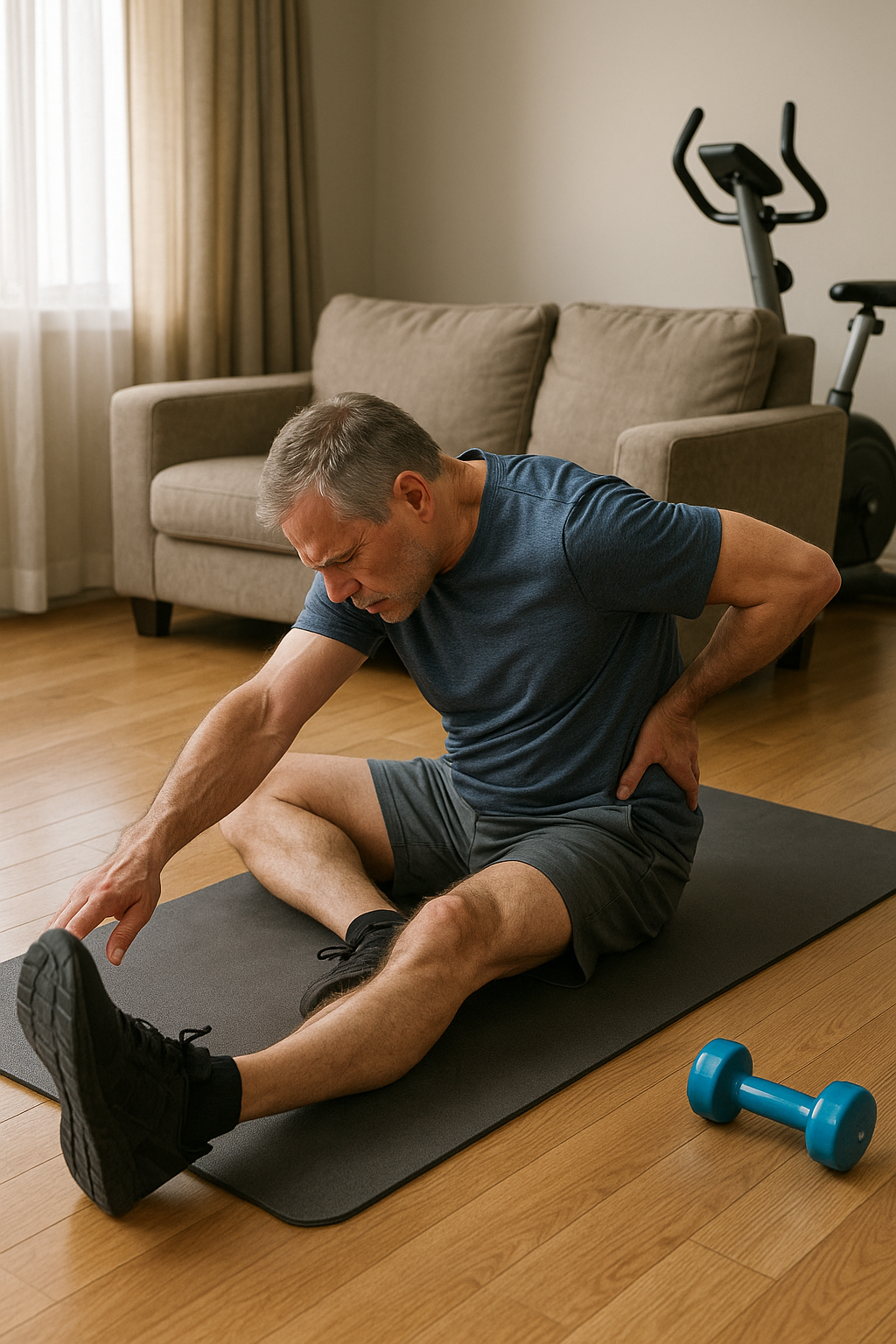
In today's fast-paced world, maintaining optimal thoracic mobility is more crucial than ever. The thoracic spine, located in the middle of the back, plays a pivotal role in supporting our posture, facilitating movement, and ensuring overall well-being. Unfortunately, our modern sedentary lifestyles—marked by prolonged hours at desks, extensive screen time, and minimal physical activity—often lead to thoracic stiffness. This stiffness can manifest as discomfort, impaired functionality, and even chronic pain, affecting our daily lives significantly.
why thoracic mobility matters
Thoracic mobility exercises are essential for a wide range of individuals, from office workers to athletes, and even those dealing with persistent neck or back pain. For office workers, the repetitive strain of sitting can lead to poor posture and reduced spinal flexibility, making thoracic mobility exercises a vital component of their routine. Athletes, on the other hand, rely on a flexible thoracic spine to enhance performance, particularly in sports that require rotational movements. Moreover, individuals experiencing neck or back pain can benefit from these exercises as they help alleviate tension and improve the range of motion (ROM).
the purpose of thoracic mobility exercises
The purpose of incorporating thoracic mobility exercises into your routine extends beyond mere pain relief. These exercises are designed to improve posture, reduce discomfort, and enhance physical performance. By focusing on the thoracic region, you can counteract the negative effects of slouching, promote better spinal alignment, and support efficient breathing through improved diaphragmatic function. Additionally, a well-mobilized thoracic spine can prevent injuries by ensuring that your body moves as a cohesive unit, reducing compensatory strain on other areas such as the neck and lower back.
This post aims to provide a comprehensive guide to thoracic mobility exercises. Whether you're looking to improve your posture, reduce pain, or boost your athletic performance, these exercises can be a game-changer. By understanding the importance of thoracic mobility and integrating these exercises into your daily routine, you can unlock a pain-free, more agile version of yourself, ready to tackle the challenges of everyday life with ease and confidence.
benefits of thoracic mobility exercises
Engaging in thoracic mobility exercises offers a multitude of benefits that extend far beyond just alleviating discomfort. One of the primary advantages is pain reduction and injury prevention. By improving the range of motion (ROM) in the cervical and thoracic regions, these exercises can significantly reduce neck and shoulder pain, alleviate lower back stress, and prevent injuries. Enhanced mobility in the thoracic spine allows for better distribution of mechanical stress during movement, minimizing the risk of compensatory strain in other areas.
Moreover, thoracic mobility exercises play a crucial role in improving posture and breathing. Modern lifestyles often lead to slouching and kyphosis, which can compromise spinal curvature and respiratory efficiency. By incorporating specific exercises, you can counteract these effects, promoting a more upright posture and facilitating better lung expansion and diaphragmatic function. This improvement in posture and breathing not only enhances physical appearance but also boosts overall energy levels and vitality.
For athletes, thoracic mobility exercises are particularly beneficial in achieving performance gains. A well-mobilized thoracic spine supports improved overhead lifting, rotational movements, and core stability, all of which are essential for sports performance. By enhancing thoracic mobility, athletes can achieve more efficient force transmission and better control during dynamic activities, leading to improved performance and reduced injury risk.
thoracic mobility exercises
rotation exercises
One effective rotation exercise is the seated thoracic rotation. This exercise targets shoulder mobility and enhances postural endurance. To perform it, sit upright on a chair with your feet flat on the floor. Cross your arms over your chest and slowly rotate your upper body to one side, keeping your hips stable. Hold the position for a few seconds before returning to the center and repeating on the other side.
Another beneficial exercise is the quadruped thoracic twist. Begin on all fours with your hands directly under your shoulders and knees under your hips. Place one hand behind your head and rotate your upper body, bringing your elbow towards the opposite hand. This exercise aids in spinal rotation and improves posture.
extension exercises
Foam roller extensions are excellent for enhancing overhead lifting and breathing. Lie on your back with a foam roller placed horizontally under your upper back. Gently extend your spine over the roller, allowing your head to relax towards the floor. This exercise focuses on proper technique to ensure maximum benefit.
The active thoracic spine extension is another effective exercise. Stand with your feet shoulder-width apart and place your hands on your lower back for support. Lean back slightly, extending your thoracic spine while keeping your core engaged. This exercise improves spinal flexibility and supports better posture.
mobilization and stretching
The prone T1-T2 mobilization technique is particularly effective in enhancing ROM and relieving pain. Lie face down and place a small towel roll under your chest. Gently press your chest into the towel, focusing on mobilizing the upper thoracic region.
For self-stretching techniques, try simple stretches like the cat-cow stretch. Begin on all fours, arch your back towards the ceiling, and then dip it towards the floor, allowing your thoracic spine to move through its full range of motion.
strengthening exercises
Incorporating rows and scapular retractions into your routine is essential for strengthening the rhomboids and lower trapezius. Using resistance bands or weights, perform rows by pulling the bands or weights towards your chest, ensuring your shoulder blades retract together.
Additionally, trunk flexor/extensor strengthening exercises support core stability and help reduce kyphosis. Exercises like planks and back extensions are effective in building strength in these areas.
other exercises
Diaphragmatic breathing is a simple yet powerful exercise that improves lung function and overall thoracic mobility. Practice deep breathing by inhaling deeply through your nose, allowing your diaphragm to expand, and exhaling slowly through your mouth.
Finally, rib cage expansions enhance breathing and thoracic flexibility. Stand upright, place your hands on your rib cage, and take deep breaths, feeling your ribs expand and contract with each breath.
additional considerations for thoracic mobility exercises
Integrating thoracic mobility exercises into your daily routine is essential for maintaining a healthy spine, especially if you have a sedentary lifestyle. To effectively incorporate these exercises, consider setting aside short intervals during your day, such as during breaks at work or after long periods of sitting. This can help counteract the stiffness associated with prolonged sitting and improve your overall posture and mobility.

Men's Posture Shirt™ - Black
Patented NeuroBand™ tech helps relieve pain and improves posture for work, exercise, and daily life.

Women's Posture Shirt™ - Black
Improves posture and relieves tension with patented muscle-activating technology; CE-registered device.
Consistency and progression are key to achieving the best results from thoracic mobility exercises. Start with exercises that match your current level of flexibility and gradually increase the intensity and duration as your mobility improves. Consistent practice not only enhances your thoracic flexibility but also contributes to overall well-being, reducing the risk of pain and injury.
frequently asked questions
why is thoracic mobility important for desk workers?
Prolonged sitting can lead to thoracic stiffness, causing poor posture and discomfort. Thoracic mobility exercises help counteract these effects by improving spinal flexibility and posture, reducing the strain associated with long hours at a desk.
how often should I do thoracic mobility exercises?
For optimal results, aim to perform thoracic mobility exercises 3-5 times per week. Each session can last 10-20 minutes, focusing on different exercises to target various aspects of thoracic mobility.
can these exercises help with chronic neck pain?
Yes, improving thoracic mobility can alleviate chronic neck pain by enhancing the range of motion and reducing compensatory strain on the neck. Studies indicate that thoracic spine mobilization exercises are effective in reducing neck pain.
are there any precautions to consider?
When performing thoracic mobility exercises, ensure proper form to avoid injury. If you experience pain or have existing medical conditions, consult a healthcare professional before starting a new exercise routine.
what equipment do I need?
Basic equipment such as a foam roller can be beneficial for certain exercises. However, many thoracic mobility exercises can be performed using body weight alone, making them accessible for home practice.
can thoracic mobility exercises improve athletic performance?
Enhanced thoracic mobility can significantly improve athletic performance by allowing better rotational movements, core stability, and force transmission, which are crucial for sports like golf, tennis, and swimming.
Kilder
- ClinicalTrials.gov. (2023). "Protocol for NCT06340542."
- Lee, H. et al. (2022). "Effects of Thoracic Mobility on Athletic Performance." Journal of Sports Medicine.
- Smith, T. (2021). "Thoracic Mobility and Rehabilitation." Indiana State University.
- ClinicalTrials.gov. (2022). "Study NCT07203209 on Thoracic Mobility."
- Johnson, L. & Carter, P. (2020). "Thoracic Spine Manipulation vs. Mobility." PMC.
- Miller, J. (2011). "Improving Thoracic Mobility for Better Health." Journal of Orthopaedic & Sports Physical Therapy.
- ACE Fitness. (2023). "Top Exercises to Gain Thoracic Mobility."
- National Strength and Conditioning Association. (2023). "Thoracic Mobility and Athletic Performance."
- Hinge Health. (2023). "Thoracic Mobility Exercises."
- Physio Network. (2023). "Great Thoracic Mobility Exercises."
- Physiotutors. (2023). "Thoracic Spine Strengthening."