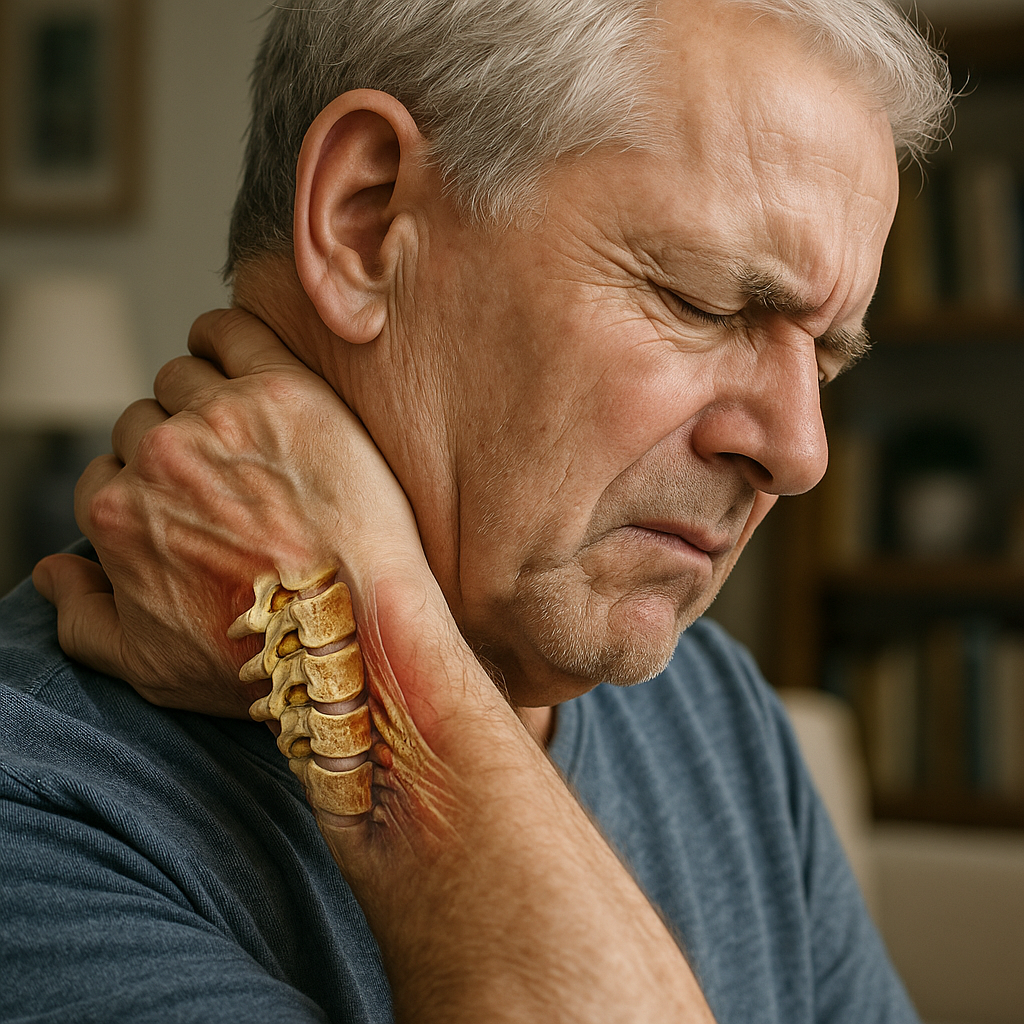
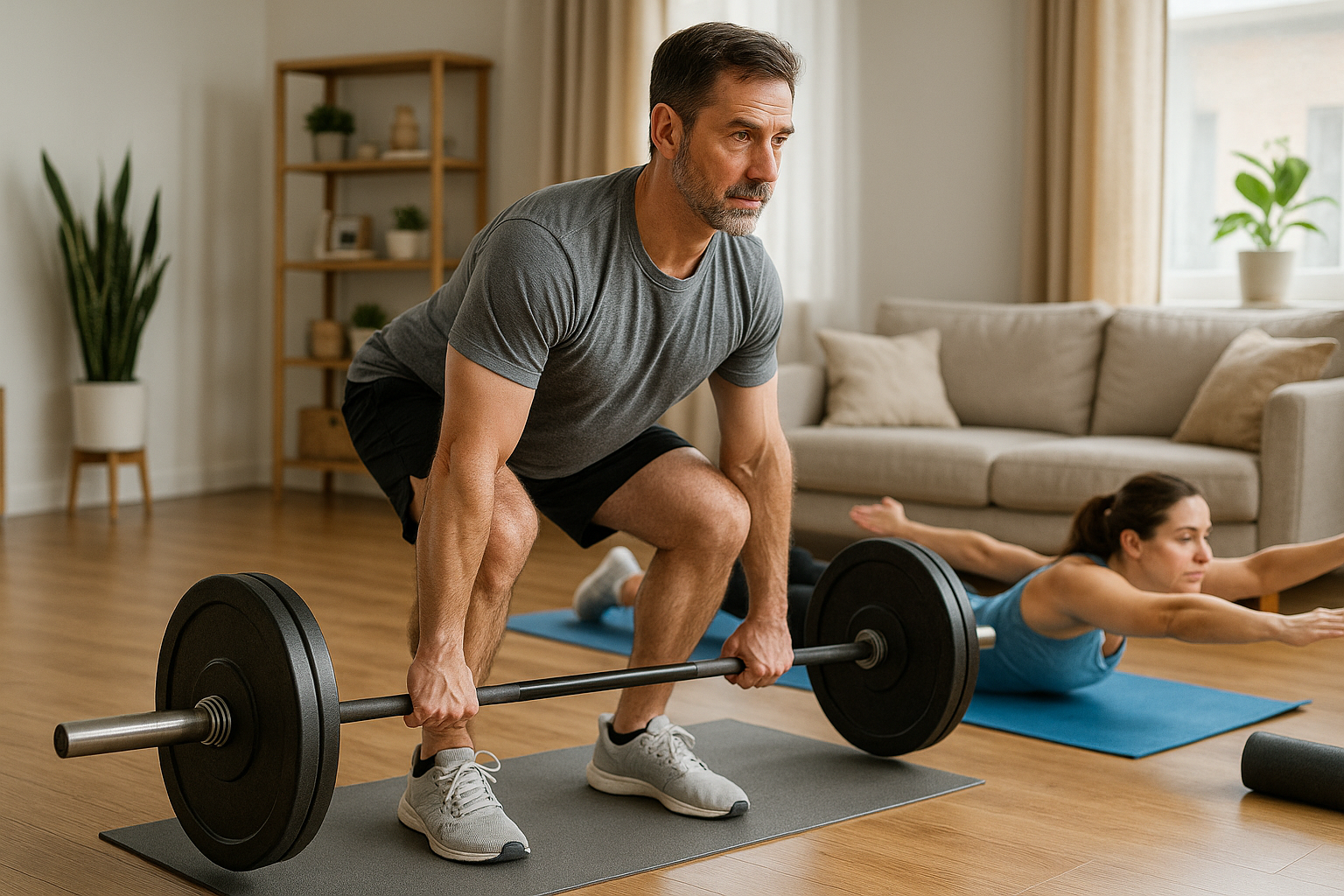
Experiencing a locked lower back can be a distressing ordeal, often characterized by sudden, acute pain and stiffness that severely limits mobility. This condition can strike unexpectedly, leaving individuals grappling with discomfort and a significant reduction in their ability to move freely. Understanding what causes a locked lower back is crucial for those who wish to manage and ultimately prevent this painful experience.
Understanding the locked lower back
A locked lower back typically manifests as a sudden onset of pain and rigidity in the lower spine, which can make everyday activities challenging. This condition can arise from various scenarios, such as unguarded movements, lifting heavy objects incorrectly, or maintaining poor posture over extended periods. These situations can lead to a strain or spasm in the muscles surrounding the spine, effectively "locking" the back and causing significant discomfort.
The prevalence of locked lower back issues is more common than one might think. Many individuals, at some point in their lives, will experience this condition, which can disrupt daily routines and hinder productivity. Whether it's bending over to tie your shoes or simply rising from a chair, the limitations imposed by a locked back can impact one's quality of life.
Why it happens
Several factors contribute to the occurrence of a locked lower back. Segmental stiffness, where certain segments of the spine lose their flexibility, is a common culprit. This lack of mobility can lead to compensatory movements that strain the back muscles. Additionally, muscle weakness, particularly in the core, can destabilize the spine, making it more susceptible to locking.
Poor core stability and improper ergonomics further exacerbate the risk. When the body's core muscles are not adequately supporting the spine, even simple movements can become hazardous. Moreover, improper ergonomics, whether at work or home, can lead to postural imbalances that increase the likelihood of experiencing a locked back.
Recovery from a locked lower back typically progresses through three phases: acute, sub-acute, and chronic, as outlined by experts in physiotherapy. Understanding these phases is vital for effective management and prevention. Addressing the underlying causes through targeted exercises and ergonomic adjustments can significantly reduce the risk of recurrence.
Recognizing the root causes of a locked lower back and taking proactive steps to address them is essential. By focusing on strengthening core muscles, maintaining proper posture, and ensuring ergonomic support, individuals can minimize the impact of this condition on their daily lives. In the following sections, we will explore in-depth strategies for prevention and treatment, empowering you to unlock relief and say goodbye to a locked lower back.
Causes and prevention of a locked lower back
Understanding the root causes of a locked lower back is crucial to both prevention and effective management. One of the primary causes is segmental stiffness. This occurs when certain segments of the spine lose their flexibility and mobility, leading to compensatory movements that can strain the back muscles. Over time, this stiffness can result in the spine becoming "locked," causing acute pain and limiting movement.
Another significant factor is muscle weakness, particularly in the core muscles. The core plays a vital role in stabilizing the spine. When these muscles are weak, they fail to provide the necessary support, making the spine more susceptible to locking. Strengthening these muscles can help prevent such episodes by enhancing overall stability and reducing the risk of injury.
Chronic poor posture is also a major contributor to back issues. Many people spend long hours sitting at desks or looking at screens, often in positions that strain the back. This constant stress can lead to muscle imbalances and increased tension in the lower back, eventually causing it to lock. Implementing ergonomic solutions, such as supportive chairs and proper desk setups, can significantly alleviate this strain and improve posture.

Lumbar support belt
Provides adjustable support and relief for lower back pain and tension.
Preventing a locked lower back involves a combination of maintaining good posture, ensuring regular movement, and adopting ergonomic solutions. Simple changes, like using a chair with proper lumbar support or adjusting the height of your computer monitor, can make a substantial difference. Regularly standing up, stretching, and moving throughout the day can also help maintain flexibility and prevent stiffness.
Treatment options for a locked lower back
When faced with a locked lower back, there are several at-home remedies that can provide immediate relief. One effective approach is ice and heat therapy. Applying ice can help reduce inflammation and numb the area, while heat can relax tense muscles and improve blood flow. Alternating between these treatments can offer significant pain relief.
Gentle stretching exercises are also beneficial in improving flexibility and reducing muscle tension. Simple stretches that target the lower back and core can help alleviate discomfort and promote mobility. It's important to perform these exercises carefully and gradually to avoid further strain.
For more persistent or severe cases, professional help may be necessary. Physiotherapy is often recommended as a primary treatment for a locked lower back. A physiotherapist can guide you through exercises designed to strengthen the core and improve spinal stability. They can also provide manual therapy to release tension and restore mobility.
It's important to differentiate between a typical locked lower back and more serious conditions that require medical attention. According to insights from HSS Health and Cleveland Clinic, if the pain persists beyond a few days or is accompanied by symptoms such as numbness or weakness, it may indicate a more serious issue like disc herniation or sciatica. In such cases, seeking medical advice is crucial to ensure proper diagnosis and treatment.
In conclusion, understanding the causes and prevention strategies for a locked lower back is essential for managing this condition effectively. By incorporating ergonomic solutions, maintaining good posture, and seeking appropriate treatment when necessary, individuals can unlock relief and improve their quality of life. In the next section, we will explore recovery stages and ergonomic support, providing further insights into long-term management and prevention strategies.
Recovery stages and ergonomic support for a locked lower back
Recovering from a locked lower back involves understanding the distinct stages of healing and utilizing ergonomic aids to support each phase effectively. During the acute phase, rest and pain management are crucial. It's essential to minimize activities that could exacerbate the pain while using ice and heat therapy to reduce inflammation and relax tense muscles.
As you move into the sub-acute phase, incorporating supportive products that encourage gentle movement without straining the back becomes important. Ergonomic chairs with lumbar support or adjustable desks can help you maintain a healthy posture as you gradually increase your activity levels. These aids not only alleviate discomfort but also prevent further strain on the spine.

Women's Posture Shirt™ - White
Activates muscles and improves posture awareness while providing comfortable support.
In the chronic phase, the focus shifts to long-term solutions that prevent recurrence. This includes integrating ergonomic solutions into your daily routine, both at work and home. Products like standing desks, ergonomic keyboards, and supportive footwear can play a vital role in maintaining spinal health. Consistent use of these aids helps ensure that your back remains supported, reducing the likelihood of future episodes.
Workplace ergonomics are particularly significant in managing and preventing a locked back. Many individuals spend a significant portion of their day at a desk, which can contribute to poor posture and back issues. By optimizing your workspace with ergonomic furniture and regularly adjusting your position, you can significantly reduce the risk of experiencing a locked lower back.
Frequently asked questions
What is the fastest way to relieve a locked lower back?
A combination of rest, ice/heat therapy, and gentle stretching is often the quickest way to relieve a locked lower back. These methods help reduce inflammation, relax muscles, and improve flexibility.
Can a locked lower back heal on its own?
Yes, with appropriate self-care and ergonomic adjustments, many cases of a locked lower back can resolve without medical intervention. However, persistent or severe pain should be assessed by a healthcare professional.
When should I seek medical help for a locked lower back?
If the pain persists beyond a few days or is accompanied by symptoms like numbness or weakness, it is advisable to seek medical help. These could indicate more serious conditions, such as disc herniation or sciatica.
How can ergonomic products help prevent a locked back?
Ergonomic products provide support and promote proper posture, reducing strain on the back. By maintaining spinal alignment and distributing pressure evenly, these aids can significantly lower the risk of experiencing a locked back.
What are the long-term management strategies for a locked lower back?
Long-term management includes regular exercise, maintaining a healthy weight, and using ergonomic aids both at work and home. These strategies help strengthen core muscles, enhance flexibility, and support spinal health, reducing the likelihood of recurrence.
Kilder
- NHS. (n.d.). "Spondylolisthesis." NHS UK.
- AANS. (n.d.). "Low Back Strain and Sprain." American Association of Neurological Surgeons.
- Healthline. (n.d.). "Pinched Nerve in Lower Back: Causes, Treatment, and More." Healthline.
- HSS Health. (n.d.). "Can't Move with Sudden Severe Lower Back Pain? Here's What to Do." HSS Health Blog.
- Mayo Clinic. (n.d.). "Spinal Stenosis - Symptoms and Causes." Mayo Clinic.
- MedlinePlus. (n.d.). "Low Back Pain - Acute." MedlinePlus.
- Cleveland Clinic. (n.d.). "Lower Back Pain: Symptoms, Causes, Treatment, and More." Cleveland Clinic.