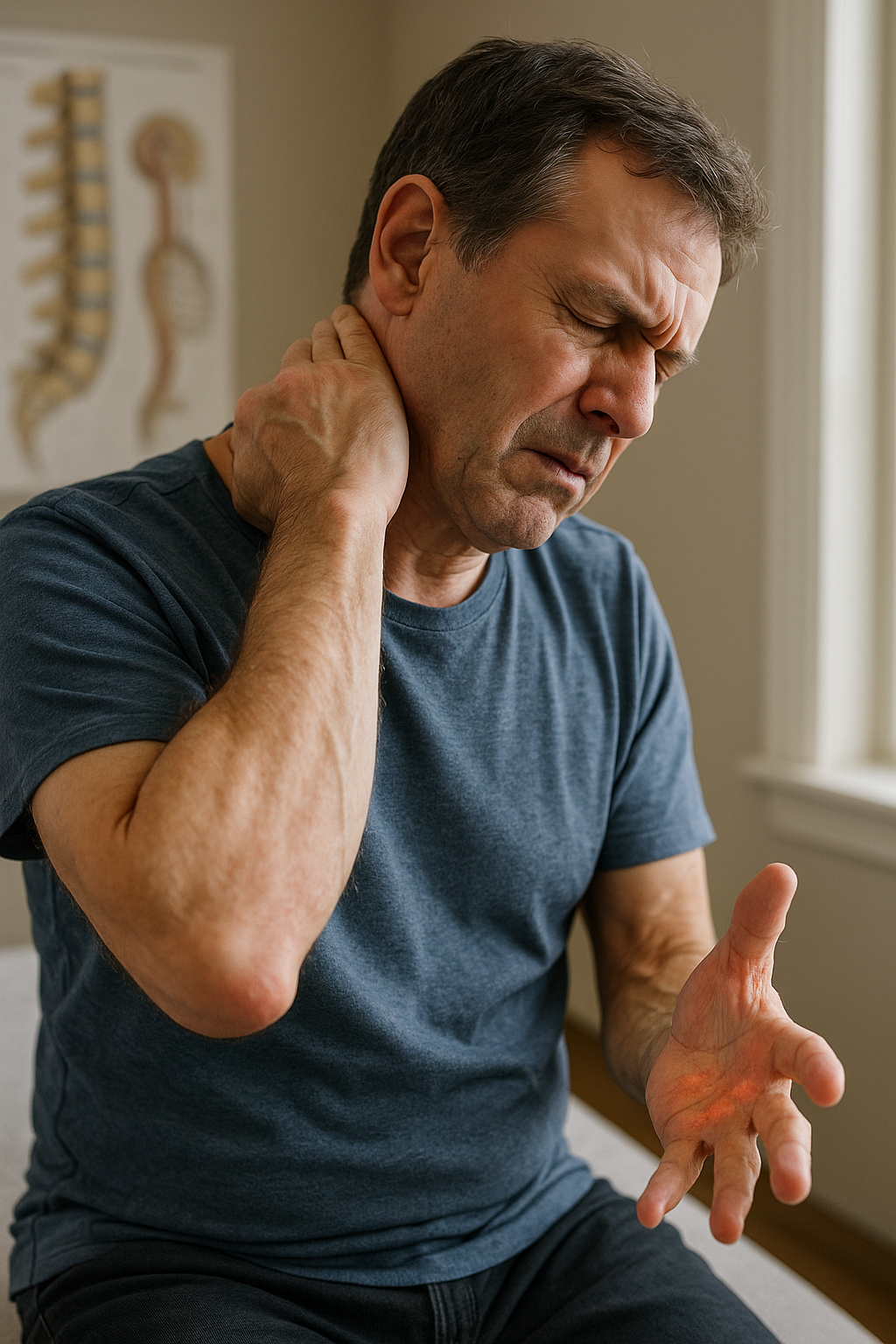
Spinal osteoarthritis, a common yet often misunderstood degenerative joint disease, affects millions worldwide. It primarily targets the spine, leading to discomfort and mobility issues that can significantly impact daily life. Recognizing the early symptoms of spinal osteoarthritis is crucial for effective management and improving overall quality of life.
understanding spinal osteoarthritis
Spinal osteoarthritis develops as a result of the gradual breakdown of cartilage in the joints and discs located in the neck and lower back. This degeneration can lead to pain, stiffness, and a decrease in mobility, making everyday activities challenging. The condition is particularly prevalent among older adults, with studies indicating that a significant percentage of people over the age of 60 experience some form of spinal osteoarthritis. As the cartilage wears down, bones may begin to rub against each other, causing inflammation and further discomfort.
The impact of spinal osteoarthritis on daily life can be profound. Simple tasks such as bending down, lifting objects, or even sitting for extended periods can become difficult and painful. This not only affects physical health but can also lead to emotional and psychological stress as individuals struggle to maintain their usual activities.
aim of this post
The purpose of this blog post is to shed light on the symptoms of spinal osteoarthritis, enabling readers to identify potential warning signs early. By understanding these symptoms, individuals can seek appropriate medical advice and explore treatment options that may alleviate pain and improve their quality of life. Early intervention is key in managing spinal osteoarthritis effectively, as it can slow the progression of the disease and help maintain mobility.
In the following sections, we will delve deeper into the specific symptoms associated with spinal osteoarthritis, explore the biomechanical causes behind these symptoms, and discuss the available diagnostic methods. By gaining a comprehensive understanding of this condition, readers will be better equipped to recognize the signs and take proactive steps towards managing their spinal health.
identifying the symptoms of spinal osteoarthritis
Spinal osteoarthritis manifests through a variety of symptoms that can significantly affect an individual's quality of life. Understanding these symptoms is essential for early detection and effective management. One of the most prevalent symptoms is persistent pain, often felt in the back or neck. This pain can be exacerbated by movement and tends to worsen with prolonged activity. Stiffness is another common symptom, particularly noticeable in the morning or after sitting for extended periods, making the spine feel less flexible and more rigid.
weakness and numbness
As spinal osteoarthritis progresses, it can lead to nerve compression, resulting in weakness in the arms or legs. This weakness may be accompanied by numbness or tingling sensations, often described as a "pins and needles" feeling. These symptoms can impair mobility and balance, making it challenging to perform daily activities such as walking or lifting objects. In severe cases, this nerve compression can cause significant functional limitations, necessitating medical intervention.
crepitus: the grinding sensation
Another symptom associated with spinal osteoarthritis is crepitus, a grating sensation caused by the bones rubbing together due to cartilage loss. This can be accompanied by audible cracking or popping sounds, particularly during movement. While crepitus itself may not be painful, it is often a sign of underlying joint damage and can contribute to discomfort and reduced range of motion.
biomechanical causes and progression
The symptoms of spinal osteoarthritis are largely driven by biomechanical changes within the spine. As the intervertebral discs deteriorate, they become thinner, increasing pressure on the facet joints. This pressure can lead to the formation of bone spurs, which further damage the joints and exacerbate symptoms. Over time, the disease progresses, with symptoms worsening as joint damage accumulates.
Several risk factors can influence the progression of spinal osteoarthritis. Age is a significant factor, with older adults being more susceptible to the condition. Additionally, there is a higher prevalence among females, particularly those with a family history of osteoarthritis. These risk factors highlight the importance of early intervention and monitoring for those at higher risk.
diagnostic methods
To confirm a diagnosis of spinal osteoarthritis, healthcare providers use a variety of diagnostic tools. Imaging tests, such as X-rays and MRI scans, are commonly employed to assess the extent of joint damage and identify any bone spurs. Blood tests may also be conducted to rule out other conditions that could mimic osteoarthritis symptoms. In some cases, joint fluid analysis is used to examine the fluid within the joints, helping to differentiate osteoarthritis from other inflammatory joint diseases.
Understanding the symptoms and underlying causes of spinal osteoarthritis is crucial for effective management. By recognizing the signs early and seeking appropriate medical advice, individuals can explore treatment options that may alleviate pain and improve their quality of life. As we delve further into this topic, we will explore how symptoms can vary based on the location of the affected spine and discuss strategies for managing this condition.

Women's Posture Shirt™ - Black
Patented shirt activating muscles for better posture and relief of neck, back, or shoulder pain.

Lumbar support belt
Adjustable belt supports and relieves lower back pain, ideal for sciatica or herniated discs.
symptom variability by spine location
The symptoms of spinal osteoarthritis can vary significantly depending on whether the cervical (neck) or lumbar (lower back) spine is affected. Understanding these differences is crucial for accurate diagnosis and effective management. In the cervical spine, pain and stiffness are often concentrated around the neck and shoulders, potentially radiating into the arms and hands. This can lead to difficulties in performing tasks that require fine motor skills, such as writing or typing.
Conversely, lumbar spine osteoarthritis typically manifests as lower back pain, which may extend into the buttocks, thighs, or even down to the legs. This can affect walking, bending, or lifting activities. The table below highlights the differences in pain patterns and symptom triggers for each spine location:
| Spine Location | Pain Pattern | Common Triggers |
|---|---|---|
| Cervical Spine | Neck and shoulder pain, radiating to arms | Turning head, looking up or down |
| Lumbar Spine | Lower back pain, radiating to legs | Sitting, bending, lifting |
emergency warning signs
While many symptoms of spinal osteoarthritis can be managed conservatively, certain signs warrant immediate medical attention. Severe weakness, sudden loss of bladder or bowel control, and intense, unrelenting pain are critical symptoms that should not be ignored. These may indicate serious complications such as spinal cord compression, requiring urgent intervention to prevent permanent damage.
related conditions
Spinal osteoarthritis can coexist with other conditions, complicating diagnosis and treatment. Spinal stenosis, a narrowing of the spinal canal, often occurs alongside osteoarthritis, exacerbating symptoms like pain and numbness. Sciatica, characterized by pain radiating along the sciatic nerve, can also develop due to nerve compression from osteoarthritic changes. Recognizing these related conditions is essential for comprehensive management.
relief and management strategies
Managing spinal osteoarthritis often involves a combination of conservative treatments aimed at relieving symptoms and improving function. Physical therapy is a cornerstone of treatment, focusing on exercises to strengthen muscles and enhance flexibility. Medications such as nonsteroidal anti-inflammatory drugs (NSAIDs) can help reduce pain and inflammation.
Lifestyle modifications, including weight management and regular low-impact exercise, are crucial for maintaining mobility and reducing stress on the spine. Ergonomic aids, like lumbar cushions and supportive chairs, can provide additional comfort and support during daily activities, making them valuable tools in a comprehensive pain management plan.
frequently asked questions
What are the first signs of spinal osteoarthritis?
Early signs include mild pain and stiffness in the back or neck, especially after periods of inactivity. These symptoms can gradually worsen, impacting daily activities.
How is spinal osteoarthritis diagnosed?
Diagnosis typically involves a combination of physical examination, imaging tests like X-rays or MRIs, and sometimes blood tests to rule out other conditions.
Can spinal osteoarthritis be cured?
While there is no cure for spinal osteoarthritis, symptoms can be effectively managed with appropriate treatment and lifestyle changes, helping to maintain quality of life.
Is spinal osteoarthritis hereditary?
Family history is a known risk factor, suggesting a potential genetic component. Individuals with a family history of osteoarthritis may be at higher risk.
When should I see a doctor for spinal osteoarthritis symptoms?
Consult a doctor if you experience persistent pain, significant weakness, or any symptoms affecting your daily activities. Seek immediate help for severe symptoms like loss of bladder control or intense pain.
Källor
- Iowa Ortho. "Spinal Osteoarthritis."
- NYP. "Spinal Osteoarthritis Treatment."
- CNSO. "Understanding Osteoarthritis of the Spine."
- DFW Spine Center. "Spinal Osteoarthritis Treatments."
- NYP. "Symptoms of Spinal Osteoarthritis."
- American Family Physician. "Osteoarthritis: Diagnosis and Treatment."
- Arthritis UK. "Understanding Osteoarthritis of the Spine."
- Mayo Clinic. "Osteoarthritis: Diagnosis and Treatment."
- WebMD. "Spinal Osteoarthritis (Degenerative Arthritis of the Spine)."
- NYU Langone Health. "Nonsurgical Treatment for Osteoarthritis of the Spine."
- Arthritis Foundation. "Back Osteoarthritis."
- NHS. "Osteoarthritis Treatment."
- Mayo Clinic. "Osteoarthritis: Symptoms and Causes."
- Total Spine Institute. "Arthritis of the Spine."
- Cleveland Clinic. "Spinal Arthritis."
- NCBI. "Osteoarthritis Overview."