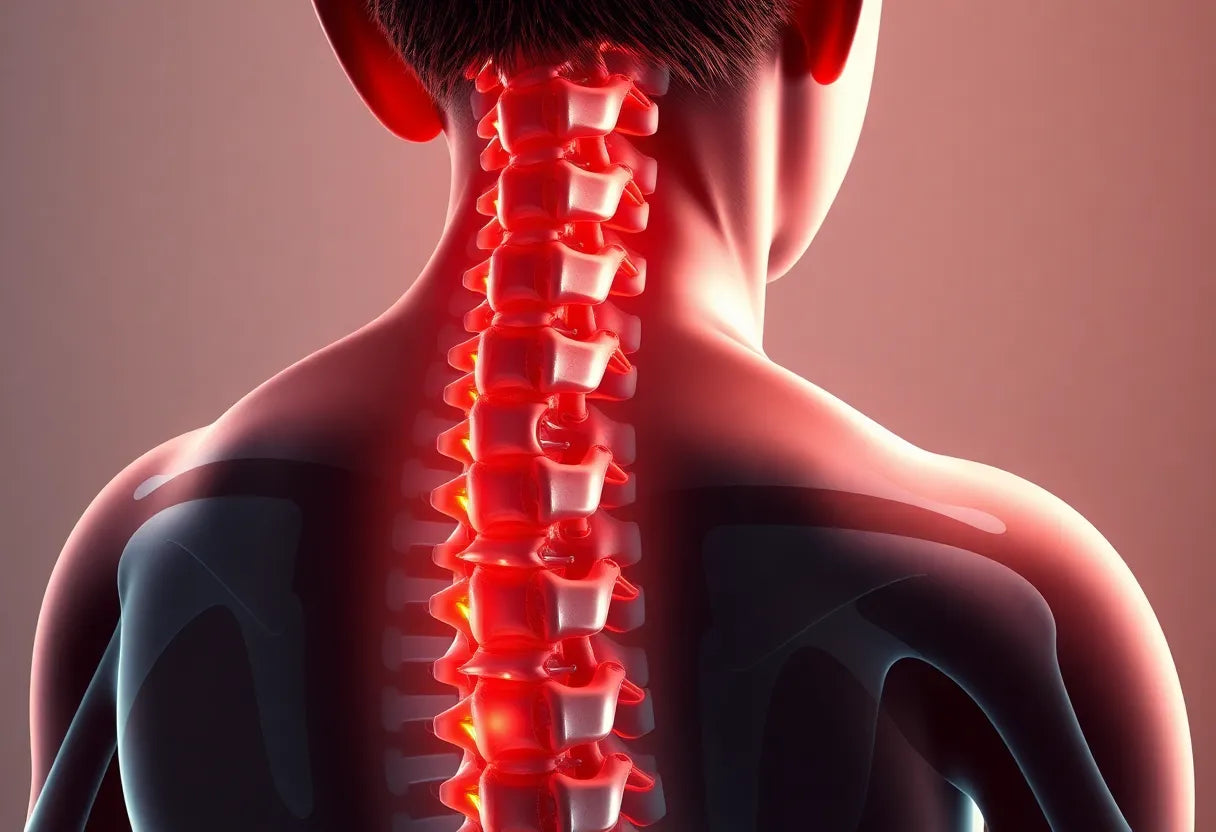
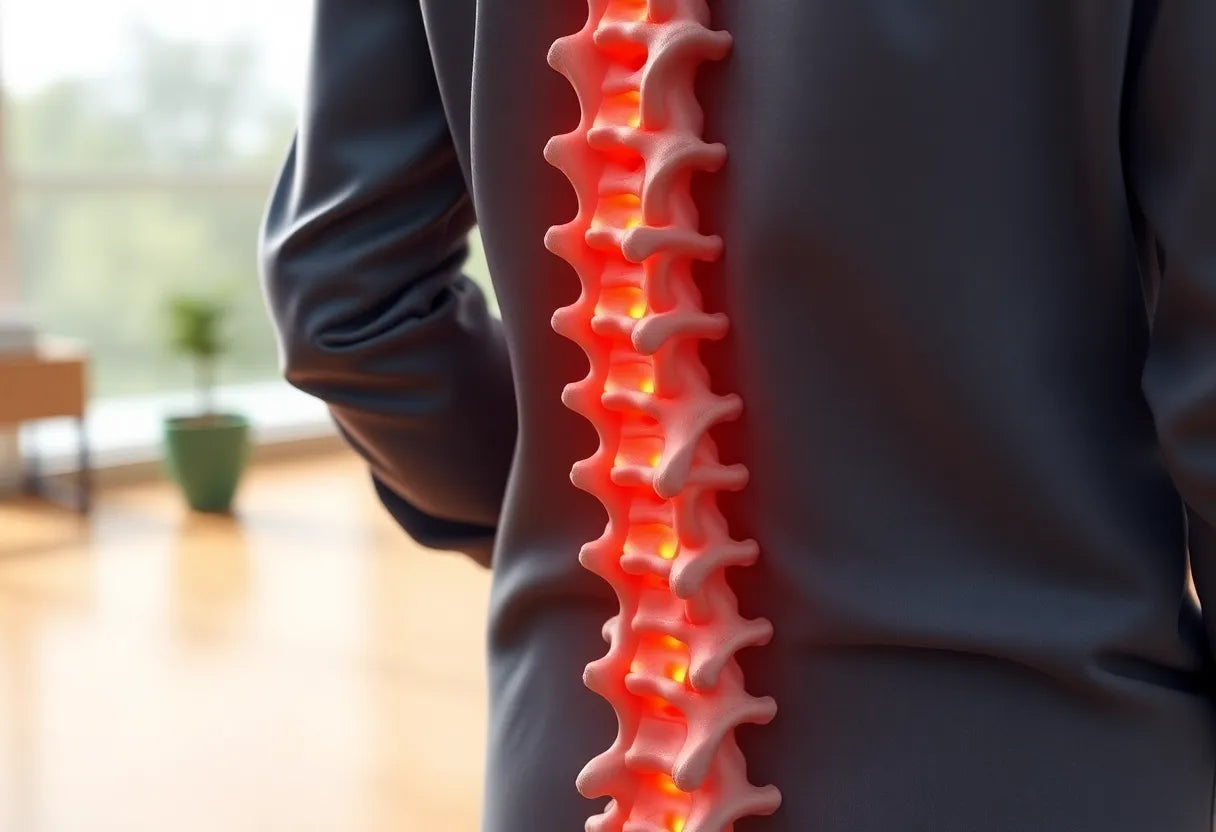
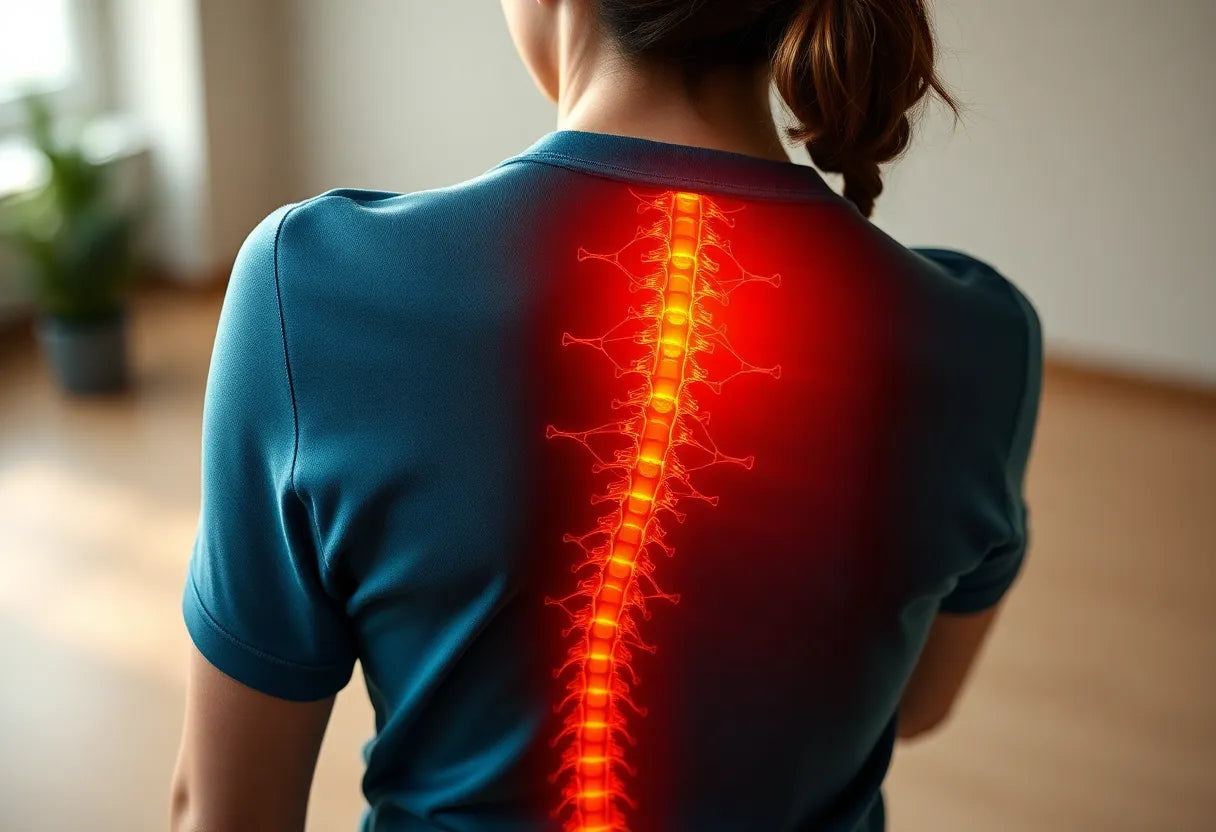
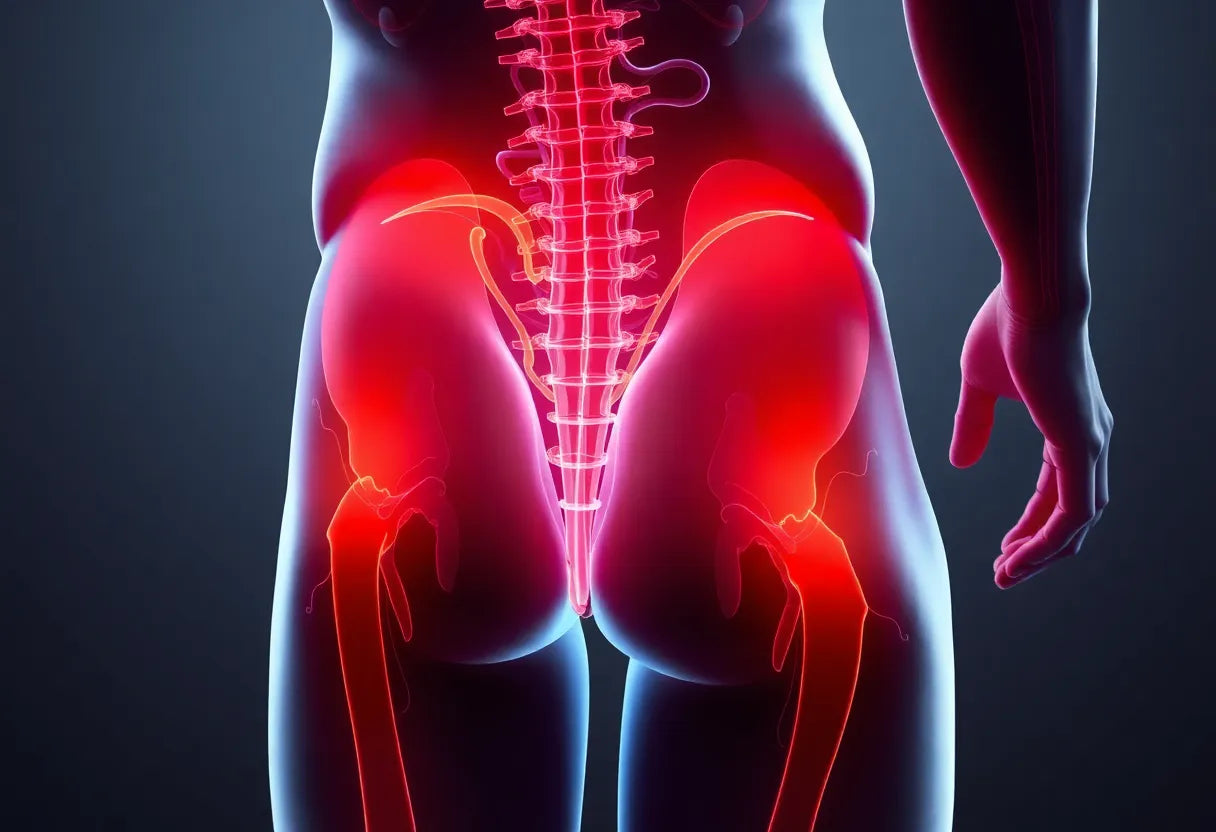
Spinal stenosis involves the narrowing of the spinal canal, often affecting the lower back or neck, leading to pain and mobility issues. While non-surgical treatments like physical therapy and life...
Spinal fusion surgery is a critical procedure that permanently connects vertebrae to stabilize the spine and alleviate pain. Recommended for severe spinal conditions, it involves a complex journey ...
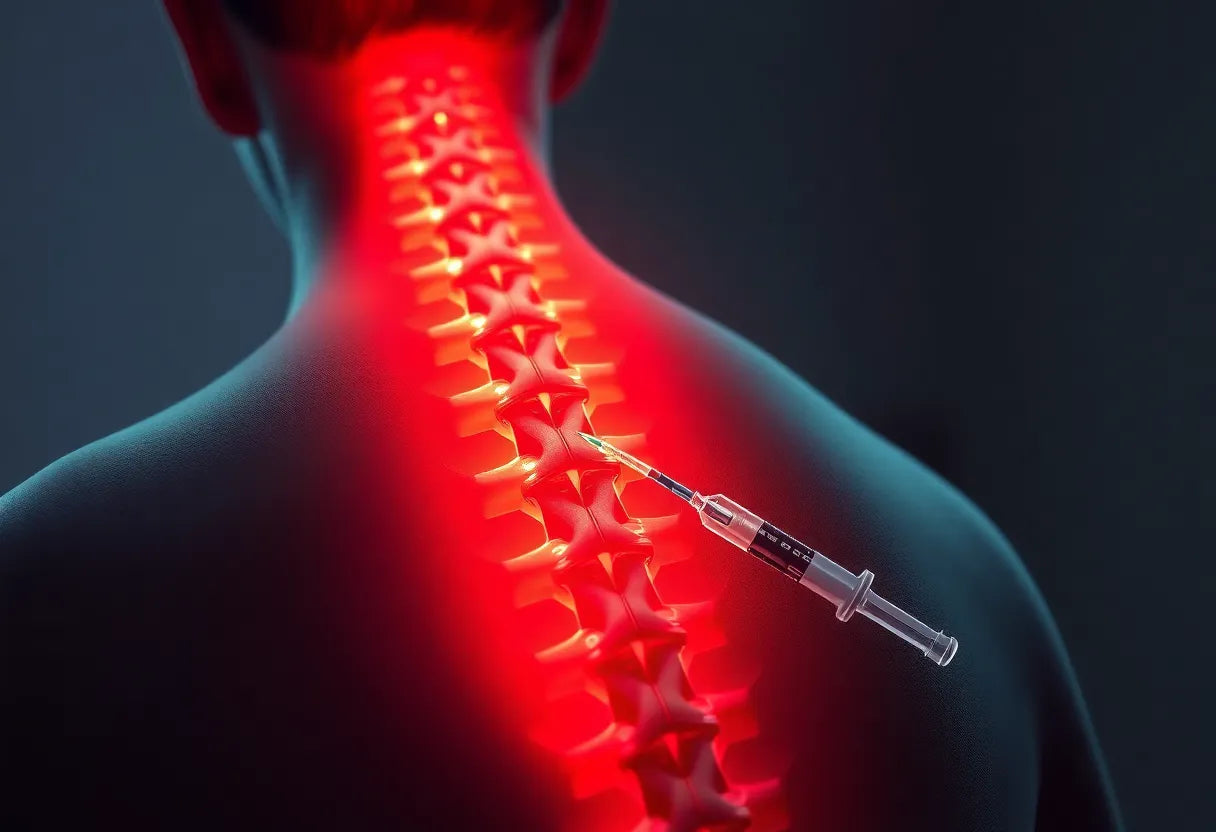
Spinal injections are a pivotal tool in modern medicine for managing chronic pain, offering both diagnostic and therapeutic benefits. These minimally invasive procedures use corticosteroids and ane...
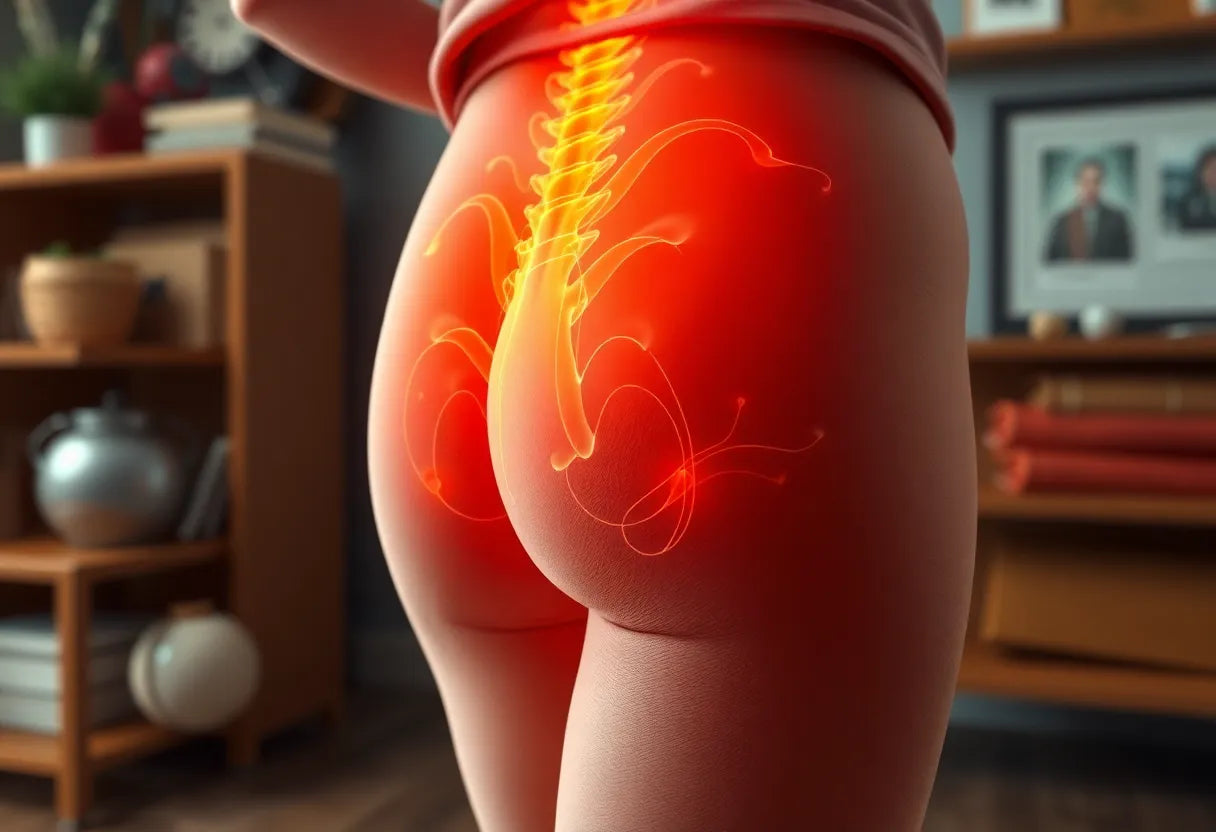
Experiencing buttock pain is more common than you might think and can disrupt daily activities like sitting or walking. Understanding its root causes—ranging from muscle strain to sciatica—is cruci...
The lower back, or lumbar spine, is a critical component of the human body, positioned between the thoracic spine and the sacrum. Comprising five robust vertebrae, it supports the upper body’s weig...
Spinal stenosis can disrupt balance and coordination by compressing nerves crucial for these functions. This nerve compression leads to symptoms like dizziness and unsteadiness, increasing fall ris...
Experiencing a pinched nerve in the back can disrupt daily life, but incorporating gentle exercises can aid in recovery. Stretching, core strengthening, and low-impact aerobics enhance blood flow a...
Understanding sciatic nerve pain is crucial for those experiencing discomfort from the lower back to the leg. Sciatica, often caused by spinal issues, can significantly impact daily life. Early int...
Exercise is vital for managing lumbar disc herniation, enhancing recovery, and reducing pain. Gentle, low-impact activities like walking and swimming, along with targeted stretching and core stabil...