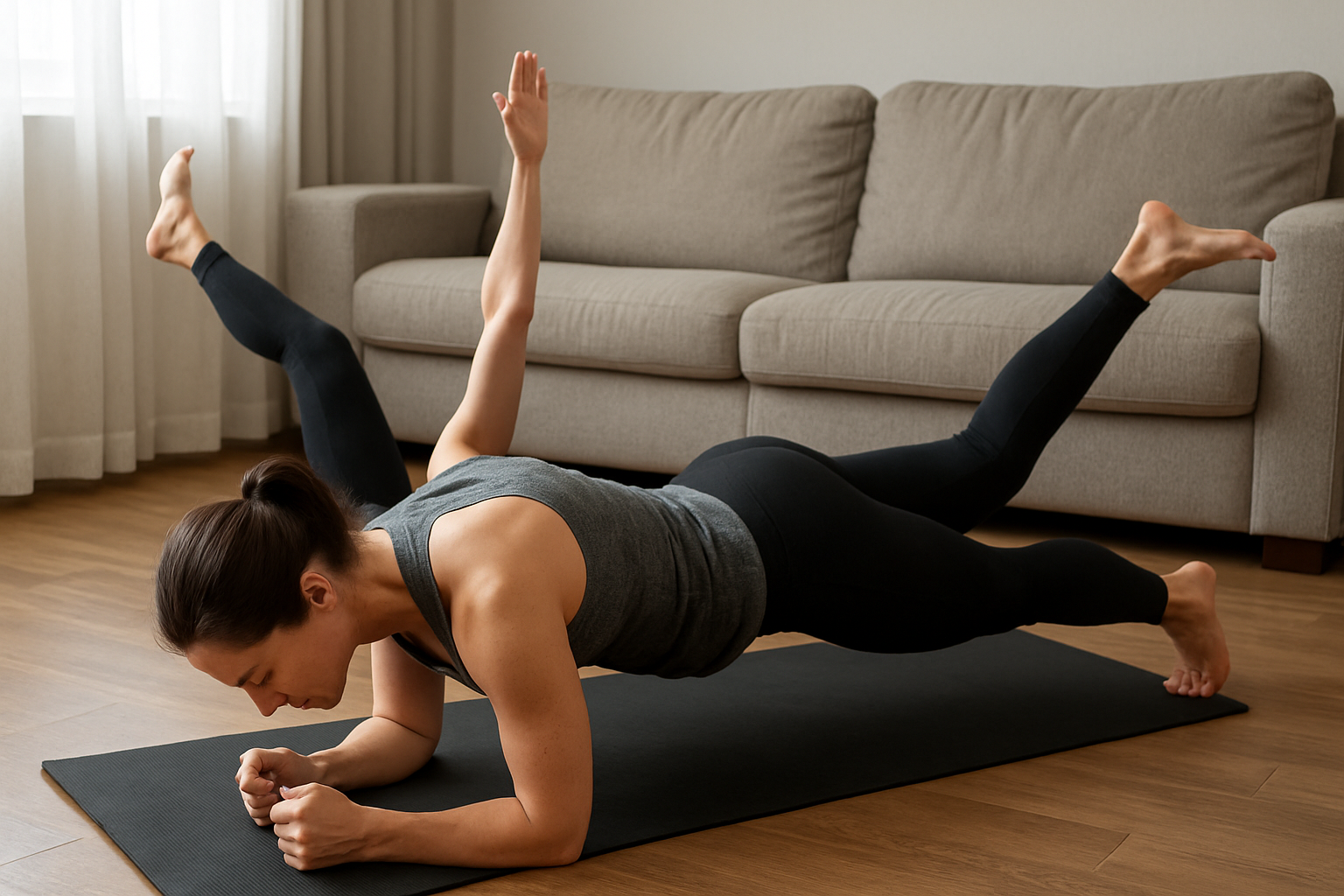


Trying to improve fitness when your calendar is packed can feel like one more task you “should” be doing. The good news is that fitness doesn’t only happen in a gym, and it doesn’t require long workouts to make a difference. For many busy adults, the biggest barrier is simply that the day is built around sitting: commuting, desk work, meetings, and screen time at home. Over time, that low-movement routine can affect energy levels, mood, and how your body feels from the neck down.
Regular activity is strongly linked to better cardiovascular health, steadier weight management, and improved mental wellbeing. Just as importantly for people who sit a lot, moving more can help reduce the stiffness and “creaky” feeling that builds up in the hips, upper back, and shoulders. When you approach fitness with realistic expectations—small steps, done consistently—you’re more likely to stick with it and see progress without burning out.
Why ergonomics matters when you want to improve fitness
Ergonomics is the practice of fitting your environment and movements to your body—so you can work, walk, lift, and train with less strain. It’s often associated with desk setups, but it’s just as relevant when you start exercising more. If your posture collapses during a brisk walk, if your shoulders creep up during strength exercises, or if your lower back takes over when your hips are tight, you may feel discomfort that makes it harder to stay consistent.
That’s where ergonomic fitness comes in: using posture-friendly principles to make everyday movement and simple workouts feel better. Think of it as removing friction. When your body is aligned and supported, you can focus on building habits—taking more steps, adding a few strength sessions each week, and improving mobility—without constantly negotiating aches and niggles.
A practical approach for busy days
This guide focuses on realistic ways to improve fitness in the middle of real life: short movement moments, low-impact options that are easier on joints, and simple posture cues that help you move with confidence. You’ll also learn how small ergonomic adjustments at work and at home can reduce fatigue, making it easier to follow through on the activity you already intend to do.
If you’re returning to exercise after a long break, aim for “better, not perfect.” Start where you are, build gradually, and let comfort be a signal to adjust technique—not a reason to quit.
Practical ergonomic ways to improve fitness on busy days
If you want to improve fitness without rearranging your entire life, start by making movement the default. Short bursts of activity spread across the day can add up, especially when they’re paired with simple posture cues that reduce strain. The goal isn’t to “work out perfectly” every day—it’s to move often enough that your body stays warm, mobile, and ready for more.
Daily movement: build activity into what you already do
Think of daily movement as your baseline. It supports circulation, keeps joints from stiffening, and makes structured workouts feel less intimidating. A few easy options:
- Walk during phone calls: pace the room, walk a hallway, or step outside for five minutes.
- Take the stairs when it makes sense: even one or two flights counts.
- Park a little farther away: or get off public transport one stop early if it’s safe and practical.
- Use a step counter: tracking steps helps many people stay consistent. If you’re starting from a low baseline, aim to increase gradually rather than chasing a big number overnight.
Ergonomic walking posture that feels better
Walking is one of the most accessible ways to improve fitness, but posture matters more than most people realise. Use these quick checkpoints:
- Stack your ribcage over your pelvis: avoid leaning back with your ribs flared or slumping forward at the chest.
- Keep your gaze forward: looking down at your phone encourages a rounded upper back and forward head position.
- Let your arms swing naturally: shoulders relaxed, elbows bent softly. If your shoulders creep up, exhale and “drop” them.
- Shorten your stride if needed: overstriding can increase impact and encourage a forward lean. A slightly quicker cadence with a comfortable stride often feels smoother.
Also consider how you carry things. A heavy bag on one shoulder can pull your torso out of alignment. If you commute with a backpack, use both straps and keep the load close to your back. If you carry a tote, switch sides regularly and keep the bag lighter by removing items you don’t need.

Women's Posture Shirt™ - Black
Improves posture with patented NeuroBand™ tech. Alleviates tension and suits work or exercise.
Build a balanced routine to improve fitness without overdoing it
Most beginner-friendly fitness guidance comes down to the same pillars: cardio, strength, and mobility. The ergonomic twist is that alignment and control help you get the benefits with less “wear and tear,” which is key when you’re busy and can’t afford setbacks.
Cardio: choose joint-friendly options you can repeat
Low-impact cardio is often the easiest place to start. Brisk walking, cycling, swimming, and elliptical training can elevate your heart rate without the pounding that comes with running. If time is tight, try a simple interval approach: alternate 1 minute faster with 1–2 minutes easy for 10–20 minutes. You’ll still build endurance, and the changing pace can keep your posture from collapsing as fatigue sets in.
Strength training: 2–3 days a week with posture first
Strength work supports your joints, improves everyday function, and makes it easier to stay active long-term. Two to three sessions per week is a realistic target for many busy adults. Focus on bodyweight basics and move with control:
- Squat to a chair: keep feet planted, knees tracking over toes, and avoid rounding your lower back as you sit and stand.
- Wall or incline push-ups: maintain a straight line from head to heels and keep shoulders away from your ears.
- Hip hinge practice: learn to bend by sending hips back (not folding through the spine). This pattern supports safer lifting in daily life.
- Row variation with a band: think “shoulder blades down and back” to counter desk posture.
A helpful rule: stop a set when your form changes. If your neck tenses, your shoulders shrug, or your lower back starts doing the work, that’s your cue to rest, reduce range of motion, or choose an easier variation.

Men's Posture Shirt™ - Black
Patented shirt for posture, with NeuroBand™ tech. Helps reduce tension at work, leisure, or training.
Flexibility and balance: small doses, big payoff
Mobility work doesn’t need to be long to be effective. A few minutes of stretching or controlled movement can reduce stiffness from sitting and help you move better in workouts. Try gentle hip flexor stretches, calf stretches, and upper-back rotations. Add simple balance practice—like standing on one leg for 20–30 seconds per side while brushing your teeth—to build stability that supports walking, stairs, and strength training.
Ergonomic adjustments at home and work that make fitness easier
If your work setup leaves you sore and drained, it’s harder to follow through on exercise. Small workstation improvements can reduce fatigue so you have more capacity to move.
Quick workstation setup checks
- Chair height: aim for feet flat on the floor and knees roughly level with hips.
- Back support: sit back so your lower back is supported; avoid perching on the edge of the chair.
- Screen position: keep the top of your screen around eye level to reduce neck strain.
- Keyboard and mouse: keep them close so elbows stay near your sides and shoulders stay relaxed.
Movement breaks that don’t disrupt your day
Set a reminder to stand up regularly. Even 1–2 minutes can help. Do a few shoulder rolls, stand tall and take five slow breaths, or perform 10 sit-to-stands from your chair. These micro-breaks keep your body from stiffening and make it easier to improve fitness consistently—because you’re no longer starting from “cold” every time you try to be active.
Beginner-friendly, posture-safe workouts to improve fitness
If you want to improve fitness but don’t have time for long sessions, short routines can be enough—especially when you repeat them consistently. The key is choosing movements that feel stable and keeping your posture “stacked”: head over ribs, ribs over pelvis, and weight evenly through your feet. Move slowly at first, and treat discomfort as feedback to adjust range of motion, tempo, or exercise choice.
A 10-minute mobility routine for stiff hips and shoulders
Do this once a day or as a warm-up before walking or strength training. Aim for smooth, controlled reps and steady breathing.
- Breathing reset (1 minute): stand tall, inhale through the nose, exhale slowly and let your shoulders drop. Keep your ribs from flaring as you breathe.
- Upper-back opener (1 minute): clasp hands in front, gently reach forward to spread the shoulder blades, then relax. Avoid shrugging.
- Hip flexor stretch (2 minutes): half-kneeling or standing split stance, gently tuck the pelvis and shift forward slightly. You should feel the front of the hip, not the lower back.
- Hip hinge drill (2 minutes): hands on hips, send hips back with a long spine, then stand tall. Think “bend at the hips, not the waist.”
- Thoracic rotations (2 minutes): hands together in front of chest, rotate gently left and right while keeping hips facing forward.
- Calf and ankle mobility (2 minutes): slow calf raises or a gentle wall ankle rock. Keep the arch supported and knees tracking over toes.
A 15-minute strength circuit with alignment cues
Do this 2–3 times per week on non-consecutive days. Complete 2–3 rounds, resting 30–60 seconds between exercises. Stop each set with 1–2 reps “in the tank” so form stays clean.
- Chair squat (8–12 reps): sit back to the chair with control, stand by pushing through mid-foot and heel. Keep your chest open without arching your lower back.
- Incline push-up (6–12 reps): hands on a desk or wall, body in a straight line. Keep elbows at a comfortable angle and shoulders away from ears.
- Band row or towel row (8–12 reps): pull elbows back, pause, then return slowly. Think “shoulder blades down and back,” not “neck forward.”
- Glute bridge (8–12 reps): feet hip-width, lift hips by squeezing glutes. Avoid pushing through the lower back; keep ribs down.
- Suitcase carry (30–45 seconds per side): hold a weight or bag on one side and walk slowly. Stay tall and resist leaning. Switch sides.
This circuit supports the basics that help improve fitness: stronger legs for stairs and walking, stronger upper body for daily tasks, and better trunk control for posture.
Staying consistent when time and motivation are limited
Consistency is what drives results, but busy schedules make “all or nothing” thinking tempting. Instead, build a minimum plan you can keep even on stressful weeks.
- Set a baseline goal: for example, 10 minutes of movement per day and two short strength sessions per week. Anything extra is a bonus.
- Use habit stacking: attach movement to an existing routine (after coffee: mobility; after lunch: 10-minute walk; after work: one circuit round).
- Track something simple: checkmarks on a calendar, step count trends, or “sessions completed.” Progress feels more real when you can see it.
- Reduce friction with ergonomics: keep a resistance band near your desk, set up a clear floor space at home, and adjust your workstation so you finish the day with more energy and less stiffness.
If you miss a few days, restart with the smallest version of your plan. The fastest way to improve fitness over time is to keep returning to movement without punishing yourself for breaks.
Frequently Asked Questions
How long does it take to improve fitness?
Many people notice early changes—like better energy, improved mood, or less stiffness—within 2–4 weeks of consistent activity. Measurable improvements in endurance and strength often become clearer over 6–12 weeks, especially if you gradually increase walking pace, workout difficulty, or weekly activity time.
Can I improve fitness with just walking?
Yes. Walking can improve fitness by building cardiovascular endurance, supporting weight management, and reducing the effects of prolonged sitting. To maximise results, vary your pace (easy and brisk intervals), include hills or stairs when appropriate, and aim for consistent weekly volume. Adding even one or two short strength sessions can further support joints and posture.
What if my back hurts when I exercise?
First, reduce intensity and check your technique. Common fixes include shortening your stride when walking, keeping ribs stacked over the pelvis, and avoiding exercises that force you to move through pain. If discomfort persists, worsens, or includes symptoms like numbness, tingling, or pain that travels down the leg, seek advice from a qualified healthcare professional.
How can ergonomic aids help in fitness?
Ergonomic aids can support alignment and comfort so it feels easier to stay active. For example, posture-supporting garments or supports may help you maintain better positioning during daily movement and simple strength work, while workstation accessories can reduce fatigue so you have more capacity for exercise. They work best alongside gradual training, good technique, and regular movement breaks.
Källor
- Center for Research. (n.d.). "Can Listening to Music Improve Your Workout?" Center for Research.
- Mills, A. (2022). "How to Find a Fitness Focus That Gets You Motivated to Work Out Again." Alden Mills Blog.
- National Library of Medicine. (2019). "Effects of Exercise on Mental Health." PubMed.
- Mayo Clinic Health System. (n.d.). "The 5 Elements of Fitness." Mayo Clinic Health System.
- Sopwell House. (n.d.). "Fascinating Fitness Facts That Could Boost Your Health." Sopwell House.
- Atlas Medical. (n.d.). "Pillars of Exercise." Atlas Medical Blog.
- Action on Arthritis. (2023). "EF Fast Facts October 2023." Action on Arthritis.
- NMC Health. (n.d.). "Benefits of Fitness." NMC Health.
- Harvard Health. (n.d.). "Exercise and Fitness." Harvard Health.
- Inspire Health and Fitness. (n.d.). "The 3 Pillars of Smarter Training for Lasting Fitness Results." Inspire Health and Fitness Blog.
- TrainFit AI. (n.d.). "Fitness Facts That Will Blow Your Mind." TrainFit AI.