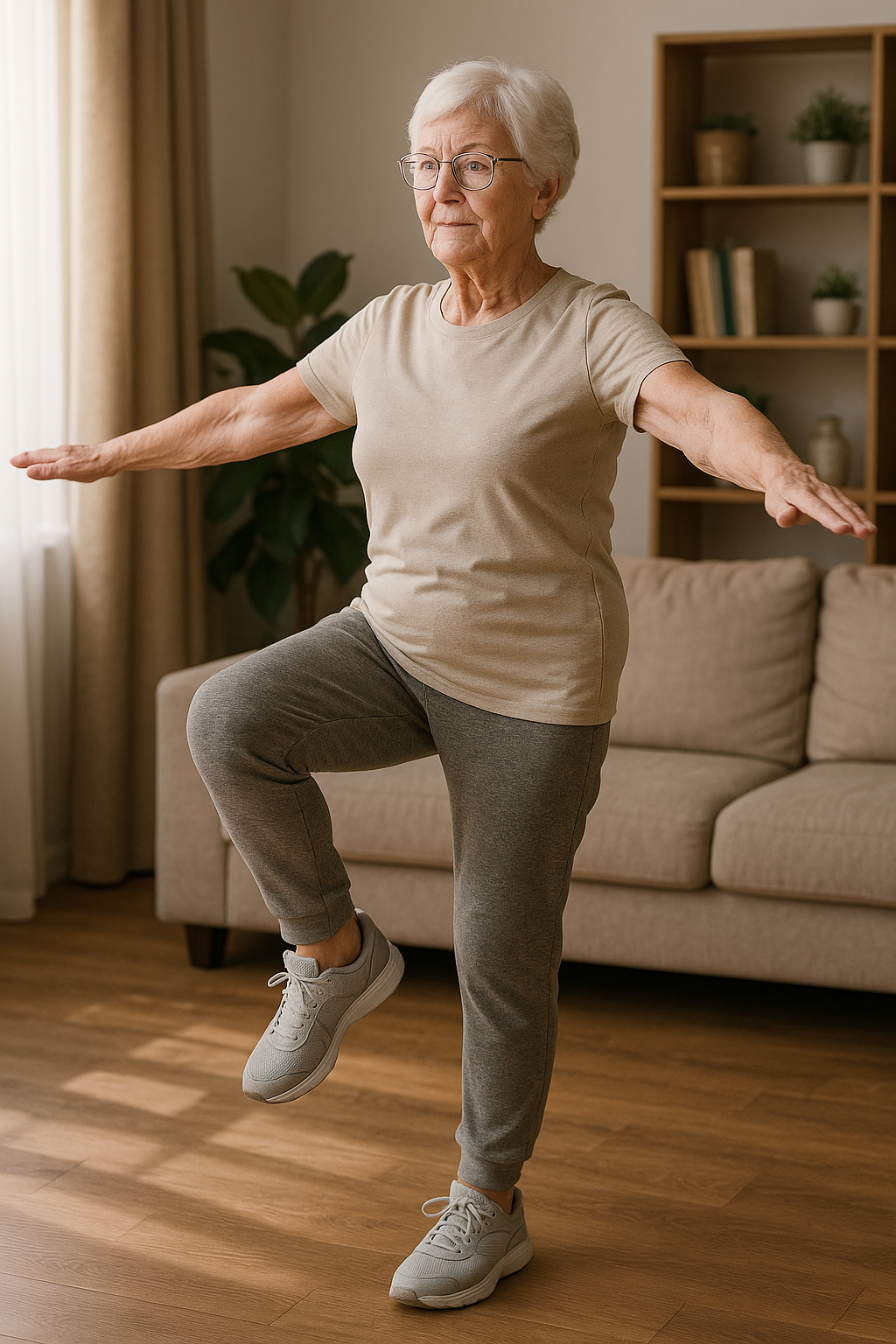
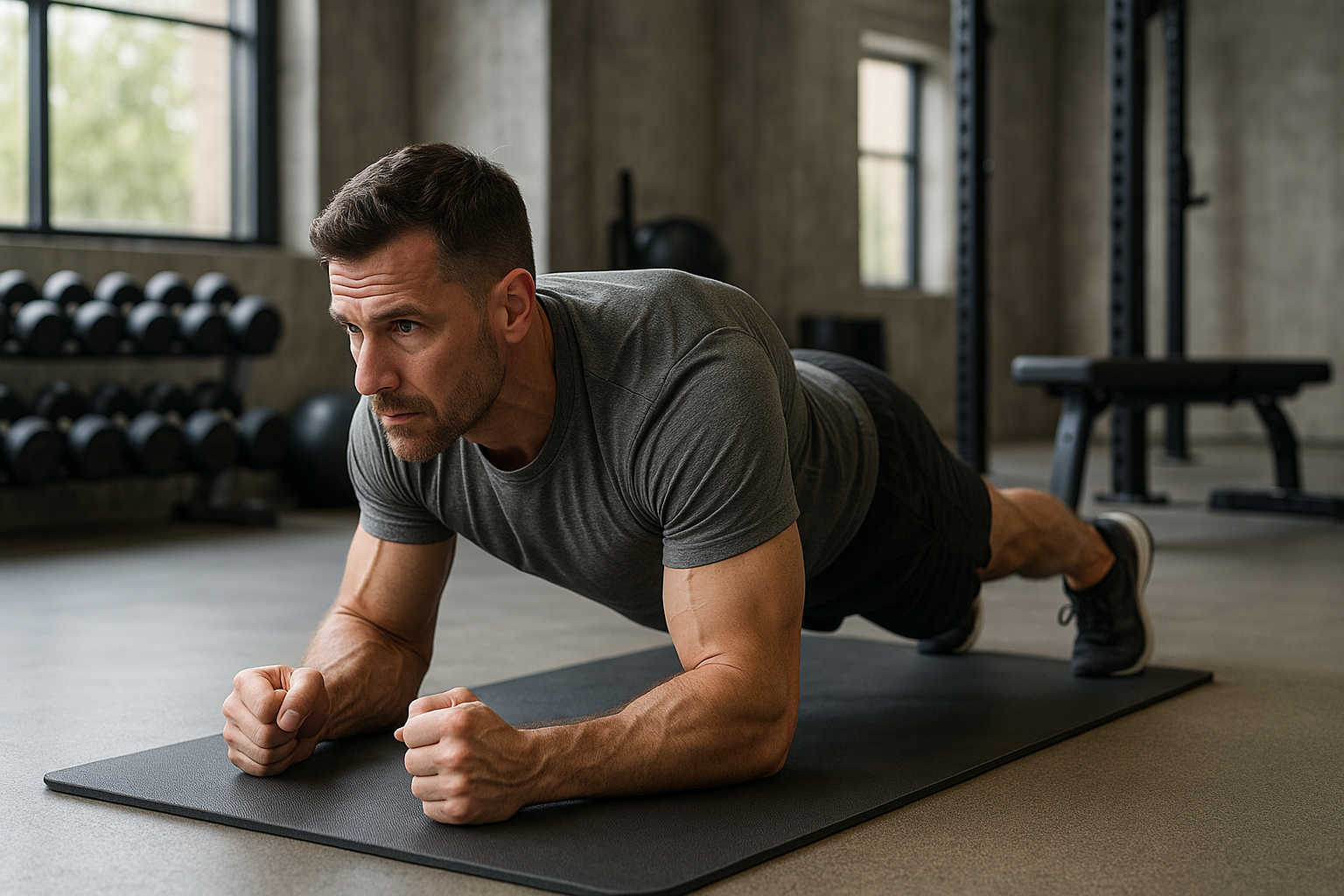
Fitness is more than just a path to a toned physique; it's a transformative force that enhances both body and mind. Embracing a fitness routine can lead to a profound improvement in overall health, wellbeing, and quality of life. While the aesthetic benefits of exercise are often highlighted, the true power of fitness lies in its ability to bolster physical health, sharpen mental acuity, and enhance emotional resilience.
Global recognition of fitness benefits
Health authorities worldwide, including the World Health Organization (WHO), the Centers for Disease Control and Prevention (CDC), and the National Health Service (NHS), consistently emphasize the far-reaching benefits of regular physical activity. These organizations recognize fitness as a critical component in the prevention of diseases such as cardiovascular ailments, diabetes, and certain cancers. Moreover, fitness plays an essential role in enhancing mental health by reducing symptoms of depression, anxiety, and stress.
Beyond these well-documented advantages, fitness also contributes significantly to ergonomics, posture, and pain relief. These aspects are often overlooked but are vital for maintaining a healthy, functional body. A strong, well-conditioned body supports better posture and reduces the risk of chronic pain, particularly in the back and neck, which are common issues in today's sedentary lifestyles.

Men's Posture Shirt™ - White
Patented NeuroBand™ technology supports muscle activation to improve posture and relieve pain.
Fitness as a comprehensive health behavior
At its core, fitness is a holistic health behavior that supports physical, mental, and ergonomic health. It is a lifestyle choice that offers benefits at every stage of life, from childhood through to older adulthood. By integrating regular exercise into daily routines, individuals can enjoy improved physical capabilities, enhanced mental clarity, and a greater sense of wellbeing.
In conclusion, embracing fitness is not merely about achieving a certain look; it's about enhancing your life in myriad ways. From preventing diseases and improving mental health to promoting better posture and reducing pain, the benefits of fitness are extensive and impactful. As we explore these benefits further, it becomes clear that fitness is a powerful tool for transforming both body and mind, leading to a healthier, more fulfilling life.
Physical health benefits of fitness
Engaging in regular physical activity is a cornerstone of disease prevention. According to data from the WHO and CDC, consistent exercise significantly reduces the risk of developing cardiovascular diseases, type 2 diabetes, and certain types of cancer. For instance, individuals who maintain a regular fitness routine can lower their risk of heart disease by up to 30% and type 2 diabetes by 50%. Below is a table summarizing the risk reduction percentages for various diseases through regular exercise.
| Disease | Risk Reduction (%) |
|---|---|
| Cardiovascular Disease | 30% |
| Type 2 Diabetes | 50% |
| Colon Cancer | 25% |
| Breast Cancer | 20% |
In addition to disease prevention, fitness plays a crucial role in enhancing musculoskeletal and bone health. Regular exercise strengthens bones, reducing the risk of fractures and conditions like osteoporosis. Strength training, in particular, is vital for maintaining joint health and preventing musculoskeletal disorders. By building muscle mass and improving bone density, fitness helps reduce pain and enhance overall physical functionality.
Mental health and cognitive benefits of fitness
Fitness is a powerful tool for boosting mental health. According to insights from the NHS and Harvard Health, exercise is effective in reducing symptoms of depression, anxiety, and stress. It also elevates mood and boosts self-esteem. Here are some immediate mental health benefits experienced after a single exercise session:
- Improved mood and increased feelings of happiness
- Reduced stress and anxiety levels
- Enhanced mental clarity and focus
Beyond mood enhancement, fitness also supports cognitive function. Regular physical activity is linked to improved cognitive abilities and a reduced risk of dementia. As we age, maintaining an active lifestyle can significantly enhance brain health, supporting better memory, attention, and problem-solving skills. Statistics indicate that individuals who exercise regularly have up to a 30% lower risk of developing dementia.
Ergonomic and postural benefits of fitness
Fitness has profound benefits for ergonomics and posture. Strengthening core muscles through regular exercise supports good posture by reducing spinal load and alleviating back and neck pain. Flexibility and balance exercises are essential for maintaining proper alignment and minimizing workplace strain.
Moreover, fitness enhances functional strength, which aids in everyday tasks and reduces the risk of injury. This is particularly beneficial in workplace settings where physical strain is common. By connecting fitness with ergonomic aids, individuals with mobility issues or chronic pain can improve their quality of life and maintain independence.

Women's Posture Shirt™ - Black
Enhances posture and relieves back/neck pain with patented muscle-activating bands.
In summary, the benefits of fitness extend beyond physical appearance, encompassing disease prevention, mental health enhancement, and improved ergonomics. By integrating regular exercise into daily routines, individuals can enjoy a healthier, more fulfilling life with reduced risk of chronic conditions and enhanced mental and physical wellbeing.
Quality of life and longevity through fitness
Fitness is not just about extending life span but enhancing the quality of life through a longer health span. Engaging in regular physical activity helps delay the onset of chronic conditions, promoting independence and vitality in older age. By integrating fitness into daily routines, individuals can maintain their physical and mental capabilities, ensuring a more active and fulfilling life.
Incorporating fitness into everyday activities doesn't have to be daunting. Simple changes, such as taking the stairs instead of the elevator or incorporating short walks into your routine, can lead to significant health improvements. Consistency is key, and even moderate levels of physical activity can yield substantial benefits over time.
Practical recommendations for starting a fitness routine
Starting a fitness routine can be simple and rewarding. Begin by setting realistic goals and gradually increasing the intensity and duration of your activities. Aim for at least 150 minutes of moderate-intensity exercise per week, as recommended by health authorities like the CDC. This can include activities such as brisk walking, cycling, or swimming.
For those with pain or mobility challenges, consider posture-friendly exercises and the use of ergonomic supports. These can help alleviate strain and make physical activity more accessible and enjoyable. Incorporating flexibility and balance exercises can further enhance posture and reduce the risk of injury.
Frequently asked questions
How does fitness specifically improve posture and reduce pain?
Fitness enhances core strength and flexibility, which are crucial for maintaining proper posture and reducing spinal stress. This alleviates back and neck pain, common in sedentary lifestyles.
What types of exercise are best for mental health benefits?
Aerobic exercises like walking, jogging, and cycling are particularly effective for boosting mood and reducing anxiety. Strength training also plays a role in improving mental resilience.
How can ergonomic aids complement a fitness routine?
Ergonomic aids support proper posture and alignment during exercise and daily activities, making it easier and safer for individuals with pain or poor posture to engage in physical activity.
Is there a minimum amount of exercise needed to see benefits?
According to the CDC, at least 150 minutes of moderate-intensity exercise per week is recommended to achieve significant health benefits.
Can fitness really impact my quality of life as I age?
Yes, regular physical activity is associated with a longer health span, helping maintain physical and mental capabilities, which is crucial for a high quality of life in older age.
Kilder
- Iform. ”7 stærke fordele ved fitness.”
- Facts.net. ”39 fakta om fitness.”
- Facts.net. ”25 fakta om træning.”
- FHI. ”Helseeffekter av fysisk aktivitet.”
- Loop Fitness. ”Hvorfor skal jeg træne?”
- NCBI. ”Physical activity and health.”
- Helsenorge. ”Hva fysisk aktivitet gjør med kroppen.”
- WHO. ”Fysisk aktivitet – håndbog om forebyggelse og behandling.”
- NTNU. ”CERG Publications.”
- Fitness Magasinet. ”Hvad gør fitness ved kroppen?”