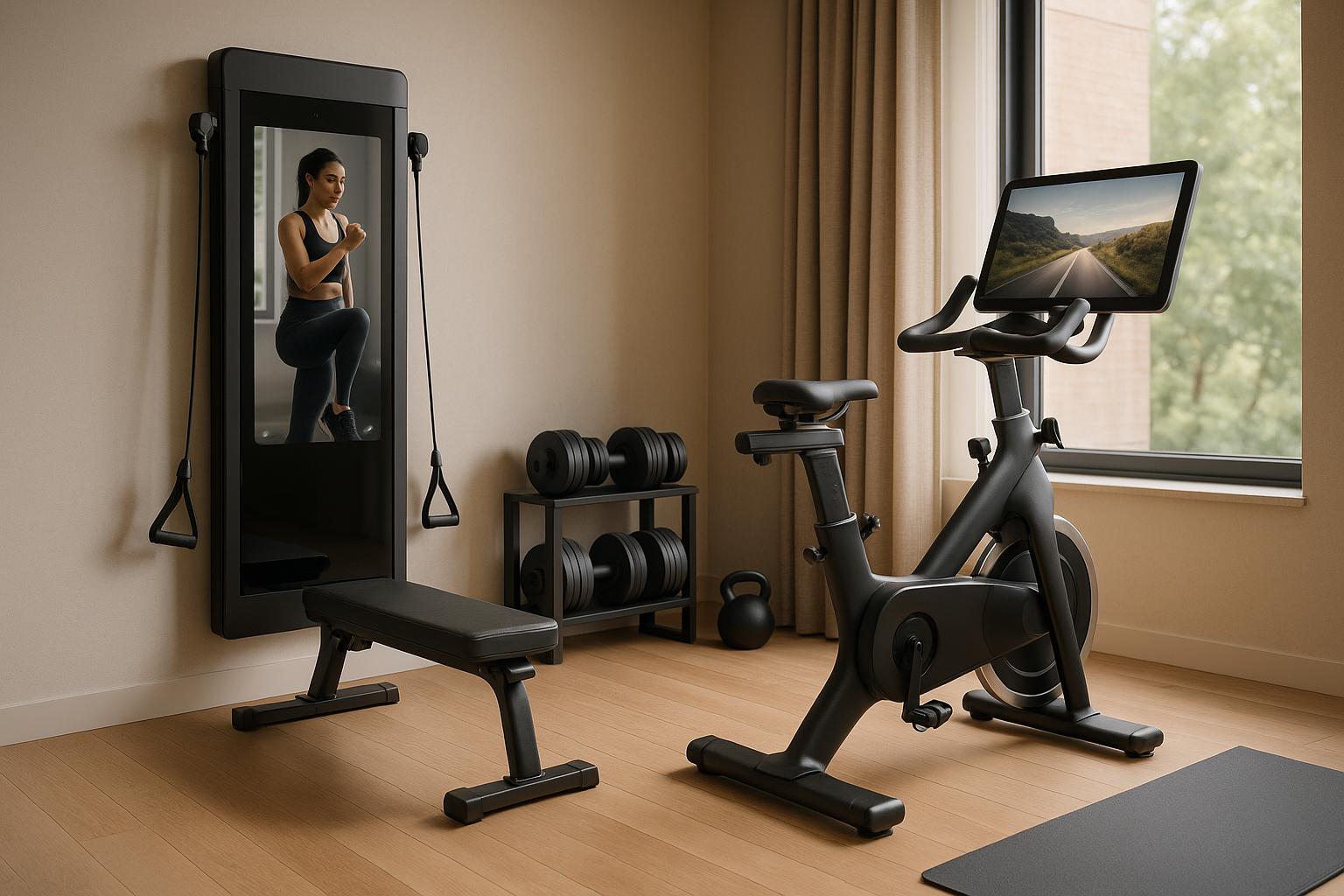
A home workout used to be the “backup plan” for days you couldn’t make it to the gym. Now it’s the main event. And it makes sense: training at home removes the commute, the queues for equipment, and the feeling that everyone’s watching. You get to move in your own space, on your own schedule, with the freedom to keep it simple or build a full routine over time.
For many people, the biggest barrier to consistency isn’t motivation—it’s logistics. Work runs late, family life is busy, and the idea of carving out an extra hour to travel to a gym can be enough to skip training altogether. Add gym anxiety to the mix (not knowing where to start, worrying about form, feeling out of place), and even a well-intended plan can stall before it becomes a habit.
That’s where a home workout shines. It meets you where you are: ten minutes between meetings, a quick session before dinner, or a longer strength day on the weekend. You can choose privacy, control the music, and take breaks without feeling rushed. Just as importantly, you can create an environment that supports your body—especially if you’ve ever finished a session with sore wrists, tight shoulders, or a lower back that feels “off”.

Men's Posture Shirt™ - Black
Helps activate muscles and relieve pain; supports posture for work, exercise & leisure.
Why home training feels easier to stick with
Consistency loves convenience. When your workout space is already there, the “start” becomes smaller: roll out a mat, clear a corner, begin. That small friction reduction is powerful, particularly for beginners or anyone returning after a long break. Home training can also feel more mentally spacious—less comparison, less pressure, more focus on how your body actually feels today.
Turn any room into a fitness haven
You don’t need a dedicated gym room to train well. A living room, bedroom, or hallway can work if it’s set up thoughtfully. The goal is to create a space that makes movement inviting and safe: enough room to hinge, squat, and reach overhead; a surface that feels stable; and a few go-to items stored where you’ll actually use them.
Ergonomics matters here. Small choices—like using a supportive mat, keeping your wrists neutral during floor work, or setting up resistance exercises at a comfortable height—can help reduce strain and make your routine feel better week after week. In the next sections, we’ll look at the most effective types of home workout routines, the equipment that’s worth considering (from none at all to more advanced options), and how to build a setup that supports both performance and posture.
Home workout trends: why training at home keeps growing
The shift toward home workout routines isn’t just a short-term phase—it reflects how people want fitness to fit into real life. Search interest shows the same pattern: people aren’t only looking for “home workout” in general, but also for specific solutions such as a home workout plan, workout at home abs, and best workout equipment at home. That tells us something important: many readers want a clear structure (a plan), visible results (abs/toning), and guidance on what to buy (equipment) without wasting money.
COVID-19 accelerated the move away from gym-only training, but the habits stuck because the benefits are practical. When you can train in 10–20 minutes, you’re more likely to do it consistently. And for anyone who experiences gym anxiety, home training offers a calmer starting point: you can learn movement patterns, build confidence, and progress privately—then decide later whether you even need a gym membership.
Types of home workout routines (from beginner to advanced)
The best home workout is the one you’ll repeat. Instead of chasing the “perfect” programme, pick a style that matches your schedule, your joints, and your goals—then make it slightly harder over time.
No-equipment workouts: simple, scalable, effective
No-equipment training is ideal for beginners because it removes barriers. A basic bodyweight session can cover all the essentials: squats (legs), hip hinges or glute bridges (posterior chain), press-ups (upper body), and planks (core). The key is progression. If an exercise feels too easy, you can increase reps, slow the tempo, add pauses, or choose a harder variation (for example, incline press-ups to floor press-ups). If it feels too hard, regress it (wall press-ups, box squats, shorter plank holds). This progressive approach is what makes bodyweight routines sustainable rather than random.
Quick and varied sessions: HIIT and abs when time is tight
If your biggest challenge is time, short sessions can be a game changer. A 10–15 minute circuit can raise your heart rate, train muscular endurance, and give you that “I did something today” momentum. Variety also helps adherence: alternating between HIIT-style intervals, core-focused days, and low-impact mobility sessions keeps training fresh without needing more equipment.
One practical tip: keep a “default” workout ready for busy days—something like 5 exercises, 30 seconds work, 30 seconds rest, repeated for 3 rounds. When decision fatigue hits, you’ll still move.
Science-backed plans: match training to your goal
For fat loss and overall health, consistency and total weekly activity matter more than extreme workouts. A balanced home workout plan typically combines strength training (to maintain or build muscle), moderate cardio (for heart health and energy), and recovery work (mobility, stretching, breathing). Nutrition supports the process too: prioritising protein, fibre-rich foods, and adequate hydration can make training feel easier and improve recovery. If you’re aiming for weight loss, a modest calorie deficit paired with strength-focused sessions is often more sustainable than daily all-out cardio.

Women's Posture Shirt™ - Black
Activates muscles, relieves pain, and supports posture for daily use and activity.
Home workout equipment: what’s worth it (and what’s optional)
You don’t need much to create a versatile home gym, but the right basics can expand your exercise options and improve comfort.
Essential equipment for a basic home gym
- Exercise mat: Improves comfort for floor work and helps define your training space.
- Resistance bands: Great for rows, glute work, shoulder stability, and assisted pull movements.
- Adjustable dumbbells or a small set of free weights: Useful for squats, presses, rows, and loaded carries.
- A stable step or bench: Enables step-ups, split squats, incline press-ups, and tricep work.
Advanced options for a more complete setup
If you’re ready to invest, higher-demand items like treadmills, exercise bikes, and multi-gyms can replicate a commercial gym experience at home. These are especially appealing if you want predictable cardio (walking indoors year-round) or a single machine that covers multiple strength movements. The trade-off is space and cost—so it’s worth choosing equipment you’ll genuinely use weekly, not just something that looks impressive.
Ergonomics: the overlooked factor that protects your body
Ergonomics can make the difference between a home workout that feels energising and one that leaves you achy. Prioritise a stable surface, enough clearance to move freely, and joint-friendly setups: keep wrists neutral during planks and press-ups, avoid rounding your lower back during hinges, and use support (like a bench or elevated hands) when needed. Small adjustments—such as choosing a supportive mat, using bands to guide posture, or setting equipment at the right height—help reduce strain and make it easier to train consistently.
Create a home workout environment that supports consistency
A successful home workout setup is less about having a “perfect” home gym and more about reducing friction. If it takes five minutes to move furniture, find a mat, and locate your bands, you are far less likely to start. Aim for a space that is ready in under 60 seconds: clear floor, simple storage, and a routine you can begin without overthinking.
Start by choosing one primary training zone. This can be a corner of the living room, a section of the bedroom, or even a hallway if it gives you enough length for lunges and carries. What matters most is that you can move safely: room to hinge at the hips, squat without hitting furniture, and reach overhead without a lamp or shelf in the way.
Space optimisation for small rooms
Small spaces can work extremely well for home training because they encourage simplicity. Use vertical storage (hooks for bands, a wall-mounted shelf for smaller items) and choose equipment that packs away quickly. A mat that rolls up, adjustable dumbbells, and a single sturdy step/bench can cover a lot of training without taking over the room.
For layout, think in “movement lanes.” Keep one lane open for floor work (planks, glute bridges, mobility) and one lane for standing work (squats, rows with bands, overhead presses). If you train near a sofa or sturdy chair, you can use it for split squats, incline press-ups, and supported balance work—useful if you are building confidence or managing joint sensitivity.
Ergonomics that make home workouts feel better
When people struggle with home training, it is often not the exercises—it is how their body feels afterwards. Prioritise joint-friendly positions: keep wrists stacked under shoulders in planks, use fists or push-up handles if wrist extension is uncomfortable, and elevate hands on a bench for press-ups if your shoulders feel pinchy. For lower back comfort, focus on controlled hinges (hips back, ribs down) and choose core work that supports neutral spine rather than forcing excessive flexion.
Lighting, temperature, and noise also matter more than most people expect. A brighter space can improve focus, a fan can make cardio sessions feel easier, and a simple playlist can become a cue that it is time to move.
Make home workout part of your daily routine
The easiest plan to follow is the one that fits your day. Instead of relying on long sessions, build “minimum effective workouts” you can do even when life is busy. Examples include a 10-minute strength circuit after your morning coffee, a brisk walk at lunch, or five minutes of mobility before bed. These micro-sessions add up and help you stay consistent without needing perfect conditions.
Try linking training to an existing habit: after brushing your teeth, do a short mobility flow; after work, do one round of your circuit before sitting down. If you have low-energy days, choose a lighter option (walking, stretching, Pilates-style core work) rather than skipping completely. Keeping the habit alive is often the real win.
Future trends shaping the home workout experience
Home fitness is moving toward flexibility and personalisation. Hybrid smart gyms and connected equipment are making guided training more accessible, while wearables and fitness apps help people track progress, manage intensity, and stay accountable. Expect more programmes built around short sessions, where a few focused minutes of strength or conditioning can fit between meetings or family commitments.
At the same time, lower-impact training is growing. Yoga and Pilates continue to rise in popularity because they improve strength, mobility, and body awareness with minimal equipment. For many people, the future home workout routine will look less like “all-out” training every day and more like a balanced week: strength, short cardio, and recovery-focused movement that supports posture and reduces aches.
Frequently Asked Questions
What are the benefits of home workouts compared to gym workouts?
A home workout saves time, removes commuting, and can feel more private and less intimidating. It also makes consistency easier because you can train in shorter sessions. Many people find they can focus more on form and comfort at home, especially when they set up a joint-friendly, ergonomic space.
How can I stay motivated to work out at home?
Make starting easy: keep your mat and key equipment accessible, follow a simple plan, and set a minimum session length (such as 10 minutes). Motivation often follows action, so reduce decision-making by having a default workout ready for busy days. Tracking small wins—reps, time, or weekly sessions—also helps maintain momentum.
What are some beginner-friendly home workout routines?
Beginner routines should focus on full-body basics: squats or sit-to-stands, glute bridges, incline press-ups, band rows, and short plank holds. Start with manageable sets and rest, then progress gradually by adding reps, slowing tempo, or choosing slightly harder variations as your confidence grows.
How do I choose the right equipment for my home gym?
Choose equipment based on your goals, space, and what you will realistically use weekly. A mat, resistance bands, and adjustable dumbbells cover most strength needs. If cardio is a priority, consider a treadmill or bike only if you have the space and you enjoy using it. Comfort and ergonomics matter: pick items that support good positioning and reduce strain.
Are there any online resources or apps that can guide my home workouts?
Yes. Many fitness apps offer structured plans, timers for intervals, and video guidance for technique. Wearables can also help you manage intensity and recovery. If you prefer simple structure, look for programmes that provide progressive routines and clear weekly schedules rather than random daily workouts.
Källor
- HardWorkout.no. (n.d.). ”4 feil folk gjør når det kommer til hjemmetrening.”
- Monolitten CrossFit. (n.d.). ”Hjemmetrening: Disse 4 øvelsene gir deg alt du trenger.”
- HardWorkout.no. (n.d.). ”Guide: Holder formen hjemme.”
- Amenajari.org. (n.d.). ”Basic Full-Body Workout You Can Do at Home.”
- Ung.no. (n.d.). ”Styrketrening du kan gjøre hjemme.”
- FlexiFit.no. (n.d.). ”Hjemmetrening.”