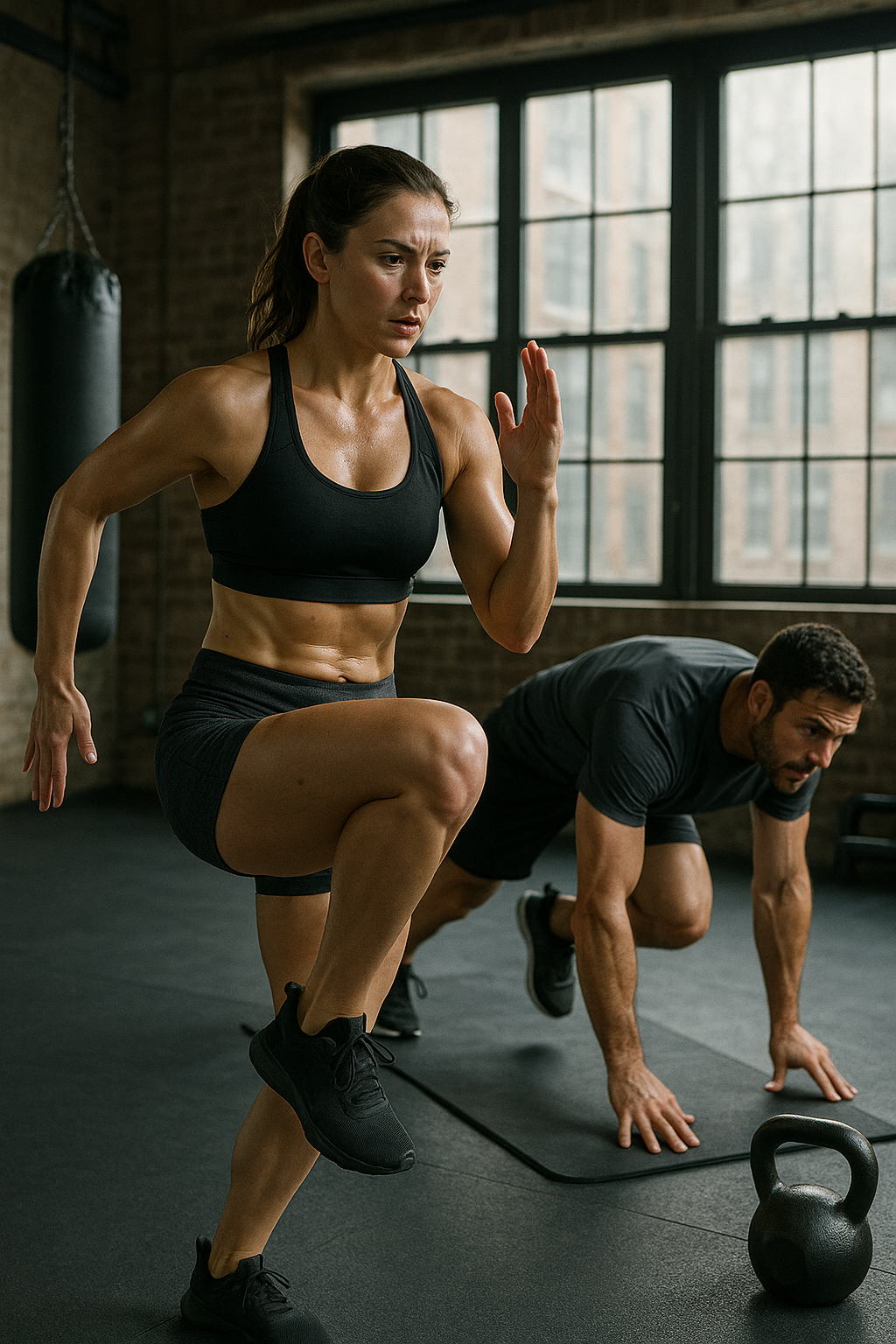
Pregnancy changes almost everything: how you move, how you sleep, and even how you think about your own body. It’s also a time when many people become more cautious about everyday habits—especially exercise during pregnancy. Questions tend to come fast: Is it safe to keep training? Could I overdo it without noticing? What if I wasn’t active before?
The reassuring news is that, for most uncomplicated pregnancies, staying active is not only safe—it’s strongly associated with better well-being for both mother and baby. The challenge is that pregnancy can make familiar workouts feel unfamiliar. Your balance shifts, joints may feel looser, breathing can change, and energy levels can be unpredictable. That’s why the goal isn’t to “push through,” but to move in a way that respects what your body is doing right now.
Why staying active can feel surprisingly good
When exercise is adapted to pregnancy, it often supports the things many expectant mothers want most: steadier mood, better sleep, and a body that feels more capable as it changes week by week. Regular movement can also help manage common discomforts like stiffness and aches, and it may make day-to-day tasks feel easier—walking, carrying groceries, getting up from the sofa, or simply finding a comfortable posture.
Just as importantly, exercise can be a practical way to stay connected to your body. Instead of focusing only on limitations, safe activity can build confidence: you learn what feels good, what needs modification, and how to recover well. For many, that sense of control is a real relief during a time filled with new sensations and advice from every direction.
Safety starts with evidence, not guesswork
Because exercise during pregnancy is such a high-stakes topic, the most helpful guidance comes from medical authorities and research-based recommendations—not trends. Clear, evidence-based frameworks can help you decide how often to move, how hard to work, and which activities are typically best tolerated as your pregnancy progresses.
In the rest of this post, we’ll walk through what leading clinical guidance says about safe intensity and weekly activity targets, why perceived exertion matters, and how different types of exercise can fit into real life. You’ll also get practical, body-friendly tips to make movement feel more comfortable—so you can enjoy the benefits without second-guessing every step.
What the science says about safe exercise during pregnancy
Most modern guidance agrees on a simple message: if your pregnancy is uncomplicated, regular physical activity is encouraged. One of the most widely used clinical benchmarks comes from the American College of Obstetricians and Gynecologists (ACOG), which recommends aiming for 150 minutes per week of moderate-intensity aerobic activity. That can be broken into manageable sessions—such as 20–30 minutes on most days—so it feels realistic even when energy levels vary.
Pregnancy changes heart rate response, temperature regulation, and perceived breathlessness, which is why many clinicians prefer tools that reflect how you actually feel rather than a strict heart-rate target. ACOG highlights the Borg Rating of Perceived Exertion (RPE) as a practical way to gauge intensity. In plain terms, moderate intensity often lands around RPE 13–14 (“somewhat hard”): you’re working, you might be breathing faster, but you can still speak in short sentences.
Clinical benefits that go beyond “staying fit”
The benefits of exercise during pregnancy aren’t just about maintaining routine—they show up in outcomes many people care about: comfort, function, and confidence in daily movement. Research on pregnancy-related low back pain and pelvic girdle pain suggests that structured, consistent exercise can be associated with meaningful reductions in pain and disability, especially when adherence is high and activity is performed at a moderate intensity. For someone dealing with aching hips, a tired lower back, or discomfort when walking and turning in bed, that matters.
Evidence also points to a dose-response relationship: in other words, how much and how consistently you move may influence outcomes. Analyses that look at exercise volume and intensity have found links between higher overall activity and favorable markers such as lower systolic blood pressure and longer gestation in certain at-risk groups. While individual results vary and medical guidance should always be personalized, the broader pattern supports a steady, moderate approach rather than occasional intense bursts.
Importantly, large reviews of randomized trials also suggest that prenatal exercise is associated with higher likelihood of normal vaginal delivery and lower likelihood of cesarean delivery, without negative effects on measures like Apgar scores. That’s one reason many clinicians frame exercise as part of overall birth preparation: not a guarantee, but a supportive habit that can improve readiness and resilience.
Types of exercise that are typically well tolerated
When choosing activities, the safest option is usually the one you can do consistently, with good form, and without symptoms that feel “off.” The goal is not to chase personal records, but to support circulation, strength, and mobility as your body adapts.
Aerobic exercise for stamina and mood
Moderate aerobic activity helps maintain cardiovascular fitness and can support energy, sleep quality, and stress regulation. Common options include:
- Brisk walking (easy to scale up or down depending on fatigue)
- Swimming or water aerobics (often comfortable when joints feel sensitive)
- Stationary cycling (stable, low-impact, and easy to control)
A useful check: you should feel warmed up and lightly challenged, not wiped out. If you finish a session feeling like recovery will take the rest of the day, the intensity or duration may be too high for that stage of pregnancy.
Resistance training for strength and support
Strength work can help maintain muscle endurance in the legs, hips, back, and upper body—areas that often work harder as posture and load change. Safe resistance training usually prioritizes controlled tempo, stable positions, and moderate loads. Examples include:
- Bodyweight squats (use a chair or wall for support if needed)
- Glute bridges (modify range of motion for comfort)
- Rows with bands or light weights to support upper-back posture
- Light dumbbell deadlifts with a shortened range and neutral spine
As pregnancy progresses, many people do best with fewer maximal efforts and more focus on form, breathing, and rest between sets.
Flexibility and mind-body practices
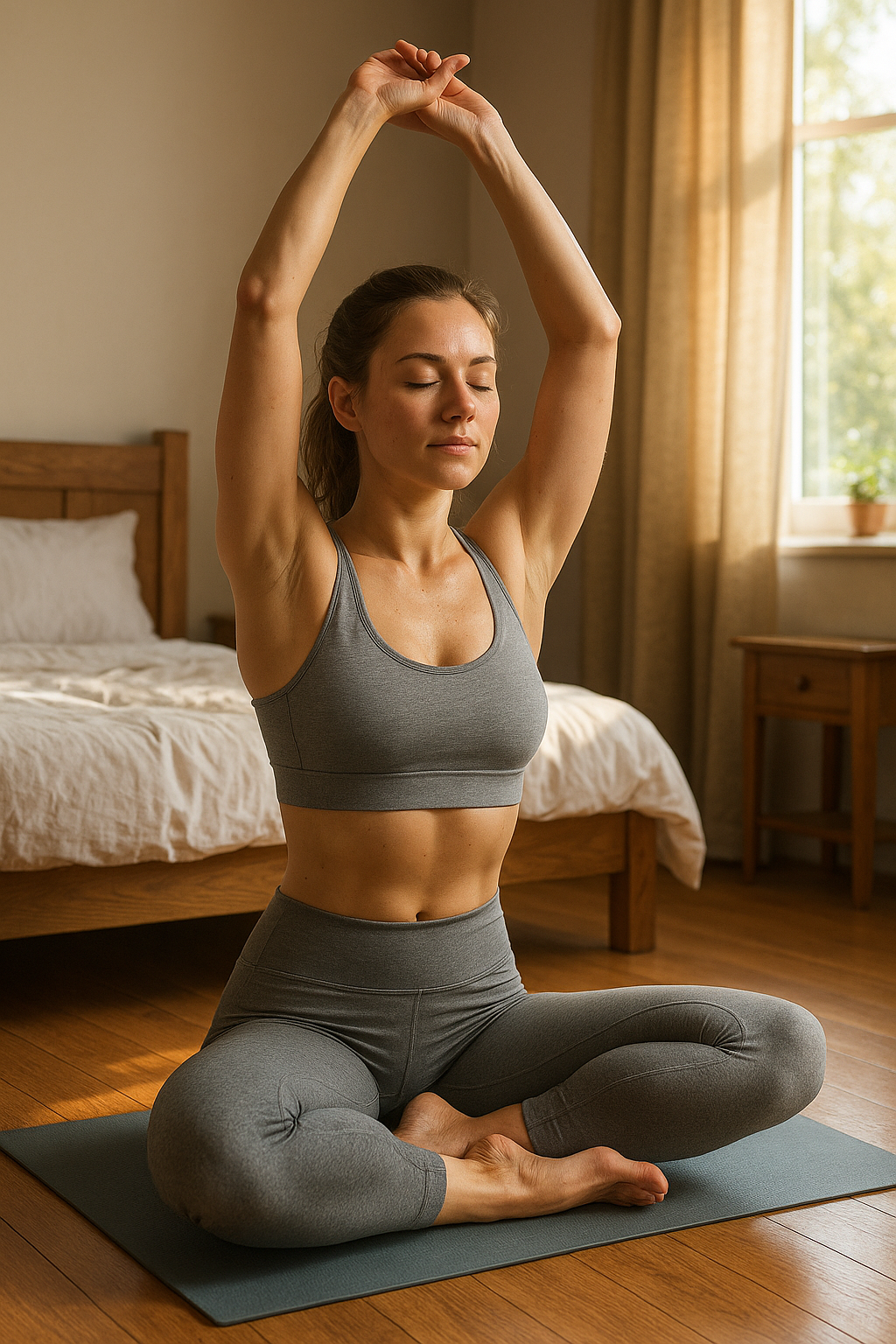
Prenatal yoga and Pilates-style training can support mobility, body awareness, and relaxation—especially helpful when stiffness, stress, or sleep disruption increases. One key modification: after about 20 weeks, many guidelines recommend avoiding prolonged supine (flat-on-your-back) positions, since this can reduce comfort and may affect circulation in some individuals. Side-lying, elevated, or standing alternatives can usually provide similar benefits.
Practical tips for safe exercise during pregnancy
Knowing the general guidelines is helpful, but day-to-day success with exercise during pregnancy often comes down to small choices: how you pace yourself, how you set up your body, and how you respond when something feels different than usual. A steady, moderate approach tends to be easier to maintain than “all-or-nothing” bursts of activity—especially as sleep, appetite, and energy fluctuate across trimesters.
Monitor intensity with simple cues
Use perceived exertion as your main guide. Moderate intensity typically feels like you are working, but still in control: breathing faster, warm, and able to speak in short sentences. If you cannot talk at all, feel shaky, or need a long recovery after a session, scale back duration or effort next time. Many people find it useful to plan workouts with “room to spare,” rather than aiming for exhaustion.
Adjust for the day you are having
Pregnancy is not linear. Some days, a brisk walk feels great; other days, the same pace feels too demanding. Give yourself permission to adjust without guilt. Practical options include shortening the session, adding more breaks, choosing a lower-impact activity (such as swimming or stationary cycling), or swapping strength work for mobility and breathing-focused movement. Consistency over time matters more than any single workout.
Warm up, cool down, and hydrate
A gradual warm-up helps your cardiovascular system adapt and can make movement feel smoother when joints are more sensitive. Cooling down supports recovery and can reduce post-exercise lightheadedness. Hydration is also central: drink before and after activity, and consider additional fluids in warm environments. If you notice overheating, nausea, or headache, stop and cool down.
Prioritise posture and stable positions
As your centre of gravity shifts, balance and alignment can change. Choose stable setups that support good form: hold onto a rail when stepping up, use a wall for balance during single-leg movements, and select machines or positions that feel secure. In strength training, focus on controlled tempo and a neutral spine rather than heavier loads. If an exercise encourages you to brace hard or hold your breath, reduce the load and exhale through the effort.
Ergonomic considerations for comfort and adherence
Comfort is not a luxury—it often determines whether you can stay active consistently. If you experience pelvic heaviness, lower-back fatigue, or discomfort during walking and standing exercise, supportive strategies may help. Some people benefit from a pregnancy support belt to reduce strain and improve stability during movement. Footwear with good cushioning and grip can also reduce impact and lower the risk of slips as balance changes.

Lumbar support belt
Provides adjustable support and relief for the lower back, ideal for pain or fatigue during activity or standing.
For desk-based days, consider how your daily posture affects training. If your back and hips feel stiff from sitting, a short mobility routine before exercise—gentle hip openers, thoracic rotations, and calf stretches—can make your workout feel easier and reduce compensations.

Women's Posture Shirt™ - Black
Supports posture and relieves pain or tension for everyday and active use, with Neuroband™ technology.
Check in with your healthcare provider
If you are starting a new routine, returning after a break, or have pregnancy-related symptoms that concern you, consult your healthcare provider. This is especially important if you have medical conditions, pain that worsens with activity, or a history that requires closer monitoring. The goal is not to avoid movement, but to tailor it so it remains safe and sustainable.
Frequently Asked Questions
Is it safe to start exercising if I haven’t been active before pregnancy?
Yes, for many people it is safe to begin exercise during pregnancy, but it should be gradual. Start with low-impact activities such as walking, swimming, or gentle strength work, and increase time and intensity slowly. A healthcare provider can help you choose an appropriate starting point based on your health history and pregnancy status.
Can exercise during pregnancy harm my baby?
For uncomplicated pregnancies, exercise during pregnancy performed within recommended guidelines is considered safe and is associated with benefits for maternal health and pregnancy outcomes. The key is to stay within moderate intensity, avoid activities with high fall or collision risk, and modify positions and loads as pregnancy progresses.
What are the signs that I should stop exercising?
Stop exercising and contact a healthcare provider if you experience dizziness, chest pain, shortness of breath that feels unusual, faintness, vaginal bleeding, fluid leakage, painful contractions, or any sudden or concerning symptoms. If something feels clearly “off,” it is worth getting checked.
How can I stay motivated to exercise during pregnancy?
Set realistic goals that fit your current energy level, such as short sessions several times per week. Many people stay consistent by choosing activities they genuinely enjoy, tracking how movement improves mood or sleep, and joining prenatal classes for structure and social support. Focusing on comfort—through good pacing, stable exercise choices, and supportive ergonomics—can also make it easier to keep going.
Kilder
- UC Davis Health. (2025). "Is exercise safe during pregnancy? Experts share which activities to do and which you should avoid."
- Mayo Clinic Health System. (n.d.). "Exercise during pregnancy."
- American College of Obstetricians and Gynecologists (ACOG). (n.d.). "Exercise during pregnancy."
- Stanford Medicine. (2019). "How much exercise is safe during pregnancy?"
- Johns Hopkins Medicine. (n.d.). "Exercise during pregnancy."
- American College of Obstetricians and Gynecologists (ACOG). (2020). "Physical activity and exercise during pregnancy and the postpartum period."
- Hospital for Special Surgery. (n.d.). "Pregnancy exercise myths."
- Centers for Disease Control and Prevention. (n.d.). "Physical activity for pregnant and postpartum women."
- Mayo Clinic. (n.d.). "Pregnancy exercises."
- American Pregnancy Association. (n.d.). "Exercise during pregnancy benefits."
- Cleveland Clinic. (n.d.). "Pregnancy-safe workouts."
- Cedars-Sinai. (n.d.). "Exercise during pregnancy."
- National Health Service (NHS). (n.d.). "Exercise in pregnancy."