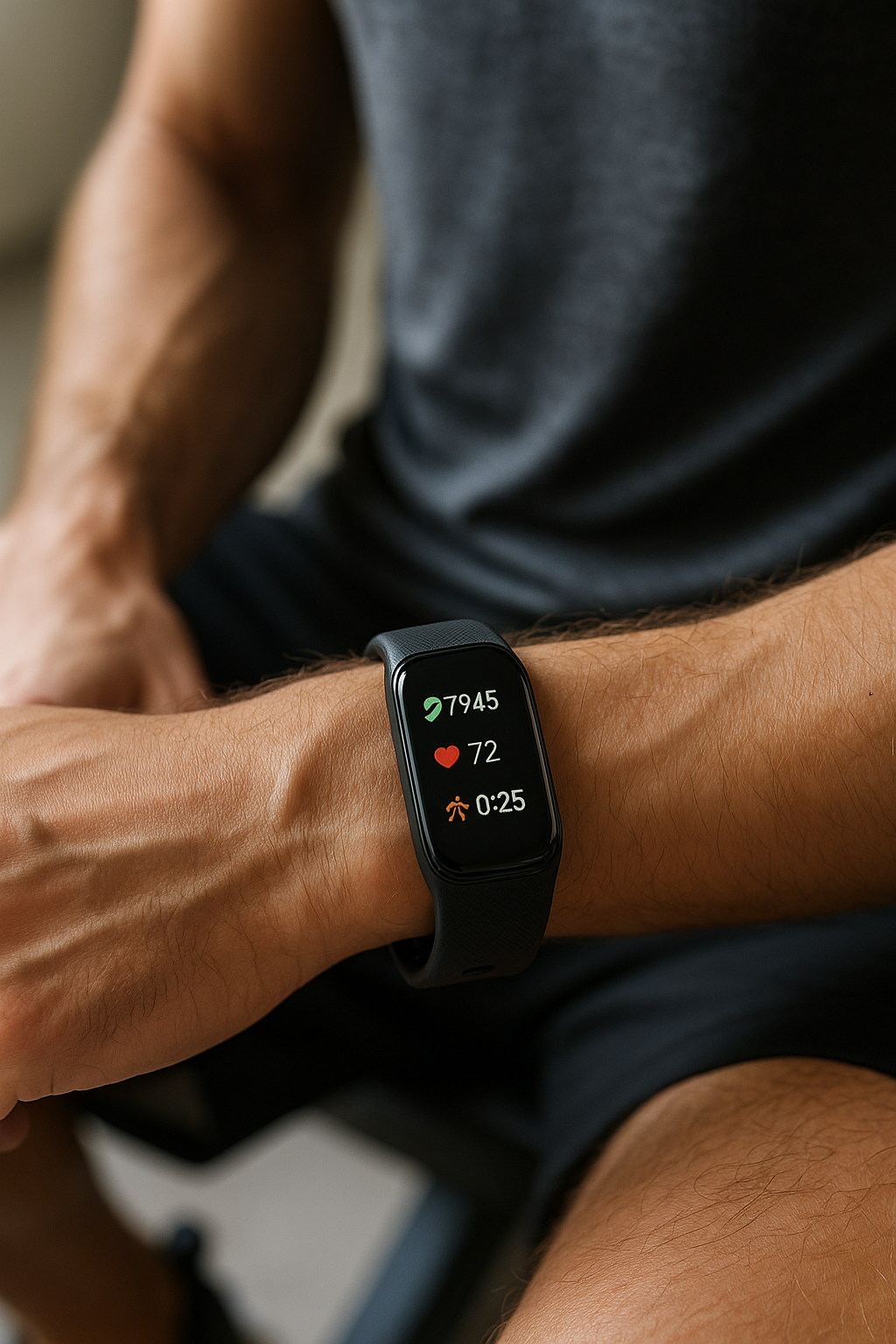
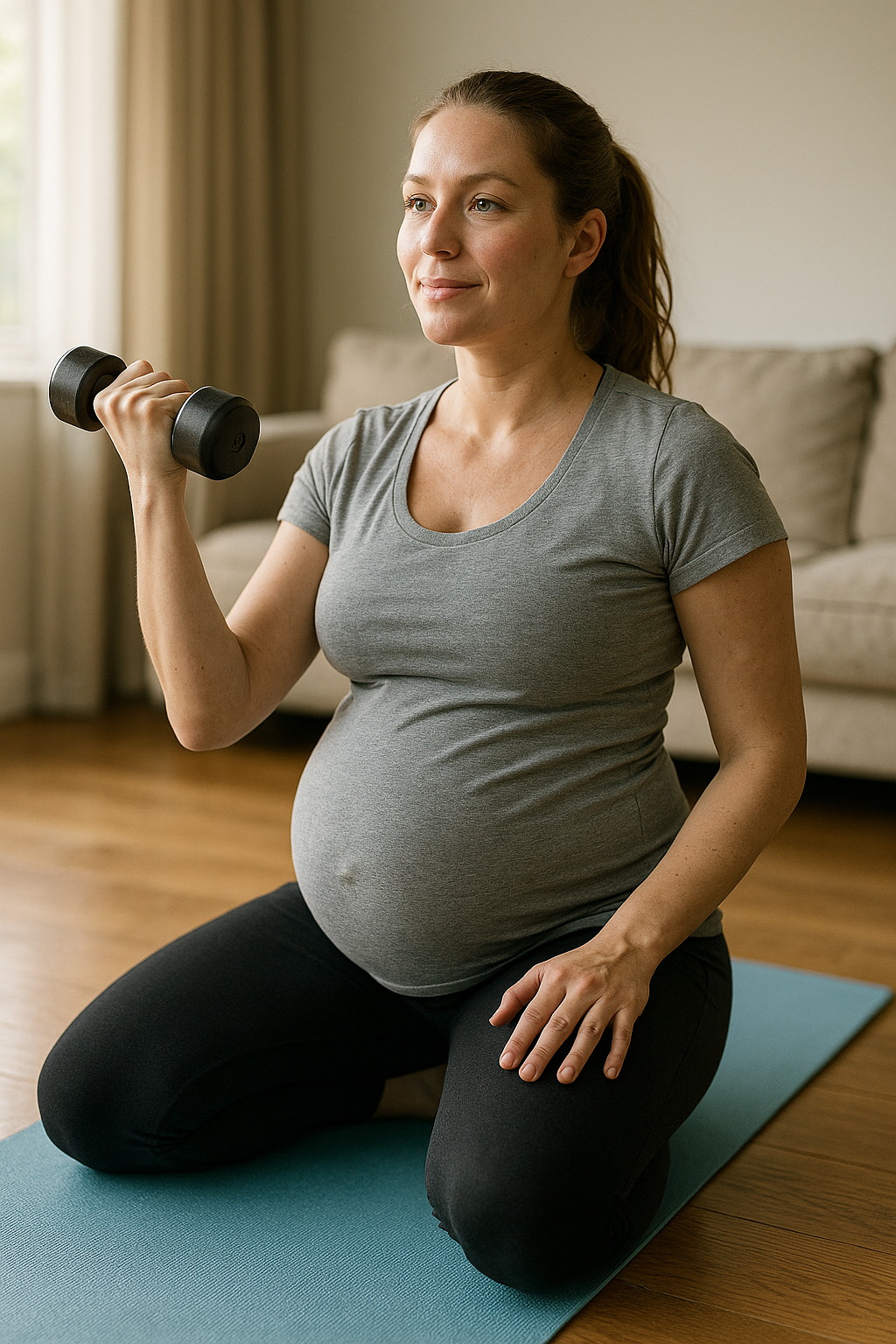
HIIT has become one of those fitness terms you see everywhere—on class schedules, in training apps, and in quick “do this in 20 minutes” workout plans. But what is HIIT training, really? In simple terms, HIIT (high-intensity interval training) is a way of exercising where you alternate short, hard efforts with brief recovery periods. You push the pace for a set time, ease off to catch your breath, and repeat. The result is a workout that feels focused, challenging, and—when done well—surprisingly efficient.
Although HIIT can feel like a modern trend, the idea of structured intervals isn’t new. Variations of interval-based training were used as far back as the 1950s to help elite athletes, including Olympic-level competitors, build speed and conditioning. Over time, the concept moved from track sessions and performance programs into mainstream gyms, home workouts, and group fitness. Today, HIIT continues to rank among the most popular fitness trends year after year, largely because it fits into busy schedules without requiring hours of training.
What makes HIIT so appealing?
The biggest draw is time efficiency. Because the intense intervals raise your heart rate quickly, many people use HIIT to improve cardiovascular fitness and overall conditioning in less time than traditional steady-state cardio. It’s also commonly chosen by those who want to work on metabolic health and body composition, since the combination of high effort and planned recovery can be a powerful stimulus for the body.
Another reason HIIT is so widely used is flexibility. A HIIT session can be built around cycling, running, rowing, or bodyweight movements like squats and mountain climbers. Intervals can be short or slightly longer, and recovery can be active (moving at an easy pace) or complete rest—depending on your goal and experience.
HIIT can be adapted to your level
HIIT isn’t reserved for advanced athletes. Beginners can start with lower-impact exercises, longer recovery periods, and fewer rounds, then progress gradually as fitness improves. The key is matching intensity to your current capacity while keeping technique clean—especially when fatigue builds. If you’re doing fast-paced movements, small form breakdowns can add up, which is why many people benefit from ergonomic support (for example, joint supports or stability aids) to help maintain alignment and reduce unnecessary strain.

Women's Posture Shirt™ - Black
Improves posture, may relieve pain, activates and stimulates muscles for daily support.
Next, we’ll look more closely at how HIIT is defined in practice, how it differs from similar methods, and what the research says about its effects.
The science behind what is HIIT training
To understand what is HIIT training beyond the basic “work hard, rest, repeat” idea, it helps to look at how intensity is defined in exercise science. Most HIIT sessions are performed at a high effort level that typically lands around 80–100% of your maximum heart rate during the work intervals. That range is high enough to challenge both the heart and muscles, but it’s still different from true all-out sprinting.
Researchers often separate HIIT from a closely related method called sprint interval training (SIT). SIT uses near-maximal to maximal efforts—think “as hard as you can possibly go”—and can even be described as supramaximal when measured against what you could sustain aerobically. In practice, that means SIT intervals are usually shorter, feel more explosive, and can place greater demands on technique and recovery. For many people, classic HIIT is the more approachable option because the intensity is very high, but not necessarily an all-out sprint every round.
Common HIIT protocols (and what they look like)
HIIT isn’t one single workout; it’s a structure you can apply to many exercises. A standard format is short, intense bursts followed by medium-intensity recovery. One widely used example is 10 rounds of 20 seconds hard effort with recovery intervals performed at roughly half the intensity of the work period. This “hard/easy” contrast is what makes interval training effective: you accumulate meaningful time at a high heart rate without having to sustain it continuously.
Other protocols use longer work intervals (for example, 3–5 minutes at a hard but controlled pace) with longer recoveries. These longer intervals are often used when the goal is improving aerobic capacity and VO2max, because they allow you to spend more time near your upper sustainable limit. Shorter intervals can feel more accessible psychologically and are easy to build into home workouts, but they can also encourage people to rush movements—one reason form and joint alignment matter so much.
What research says about HIIT benefits
One reason HIIT became so popular is that studies have repeatedly shown strong fitness improvements with a relatively small time commitment. A landmark study in 2006 (often discussed in relation to SIT) found that participants achieved similar fitness-related adaptations with substantially less total training time compared with traditional endurance-style training. The takeaway isn’t that longer workouts are “bad,” but that well-designed intervals can be a very efficient stimulus.
Broader research summaries and meta-analyses also show that HIIT can meaningfully improve cardiorespiratory fitness, commonly measured as VO2max. Across diverse populations, HIIT tends to outperform or match moderate-intensity continuous training (MICT) for VO2max gains, while requiring less total time. Research also links interval training to improvements in metabolic health markers such as insulin sensitivity, as well as positive changes in body composition. More recent comparative analyses indicate that both HIIT and SIT can improve cardiorespiratory fitness and reduce body fat, with outcomes influenced by factors like baseline fitness level and how the protocol is programmed.
HIIT vs. circuit training vs. steady-state cardio
Many workouts get labelled “HIIT” when they’re actually something else. Circuit training often involves moving through exercises with limited rest, but the intensity may be moderate and the goal may be muscular endurance rather than reaching high heart-rate zones. Steady-state cardio (like a continuous jog or bike ride) is typically performed at a consistent, moderate intensity for a longer duration. Each approach can be useful—the best choice depends on your goal, schedule, and how well your body tolerates higher intensities.
| Training style | Advantages | Disadvantages |
|---|---|---|
| HIIT | Time-efficient; strong VO2max stimulus; adaptable to many exercises | Higher fatigue and technique breakdown risk; requires smart recovery |
| Circuit training | Good full-body conditioning; easy to scale; often strength + cardio combined | May not reach true HIIT intensity; can become “rushed reps” if poorly structured |
| Steady-state cardio (MICT) | Lower impact for many people; easier to sustain; supports aerobic base | More time required; may feel repetitive; smaller peak-intensity stimulus |
Intensity zones and ergonomic considerations
HIIT works best when intensity is intentional. If the “hard” intervals are too easy, you drift into moderate training. If they’re too hard, form can collapse—especially in movements like jump squats, burpees, kettlebell swings, or fast treadmill running. That’s where ergonomic considerations become practical, not optional: stable joints and consistent alignment help you keep output high without compensating through the lower back, knees, or ankles.
Ergonomic aids can be useful for maintaining technique under fatigue. For example, supportive knee or ankle sleeves can improve proprioceptive feedback during fast direction changes, and wrist supports can help when workouts include planks, mountain climbers, or push-up variations. The goal isn’t to “outsource” strength to a product, but to reduce unnecessary strain so you can train consistently—because consistency is what ultimately turns HIIT into measurable progress.
Who benefits most from what is HIIT training?
Because HIIT is a training structure rather than a single workout, it can be tailored to different bodies, goals, and life stages. That flexibility is one of the reasons people keep searching for what is HIIT training and whether it fits their needs. The most important point is that “high intensity” should be relative to you—your current fitness, your injury history, and how well you recover.
HIIT for women over 40: performance without unnecessary strain
For many women over 40, the appeal of HIIT is that it can deliver a strong cardiovascular and metabolic stimulus without long training sessions. Short, structured intervals can be easier to fit into a busy week, and they can be combined with strength-focused movements to support muscle maintenance.
However, the margin for error can feel smaller when recovery is limited or when joints are more sensitive to impact. Low-impact HIIT options—such as cycling intervals, incline walking intervals, rowing, or step-ups instead of jumps—can keep intensity high while reducing repetitive pounding. Ergonomic aids may also help make sessions more comfortable and consistent: for example, knee or ankle supports can provide proprioceptive feedback during fast transitions, and wrist supports can reduce discomfort during plank-based intervals or push-up variations.
Beginners and returners: build intensity, protect technique
If you are new to structured intervals (or returning after a break), the safest path is to scale the variables that drive fatigue: interval length, total rounds, and exercise complexity. A beginner-friendly HIIT session might use fewer rounds and longer recovery, while choosing movements that are easy to control under fatigue (for example, squats to a box, marching mountain climbers, or bike sprints rather than burpees).
Ergonomics matter most when the pace rises. When breathing is heavy, it is common to lose alignment through the knees, hips, and lower back. Using supportive gear is not a substitute for strength, but it can help you keep positions cleaner while you build capacity. The practical goal is consistency: fewer “setbacks” from sore joints or irritated wrists often means more weeks of uninterrupted training.

Men's Posture Shirt™ - Black
Promotes better posture, relieves pain, and activates muscles to support daily activities.
Recovery and long-term sustainability
HIIT is effective partly because it is demanding. That is why recovery is not optional—it is the mechanism that allows adaptation. Most people do best with HIIT two to three times per week, with easier training or rest days in between. If you stack intense sessions too closely, performance drops, technique quality declines, and the risk of overuse issues increases.
Quality recovery is also about what happens outside the workout. Sleep, hydration, and enough protein and overall energy intake support muscle repair. On the training side, active recovery (easy walking, cycling, or mobility work) can help you stay moving without adding more stress. Ergonomic recovery tools may be useful here as well: compression supports can feel helpful after demanding lower-body sessions, and massage aids can be used to reduce the sensation of tightness in commonly loaded areas like calves, quads, and upper back. The aim is not to “hack” recovery, but to make it easier to return to the next session feeling ready rather than worn down.
Frequently Asked Questions
What is the main difference between HIIT and SIT?
HIIT uses high-intensity intervals that are typically hard but not fully maximal, often aligning with about 80–100% of maximum heart rate. SIT is closer to near-maximal or all-out sprint efforts (sometimes described as supramaximal), usually performed for shorter bursts and with greater recovery demands. Both can improve fitness, but SIT tends to feel more explosive and can be harder to sustain safely for beginners.
How does HIIT improve metabolic health?
HIIT can improve metabolic health by increasing aerobic capacity and supporting adaptations in the muscles that help the body use energy more efficiently. Research commonly links interval training to improvements in insulin sensitivity, mitochondrial function, and body composition when paired with appropriate nutrition and recovery.
Can beginners safely start HIIT training?
Yes. Beginners can start with lower-impact exercises, longer recovery periods, and fewer total rounds. The key is to keep technique controlled and progress gradually. Ergonomic aids such as wrist, knee, or ankle supports can help some people maintain alignment and comfort while they develop strength and coordination.
What are the common injuries associated with HIIT, and how can they be prevented?
Common issues include muscle strains, tendon irritation, and overuse discomfort in areas like knees, ankles, and wrists—often driven by rushed technique, too much volume, or insufficient recovery. Prevention focuses on smart programming (2–3 sessions per week), proper warm-ups, exercise selection that matches your ability, and maintaining form under fatigue. Supportive gear can be useful when it improves stability or reduces joint stress during high-repetition movements.
How often should you do HIIT workouts?
For most people, two to three HIIT sessions per week is a sustainable starting point, with rest or lower-intensity training between sessions. This frequency helps you maintain high-quality effort during intervals while giving your body time to recover and adapt.
Are there specific HIIT routines for older adults or individuals with joint concerns?
Yes. Low-impact HIIT can be built around cycling, rowing, swimming, incline walking, or controlled strength movements with timed intervals. Reducing jumping, limiting fast direction changes, and extending recovery periods can make HIIT more joint-friendly. Ergonomic aids may provide additional comfort and proprioceptive support, especially when returning to training after time off or managing sensitive joints.
Källor
- Wikipedia. ”High-intensity interval training.”
- NASM. ”HIIT Workout Plan.”
- Harvard T.H. Chan School of Public Health. ”High-intensity Interval Training.”
- OneLife Fitness. ”Ultimate Guide to High-Intensity Interval Training.”
- Cleveland Clinic. ”Think You Can’t Do High-Intensity Interval Training? Think Again.”
- PubMed Central. ”Article on HIIT.”
- Healthline. ”Benefits of HIIT.”
- Jazzercise. ”What You Don’t Know About HIIT and How It Will Change Your Fitness Routine.”
- WebMD. ”High-Intensity Interval Training (HIIT).”
- Under Armour. ”Benefits of HIIT Workouts.”
- PureGym. ”Benefits of HIIT Training and Workouts.”
- Adidas. ”What is a HIIT Workout and Why Do It?”