There’s something quietly liberating about rolling out a mat at home and pressing play. With yoga online, your practice can fit into real life—between meetings, after school runs, or as a gentle reset before bed—without travel time, packed schedules, or the pressure of a crowded studio. In a post-pandemic world where many of us have rebuilt routines around home, virtual classes have become a natural way to keep movement consistent, calming, and accessible.
Yoga online simply means practicing with digital guidance. That might be a live-streamed class where you follow along in real time, a pre-recorded session you can repeat whenever you like, or an app that helps you choose a flow based on time, level, or focus area. The big advantage is flexibility: you can do a 10-minute mobility flow on a busy day, or settle into a longer session when you have space to breathe. And because the internet removes geographic limits, you can explore different teaching styles and approaches from instructors around the world—without leaving your living room.
Why yoga online fits modern life
For many people, the hardest part of building a wellness habit isn’t motivation—it’s logistics. Online yoga reduces friction. No commute. No need to match your schedule to a studio timetable. If you work from home, travel often, or simply prefer privacy while you learn, practicing digitally can make it easier to show up regularly.
It also opens the door to variety. One day you might want a slow stretch for tight hips after sitting at a desk; another day you might want a stronger flow that builds heat and focus. With yoga online, it’s easier to match the session to what your body actually needs that day.
The rapid rise of virtual yoga
The global yoga market has been valued in the tens of billions of dollars, and the shift toward digital fitness has only accelerated that growth. As more people turn to online platforms for training, recovery, and stress management, virtual yoga has moved from “backup option” to a first-choice routine.
What’s driving it is simple: convenience, choice, and consistency. When your practice is only a few clicks away, it becomes easier to protect time for movement—at home, at your own pace, in a way that supports both strength and calm.
Advantages of practicing yoga online
One of the biggest reasons people stick with yoga online is that it removes the “extra steps” that often derail good intentions. Instead of planning around travel time, parking, and class start times, you can practice when your body and calendar actually allow it. That might mean a short morning flow before the day begins, a mid-afternoon mobility break between tasks, or a calming sequence to unwind in the evening.
Accessibility is another major advantage. Digital platforms typically offer multiple styles—such as gentle yoga, vinyasa, yin, restorative, and breath-focused sessions—along with clear level options. Beginners can choose slower classes with detailed cues and modifications, while experienced practitioners can find stronger flows, longer holds, or targeted work for areas like hips, shoulders, and spine. This variety makes it easier to build a routine that supports real-life needs, especially if you spend long hours sitting or dealing with stiffness from repetitive movement.

Women's Posture Shirt™ - Black
Improves posture, may relieve pain/tension, and is designed for work, exercise & leisure.
Cost and value: what you get for less
Practicing at home can also be more cost-effective than attending in-person sessions. Many studios price single classes at a premium, and even memberships can add up quickly if you’re only able to attend occasionally. Online subscriptions often provide a large library for a similar monthly cost, which can make each session feel more “worth it” when you practice regularly.
If you’re exploring yoga online for the first time, there are also plenty of low-commitment ways to start. Free classes on YouTube can help you test different teaching styles, and many apps offer trials so you can explore their structure, difficulty levels, and time-based filters before paying. The best value isn’t always the cheapest option—it’s the one you’ll actually use consistently because it fits your schedule and feels approachable.
Apps and platforms: how technology shapes your practice
The experience of yoga online depends heavily on the platform you choose. Some services focus on a studio-like feel with curated programs and high production quality, while others prioritise flexibility and quick customisation. Apps such as Glo (formerly YogaGlo) are known for broad class libraries and structured series, helping you follow a plan rather than randomly selecting sessions. Down Dog takes a different approach by generating classes based on your preferences—time, level, pace, and focus area—so you can create a session that matches how you feel that day.
Technology is also moving beyond simple video. Some platforms are experimenting with AI-based recommendations that suggest sessions based on your history, goals, and available time. Virtual reality is still a niche option, but it points to where digital wellness is heading: more immersive environments and more personalised guidance. Even without advanced tools, small tech choices matter—clear audio cues, multiple camera angles, and the ability to filter by duration can make home practice feel far more supportive and safe.
Online presence and SEO: how people find virtual yoga
Because so many people discover classes through search, online visibility has become part of the yoga ecosystem. When someone types yoga online into Google, they’re often looking for a class they can start right away, a teacher they can trust, or a platform that fits their level. That’s why many instructors and studios invest in SEO: it helps them appear in relevant searches and reach students beyond their local area.
Practical SEO strategies often start with matching real search behaviour. Clear page titles, descriptive class pages, and helpful blog content can support visibility for both broad searches and long-tail queries (for example, online yoga for beginners or online yoga for back stiffness). Local SEO can still matter even for virtual offerings, since many people search with location intent on mobile. Keeping business details consistent and making it easy to understand what’s offered online can help potential students choose confidently.
Common challenges and simple solutions
Yoga online isn’t without friction. Technical issues are the most common: unstable internet, lag during live sessions, or a screen that’s too small to follow alignment cues. A few adjustments can help. If your platform allows it, download classes for offline use. Use a larger screen when possible, and position it so you can see the teacher without straining your neck. Headphones can improve audio clarity, especially for breathwork and slower classes.
Another challenge is motivation. At home, it’s easy to postpone practice because no one is expecting you. Small structure helps: set a realistic weekly goal, schedule sessions like appointments, and keep your mat visible as a reminder. Live-streamed classes can add accountability and real-time connection, while online communities can provide encouragement and a sense of shared progress. Over time, the most sustainable approach is to treat yoga as a supportive habit rather than a performance—showing up for 10 minutes still counts, and consistency matters more than intensity.
Getting started with yoga online at home
Starting yoga online is easiest when you remove as many barriers as possible. Pick a time of day you can realistically repeat—before breakfast, during a lunch break, or as a wind-down in the evening—and begin with short sessions. Ten to twenty minutes is enough to build consistency without feeling like a major commitment. As your routine becomes familiar, you can gradually add longer classes or more challenging styles.
It also helps to set a simple intention for the first few weeks. Instead of aiming for big transformations, focus on outcomes you can feel quickly, such as less stiffness in the hips, a calmer nervous system, or improved posture after long hours at a desk. Yoga online works best when it supports your real life, not when it competes with it.
Create a home yoga space that supports your body
You do not need a dedicated studio room to practice well, but you do need a space that feels safe and practical. Choose a flat area where you can extend your arms and legs without hitting furniture. If possible, practice near a wall; it can be useful for balance, stability, and gentle alignment support in poses like standing forward folds or supported stretches.
Keep your setup simple: a non-slip yoga mat, comfortable clothing, and enough room to move. Optional props can make yoga online more accessible, especially if you are tight, recovering, or working on posture. Blocks bring the floor closer in standing and seated poses, a strap helps you maintain good form without forcing range of motion, and a folded blanket can support knees, hips, or the head in restorative shapes. Lighting and temperature matter more than most people expect—soft light and a comfortably warm room can make it easier to relax into slower sessions.
Finally, consider screen placement. Put your device at a height where you can see the teacher without craning your neck. Many people find it helpful to angle a laptop or tablet slightly upward and keep it a few feet in front of the mat. Clear visuals reduce guesswork and make alignment cues easier to follow.

Men's Posture Shirt™ - Black
Activates muscles, can relieve pain, and improves posture—all for everyday use.
How to choose the right yoga online classes and instructors
With so many options available, selection is what turns yoga online from “random videos” into a sustainable practice. Start by choosing classes based on your goal and energy level. If you feel stiff or stressed, look for gentle, yin, restorative, or mobility-focused sessions. If you want strength and heat, choose vinyasa or power-style flows, but prioritise clear cueing and pacing over intensity.
Instructor quality matters. Look for teachers who explain how to modify poses, offer options for different bodies, and encourage rest when needed. Reviews can be useful, but also pay attention to whether the instructor’s teaching style fits you: some people prefer detailed alignment cues, while others want a more breath-led, minimal approach. If a platform offers a free trial, use it to test audio clarity, camera angles, and how well the class structure supports you.
If you have pain, injuries, or specific limitations, choose beginner-friendly or therapeutic sessions and avoid pushing into sharp sensations. Yoga online can be safe and effective, but it relies on your ability to listen to your body and select appropriate intensity.
The future of yoga online
Yoga online is moving toward more personalised experiences. Many platforms already recommend classes based on what you have done before, and this is likely to become more refined—suggesting sessions based on your stated goals, preferred duration, and recovery needs. Wearable technology may also play a bigger role, helping users track heart rate trends, stress signals, sleep quality, and recovery patterns, then pairing that data with breathwork or mobility sessions that match the day’s needs.
Another likely shift is better integration between live and on-demand formats. Live classes offer accountability and community, while on-demand libraries offer flexibility. Future platforms may blend both more seamlessly, with structured programs, progress tracking, and optional check-ins that help people stay consistent without feeling pressured.
Frequently Asked Questions
What equipment do I need for yoga online?
You only need a yoga mat and comfortable clothing to begin. Optional props like blocks, a strap, and a blanket can make poses more accessible and comfortable, especially for beginners or anyone working with tightness.
How do I stay motivated to practice yoga at home?
Set a realistic schedule, keep your mat visible, and start with short sessions you can repeat consistently. Many people also stay motivated by joining live classes or online communities where progress feels shared and accountability is built in.
Are yoga online classes suitable for beginners?
Yes. Many platforms offer beginner classes with slower pacing, clear instructions, and modifications. Look for sessions labelled beginner, gentle, or foundations, and choose instructors who explain options rather than pushing one “perfect” version of a pose.
Can yoga online replace in-studio classes?
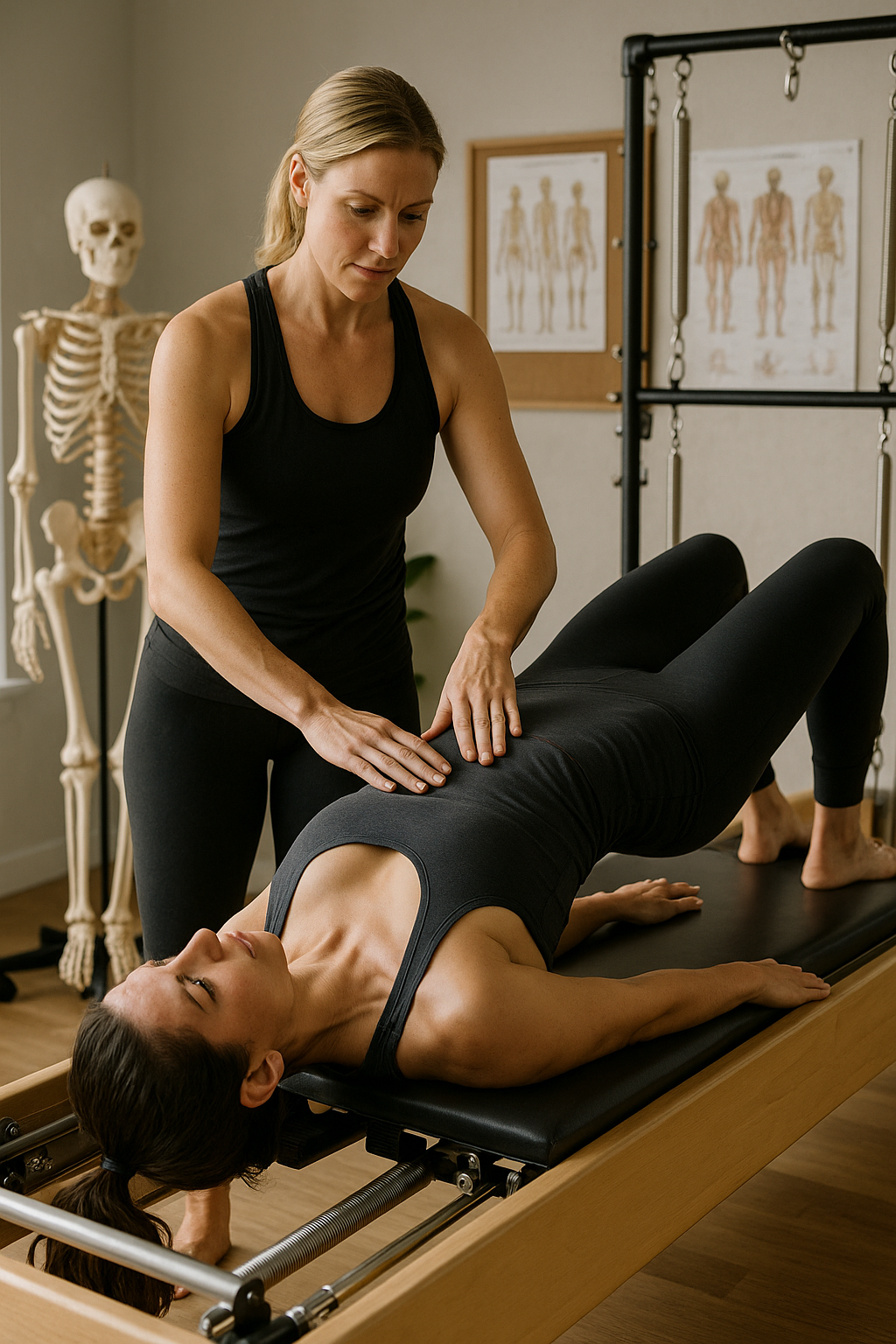
For many people, yoga online can cover most needs because it is flexible and easy to fit into daily life. However, some practitioners still prefer in-studio classes for the social aspect, the dedicated environment, and the possibility of hands-on adjustments.
How do I ensure the quality of online yoga instruction?
Check instructor credentials and teaching experience when available, read reviews, and use free trials to evaluate the platform. High-quality yoga online instruction typically includes clear cueing, modifications, and a pace that supports safe alignment rather than rushing through poses.
Kilder
- Wikipedia. (2023). "Yoga". Wikipedia.
- Kika Yoga. (2023). "Online Classes". Kika Yoga.
- SATS. (2023). "Yin Yoga". SATS Magasin.
- YogaWorks. (2023). "Classes". YogaWorks.
- MediYoga. (2023). "Hva er Yoga?". MediYoga.
- Google Play. (2023). "YogiMind". Google Play Store.
- Apple Store. (2023). "YogiMind". Apple Store.