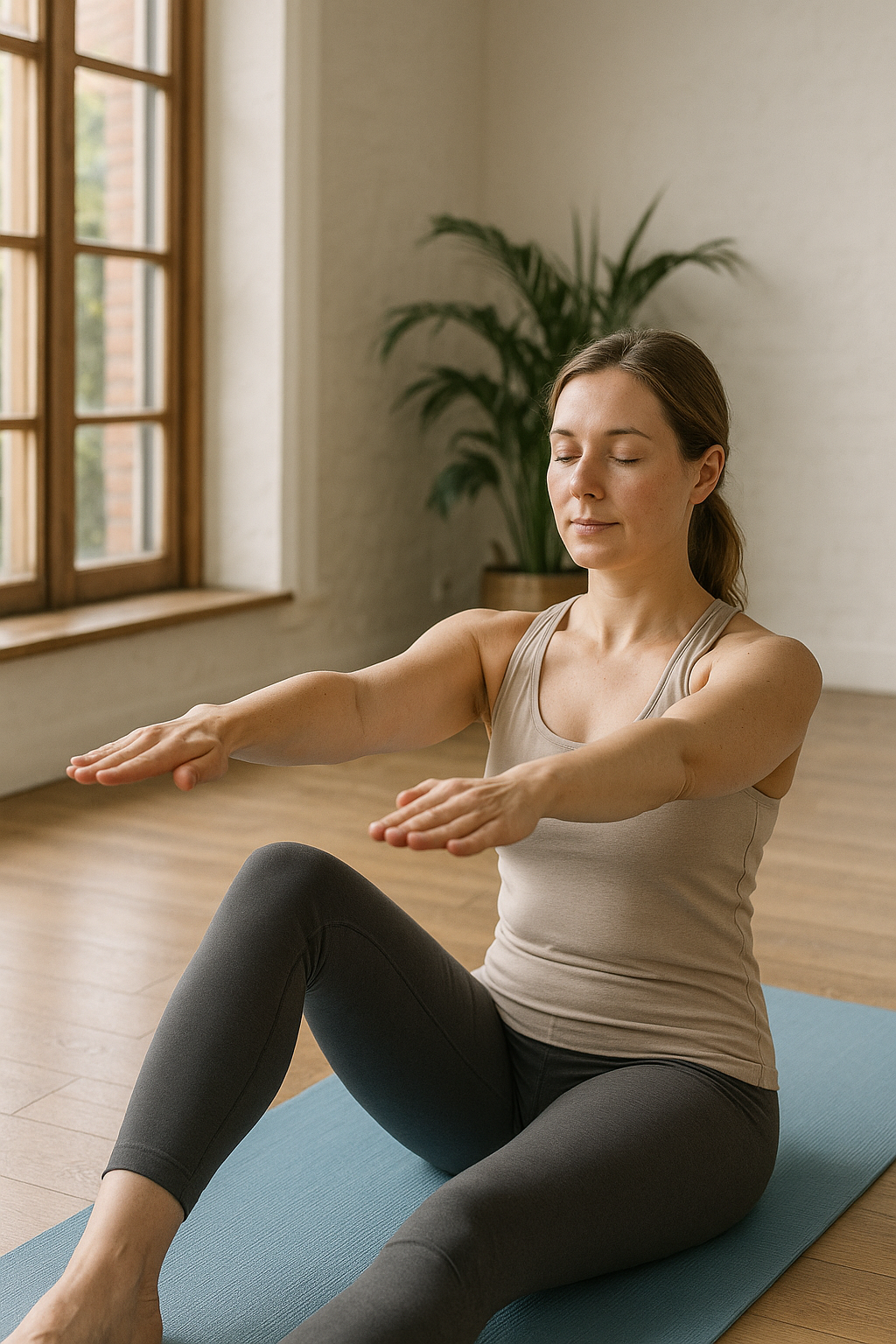
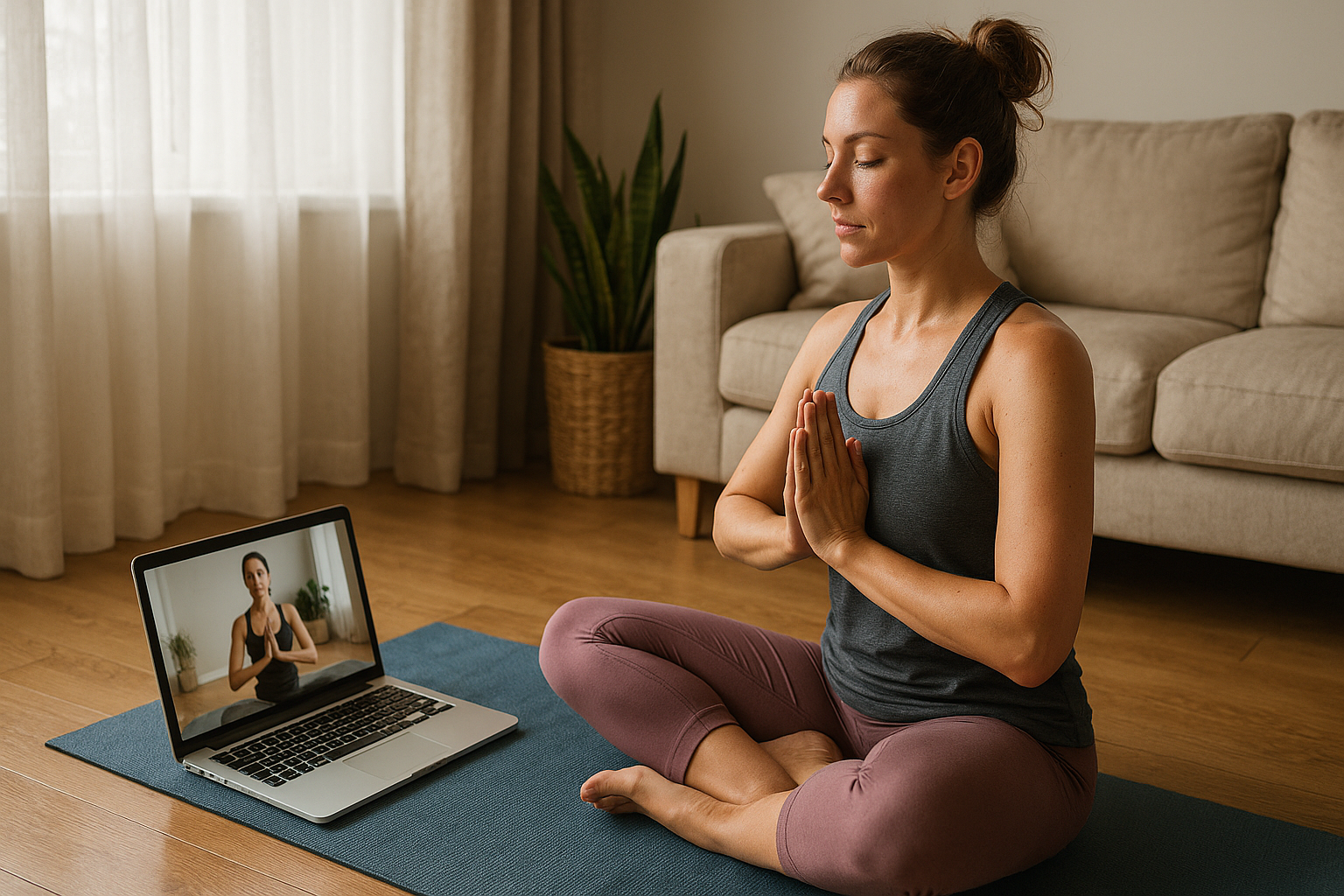
Pilates training has a reputation for changing bodies, but its real superpower is how it changes awareness. When you learn to move with precision—breathing on purpose, stacking joints with intention, and controlling tempo—you start noticing what most workouts miss: how you stand, how you sit, and where you “borrow” stability from the wrong places. That shift can be transformative for your own practice, and it’s also the foundation of becoming the kind of instructor clients trust.
At its core, Pilates is a holistic method that builds strength without sacrificing mobility. It targets deep stabilisers, improves flexibility through controlled range of motion, and supports better posture by teaching the body to organise itself efficiently. It’s no surprise the method has grown from a studio niche into a mainstream staple—especially among people who want training that feels athletic, intelligent, and sustainable.
Why pilates training is more than a workout
Search for pilates training and you’ll quickly see the intent isn’t just “how do I start?” A lot of people are looking for professional development: certification pathways, exam preparation, and the practical skills that separate a good mover from a good teacher. That’s where Pilates becomes both a discipline and a craft—one that demands observation skills, clear cueing, and the ability to adapt exercises to real bodies, not textbook ones.
Two themes show up again and again in instructor education: postural analysis and structured exam prep. Postural analysis trains your eye to spot alignment patterns from multiple views and connect them to likely muscle imbalances—what tends to be short and overactive versus long and underactive. Exam prep, on the other hand, is about demonstrating that knowledge under pressure: choosing appropriate repertoire, sequencing intelligently, and communicating with confidence.
What you’ll learn in this guide
In the rest of this post, we’ll break down the key components that matter most if you’re taking Pilates seriously—whether you’re refining your own technique or preparing to qualify as an instructor. We’ll look at how postural analysis is commonly assessed (including practical checkpoints like pelvic landmarks), how trainees build mastery of repertoire and sequencing, and how to approach the less-glamorous but essential logistics like tracking observation and practice hours.
The goal is simple: help you unlock more from pilates training by understanding what top programs emphasise and how successful trainees actually study, practise, and progress.
Postural analysis: the skill that shapes everything else
In pilates training for aspiring instructors, postural analysis is often treated as a “gateway” competency: if you can’t see what a body is doing at rest, it’s difficult to choose exercises that improve how it moves under load. A strong assessment process also gives you a repeatable way to explain your choices to clients and examiners—because you’re not guessing, you’re observing, prioritising, and then programming.
A practical approach is checklist-based. You assess the client from multiple views (typically front, side, and back), compare what you see to an ideal alignment model, and then connect deviations to likely muscle imbalances. The simplest way to think about it is: which areas look short/tight and overactive, and which look long/loose and underactive? That lens helps you build a corrective strategy rather than just selecting “favourite” exercises.

Women's Posture Shirt™ - Black
Improves posture, may relieve pain, and increases postural awareness for daily life or workouts.
Common posture types you’ll be expected to recognise
Most training programs expect you to confidently identify a small set of recurring posture patterns. While terminology can vary, four types are frequently taught because they show up so often in real clients and in exams:
- Lordosis pattern: an increased lumbar curve, often paired with anterior pelvic tilt and a ribcage that struggles to stack over the pelvis.
- Kyphosis pattern: an increased thoracic curve, often paired with forward head posture and shoulder protraction.
- Flat back pattern: reduced spinal curves, commonly linked to limited spinal articulation and a “braced” movement strategy.
- Sway-back pattern: pelvis shifted forward with a posterior tilt tendency, often creating a collapsed look through the upper body.
Knowing the labels matters, but what matters more is what they imply for exercise selection. For example, a kyphosis pattern may benefit from programming that supports thoracic extension, scapular control, and better ribcage placement—without simply forcing the shoulders “back” and creating tension elsewhere.
Practical checkpoints: pelvis landmarks and what they tell you
Exams often reward clear, simple checkpoints that you can apply quickly. A classic example is using pelvic landmarks such as the ASIS and PSIS to estimate pelvic tilt and symmetry. If those landmarks suggest an anterior tilt, your programming might prioritise strategies that improve lumbopelvic control and reduce over-dominance in hip flexors and spinal extensors. If the pelvis appears rotated or hiked, you may need to think about asymmetry: weight shift habits, hip stabiliser recruitment, and how you cue foot pressure and standing alignment.
The key is to translate observation into action: “I see X, which suggests Y, so I’ll choose Z.” That logic chain is exactly what examiners want to hear.
Certification exam preparation: from knowing exercises to teaching them
Many trainees underestimate how different it feels to perform the repertoire versus teach it. Certification exams typically assess your ability to choose appropriate exercises, sequence them intelligently, and coach in real time. That means you need more than memorisation—you need decision-making under pressure.
Repertoire mastery and sequencing
Repertoire mastery is not just knowing the name of an exercise. It includes the goal, key cues, breathing, common compensations, contraindications, and at least one regression and progression. Sequencing matters because it shows that you understand how to prepare the body: warm-up choices, logical load progression, and a finish that leaves the client organised rather than fatigued and sloppy.
Daily practice and micro-study strategies that add up
Consistency beats cramming. Successful pilates training candidates often build a daily rhythm: practise a small set of exercises on their own body, teach a short segment to a friend or client, and then review notes immediately after. Micro-study tools help here—flashcards for muscle actions and cueing, a simple “exercise of the day” calendar, or a rotating focus (spine one day, shoulders the next). Even five-minute reviews done multiple times per day can reinforce recall and improve your teaching language.
Scripting and client interaction
In many practical exams, you’re assessed on how you gather information and set a plan. A simple client script can keep you calm: ask about goals, injury history, movement experience, and what they’ve done before in Pilates. Then connect that information to what you observed in posture. When you can explain, in plain language, why you’re choosing specific exercises, you come across as safe, professional, and prepared.
Training logistics: hours, documentation, and support resources
Instructor pathways usually require logged hours across categories such as observation, physical review, and practice teaching—often separated by apparatus type. Treat your log like a training plan: update it weekly, note what you worked on (not just the time), and track gaps early so you’re not scrambling near exam eligibility.
It also helps to use established resource hubs from recognised education providers. Comprehensive libraries, study tools, and community guidance can make your pilates training feel less isolating—especially when you’re refining postural analysis skills and trying to standardise your exam prep routine.
Body awareness and kinesthetic learning in pilates training
One of the biggest shifts that happens during pilates training—especially when you’re preparing to teach—is that learning becomes less visual and more sensory. You stop relying on “how it looks” and start prioritising “how it feels” and “what it changes.” This is where kinesthetic learning becomes a serious advantage: you build an internal map of where movement should initiate, where it should stabilise, and where it should stay quiet.
A practical way to develop this is to connect anatomy to sensation. Instead of only memorising muscle names, you practise locating landmarks and noticing what turns on when you cue a specific action. For example, when you cue posterior pelvic tilt or neutral pelvis, you can pay attention to whether the effort is coming from glutes and abdominals or whether the body is defaulting to gripping through hip flexors and lower back. Over time, this makes your cueing more accurate because you’re describing a real experience, not repeating a script.
Kinesthetic learning also improves your ability to teach different bodies. When you’ve felt the difference between “rib flare with a strong core” and “rib flare because the pelvis can’t organise,” you’re more likely to choose cues that actually solve the problem. That’s the kind of clarity examiners look for: not just correct terminology, but a clear connection between what you observe, what you feel, and what you coach.

Men's Posture Shirt™ - Black
Helps correct posture and may relieve pain for men with patented support technology.
Adaptation and modification: teaching the exercise the client needs
In certification settings, modifications are not a sign that you’re making things easier—they’re evidence that you understand the goal of the exercise and can get a client there safely. The best instructors treat the repertoire as a toolkit. The question is not “Can the client do the full version?” but “What version produces the intended outcome with good alignment and control?”
Start by anchoring every choice to a simple objective: improve alignment, build control, or increase mobility without losing stability. Then adapt the variables you can control—range of motion, load, speed, base of support, and breath. If a client loses pelvic stability during a leg movement, you might reduce the lever length, limit the range, or change the position so the trunk can stay organised. If a client can’t maintain scapular control in a prone extension, you might adjust arm position, reduce thoracic range, or choose a different exercise that still trains posterior chain support.
Posture patterns often guide these decisions. A flat back pattern may benefit from programming that restores spinal articulation gradually, using small ranges and clear breath timing rather than forcing big movement. A kyphosis pattern may need thoracic extension work paired with scapular control so the shoulders don’t simply “pull back” into tension. In an exam, it helps to say this out loud: name the pattern, state the likely imbalance strategy (overactive versus underactive), and explain how your modification supports the goal.
Finally, remember that adaptation includes communication. If you can explain a modification in plain language—what you’re changing and why—you build trust quickly. That trust is part of professional pilates training: clients feel safer, and examiners can hear your reasoning.
Frequently Asked Questions
What is the primary focus of pilates training?
Pilates training focuses on improving core strength, flexibility, and postural alignment through controlled, precise movement. In professional pathways, it also emphasises teaching skills: observation, cueing, exercise selection, and the ability to adapt the repertoire to different bodies and goals.
How can postural analysis benefit my pilates practice?
Postural analysis helps you identify alignment tendencies and likely muscle imbalances, such as areas that appear short/tight and overactive versus long/loose and underactive. This makes your programming more targeted, because you can choose exercises and cues that address the underlying strategy rather than only training symptoms.
What are some effective study strategies for pilates certification exams?
Effective strategies include daily practice on your own body, teaching short segments regularly, and using micro-study tools such as flashcards and an exercise-of-the-day calendar. Kinesthetic learning is also powerful: practise feeling key actions (like pelvic control or scapular stability) so you can recall not only the facts, but the sensation and the coaching language under exam pressure.
How do I track my training hours for certification?
Maintain a detailed log that separates observation, physical review, and practice teaching hours, and record them by apparatus type if required by your program. Update your log consistently (weekly works well) and add brief notes on what you practised so you can spot gaps early and prepare efficiently for exam eligibility.
Are there resources available for aspiring Pilates instructors?
Yes. Many established education providers offer resource hubs with study tools, repertoire guidance, and community support. These resources can be especially helpful for standardising your postural analysis process, refining cueing, and building a repeatable exam preparation routine.
Källor
- Wells, C., Kolt, G. S., Marshall, P., Hill, B., & Bialocerkowski, A. (2013). "The Effectiveness of Pilates Exercise in People with Chronic Low Back Pain: A Systematic Review." PLoS ONE.
- WebMD. "What Is Pilates?"
- Club Pilates. "Education FAQ."
- Healthline. "9 Benefits of Pilates."
- Cleveland Clinic. "Everything You Want to Know About Pilates."
- Pilates.com. "Pilates Instructor Training."
- Pilates Journal. "What to Know Before You Enrol in a Pilates Course."
- Merrithew. "Instructor Training Exams FAQ."