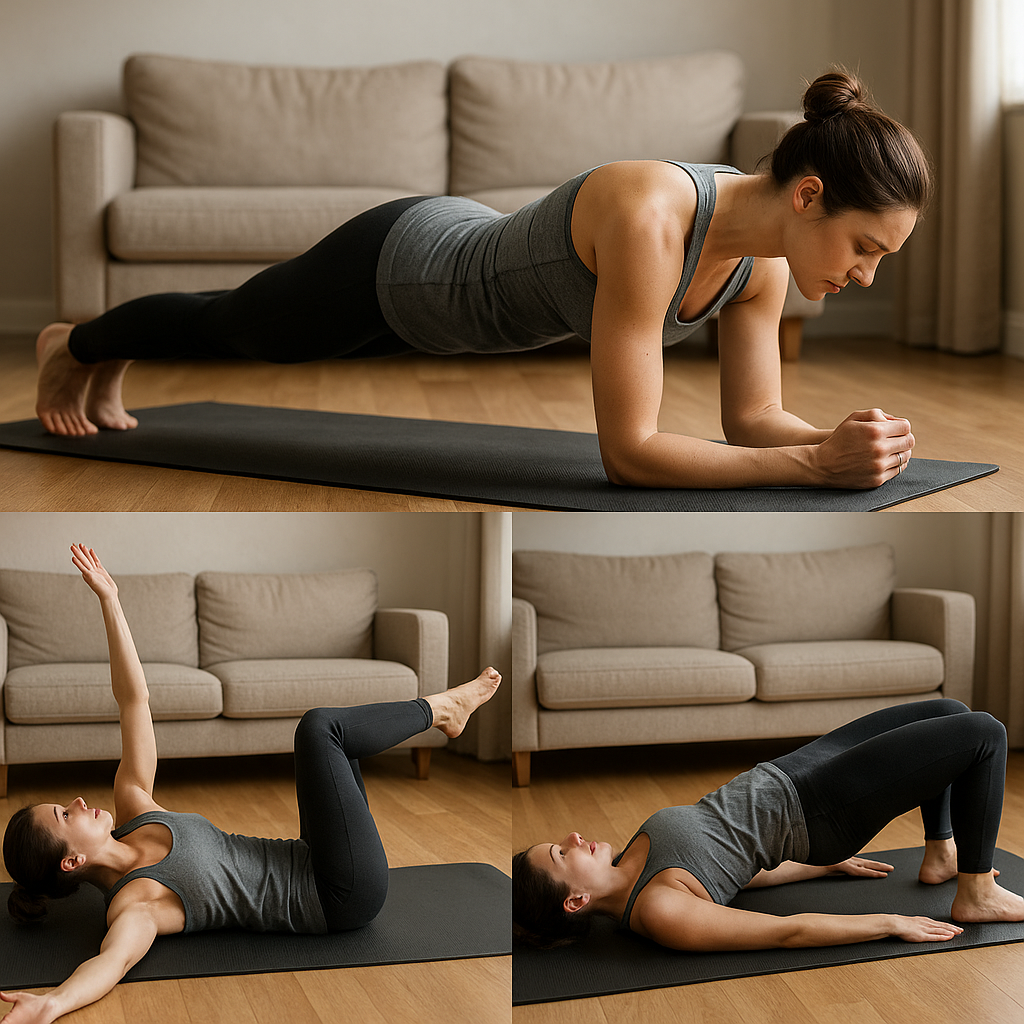
A fitness mat can look like a simple piece of equipment, but it often decides whether a workout feels stable and controlled or slippery and uncomfortable. When your hands start to sweat in a plank, when you land a jump, or when you set down a kettlebell, the surface under you matters. The right mat helps you move with confidence, protects joints from hard floors, and can reduce the risk of small, nagging strains that come from poor grip or inadequate cushioning.
Still, choosing a fitness mat is rarely straightforward. Many people end up with a mat that curls at the edges, slides on smooth flooring, or compresses so much that knees and wrists feel every rep. Others buy a thick mat for comfort, only to find it too soft for balance work. Durability is another common frustration: a mat that looks fine at first can start to flake, dent, or lose traction after a few months of regular training. In other words, “one-size-fits-all” usually isn’t.
Why the right fitness mat matters for home workouts
Home training has become a long-term habit for many, and that has raised the bar for what we expect from basic equipment. A good fitness mat needs to handle more than one style of exercise: a calm yoga flow one day, a sweaty HIIT session the next, and strength training when time is tight. That versatility is exactly where the details count—how the mat grips the floor, how it feels under pressure, and how well it holds up when used often.
If you train on hardwood, tile, or laminate, traction becomes especially important. If you do high-impact intervals, cushioning and shock absorption can make a noticeable difference for ankles, knees, and hips. And if your routine includes slower, controlled movements, stability matters just as much as softness. The best choice is the one that matches how you actually train, not just what looks good rolled up in a corner.
What you’ll get from this guide
This article is designed to help you find a fitness mat that fits your workout style and your body’s needs. We’ll break down the features that tend to matter most—like thickness, material, grip, and long-term wear—so you can make a practical decision without guesswork. We’ll also touch on how testing and professional perspectives can inform what “good support” really means in everyday training.
Whether you’re building a small home gym or upgrading a worn-out mat, the goal is simple: a surface that feels secure, comfortable, and ready for the way you move.
Key fitness mat features that change how you train
Two mats can look nearly identical online, yet feel completely different once you start moving. The difference usually comes down to a few measurable features: thickness, material density, surface texture, and how the underside grips the floor. Consumer media tests often evaluate these points in practical ways—measuring thickness and weight, checking traction on different flooring, and gathering feedback from real workouts like squats, burpees, and push-ups. That kind of testing matters because it reflects what you actually experience at home: pressure on joints, stability in balance work, and whether the mat stays put when you sweat.
Thickness and material: comfort is not the same as support
Thickness is often the first spec people compare, but it only helps when it matches your training style. A thicker fitness mat (often 10 mm or more) can reduce pressure on knees, hips, and wrists during floor work, and it can feel noticeably kinder during high-impact intervals. This is why many buying guides highlight thicker foam options for weight training and HIIT, where repeated landings and kneeling positions can irritate joints on hard floors.
However, thickness alone doesn’t guarantee stability. If the foam is too soft or low-density, you may “sink” into the mat during lunges or single-leg work, which can make balance feel less controlled. For yoga and Pilates, many people prefer a thinner, firmer surface because it improves contact with the floor and makes it easier to hold steady in standing poses. In other words: look for a thickness that protects you, and a density that supports you.
Grip and traction: the difference between controlled and cautious
Grip has two sides: how your hands and feet stick to the top surface, and how the mat grips the floor underneath. Both affect performance. In yoga, a secure top layer helps prevent sliding in downward dog or during transitions when your palms get sweaty. In plyometrics or HIIT, floor traction matters even more—if the mat shifts when you land a jump or step back quickly, it can throw off alignment and increase the risk of awkward twists.
Many top-rated mats use textured surfaces or tackier finishes to improve grip, while the underside may use patterned rubber or anti-slip coatings to reduce movement on hardwood or tile. If you train on smooth flooring, it’s worth prioritising traction even over extra cushioning, because a stable base supports better technique.
Durability and wear: what to check before you buy
A fitness mat is a high-friction product: shoes, sweat, repeated compression, and equipment edges all take a toll. Reviews and long-term testing often flag the same weak points—surface peeling, permanent dents from knees or dumbbells, and edges that start to curl. To reduce those issues, look for materials known for resilience and a finish that doesn’t flake when cleaned regularly.
Also consider how you’ll use it. If you plan to place weights on the mat, a higher-density construction is typically better at resisting compression. If you’ll roll it up daily, check whether it lies flat quickly; a mat that constantly curls can become a tripping hazard and a constant annoyance.

Men's Posture Shirt™ - Black
Posture shirt with patented technology that stimulates muscles and can relieve pain during activity or exercise.
Choosing a fitness mat for yoga, HIIT, and strength training
The “best” mat is really the best match. Below are practical guidelines for common workout types.
Yoga and Pilates: steady contact and confident transitions
For yoga and Pilates, prioritise a mat that feels stable underfoot and offers reliable grip for hands. Many people find that moderate thickness works well here: enough cushioning for kneeling and seated work, but not so much that balance becomes wobbly. If you sweat heavily, a grippier surface can help you stay focused on form instead of constantly adjusting your stance.
HIIT and weight training: stability first, then cushioning
High-intensity sessions put more stress on joints and demand more from the mat’s floor traction. A thicker, high-density foam fitness mat can help absorb impact and reduce discomfort during burpees, mountain climbers, and jump variations. For strength training, stability is key: the mat should feel firm enough that your feet don’t shift during squats or presses, and durable enough to handle repeated pressure points.
Multi-purpose use: the balanced option for mixed routines
If your week includes a bit of everything, aim for a balanced mat: moderate thickness, a grippy top surface, and a non-slip underside. This type of fitness mat won’t be the most specialised for any single discipline, but it can be the most practical for home training—especially if you want one mat that works for mobility, core work, yoga flows, and occasional high-intensity sessions without constant compromises.
Innovations that are changing what a fitness mat can do
Most people think of a fitness mat as a passive surface: something that cushions, grips, and protects the floor. But in professional training and rehabilitation settings, mats are increasingly used as tools for measurement and feedback. This matters for home users too, because it highlights a useful principle: the “best” mat is the one that supports how you move, not just what you do.
One example is movement assessment systems used by therapists and trainers to evaluate balance, control, and left-right differences. Tools like the MAT Movement Assessment Tool are designed to quantify functional movement tests and help professionals build more personalised exercise plans. While most home workouts do not require this level of testing, the idea is relevant: if you often feel unstable on one side, struggle with single-leg work, or return from an injury, choosing a stable fitness mat with reliable traction can make technique easier to maintain.
Another development is force-sensitive mat technology used for performance tracking, such as jump measurement. These mats can detect contact time and flight time and translate that into useful metrics for athletes and coaches. For everyday training, you do not need a smart mat to benefit from the same mindset: if your routine includes jumps, quick footwork, or fast transitions, prioritising a fitness mat that stays planted on the floor and does not compress too much under load can improve consistency from rep to rep.

Women's Posture Shirt™ - Black
Patented shirt that activates muscles, improves posture, and can help relieve pain—ideal for training and daily use.
How to choose the right fitness mat for your routine
If you want one mat that genuinely works long-term, start by matching features to your most frequent sessions. Use the checklist below as a practical filter before you compare brands or prices.
| Workout type | What to prioritise | What to avoid |
|---|---|---|
| Yoga and Pilates | Reliable top-surface grip, stable feel, moderate thickness (often 6–10 mm) | Very soft foam that makes balance work feel wobbly |
| HIIT and plyometrics | Strong floor traction, shock absorption, durable surface, thicker options (often 10 mm+) | Mats that slide on smooth floors or compress deeply on landings |
| Strength training | High density for stability, resistance to dents, enough cushioning for kneeling work | Low-density mats that permanently indent under knees or equipment edges |
| Mixed weekly routine | Balanced thickness, grippy top layer, non-slip underside, easy to clean | Highly specialised mats that only work well for one discipline |
Next, consider your training environment. If you work out on hardwood, tile, or laminate, traction is often the deciding factor. If you train in socks or bare feet, top-surface grip becomes more important. And if you frequently roll your mat up and store it, choose one that lies flat quickly to reduce curling edges and trip risks.
Budget and value: what to pay for (and what not to)
Price is not a guarantee of quality, but a very cheap fitness mat often cuts corners in the same places: low-density foam that compresses quickly, a surface that becomes slippery when damp, or edges that start to curl. If you train several times per week, value for money usually comes from durability and stability rather than extra thickness alone.
A good approach is to decide what you cannot compromise on. For example, if joint comfort is your priority, invest in thickness and density. If you do yoga or sweat-heavy sessions, invest in grip. If you use shoes, weights, or equipment, invest in a tougher surface that resists scuffing and dents. In many cases, a mid-range mat that performs consistently for years is a better buy than replacing a budget option every few months.
Frequently Asked Questions
What is the ideal thickness for a fitness mat?
It depends on your training. Many people prefer around 6–10 mm for yoga and Pilates because it balances comfort with stability. For HIIT, high-impact intervals, and weight training, 10 mm+ is often more comfortable, especially on hard floors, as long as the mat is dense enough to stay stable.
How do I clean and maintain my fitness mat?
Wipe it down with a mild detergent and water solution using a damp cloth, then let it air dry fully before rolling it up. Avoid harsh chemicals that can break down the surface and reduce grip. If you train often, a quick wipe after each session helps prevent odour and buildup.
Can a fitness mat improve my workout performance?
Yes. A suitable fitness mat can improve stability and confidence during movements, reduce slipping, and make floor work more comfortable. That can support better technique, reduce unnecessary strain on wrists, knees, and hips, and help you stay consistent with your training.
Are there eco-friendly fitness mats available?
Yes. Many brands offer fitness mat options made with more sustainable materials such as natural rubber or recycled components. If sustainability matters to you, check material details and look for transparent product information about composition and manufacturing.
Källor
- Isokinetic. (n.d.). "Movement Analysis Test." Isokinetic.
- We Sell Mats. (n.d.). "Why Should I Use an Exercise Mat When Working Out?" We Sell Mats Blog.
- Jigsaw Mats 4 Martial Arts. (n.d.). "What Are Gym Mats Made Of?" Jigsaw Mats Blog.
- Tunturi. (n.d.). "What's the Difference Between a Yoga Mat and a Fitness Mat?" Tunturi Blog.
- PubMed. (2020). "Study on Exercise Mats." National Center for Biotechnology Information.
- Outdoor Gear Lab. (n.d.). "Best Exercise Mat." Outdoor Gear Lab.
- Greatmats. (n.d.). "What Are Gym Mats?" Greatmats.
- Gym Mikolo. (n.d.). "The Ultimate Guide to Choosing an Exercise Fitness Mat: Practical Tips for Every Budget." Gym Mikolo Blog.
- Consumer Reports. (n.d.). "We Tested Yoga Mats: Here is What We Found." Consumer Reports.
- Gxmmat. (n.d.). "Choosing the Right Exercise Fitness Mat: The Ultimate Buyer's Guide." Gxmmat Blog.
- Wellness Fitness Mats. (n.d.). "The Dirty Truth About Gym Mats: Why 'Made in China' No Longer Cuts It." Wellness Fitness Mats Blog.