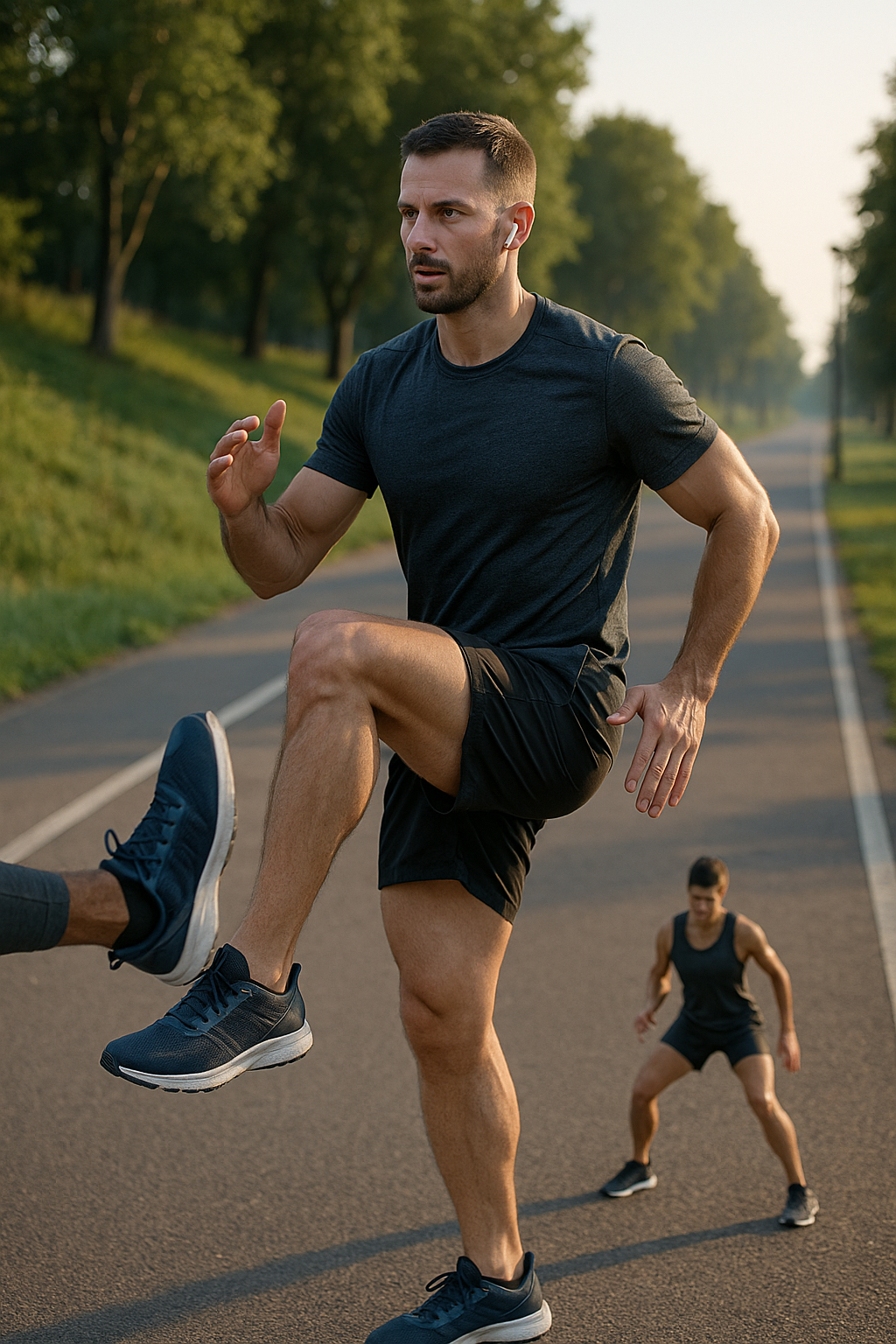
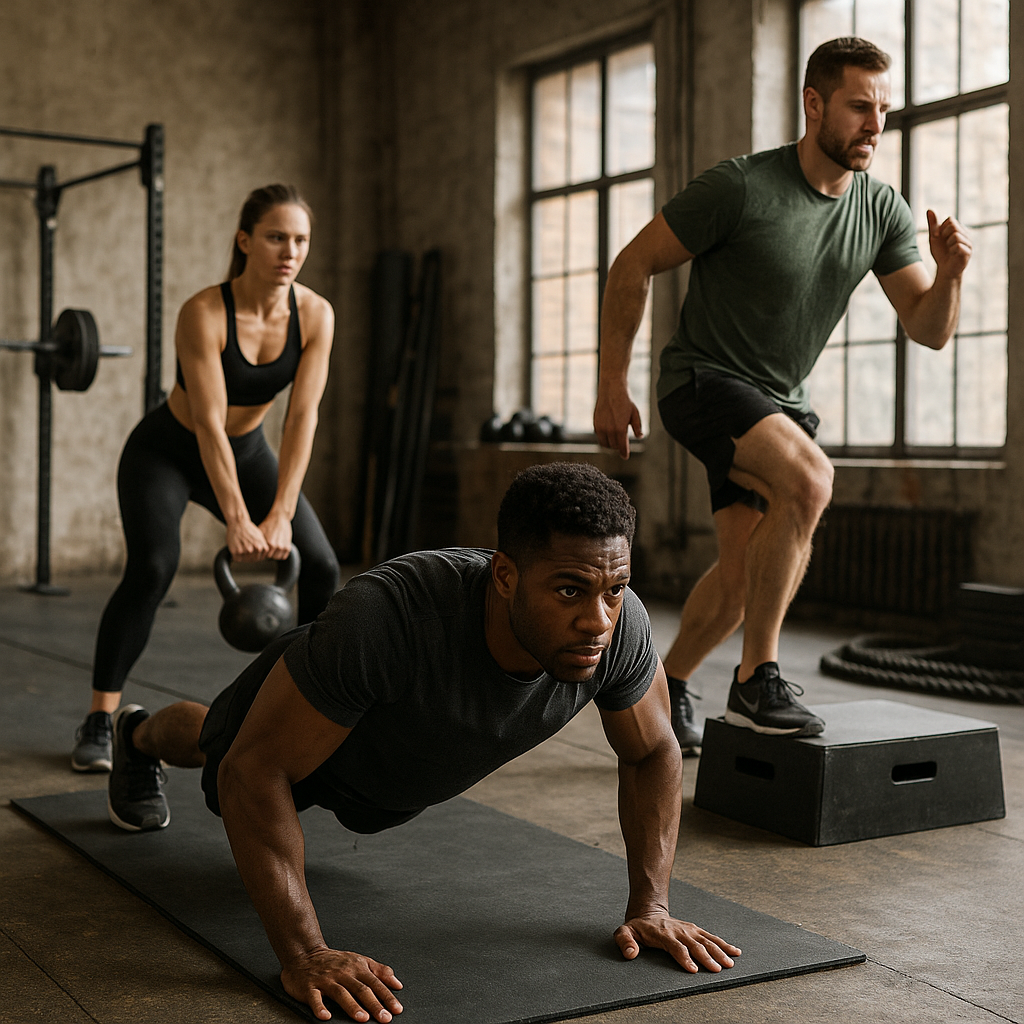
Strength training has a reputation for being “just lifting weights”, but its real power is much bigger than bigger biceps. It’s one of the most adaptable ways to train your body—useful whether you want to feel stronger in daily life, improve posture and stability, or build a fitness routine that supports long-term well-being. And because it can be scaled to any level, it’s become a staple in gyms, home workouts, and rehabilitation-style training plans worldwide.
What is strength training?
What is strength training at its core? It’s a type of exercise where your muscles contract against external resistance with the goal of building strength, muscle mass, and overall capacity. You’ll often see it called resistance training or weight training, and while the tools can vary, the idea stays the same: you challenge your muscles in a focused way so they adapt and become stronger over time.
This is also what separates “being active” from truly training for strength. A brisk walk, a long day on your feet, or a yoga flow can absolutely be great for health, but strength training is defined by intentional resistance and progression—your muscles need a clear reason to change.
Different ways to train for strength
Strength training isn’t limited to barbells. Depending on your preference, goals, and access to equipment, resistance can come from several methods:
- Free weights like dumbbells, kettlebells, and barbells
- Machines that guide the movement and help you isolate muscle groups
- Resistance bands for joint-friendly, portable training
- Bodyweight exercises such as squats, push-ups, and lunges
- Isometrics where you hold tension without moving (like a wall sit)
- Plyometrics that build power through explosive movements (like jump squats)
Why it matters for fitness and well-being
When you build strength, you’re not only training muscles—you’re training how your body moves and handles load. That can translate into better control, improved joint support, and more confidence in everyday tasks like carrying groceries, climbing stairs, or sitting and standing with ease. In the next sections, we’ll break down the most important health benefits, how strength training works in practice, and how to start in a way that feels realistic and sustainable.

Men's Posture Shirt™ - White
Improves posture, activates muscles, and relieves tension—ideal for both training and daily use.
Health benefits of strength training
Strength training is often associated with muscle and performance, but many of its biggest wins happen “behind the scenes” in your health markers. One of the most important is how it supports your cardiovascular system. While it’s not the same as steady-state cardio, improving muscle strength can make everyday movement more efficient and may support healthier blood pressure and circulation when paired with an active lifestyle.
It’s also one of the most reliable ways to support bone density. Bones respond to load much like muscles do: when you regularly apply safe, progressive resistance, your body gets a signal to maintain and strengthen bone tissue. That matters at every age, but it becomes especially relevant later in life when bone loss can increase the risk of fractures.
Another major benefit is metabolic health. Building and maintaining lean mass can increase the amount of energy your body uses at rest, which supports weight management and long-term metabolic function. Strength training is also commonly recommended as part of chronic disease management because it can improve physical capacity and make daily activity easier for people living with conditions such as type 2 diabetes, arthritis, and heart disease.
How long does it take to see results?
One reason strength training is so motivating is that progress is measurable. Many people notice early improvements in coordination, confidence, and how “easy” daily tasks feel within the first few weeks. Visible changes and more noticeable performance improvements typically take longer, but clinical guidance often points to a clear window: around 2–3 months of consistent training is a common timeframe for meaningful physical improvements such as increased strength and functional capacity.
This timeline is helpful because it sets realistic expectations. If you train for a couple of weeks and don’t feel dramatically different yet, that doesn’t mean it isn’t working—it usually means you’re still in the foundation phase where your body is learning the movements and building consistency.
How strength training works: muscle engagement and adaptation
To understand what is strength training in practice, it helps to know what your muscles need in order to change. Muscles adapt when they’re challenged in a focused, specific way. Simply “using your muscles” during a busy day is not the same as training them. Strength training asks a muscle (or group of muscles) to produce force against resistance, close enough to its current capacity that the body has a reason to adapt.
That adaptation can show up as increased strength, improved muscle size, better muscular endurance, and enhanced control around joints. Over time, this can support posture and movement quality—especially important if you spend long hours sitting, lifting, or repeating the same motions at work.
Progressive overload: the engine behind getting stronger
The most important principle in strength training is progressive overload. In simple terms, your body changes when the training demand gradually increases. If you always lift the same weight for the same reps with the same effort, your body has little incentive to improve.
Progressive overload doesn’t mean pushing to extremes. It can be as small as adding 1–2 reps, increasing resistance slightly, slowing the tempo, improving range of motion, or resting a bit less between sets. Most strength training is primarily anaerobic (short bursts of effort), although circuit-style strength workouts can blend strength and cardiovascular conditioning by keeping rest periods short.
Benefits beyond muscles: brain health, fall risk, and independence
Strength training isn’t only about what you can lift—it’s also about how well you function. Research-backed benefits include improved balance and coordination, which can reduce fall risk. That’s one reason strength training is frequently recommended for older adults: it helps maintain the ability to stand up from a chair, climb stairs, carry objects, and react quickly when you lose balance.
There are also cognitive and psychological benefits that get less attention than they deserve. Regular resistance exercise has been linked with improvements in cognitive function and overall well-being, likely because it supports better sleep, stress regulation, and confidence in your body’s capabilities. When you feel physically capable, you often move more throughout the day—and that creates a positive cycle for health.
What the data shows: measurable changes in weeks
If you like numbers, strength training has them. In a well-known research finding reported in the scientific literature, ten weeks of resistance training has been associated with changes such as increased lean weight (about 1.4 kg), an increase in resting metabolic rate (around 7%), and a reduction in fat weight (about 1.8 kg). Individual results vary based on training history, nutrition, sleep, and program design, but the key takeaway is that the body can adapt in a relatively short, trackable timeframe.
In the next section, we’ll turn these benefits into action with beginner-friendly ways to start, simple program structures, and guidance on choosing the right type of resistance for your goals and lifestyle.
How to start strength training in a practical way
If you’re still asking what is strength training in day-to-day life, the simplest answer is: pick a few basic movements, apply manageable resistance, and repeat them consistently while gradually making them harder. You don’t need a complicated plan to begin—just a clear starting point and a way to track progress.
For beginners, a short list of foundational exercises covers most needs:
- Lower body: squats (chair squats if needed), hip hinges (deadlift pattern), lunges or step-ups
- Upper body push: push-ups (wall, incline, or floor), dumbbell chest press
- Upper body pull: band rows, dumbbell rows
- Core and stability: planks, dead bugs, carries (holding weights while walking)
Start with a resistance that lets you move with control and good technique. A useful guideline is to finish a set feeling like you could do 1–3 more reps with solid form. That keeps the work challenging enough to drive adaptation without turning every session into a grind.
A simple program structure that works
Consistency beats complexity. A beginner-friendly structure is one to two sets of 8–12 repetitions per exercise, covering the whole body. Rest 60–120 seconds between sets, and aim to train at a pace that allows you to stay focused on technique.
Progression is where results come from. You can apply progressive overload in several beginner-safe ways:
- Add 1–2 reps per set until you reach the top of your rep range
- Increase resistance slightly (heavier dumbbells, thicker band)
- Slow down the lowering phase to increase time under tension
- Improve range of motion (for example, deeper squats if mobility allows)
Keep a simple log (notes app is enough): exercise, resistance, reps, and how it felt. Over a few weeks, that record becomes your roadmap.
Choosing the right resistance: weights, machines, bands, or bodyweight
Different tools can all build strength, but they shine in different situations.
- Free weights (dumbbells, kettlebells, barbells) are versatile and train coordination because you control the path of the weight. They’re great for building full-body strength and improving real-world lifting mechanics.
- Machines guide the movement, which can make them useful for learning muscle engagement, training around limitations, or adding volume with less balance demand. They can be a strong option for beginners who want extra stability.
- Resistance bands are joint-friendly, portable, and excellent for home training. Because tension increases as the band stretches, they can feel different from weights and are especially useful for rows, presses, and accessory work.
- Bodyweight training is accessible and effective, particularly for building baseline strength and control. The key is progression—harder variations, slower tempo, longer ranges of motion, or adding external load when needed.
The “best” choice is the one you can do consistently with good form and a clear way to progress.
Tailoring strength training for different needs
Strength training should match the person doing it. Older adults often benefit from exercises that support balance, leg strength, and safe getting-up-and-down patterns—think sit-to-stands, step-ups, supported squats, and light loaded carries. For post-rehabilitation or pain-sensitive individuals, the priority is controlled ranges of motion, slower tempo, and conservative progression. In these cases, comfort and consistency matter more than intensity.
Across all demographics, technique is injury prevention. If a movement repeatedly causes sharp pain, modify it (range, load, stance) or swap it for a similar pattern that feels better. Strength should make daily life easier, not more fragile.

Women's Posture Shirt™ - Black
Stimulates your muscles, relieves pain, and improves posture—perfect for work, training, or leisure.
Strength training and mental health: the overlooked connection
Beyond physical changes, strength training can support psychological well-being. Building strength often improves self-efficacy—the feeling that you can do hard things and handle challenges. That can translate into better confidence, reduced stress reactivity, and a more stable routine. Many people also find that structured training supports sleep quality and creates a positive feedback loop: you feel better, so you move more, and moving more helps you feel better.
Frequently Asked Questions
What is the best way to start strength training if I'm a beginner?
Start with 4–6 basic movements (squat, hinge, push, pull, core, carry) using light-to-moderate resistance. Do 1–2 sets of 8–12 reps with controlled form, leaving 1–3 reps “in the tank.” Track your sessions and progress gradually.
How often should I engage in strength training exercises?
Two to three sessions per week is a practical target for most people. This provides enough stimulus to improve while leaving time for recovery. You can train full-body each session or split workouts by muscle groups depending on your schedule.
Can strength training help with weight loss?
Yes. Strength training supports weight loss by helping preserve or build lean mass, which can increase daily energy use and improve body composition. It also makes it easier to stay active because everyday movement feels less tiring.
What equipment do I need for effective strength training at home?
You can get strong with minimal equipment. A pair of adjustable dumbbells and a set of resistance bands cover most exercises. A stable chair or bench and a mat are also helpful for comfort and exercise variety.
Are there specific strength training exercises recommended for older adults?
Commonly recommended options include sit-to-stands, step-ups, supported squats, hip hinges with light load, band rows, wall or incline push-ups, and loaded carries. Prioritise balance, leg strength, and controlled movement, and progress slowly.
How does strength training improve mental health?
Strength training can reduce stress and anxiety symptoms for some people by improving sleep, creating routine, and building confidence through measurable progress. Feeling physically capable often supports a more positive relationship with movement and daily life.
Källor
- Cleveland Clinic. (n.d.). "Strength Training: How to Get Started."
- Harvard T.H. Chan School of Public Health. (n.d.). "Strength Training: Get Stronger, Leaner, Healthier."
- Brown Health. (n.d.). "Strength Training and Why It's Good for You."
- American Cancer Society. (n.d.). "Five Benefits of Strength Training."
- Healthdirect Australia. (n.d.). "Strength Training for Beginners."
- Healthline. (n.d.). "Benefits of Strength Training."
- Wikipedia. (n.d.). "Strength Training."
- PubMed. (2012). "Effects of Resistance Training on Muscle Strength."
- New Mexico State University. (n.d.). "Strength Training Basics."
- American Heart Association. (2021). "Resistance Exercise in Individuals With and Without Cardiovascular Disease."
- Women's Health Magazine. (2020). "What Is Strength Training?"
- Penn State College of Medicine. (n.d.). "Strength Training Guide."
- Mayo Clinic. (n.d.). "Strength Training: Get Stronger, Leaner, Healthier."
- American Heart Association. (n.d.). "Strength and Resistance Training Exercise."