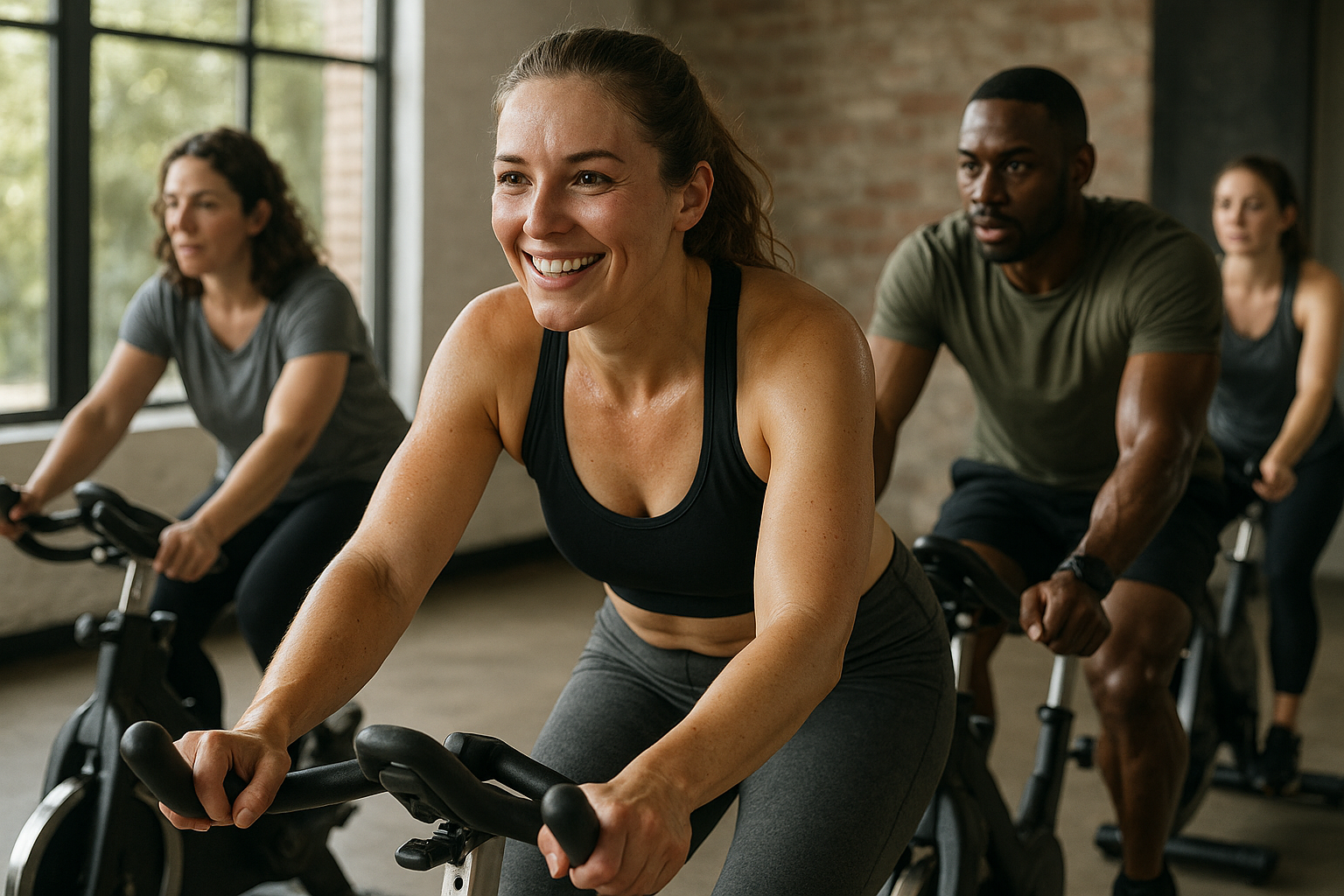
In the bustling world of fitness, where time is often a luxury, the appeal of efficient workout methods has never been greater. Enter Tabata training, a powerhouse in the realm of high-intensity interval training (HIIT) that promises maximum fitness benefits in just four minutes. This method has captured the attention of fitness enthusiasts and busy professionals alike, offering a solution that fits seamlessly into even the tightest of schedules.
The rise of Tabata training
Tabata training stands out in the crowded landscape of HIIT as a specific and intense variant. It was developed by Dr. Izumi Tabata, a Japanese scientist, who originally crafted this protocol for elite athletes. The method was initially tested on Olympic speed skaters to enhance both aerobic and anaerobic capacity, showcasing its effectiveness in improving athletic performance in minimal time.
What sets Tabata apart is its structured approach: 20 seconds of all-out effort followed by 10 seconds of rest, repeated for 8 rounds. This cycle totals just four minutes per session but demands maximum intensity, pushing participants to the limits of their physical capabilities. The protocol is classified as supramaximal interval training, designed to be performed above VO₂max levels, making it one of the most challenging yet rewarding workout routines available.
Why choose Tabata?
The allure of Tabata lies in its promise of achieving significant fitness gains with minimal time investment. In today's fast-paced world, where balancing work, family, and personal time can be challenging, a four-minute workout that delivers results is a compelling proposition. Tabata training is ideal for those who want to maximize their fitness outcomes without spending hours in the gym.
As we delve deeper into the science, benefits, and practical applications of Tabata training, we'll uncover why this method has become a favorite among fitness aficionados. Whether you're an athlete looking to enhance your performance or someone seeking an efficient way to stay fit, Tabata offers a time-efficient solution that aligns with modern lifestyles.

Women's Posture Shirt™ - Black
Patented technology that activates muscles and relieves tensions for better posture.

Men's Posture Shirt™ - White
Stimulates muscles and helps reduce pain, improving posture in daily use.
Stay tuned as we explore the intricacies of Tabata training, its origins, and how you can incorporate this powerful workout into your fitness routine. Discover how just four minutes of intense effort can transform your approach to health and fitness.
Understanding the Tabata training protocol
At its core, Tabata training is a form of high-intensity interval training (HIIT) that is both simple and rigorous. The protocol involves 20 seconds of all-out, maximum-intensity exercise followed by 10 seconds of rest. This cycle is repeated for eight rounds, making a full Tabata session just four minutes long. Despite its brevity, the workout is designed to push your body to its limits, often exceeding the maximum oxygen uptake levels, known as VO₂max. This classification as supramaximal interval training is what sets Tabata apart, demanding a level of intensity that challenges even seasoned athletes.
The science behind Tabata's effectiveness
Tabata's origins date back to the early 1990s when Dr. Izumi Tabata and his team at the National Institute of Fitness and Sports in Tokyo developed this protocol. Initially tested on Olympic speed skaters, the study revealed remarkable improvements in both aerobic and anaerobic capacity. Participants experienced a 14% increase in VO₂max over six weeks, underscoring the protocol's efficacy in enhancing cardiovascular fitness and endurance. These findings have been pivotal in establishing Tabata as one of the most effective and time-efficient training methods available.
Exercises and structure for a Tabata workout
While the original study focused on cycling, Tabata training can be adapted to a variety of exercises, making it versatile and accessible. Common movements include sprints, burpees, jump squats, and mountain climbers. The key is to maintain maximum effort during the 20-second work periods to achieve the desired intensity. A typical Tabata workout consists of a single four-minute block, but it can be extended into a full session by incorporating multiple blocks of different exercises, with a brief rest period between each block. This flexibility allows individuals to tailor their workouts to their fitness levels and goals.
Implementing Tabata in your fitness routine
Incorporating Tabata into your fitness regimen requires careful consideration of your current fitness level and goals. Given its intensity, it is crucial to start with a proper warm-up to prepare your body and reduce the risk of injury. A five to ten-minute warm-up focusing on dynamic stretches and light cardio is recommended. Following the Tabata session, a cool-down period with static stretching can help in recovery and prevent muscle soreness.
For those new to high-intensity workouts, it may be beneficial to begin with a modified version of Tabata, using lower-intensity exercises or extending rest periods until you build the necessary endurance and strength. As you progress, you can increase the intensity and incorporate more challenging movements to maximize the benefits of Tabata training.
Overall, Tabata training offers a powerful and efficient way to improve your fitness in a short amount of time. Whether you're an athlete seeking to enhance your performance or someone looking for a quick yet effective workout, Tabata provides a dynamic solution that can be tailored to fit your lifestyle and fitness goals.
Benefits of Tabata training
Tabata training offers a multitude of benefits that extend beyond just physical fitness. One of the most significant advantages is the improvement in both aerobic and anaerobic capacity, making it an excellent choice for enhancing overall performance and endurance. The time efficiency of Tabata is unmatched, providing substantial fitness gains in just a few minutes, which is ideal for those with busy schedules.
In terms of body composition, Tabata can positively impact muscle mass and cardiorespiratory fitness, contributing to better metabolic health. While it is often marketed for fat loss due to its high-calorie burn and the afterburn effect (excess post-exercise oxygen consumption, or EPOC), it's essential to understand that fat loss also heavily depends on nutrition and overall lifestyle.
Additionally, Tabata training can offer psychological benefits, such as improved mood and reduced stress levels, thanks to the release of endorphins during high-intensity exercise. This makes it not only a physical workout but also a mental one, promoting well-being and resilience.
Understanding the risks and limitations
The intensity of Tabata training means it is not suitable for everyone, particularly those new to exercise or with certain health conditions. The demanding nature of the workout requires participants to exert maximum effort, which can pose risks if proper technique is not maintained. Therefore, it is crucial to obtain medical clearance from a healthcare professional if you have any underlying health concerns.
Safety is paramount when incorporating Tabata into your routine. Ensure you have a solid foundation in basic fitness and HIIT before attempting Tabata. Proper warm-up and cool-down periods are essential to prepare your body and aid recovery. Listen to your body and adjust the intensity or rest periods as needed to avoid overexertion and injury.
Tabata vs. general HIIT
While Tabata is a form of HIIT, it is distinct in its specific structure and intensity. The Tabata protocol's fixed 20/10 work-rest ratio is designed to push participants to supramaximal intensity levels, often above VO₂max. In contrast, general HIIT can vary in interval duration and intensity, making it more accessible to a broader audience.
Tabata's unique approach requires participants to maintain maximum effort throughout its short duration, whereas HIIT workouts can be tailored with different work and rest intervals to suit varying fitness levels and goals. Understanding these differences can help you choose the right workout style for your needs.
Frequently Asked Questions
What is the main difference between Tabata and regular HIIT?
Tabata is a specific form of HIIT with a fixed 20 seconds of maximum effort followed by 10 seconds of rest, repeated for 8 rounds, totaling 4 minutes. Regular HIIT can have varying intervals and intensity levels, making it more adaptable.
Can beginners do Tabata training?
Beginners can try modified Tabata workouts with lower intensity and longer rest periods. It's important to build a foundation in basic fitness and HIIT before progressing to the full Tabata protocol.
How often should Tabata workouts be done?
To allow for adequate recovery, Tabata workouts should be done 1-3 times per week, with rest days in between to prevent overtraining and injury.
Is Tabata effective for weight loss?
Tabata can contribute to weight loss by burning calories and boosting metabolism, but it should be combined with a healthy diet and lifestyle for optimal results.
What safety precautions should be taken when doing Tabata?
Ensure a proper warm-up and cool-down, maintain good form, and listen to your body. Seek medical advice if you have health concerns, and start with lower intensity if you're new to high-intensity workouts.
Källor
- Live Science Staff. (2023). "What is Tabata Training?" Live Science.
- Under Armour Team. (2023). "What is a Tabata Workout?" Under Armour.
- Wikipedia Contributors. (2023). "Tabatatraining." Wikipedia.
- Peloton Team. (2023). "What is Tabata?" Peloton Blog.
- Cleveland Clinic Staff. (2023). "Tabata vs. HIIT: What's the Difference?" Cleveland Clinic.