Ever wondered why some people seem to look forward to their workouts while others dread every minute? Often, it’s not motivation that’s missing—it’s the right intensity. Go too hard and exercise becomes a punishment. Go too easy and it feels like it “doesn’t count.” The sweet spot for many people is moderate exercise: challenging enough to feel energising, but manageable enough to repeat tomorrow.
So, what is moderate exercise in practical terms? It’s movement that raises your heart rate to roughly 50–70% of your maximum and makes your breathing noticeably quicker—yet you can still speak in full sentences. A simple rule of thumb is the talk test: you should be able to talk, but not sing. You might feel warm and start to lightly sweat after about 10 minutes, but you’re not gasping for air or counting down the seconds until it’s over.
This middle-ground intensity is a big reason moderate exercise is linked with sustainable fitness habits. It supports everyday health goals like maintaining cardiovascular fitness, managing weight over time, and improving mood and energy—without requiring you to “go all out” or recover for days. It’s also flexible: moderate exercise can be a brisk walk, a steady bike ride, water aerobics, dancing, or even active yard work, as long as the effort level matches the definition.
Why intensity matters more than perfection
Many people quit exercise because they unknowingly start at a vigorous pace. Moderate exercise gives you a clearer target: you’re working, but you’re still in control. That control matters if you’re returning after a break, balancing a busy schedule, or trying to move more without aggravating aches and tightness.
A widely used guideline is aiming for 150–300 minutes per week of moderate-intensity activity. The encouraging part is that it doesn’t have to happen in one long session. Shorter bouts add up—think 10–30 minutes at a time—making it easier to build consistency.
A simple goal for the weeks ahead
Instead of asking, “Did I do enough?” try asking, “Could I keep this up most days?” Moderate exercise is designed for that answer to be yes. In the next section, we’ll break down easy ways to recognise moderate intensity—whether you prefer numbers like heart rate or simple body cues you can use anywhere.
How to tell if you’re doing moderate exercise
Moderate exercise sits in the “middle zone”: you’re clearly working, but you still feel in control. The tricky part is that the same activity can be moderate for one person and vigorous for another, depending on fitness level, sleep, stress, and even heat. That’s why it helps to use a few simple checks—one numbers-based and two you can do anywhere.
Use heart rate as a guide (with or without a wearable)
A common definition of moderate intensity is working at about 50–70% of your maximum heart rate. You can estimate maximum heart rate with the simple method 220 − age. For example, if you’re 40, your estimated maximum is 180 beats per minute (bpm), and moderate exercise often falls roughly between 90 and 126 bpm.
If you want a more personalised target, the Karvonen formula uses your resting heart rate (RHR) to calculate a training range based on heart rate reserve (HRR). Here’s how to do it:
- Step 1: Estimate max heart rate = 220 − age
- Step 2: Measure resting heart rate (first thing in the morning, before coffee)
- Step 3: HRR = max heart rate − resting heart rate
- Step 4: Target heart rate = (HRR × 0.50 to 0.70) + resting heart rate
Example: Age 40 (max 180), resting heart rate 70. HRR = 110. Moderate target range = (110 × 0.50 to 0.70) + 70 = 125–147 bpm. This approach often feels more accurate because it accounts for how “revved up” your body is at rest.
No smartwatch? You can still check manually: place two or three fingers on the thumb side of your wrist, count beats for 15 seconds, and multiply by four to estimate bpm.
The talk test: the simplest real-world tool
The talk test is popular because it works across ages and fitness levels. During moderate exercise, you should be able to talk in full sentences, but you can’t sing comfortably. If you’re so breathless that you can only get out a few words at a time, you’ve likely drifted into vigorous intensity. If you can chat and sing with no change in breathing, you’re probably at light intensity.
Perceived exertion: what moderate feels like
Another reliable option is perceived exertion—how hard the effort feels. On the Borg 6–20 scale, moderate intensity typically lands around 12–14 (often described as “somewhat hard”). In plain language, it feels like:
- breathing is faster, but you’re not gasping
- your heart rate is up and you feel warm
- you can keep going for a while without needing frequent breaks
- you might start lightly sweating after about 10 minutes
This method is especially useful on days when heart rate runs higher than usual (poor sleep, stress, dehydration) or when medications affect heart rate response.
Examples of moderate exercise you can actually enjoy
Moderate exercise isn’t a single workout—it’s an intensity you can reach in many ways. The best activity is the one you’ll repeat, because consistency is what turns “a good day” into a healthier baseline.
- Brisk walking: Fast enough to raise your breathing, steady enough to maintain good form.
- Cycling on flat terrain: A comfortable pace where you can talk, but hills may push you higher.
- Water aerobics or easy swimming: Joint-friendly, with natural resistance that can feel challenging without impact.
- Light jogging: Moderate for some, vigorous for others—use the talk test to decide.
- Dancing: A surprisingly effective way to reach moderate intensity, especially with continuous movement.
- Gardening and yard work: Raking, digging, and pushing a mower can count when your heart rate stays elevated.
- Stairs and incline walking: Short bursts add up quickly; slow the pace to stay in the moderate zone.
What happens in your body during moderate intensity
When you hit moderate exercise, your body shifts into a higher-demand but still sustainable state. Your heart pumps faster to deliver oxygen to working muscles, your breathing rate increases to match that demand, and your temperature rises as you generate more heat. This is also the zone that sits near key physiological “turning points” where breathing and lactate production begin to climb more noticeably—one reason moderate intensity feels challenging, yet still manageable.
If you want a practical takeaway, it’s this: moderate exercise should feel like you’re doing real work, but you still have enough control to maintain rhythm, technique, and steady pacing. That combination is what makes it effective—and repeatable.
How posture and ergonomics make moderate exercise feel better
Once you understand what is moderate exercise, the next step is making it comfortable enough to repeat. Intensity is only part of the experience—how you hold your body while moving often determines whether a brisk walk feels energising or leaves you with a sore neck, tight shoulders, or an irritated lower back.
A simple goal during moderate exercise is to keep your joints stacked and your movement efficient. When posture collapses (for example, a forward head position, rounded upper back, or overarched lower back), your muscles have to “fight” gravity instead of supporting smooth motion. That extra tension can make moderate intensity feel harder than it needs to.
- Head and neck: Keep your gaze forward and imagine length through the back of the neck. Avoid leading with the chin.
- Shoulders and ribs: Let shoulders rest down and back without forcing them. Keep ribs stacked over pelvis rather than flaring up.
- Core and pelvis: Aim for a neutral pelvis and gentle abdominal engagement—stable, not rigid.
- Hips, knees, and feet: Knees track in line with toes, and steps land softly under your body rather than far in front.
If you tend to lose posture as you get tired, ergonomic aids can be a practical support. For some people, posture-supporting or compressive garments can improve body awareness and reduce the “slump” that builds during walking, cycling, or standing-based workouts. The goal is not to brace hard, but to make it easier to stay aligned while you work in a moderate zone.

Women's Posture Shirt™ - Black
Supports posture, relieves pain and tension with patented NeuroBand™ technology.

Men's Posture Shirt™ - Black
Helps correct posture and alleviate back, neck & shoulder pain during activity or work.
Moderate exercise routines for real life
Moderate exercise is most effective when it fits your day. Below are ways to apply the same intensity principles—talk test, heart rate range, and perceived exertion—across different lifestyles.
Office workers: build moderate minutes into the workday
If you sit for long stretches, aim to collect moderate exercise in small, repeatable blocks. Try a 10–15 minute brisk walk before work, at lunch, or after meetings. If you use stairs, slow your pace slightly so you stay in control and can still talk in full sentences. For desk-heavy days, a useful posture check is whether your shoulders creep up and your head drifts forward as you fatigue—if so, reduce pace, reset alignment, and continue.
Older adults: prioritise balance, joint comfort, and steady pacing
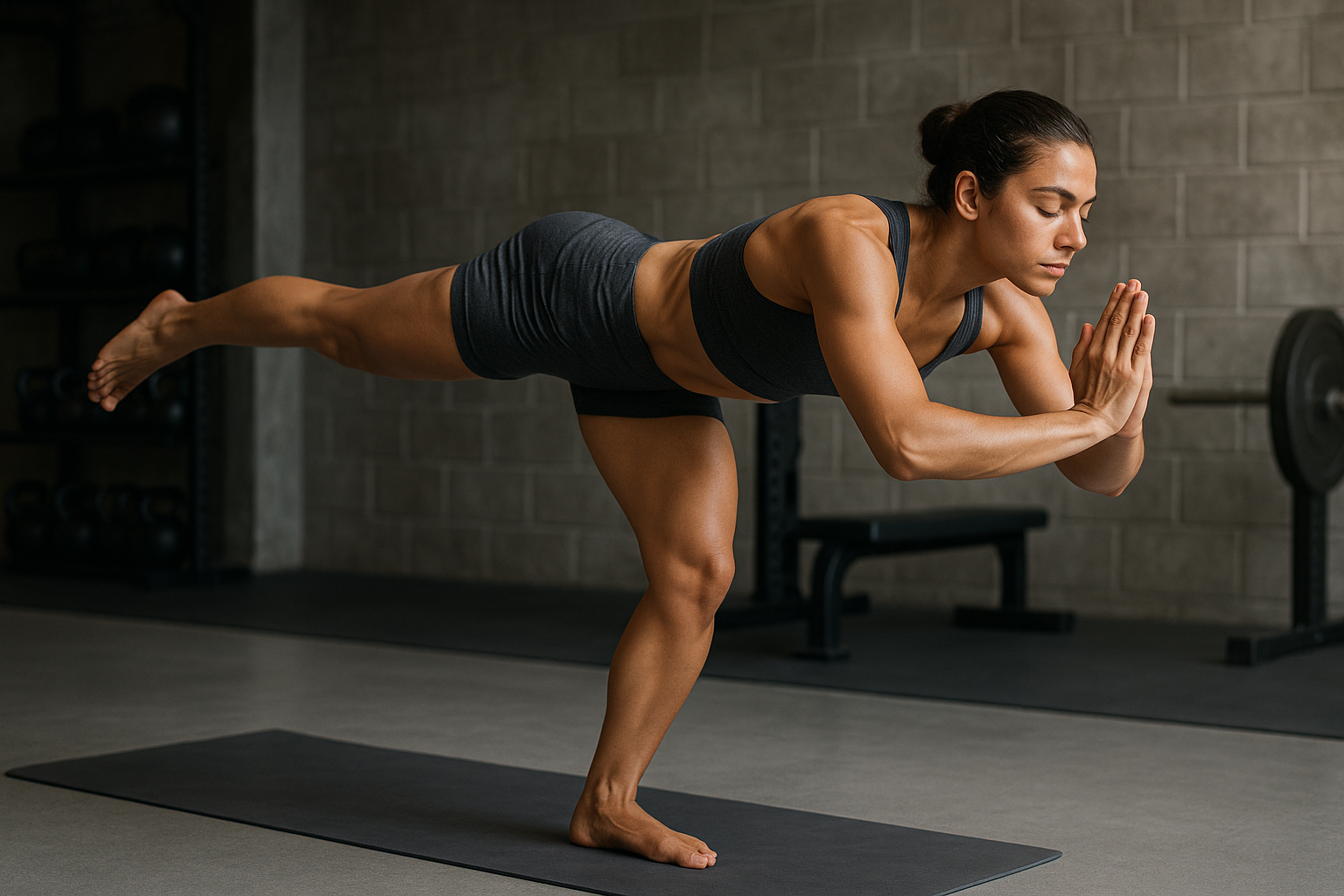
Moderate exercise can be joint-friendly and still challenging. Options like brisk walking on even ground, cycling on a stationary bike, water aerobics, or gentle incline walking can raise heart rate without high impact. Keep sessions steady rather than “spiky” (sudden bursts that push you breathless). Adding simple balance work a few times per week—such as heel-to-toe walking or controlled single-leg stands near a support—can complement moderate aerobic activity and support confident movement.
People with chronic pain: keep intensity moderate, keep movement kind
If you live with persistent back, neck, or joint pain, moderate exercise should feel manageable during and after. Choose low-impact activities first (walking, water-based exercise, cycling) and use the talk test to avoid drifting into a strain-heavy pace. A helpful rule is to reduce load before you reduce consistency: shorten the session, flatten the route, lower resistance, or add breaks—while keeping the habit intact.
Also pay attention to “protective” patterns such as tensing shoulders, clenching the jaw, or stiffening the lower back. These are signs to slow down, relax your breathing, and re-check alignment. If pain is sharp, worsening, or changes your gait, it’s a reason to stop and seek individual guidance from a qualified healthcare professional.
Frequently Asked Questions
What is considered moderate exercise?
Moderate exercise is activity that raises your heart rate to about 50–70% of your maximum and increases breathing, while still allowing you to talk in full sentences (but not sing comfortably).
How can I measure if I'm exercising at a moderate intensity?
You can use the talk test (talk but not sing), heart rate monitoring (often 50–70% of max heart rate), or perceived exertion (commonly around 12–14 on the Borg 6–20 scale, described as somewhat hard).
Can everyday activities count as moderate exercise?
Yes. Brisk walking, gardening, active housework, dancing, and climbing stairs can all count as moderate exercise if they raise your breathing and heart rate to a moderate level.
How often should I engage in moderate exercise?
A common guideline is to aim for 150 minutes per week of moderate-intensity activity, spread across several days. Many people benefit from building up toward 300 minutes per week for additional health and weight-management support.
What are the benefits of moderate exercise?
Moderate exercise supports cardiovascular health, helps with long-term weight management, can improve mood and energy, and is associated with a lower risk of several chronic diseases. It is also often easier to recover from than vigorous exercise, which can make it more sustainable. For additional support in maintaining good form and reducing discomfort, consider posture clothing designed for women or posture clothing for men.
Källor
- Cleveland Clinic (2021). "What Does Moderate Exercise Mean, Anyway?"
- Franciscan Health (2021). "Does Moderate Exercise Make a Difference?"
- Peloton (2021). "Understanding Moderate-Intensity Exercise"
- Boston University (2021). "Moderate, Vigorous Exercise Boosts Fitness"
- NHS (2021). "Physical Activity Guidelines for Adults Aged 19 to 64"
- AMA (2021). "Massive Study Uncovers How Much Exercise Needed to Live Longer"
- CDC (2021). "What Counts as Physical Activity?"
- Mayo Clinic (2021). "Exercise: 7 Benefits of Regular Physical Activity"
- American Heart Association (2021). "AHA Recommendations for Physical Activity in Adults"
- WHO (2021). "Physical Activity"
- Mayo Clinic (2021). "Exercise Intensity: How to Measure It"
- NHS (2021). "Exercise: Health Benefits"
- PubMed Central (2021). "Article on Exercise and Health"
- PubMed Central (2021). "Another Article on Exercise Benefits"
- Harvard T.H. Chan School of Public Health (2021). "Staying Active"