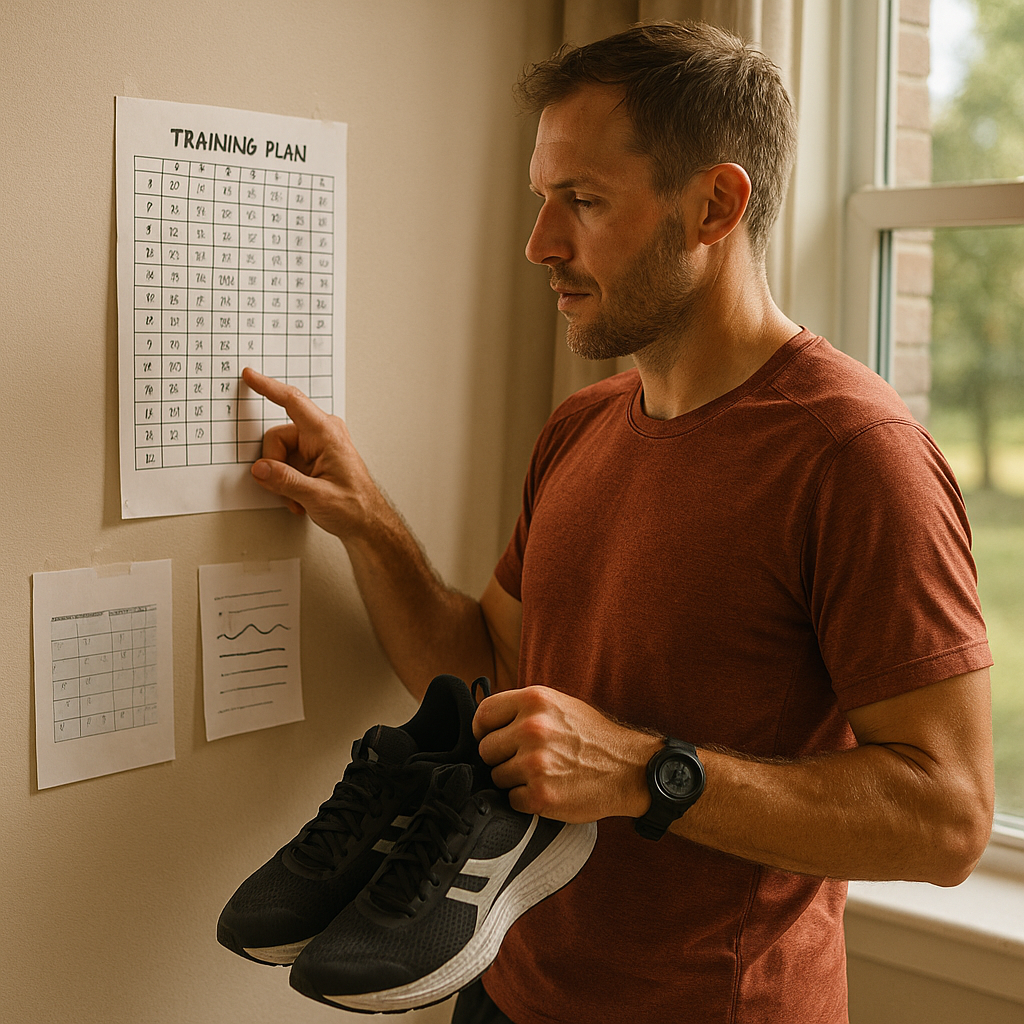
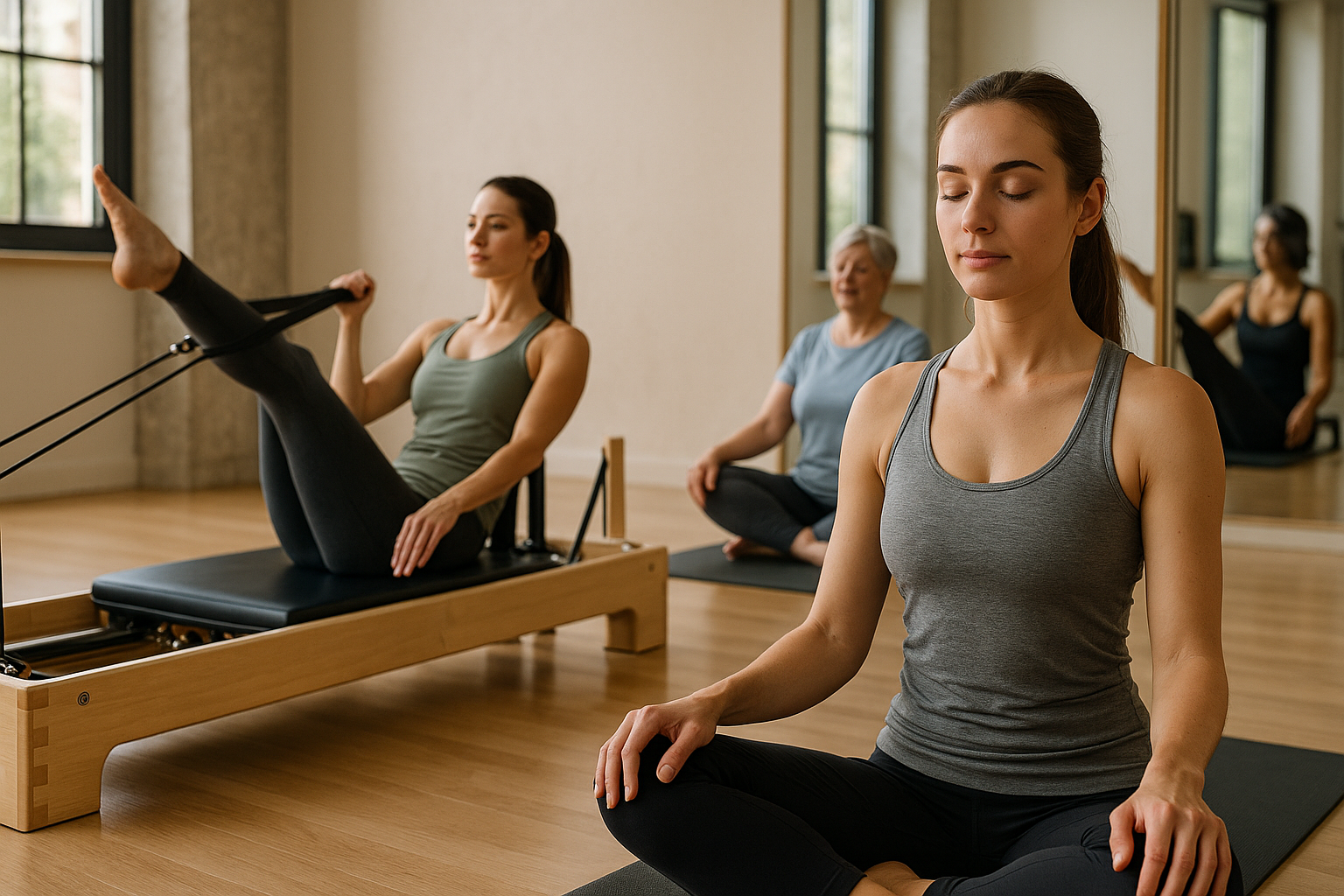
Body balance is one of those fitness concepts that sounds a little abstract—until you notice how much it affects everything you do. From walking up stairs without feeling “off” to lifting with better control, balance is often the difference between moving confidently and compensating in ways that eventually catch up with you. It also plays a quiet role in performance: when your body is evenly built and stable, you can generate force more efficiently, recover better, and reduce the wear-and-tear that comes from always leaning, twisting, or loading one side more than the other.
For many people, the wake-up call comes in everyday moments: one shoulder always feels tighter, one hip always takes over in squats, or one knee starts complaining after runs. These aren’t just annoying quirks. They can be signs that your body is distributing muscle, fat, and workload unevenly—creating patterns that influence posture, technique, and long-term joint health.
What body balance really means
In a fitness and body composition context, body balance refers to how evenly your body is built and how well it stabilises itself. That includes two connected pieces:
Muscle-fat distribution (how lean mass and fat mass are spread across your arms, legs, and trunk) and postural stability (how well you maintain alignment and control when you stand, walk, train, and change direction).
When those pieces don’t match up—say, one leg carries more muscle than the other, or your trunk is underdeveloped compared to your limbs—your body often finds a workaround. Over time, that can show up as altered posture, reduced range of motion, inefficient movement, and a higher risk of overuse injuries.
Why more people are focusing on body balance
Interest in body balance has grown because it goes beyond the scale. Two people can weigh the same and look similar, yet move very differently depending on symmetry, segment strength, and how their mass is distributed. For athletes, that can mean better power transfer and fewer setbacks. For gym-goers, it can mean more noticeable results because training becomes more targeted. And for anyone thinking long-term, it can mean fewer aches that stem from repeating the same imbalanced patterns for years.
The good news is that body balance is measurable and trainable. Modern body composition tools can break the body into segments—arms, legs, and trunk—to reveal left/right and upper/lower differences that are easy to miss in the mirror. In the next section, we’ll look at how segmental analysis works, what these scans can actually tell you, and how to use the insights to make smarter training choices.
Segmental lean analysis: the foundation of body balance assessment
If you want to improve body balance in a measurable way, segmental lean analysis is one of the most useful starting points. Instead of treating your body as one number (like total weight or total body fat), it breaks your lean mass down into key regions—typically left arm, right arm, trunk, left leg, and right leg. This makes it easier to spot patterns that are hard to see in the mirror, such as one leg doing more work in squats or one side of your upper body dominating pressing movements.
Most reports present each segment relative to a reference range, so you can see whether a body part is underdeveloped, well balanced, or carrying more lean mass than expected. The most actionable insights usually come from comparing:
- Left vs. right symmetry (common after old injuries, repetitive work, or one-sided sports)
- Upper vs. lower distribution (for example, strong upper body with comparatively undertrained legs)
- Trunk vs. limbs (a trunk that lags behind can affect posture, bracing, and force transfer)
Tools that measure body composition and symmetry
Several technologies are commonly used to assess body balance, and each has a slightly different role depending on your goal, budget, and access.
Bioelectrical impedance analysis (BIA) devices—often found in gyms and clinics—estimate body composition by sending a low electrical current through the body and measuring resistance. Many BIA systems provide segmental lean estimates, which is why they’re popular for tracking symmetry and training progress over time.
3D body scanning systems focus more on shape, circumferences, and visual symmetry. While they don’t always measure lean mass the same way as BIA, they can be helpful for identifying posture-related asymmetries and changes in body proportions that relate to training.
DEXA scans are often considered a highly detailed option for regional body composition, typically used when someone wants precise tracking of fat and lean distribution across the body. Because it’s not as convenient as an in-gym scan, it’s commonly used less frequently, with progress tracked over longer intervals.
Whichever method you use, consistency matters. Using the same device, under similar conditions (hydration, time of day, recent training), makes the trend more meaningful than any single measurement.
What imbalances can mean for health and performance
Not every imbalance is a problem, and small differences are normal. The issue is when a consistent asymmetry changes how you move. If one leg produces more force, you may shift your pelvis, rotate your trunk, or load one knee more heavily without noticing. Over time, that can contribute to technique breakdown, recurring tightness, and overuse.
From a performance perspective, body balance affects efficiency. Better symmetry often improves how you transfer force through the floor, stabilise under load, and control deceleration (which matters in running, court sports, and strength training). From a long-term perspective, chronic compensation can increase joint stress—especially when weak lower-body support leads to altered mechanics at the knees, hips, and lower back.
Exercise adjustments that help restore body balance
The most effective training changes are usually simple: increase the workload for the weaker side, improve control through full range of motion, and build trunk stability so the limbs can express strength evenly. Unilateral exercises are especially useful because they reduce the ability to “hide” a weak side.

Men's Posture Shirt™ - Black
Patented shirt that activates muscles and may relieve pain and tension. For everyday, exercise and work.
| Common imbalance | What it can look like | Exercises and adjustments |
|---|---|---|
| Left/right leg lean mass difference | Shifting in squats, one-sided knee or hip discomfort | Split squats, step-ups, single-leg press; start with the weaker leg and match reps on the stronger side |
| Left/right arm lean mass difference | Uneven pressing, one shoulder taking over | Single-arm dumbbell press/row, cable presses; slow eccentrics and strict form |
| Trunk underdeveloped vs. limbs | Difficulty bracing, lower-back fatigue, unstable lifts | Dead bug variations, Pallof press, loaded carries; prioritise breathing and ribcage-pelvis alignment |
| Upper body ahead of lower body | Strong presses/pulls but legs fatigue quickly | Increase lower-body volume: hinge + squat patterns; add posterior chain work (RDLs, hip thrusts) |
| Antagonist imbalance (front vs. back) | Rounded shoulders, tight hip flexors, limited mobility | Balance push/pull volume, add rear-delt and upper-back work, include glute bridges and hamstring curls |
One practical rule: don’t chase perfection—chase better movement. Re-scan or reassess periodically, but use your training quality (control, stability, pain-free range) as the day-to-day indicator that your body balance is improving.
Advanced ways to improve body balance
Once you understand your segmental lean analysis, the next step is to connect body balance to how you actually perform. A scan can show where lean mass is uneven, but it cannot fully explain how that imbalance shows up when you run, lift, or sit at a desk all day. This is where combining body composition data with simple performance tests can make your plan more precise.
Useful add-ons include:
- Mobility checks (for example, ankle dorsiflexion, hip rotation, and thoracic spine movement) to see whether a “weak” segment is also limited by range of motion.
- Stability and control tests (single-leg balance, step-down quality, or single-leg hinge control) to identify whether the issue is strength, coordination, or both.
- Endurance comparisons (side plank holds, single-leg calf raises, or split squat time-under-tension) to reveal side-to-side fatigue differences that often mirror scan asymmetries.
When these layers line up—scan data, movement quality, and fatigue patterns—you can build a training plan that targets the real limiter rather than guessing. For example, if your scan suggests a left/right leg difference and a step-down test shows the weaker side collapses inward, the priority is not just “more leg work.” It is controlled single-leg strength, hip stability, and technique that keeps the knee tracking well under load.
How to use scan results to personalise your training
Personalisation does not need to be complicated. The goal is to give the underperforming segment a slightly better training stimulus while keeping total training balanced. In practice, that often means:
- Prioritising unilateral work early in the session when coordination is best (split squats, single-arm presses, single-leg RDLs).
- Starting with the weaker side and matching reps on the stronger side, rather than letting the strong side set the pace.
- Using tempo and pauses to improve control (slow lowering phases, 1–2 second pauses in stable positions).
- Reassessing in cycles (for example every 6–12 weeks) so you can adjust volume once symmetry improves.
It also helps to keep expectations realistic. Body balance improvements are usually gradual, especially if the imbalance is linked to an old injury, a long-term sport pattern, or years of one-sided daily habits. Consistency and quality of movement matter more than constantly changing exercises.
Ergonomics and tools that support better body balance
Training is only part of the equation. Daily ergonomics can either reinforce good alignment or quietly maintain the same compensations you are trying to fix. If you spend hours sitting, carrying a bag on one shoulder, or standing with most of your weight on one leg, your body will practise imbalance all day long.
Practical tools and habits that can support body balance include:
- Resistance bands for activation and control work (glute medius engagement, scapular stability, anti-rotation presses). Bands are especially useful for building the “support muscles” that keep joints aligned.
- Balance boards or unstable pads to challenge foot and ankle control and improve proprioception. These work best as a supplement, not a replacement for strength training.
- Supportive mats and footwear choices if you stand for long periods, helping reduce fatigue-driven compensations that can shift load to one side.
- Micro-break routines (1–2 minutes, a few times per day) including calf raises, hip flexor stretches, and thoracic extensions to reset posture and reduce stiffness.
The key is to use ergonomic tools to make good positions easier to maintain, not to “outsource” stability. If a tool helps you practise better alignment and control, it can reinforce the same body balance goals you work on in the gym.

Women's Posture Shirt™ - Black
Patented shirt that activates muscles, improves posture and can relieve pain. Documented effect.
Frequently Asked Questions
What is body balance and why is it important?
Body balance refers to how evenly muscle and fat are distributed across the body and how well you maintain stable alignment during movement. It matters because persistent imbalances can affect posture, increase compensation patterns, and raise the risk of overuse injuries. Balanced development also tends to improve movement efficiency and overall training quality.
How can I assess my body balance?
You can assess body balance with body composition tools that provide segmental analysis, such as InBody and Visbody scans, and in some cases DEXA scans for detailed regional data. For the most useful results, repeat assessments under similar conditions (time of day, hydration, recent training) and combine scan insights with basic movement tests.
What exercises can help improve body balance?
Unilateral exercises are often the most effective because they expose side-to-side differences and reduce compensation. Examples include split squats, step-ups, single-leg RDLs, single-arm presses, and single-arm rows. Adding trunk stability work (such as Pallof presses and loaded carries) can also help you transfer force more evenly between upper and lower body.
Can improving body balance enhance athletic performance?
Yes. Better body balance can improve force transfer, control during deceleration, and stability under load. This often translates into cleaner technique, more efficient movement, and fewer interruptions from recurring aches or minor injuries.
Are there any tools that can help with body balance?
Tools such as resistance bands, balance boards, and supportive mats can help reinforce stability and control, especially when paired with a structured strength programme. They are most effective when used to practise good alignment and build consistency in weaker segments, rather than as a standalone solution.
Källor
- Gelita. (n.d.). "How BodyBalancer Can Support Lifelong Fitness Goals."
- Advantage ENT. (n.d.). "How Hearing and Balance Work Together."
- PMC. (2014). "The Role of Vestibular System in Balance."
- Healthy Hearing. (n.d.). "Explainer: How Hearing & Balance Are Connected."
- ISSA. (n.d.). "What Is Body Balance and Why Should You Care."
- Les Mills. (n.d.). "All You Need to Know About BodyBalance."
- Beyond Beauty Paris. (n.d.). "What You Need to Know About BodyBalance Exercise."
- Bannatyne. (n.d.). "All You Need to Know About BodyBalance."
- Balance & Dizziness Canada. (n.d.). "The Balance System."