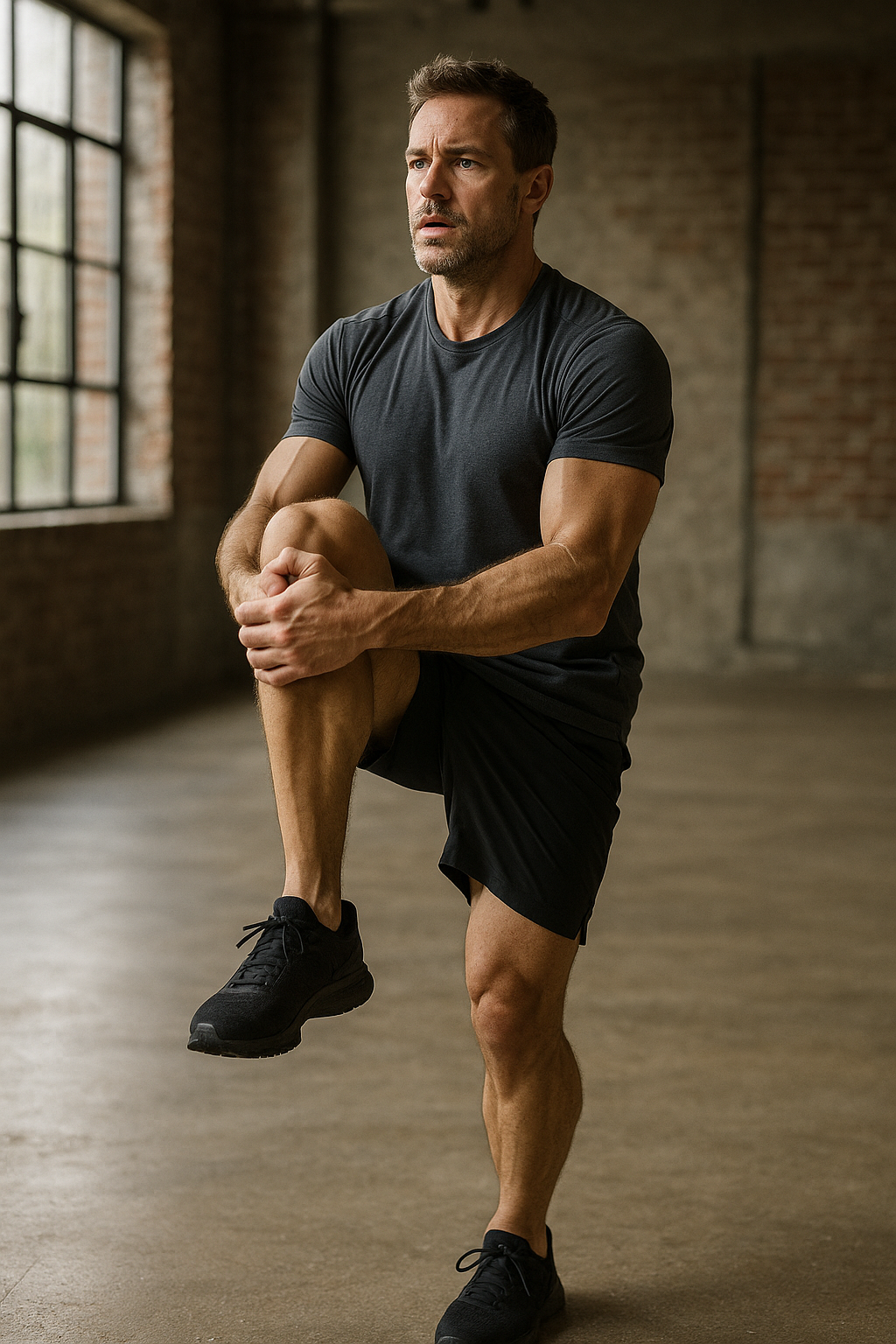
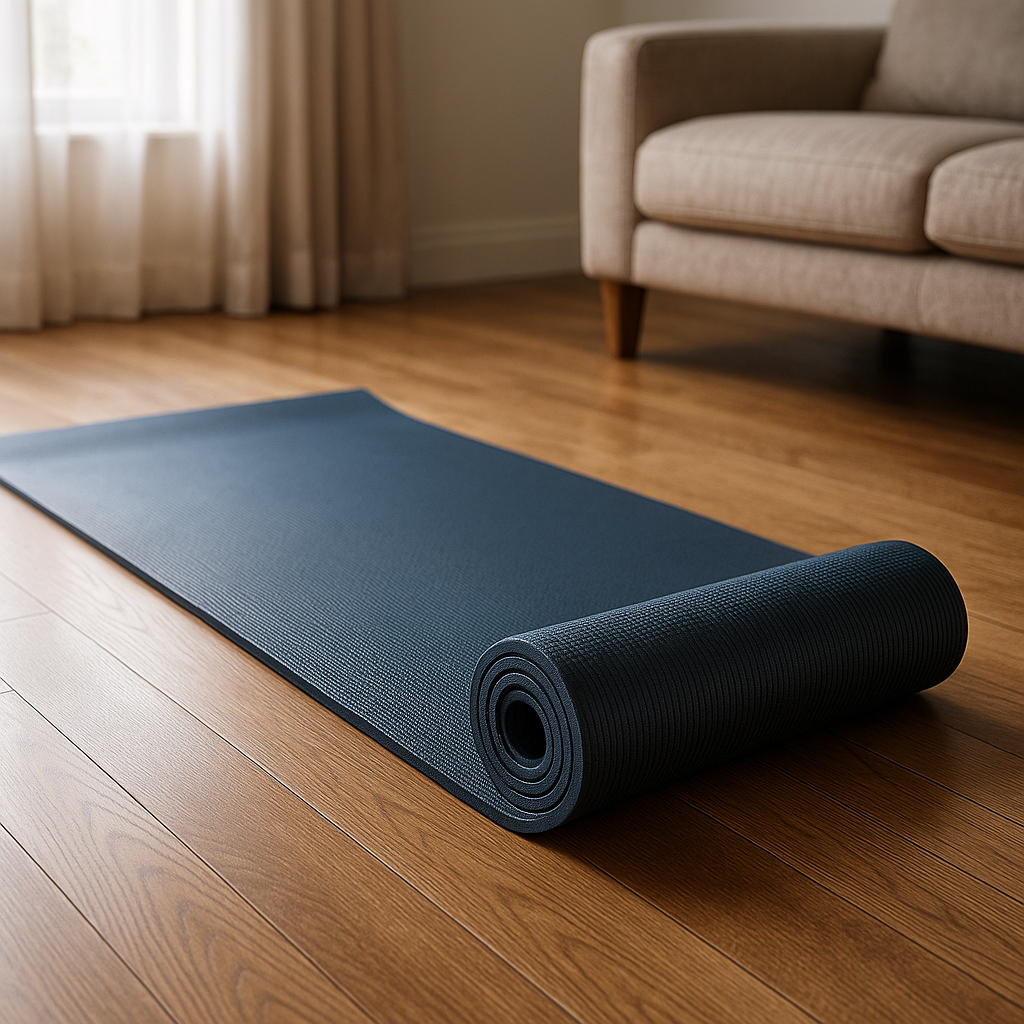
Pilates has a way of meeting you where you are. It can be gentle enough to feel approachable on day one, yet precise enough to challenge seasoned athletes. That versatility is a big reason pilates exercises have become a go-to for everyone from desk workers with tight hips to older adults who want to move with more confidence. At its core, Pilates is about controlled strength, steady breathing, and better alignment—three things many bodies are missing after long days of sitting, scrolling, and commuting.
What makes Pilates especially compelling is that the benefits often show up in everyday life, not just during a workout. The method is widely associated with improved core strength, better mobility, and fewer nagging aches. Instead of chasing intensity for its own sake, Pilates trains the muscles that support your spine and joints, helping you move with more stability and less compensation. For many people, that translates to a taller posture, a calmer neck and shoulders, and a back that feels more resilient during normal tasks like carrying groceries or getting up from a chair.
Why pilates fits modern bodies
Modern routines tend to pull us into the same positions for hours: rounded shoulders, forward head posture, and a pelvis that stops moving freely. Over time, that can contribute to stiffness, reduced body awareness, and discomfort that lingers—especially in the lower back, hips, and upper back. Pilates addresses these patterns by focusing on alignment, controlled range of motion, and the deep stabilising muscles that help you hold good posture without “bracing” all day.
Another reason pilates exercises are so relevant right now is their low-impact nature. Many movements build strength and coordination without pounding the joints, which makes the practice appealing across ages and fitness levels. Whether your goal is to feel better at your desk, support your training in other sports, or simply move with less pain, Pilates offers a structured way to rebuild the basics: breathing, control, and balanced strength.
What you can expect from this guide
In the next sections, we’ll break down how Pilates supports posture and pain relief through core stability, improved body awareness, and joint-friendly strength. We’ll also look at why it can be a smart complement to other training styles, and how it may help you feel more energised and less stressed. If you’re looking for a practical, body-smart approach to moving better, you’re in the right place.
Core strength and stability: the foundation behind better posture
One of the most consistent themes across pilates exercises is the emphasis on deep core control. In Pilates, “core” is not just the visible abdominal muscles; it includes deeper stabilisers such as the transverse abdominis, pelvic floor, multifidus (small spinal stabilisers), and the diaphragm. When these muscles coordinate well, the spine is supported from the inside out, which can reduce the tendency to collapse into a slumped posture or over-arch the lower back.
This matters for pain relief because many everyday aches are linked to poor load distribution. If the trunk isn’t stable, the body often compensates by gripping through the lower back, tightening the hip flexors, or tensing the neck and shoulders. Pilates trains you to create stability with less strain, using controlled movement and precise alignment rather than brute force.
Research reviews on Pilates have reported improvements in trunk stability and balance, with particular relevance for older adults. Better trunk control supports safer walking, smoother transitions (like standing up from a chair), and can contribute to fall risk reduction—an important consideration as falls remain a major health concern with age.

Women's Posture Shirt™ - Black
Stimulates the muscles and can relieve pain and tension. Designed for work, exercise, and leisure.
Posture improvement through body awareness and alignment
Posture isn’t only a strength issue; it’s also a perception issue. Many people simply lose track of what “neutral” feels like after years of sitting and screen time. Pilates places a strong focus on proprioception—your ability to sense where your body is in space. That improved body awareness can help you notice when your ribs flare, your shoulders creep upward, or your head drifts forward, and then correct it before discomfort builds.
Over time, this can translate into fewer tension patterns that contribute to headaches, upper-back tightness, and the “always on” feeling in the neck. Instead of forcing yourself to “sit up straight,” Pilates encourages a more sustainable approach: stacking the ribcage over the pelvis, letting the shoulder blades sit comfortably on the back, and using the breath to maintain a sense of length through the spine.
Pilates also complements other training styles well. Strength training and cardio improve fitness in big ways, but they don’t always address the smaller stabilising muscles or movement quality. By building control through the core and glutes, Pilates can support better mechanics in activities like running, lifting, cycling, and even walking—often with less wear-and-tear on the lower back and hips.
Injury prevention and joint health with low-impact training
A major reason pilates exercises suit such a wide range of bodies is that they are typically low-impact. There’s usually no jumping, pounding, or rapid direction changes, which can make Pilates a smart option if you’re managing joint sensitivity, returning from time off, or looking for a joint-friendly way to build strength.
Low-impact doesn’t mean low value. Pilates challenges stability, coordination, and mobility at the same time. Many movements strengthen muscles around key joints—hips, shoulders, knees, and ankles—helping the body create support where it needs it most. This can be especially useful for athletes who want to improve control at end ranges (where injuries often happen) and for anyone rebuilding confidence after a flare-up.
Another benefit is balanced flexibility. Pilates doesn’t chase flexibility for its own sake; it aims for usable range of motion that you can control. That combination of mobility and stability is a cornerstone of injury prevention because it helps joints move smoothly without relying on compensations like twisting through the lower back or shrugging through the shoulders.
Stress reduction and mindfulness: why breath matters
Pilates is often described as “moving meditation,” and there’s a practical reason behind that. The method links breathwork with movement, encouraging steady inhalations and exhalations that support control and reduce unnecessary tension. When you breathe well, you tend to brace less, move more efficiently, and recover faster between efforts.
Studies on mindful movement practices, including Pilates, have associated regular participation with reduced stress and improved mental well-being. Some research also points toward physiological changes such as lower cortisol levels, alongside improvements in focus and cognitive performance. While results vary by individual and study design, the overall pattern is consistent: Pilates can be as beneficial for the nervous system as it is for the muscles.
Energy and mood enhancement you can feel day to day
It may sound counterintuitive, but controlled exercise can be energising. Pilates encourages efficient breathing mechanics and full-body circulation, which can support a more “awake” feeling after a session rather than the drained sensation that sometimes follows high-intensity workouts. Improved oxygen delivery and better movement efficiency are frequently cited reasons people report a noticeable lift in mood and energy.
For many, the biggest win is how these benefits compound: stronger trunk support makes posture easier, better posture reduces strain, reduced strain improves comfort, and feeling more comfortable makes it easier to stay active. That virtuous cycle is a big part of why pilates exercises are often recommended for long-term posture improvement and pain relief.
Pilates exercises for desk workers: practical support for posture
If you spend most of the day seated, posture challenges rarely come from one “bad position” alone. They usually build from long, uninterrupted time in the same shape: hips flexed, ribcage collapsed, shoulders rounding forward, and the head drifting in front of the body. Over time, this can create a familiar pattern of discomfort—tight hip flexors, an achy lower back, and tension through the neck and upper back.
Pilates exercises can help desk workers because they train two things many office routines neglect: controlled spinal movement and endurance in the deep stabilising muscles. The goal is not to force a rigid upright posture, but to make alignment feel more natural by improving how your trunk, hips, and shoulder blades coordinate.
To integrate Pilates into a workday, think in “micro-sessions” rather than long workouts. A few minutes before work, a short reset at lunch, or a decompression routine after logging off can be enough to counter the most common desk-related patterns. Focus on movements that encourage thoracic extension (upper-back opening), hip mobility, and gentle core engagement—especially exercises that teach you to keep the ribs stacked over the pelvis while breathing steadily.
Ergonomics still matters. Pilates works best when it supports a setup that reduces strain in the first place: feet grounded, hips and knees comfortably supported, screen at a height that doesn’t pull the head forward, and shoulders relaxed rather than lifted. When your workstation is reasonably aligned, Pilates becomes a way to reinforce that alignment with strength and body awareness—so you are not “holding posture,” you are simply sitting and standing with less effort.

Men's Posture Shirt™ - Black
Promotes better posture and can relieve pain and tensions. Medical device for daily support.
Pilates exercises for seniors: mobility, confidence, and fall prevention
Pilates is often recommended for older adults because it combines strength, balance, and mobility in a low-impact format. That mix is especially relevant as we age, when joint stiffness, reduced leg strength, and slower balance reactions can make everyday tasks feel less stable. Pilates helps by training controlled movement, improving trunk stability, and building strength in the hips and legs—key areas for walking, stair climbing, and getting up from a chair.
Another advantage is that Pilates can be scaled. Movements can be performed with support (such as a chair or wall), in smaller ranges of motion, or at a slower pace. That adaptability makes it possible to train consistently without needing high intensity. Consistency matters because the benefits of Pilates—better coordination, improved posture, and stronger stabilising muscles—tend to build gradually and then carry over into daily life.
Organisations focused on healthy aging have highlighted Pilates as a useful option for maintaining balance and mobility. For seniors, the most meaningful outcome is often not a specific fitness metric, but greater confidence: feeling steadier when turning, more secure when carrying items, and less hesitant when moving through uneven environments.
Final thoughts: making Pilates a long-term habit
The most transformative aspect of Pilates is how it changes the way you move between workouts. Better posture is not just about looking taller; it can reduce strain on the neck, shoulders, and lower back. Pain relief is not just about “fixing” one area; it often comes from improving how the whole body shares load through the core, hips, and upper back.
If you are new to Pilates, start with a beginner-friendly class or a short routine you can repeat. If you already train regularly, Pilates can be a smart complement that improves control, alignment, and recovery. Over time, pilates exercises can become a reliable tool for staying mobile, resilient, and comfortable—at your desk, in your sport, and in everyday life.
Frequently Asked Questions
What are the primary benefits of Pilates exercises?
Pilates exercises are commonly associated with improved core strength and stability, better posture and body awareness, increased mobility and flexibility you can control, and reduced stress through breath-focused movement. Many people also notice fewer tension patterns in the neck, shoulders, hips, and lower back over time.
Can Pilates help with back pain?
Yes, Pilates is widely used to support back pain relief by improving trunk stability, strengthening deep core muscles, and encouraging better alignment. By reducing compensations—such as overusing the lower back when the core and hips are not doing their share—Pilates can make everyday movements feel more supported and less irritating.
Is Pilates suitable for beginners?
Absolutely. Pilates can be adapted to different fitness levels and needs. Beginners can start with slower pacing, smaller ranges of motion, and simpler variations while still gaining meaningful benefits in posture, control, and strength.
How often should I practice Pilates to see results?
Many people see noticeable improvements with 2–3 sessions per week, especially when paired with regular movement breaks during the day. Consistency tends to matter more than intensity, particularly for posture changes and long-term pain reduction.
Are there specific Pilates exercises for desk workers?
Yes. Desk workers often benefit most from Pilates movements that open the chest and upper back, improve hip mobility, and build endurance in the deep core and glutes. Short, ergonomic-focused routines can be done at home and, in some cases, in the office to help counteract prolonged sitting and support better alignment.