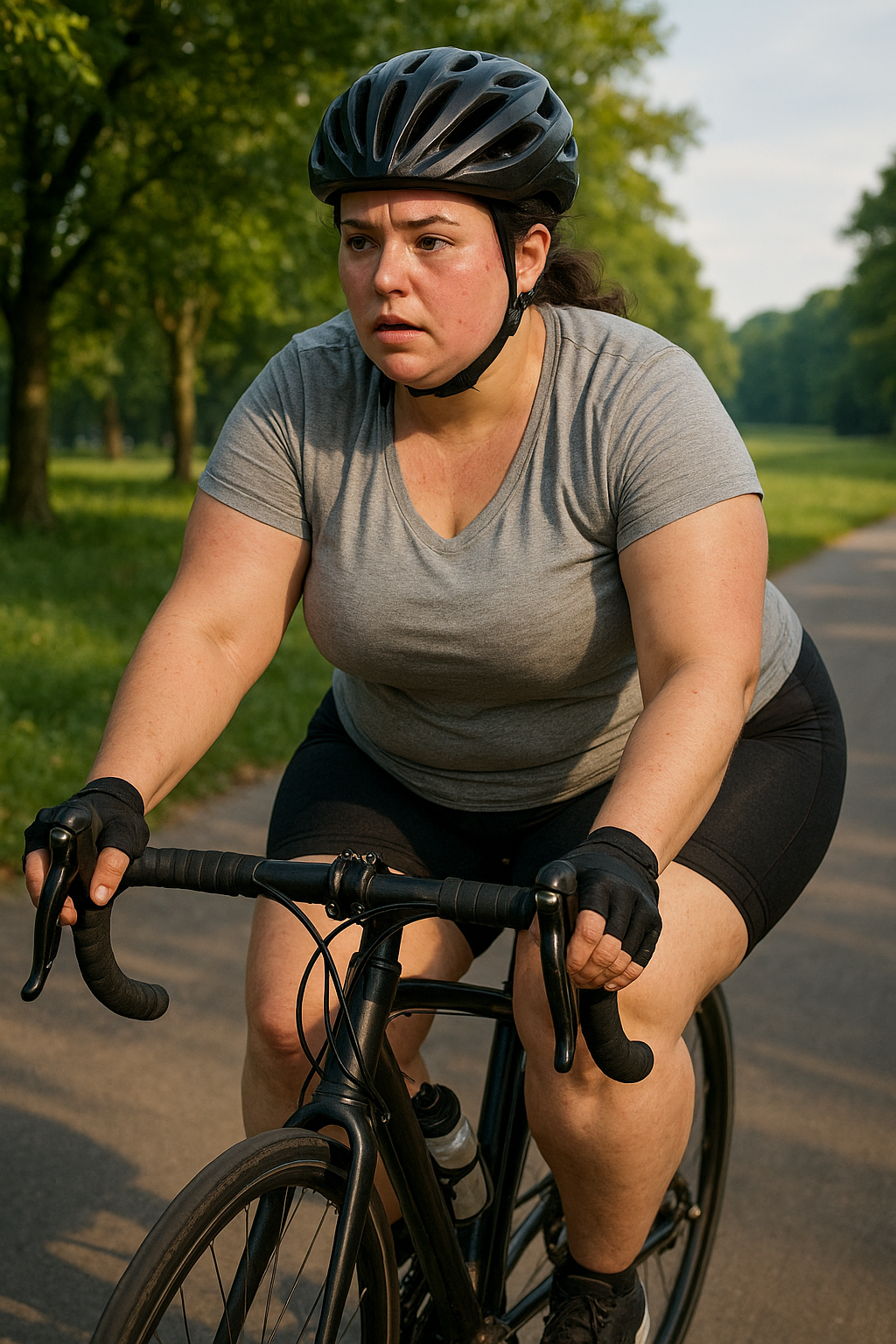
Running in nature is more than just a physical activity; it's a holistic exercise that rejuvenates both the body and the mind. The allure of outdoor running lies in its ability to seamlessly blend fitness with the therapeutic embrace of the natural world. As more people discover the joys of running amidst trees, trails, and open skies, it becomes evident that this form of exercise offers unparalleled benefits.
In recent years, especially during the pandemic, there has been a noticeable shift towards outdoor activities. With gyms closed and social gatherings limited, many individuals turned to nature as a refuge, seeking solace and a way to maintain their physical and mental health. Running in natural settings has emerged as a popular choice, offering a refreshing escape from the confines of indoor spaces and the monotony of urban environments.
The growing trend of outdoor running
The surge in outdoor activities is not just a passing trend but a reflection of a deeper understanding of the benefits that nature offers. Running in nature provides a unique opportunity to connect with the environment, offering a sense of freedom and tranquility that is hard to replicate indoors. The rhythmic sound of footsteps on a forest trail, the fresh scent of pine, and the sight of sunlight filtering through leaves can transform a simple run into a meditative experience.
This blog post aims to explore the transformative power of running in nature, delving into the myriad benefits it offers. From enhancing physical fitness to boosting mental health, running in natural settings can have a profound impact on overall wellbeing. Additionally, we'll provide practical tips on how to safely enjoy this activity, ensuring that your outdoor running experience is both enjoyable and rewarding.
Whether you're a seasoned runner looking to switch up your routine or a beginner seeking a new way to stay active, running in nature offers something for everyone. It's an invitation to step outside, breathe in the fresh air, and experience the world in a new way. As we delve deeper into the benefits and practicalities of running in natural environments, you'll discover why this activity is more than just exercise—it's a journey towards a healthier, happier you.
The physical benefits of running in nature
Running in nature offers a dynamic workout that can significantly enhance physical fitness. Unlike the predictable surfaces of a treadmill or city pavement, natural terrains present a variety of challenges. Trails, hills, and uneven ground require more effort and engage different muscle groups, improving strength, agility, and cardiovascular health. This varied terrain helps runners build endurance while also enhancing their balance and coordination.
Another significant advantage of running on natural surfaces is the reduced impact on joints. Soft terrains like grass and dirt trails provide a cushioned landing compared to the hard surfaces of asphalt or concrete. This can help prevent injuries and is particularly beneficial for individuals with joint concerns or those recovering from injuries. The table below compares the impact of different running surfaces on joints and muscles:
| Surface | Impact on Joints | Muscle Engagement |
|---|---|---|
| Asphalt | High | Moderate |
| Grass | Low | High |
| Trails | Moderate | High |
The mental benefits of running in nature
Running in nature is not only beneficial for the body but also for the mind. Numerous studies have highlighted the mental health benefits of being immersed in natural environments. Exposure to nature has been shown to reduce stress levels significantly, as evidenced by decreased cortisol levels and increased serotonin production. This natural stress relief can lead to improved mood and a reduction in symptoms of anxiety and depression.
Furthermore, running outdoors fosters a profound connection with nature, which can enhance overall wellbeing. The sights, sounds, and smells of a natural setting can transform a routine run into a meditative experience, promoting mindfulness and a sense of peace. This connection with the environment can also lead to increased feelings of happiness and satisfaction, making running in nature a powerful tool for mental health.
Practical tips for running in nature
To maximize the benefits of running in nature, it's essential to take certain precautions and prepare adequately. Safety should always be a priority. Inform someone of your planned route, carry a mobile phone, and stay aware of potential wildlife encounters. Wearing appropriate clothing and footwear is crucial, as different terrains and weather conditions demand specific gear. Trail running shoes with good grip and support can prevent slips and falls on uneven surfaces.
When planning your route, consider using apps or local resources to find scenic and safe trails. Exploring new routes can keep your running routine exciting and challenging. Additionally, pay attention to weather conditions and adjust your plans accordingly to ensure a safe and enjoyable experience. By following these practical tips, you can fully enjoy the transformative power of running in nature.
Making outdoor running comfortable and sustainable
Running in nature can be a rewarding experience, but it's essential to consider ergonomic factors to make it both comfortable and sustainable. Maintaining proper posture is crucial to prevent injuries. Keep your head up, shoulders relaxed, and arms at a 90-degree angle. This posture helps reduce strain on your body and enhances your running efficiency. Additionally, pacing yourself is vital. Start with a comfortable speed and gradually increase your pace as your body adapts to the natural terrain.

Men's Posture Shirt™ - Black
Improves posture and muscle activity, relieves tension and pain during work, exercise, and leisure.
Recovery is another critical aspect of a sustainable running routine. After a run, it's important to stretch your muscles to prevent stiffness and promote flexibility. Hydration is key, so drink plenty of water before and after your run. Nutrition also plays a significant role in recovery; consume a balanced meal with proteins and carbohydrates to replenish energy stores and aid muscle repair.

Women's Posture Shirt™ - Black
Supports posture, relieves pain, activates muscles—ideal for sitting or being active.
For beginners, having a checklist can make outdoor running more manageable. Ensure you have essentials like water, snacks, a phone for emergencies, and a basic first-aid kit. This preparation not only enhances comfort but also ensures safety, allowing you to fully enjoy the transformative power of running in nature.
Frequently asked questions
What are the best times of day to run in nature?
Early mornings or late afternoons are ideal for running in nature. These times offer cooler temperatures, making the experience more comfortable, and the trails are often quieter, providing a more peaceful environment.
How can I stay motivated to run outdoors regularly?
To maintain motivation, set achievable goals and track your progress. Vary your routes to keep the experience fresh and exciting. Joining a running group or finding a running buddy can also provide encouragement and accountability.
Are there specific shoes recommended for trail running?
Yes, trail running shoes are recommended for uneven terrains. These shoes offer better grip and support, reducing the risk of slips and falls, and they are designed to handle the rugged conditions often encountered in nature.
How do I deal with inclement weather while running outside?
Dress in layers to adjust to changing temperatures and use waterproof gear to stay dry. Plan your route to avoid hazardous areas and ensure safety during adverse weather conditions. Always prioritize safety and consider postponing your run if conditions are severe.
Kilder
- Peloton. (n.d.). "Why Do My Ears Hurt After Running?" Peloton Blog.
- PubMed. (2017). "Study on the Benefits of Outdoor Exercise." PubMed Central.
- Excelaud. (n.d.). "Nature and Hearing Health Benefits." Excelaud Blog.
- Brooks Running. (n.d.). "Benefits of Running Outside." Brooks Running Blog.
- Tennessee State Parks Conservancy. (n.d.). "Why We Love Running in Nature." Tennessee State Parks Conservancy.