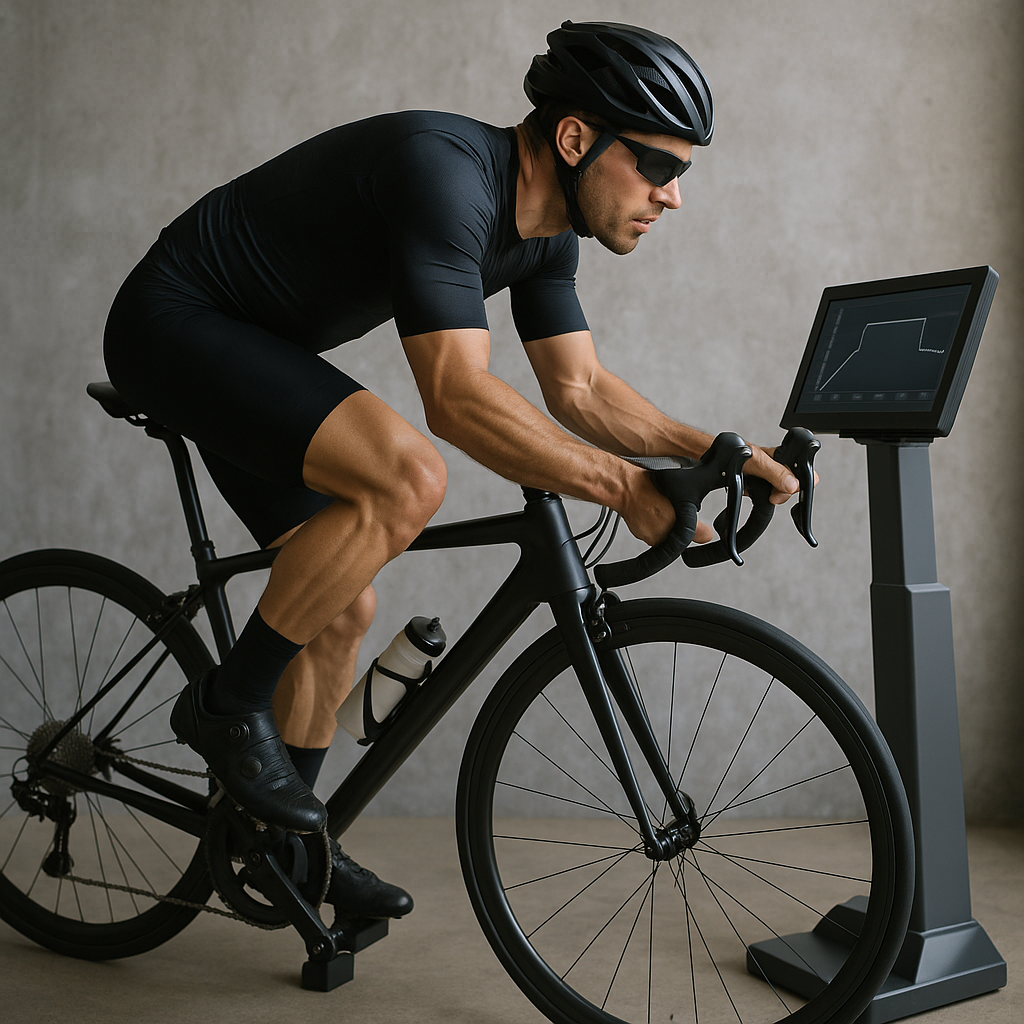
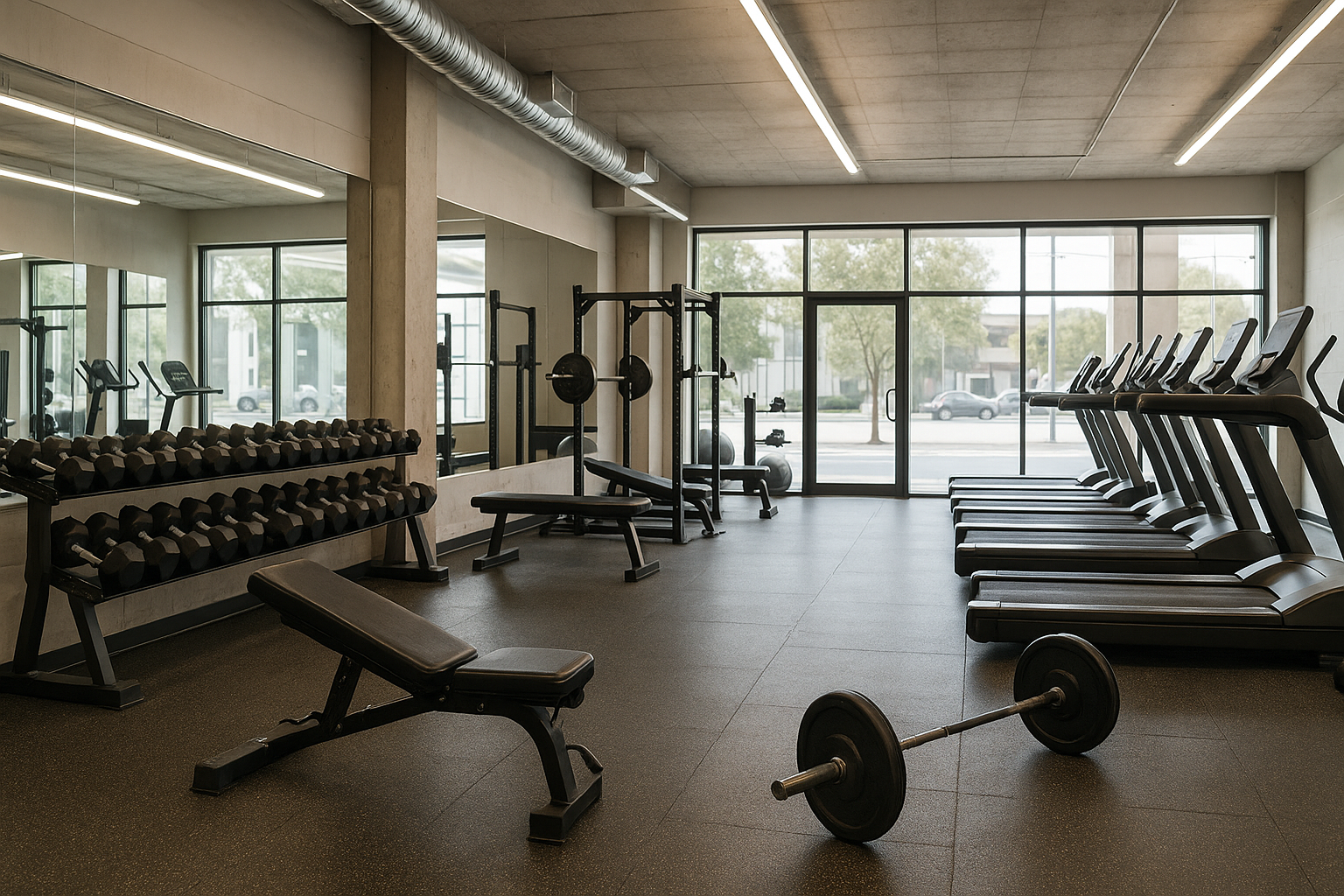
An active lifestyle has a certain pull because it promises more than a stronger body. It’s a practical, day-to-day way of feeling better in your own skin: steadier energy, clearer focus, and a sense that your body is working with you instead of against you. It’s also why the topic keeps rising in popularity—more people are looking for routines that support both physical health and mental well-being, not just a short-term fitness push.
Still, the phrase can sound intimidating. Many assume it means intense training sessions, strict schedules, and sore muscles on repeat. In reality, an active lifestyle is far more flexible. It can be a brisk walk after dinner, cycling to the store, a short strength session at home, or a yoga flow that loosens up stiff hips after a long day at a desk. The common thread isn’t intensity—it’s consistency and variety, built around what you’ll actually keep doing.
What does an active lifestyle look like in real life?
Start with a simple question: what would you like to change? Are you trying to boost energy levels so afternoons don’t feel like a crash? Improve your mood and reduce stress? Manage weight in a way that feels sustainable? Movement can help with all of these, and it doesn’t require a complete life overhaul. Small choices—taking the stairs, walking during calls, adding mobility work before bed—stack up quickly when they become routine.
This matters more than ever because modern life is designed to keep us sitting. Many of us spend hours at a desk, then commute, then unwind on the sofa. That sedentary baseline can leave the body feeling tight, sluggish, and easily fatigued. Building more movement into your week is one of the most straightforward ways to counterbalance it—especially when you choose activities that fit your preferences, age, and daily schedule.
Making it accessible (and easier on your body)
The best plan is the one you can repeat. If you enjoy group energy, you might gravitate toward Pilates or fitness classes. If you prefer simplicity, walking and running are easy to start and easy to track. If your goal is to feel less stiff, stretching-focused sessions can be a game changer. And if you’re returning to movement after a break, comfort and ergonomics matter: supportive footwear, sensible progression, and a setup that encourages good posture can help you stay consistent without unnecessary aches.

Men's Posture Shirt™ - Black
Activates muscles and improves posture; can relieve pain and tension. Medical device–registered.
Next, we’ll look at the concrete benefits of regular activity and the trends shaping how people choose to move today.
Health benefits of an active lifestyle
Regular movement supports the body in ways that add up over time, even when the sessions are short. One of the most practical benefits is weight management: when you move more, you burn more calories, which can help prevent gradual weight gain. But the value goes well beyond the scale. Consistent activity supports heart and lung function, helps maintain muscle mass, and can improve how well your joints tolerate everyday tasks like carrying groceries, climbing stairs, or standing for long periods.
It also improves “movement capacity” in daily life. Stronger legs and hips can make walking feel easier. A more stable core can reduce the sense of fatigue in the lower back during sitting and lifting. Better mobility in ankles, hips, and shoulders can make everything from running to reaching overhead feel smoother. For many people, this is where an active lifestyle becomes self-reinforcing: the body feels better, so it’s easier to keep moving.
Seven benefits of regular physical activity
| Benefit | What it can support in everyday life |
|---|---|
| Weight management | Helps balance calorie intake and energy use over time |
| Cardiovascular health | Supports heart function and stamina for walking, cycling, and stairs |
| Stronger muscles | Makes lifting, carrying, and posture easier to maintain |
| Stronger bones | Weight-bearing activity helps maintain bone strength with age |
| Better mood | Movement can help reduce stress and improve day-to-day resilience |
| More energy | Regular activity often improves perceived energy and reduces sluggishness |
| Improved sleep | Supports sleep quality, especially when activity is consistent |
Mental clarity, stress relief, and better sleep
An active lifestyle is often described as “good for the mind,” but that can sound vague until you experience it. Movement gives the nervous system a chance to shift gears. A walk outdoors can lower perceived stress. Strength training can build confidence because progress is measurable. Mobility work can feel like a reset button after a day of sitting.
Sleep is another common win. People who move regularly often find it easier to fall asleep and stay asleep, especially when activity becomes a steady routine rather than an occasional burst. If you’re prone to late-day restlessness, a gentle session—stretching, yoga, or a relaxed cycle—can be a calmer choice than intense training right before bed.
What people are actually doing: trends and demographics
Not all activities appeal to everyone, and search behavior reflects that. Data-driven research into exercise-related searches shows clear patterns in what people look for and who is most likely to search for it. Pilates stands out as a highly searched activity (around 266,000 searches), with the majority of interest coming from women (about 74.8%). Running shows the opposite skew in the same analysis, with men representing a larger share of interest (about 62.4%). Muscle training also trends more male in that dataset (about 59.3%).
Age plays a role too. Interest in many activities tends to peak in midlife, with a noticeable high point around the 40–49 range for several exercise terms. Preferences can also shift later on: stretching-related searches are especially common among people aged 50–59, while tai chi becomes more prominent in the 70+ range. The takeaway is simple: the “best” activity is often the one that matches your current needs—energy, strength, mobility, balance—and your willingness to do it consistently.
The commercial side of an active lifestyle (and why it matters)
Even when people are mainly looking for information, their next step is often practical. That’s why searches like gym near me, workout routines, fitness classes, and personal trainer are so common: they signal readiness to act. The same is true for product-based searches such as fitness clothing, gym clothes, and athletic wear. These terms show that many readers aren’t just curious—they’re building a routine and want the right setup to support it.
For individuals, this is a useful reminder: comfort and convenience are not superficial. The right shoes can make walking feel easier on the joints. Clothing that doesn’t restrict movement can make strength training more enjoyable. A simple home setup—space to stretch, a mat, a resistance band—can remove friction and make it more likely you’ll follow through.

Women's Posture Shirt™ - Black
Boosts posture, relieves pain and tension. Medical device–registered; ideal for active and seated use.
For businesses and creators, these patterns highlight an opportunity to meet people where they are: combining clear, evidence-based guidance with practical recommendations that reduce barriers to movement. When the goal is long-term consistency, the most valuable “fitness upgrade” is often the one that makes activity feel easier to start and easier to repeat.
How to build an active lifestyle that lasts
Once you understand the benefits and the trends, the next step is making an active lifestyle realistic in your own context. The most sustainable approach is rarely “more intensity.” It is usually better planning, fewer barriers, and a routine that fits your schedule and your body. That means choosing activities you can repeat, progressing gradually, and paying attention to comfort so small aches do not turn into reasons to stop.
A helpful way to think about consistency is to design your week around three movement pillars: cardiovascular work (to support stamina), strength training (to maintain muscle and resilience), and mobility or flexibility (to keep joints moving well). You do not need to do all three every day, but including each pillar over the course of a week creates balance and reduces the risk of overloading one area.
Practical weekly structure: cardio, strength, and mobility
If you want a simple starting point, aim for a routine that mixes short sessions with one or two longer ones. For example, you might do two to three days of brisk walking, cycling, or easy running; two days of strength work using bodyweight, resistance bands, or weights; and brief mobility work most days, especially if you sit for long periods. Mobility can be as short as five to ten minutes and still make a noticeable difference in how your hips, back, and shoulders feel.
Progress should be gradual. Increase only one variable at a time: duration, frequency, or intensity. If you are returning after a break, start with a level that feels almost too easy for the first week. This protects your joints and connective tissue while your fitness catches up. It also helps you build the identity of someone who moves regularly, which is often more important than any single workout.
Goal setting and tracking without overcomplicating it
Clear goals make an active lifestyle easier to maintain, but they work best when they are specific and measurable. Instead of “get fit,” try “walk 30 minutes on Monday, Wednesday, and Friday” or “do two full-body strength sessions each week.” Tracking can be simple: a calendar checkmark, step count, or short notes on how you felt after a session. Over time, this creates feedback you can use to adjust your plan.
Also consider “minimum goals” for busy weeks. A minimum goal is the smallest version of your routine that still keeps the habit alive, such as a 10-minute walk, a short mobility flow, or one set of key strength exercises. This approach is especially useful when work, family, or travel makes a full schedule unrealistic.
SEO and content strategies for active lifestyle brands
For businesses and creators, the search landscape around active lifestyle content is strongly informational, but it often leads to practical next steps. That is why keyword strategy matters: it helps you show up when people move from curiosity to action. A strong approach is to build content hubs that answer common questions (benefits, routines, beginner guides) and then support them with more specific pages targeting niche queries.
Related keywords can help capture that broader intent. Lifestyle terms such as minimalist lifestyle may overlap with readers who want simple, repeatable routines. Product-related terms such as athletic wear, fitness clothing, and gym clothes tend to align with people preparing to start or upgrade their routine. Local and service-based searches (for example, gym near me or fitness classes) often signal high readiness, so pages that clarify what to expect, what to bring, and how to choose the right option can perform well.
To improve visibility, focus on:
- Search intent matching: educational pages for beginners, comparison pages for products, and local pages for services.
- Long-tail targeting: specific queries such as active lifestyle for seniors, active lifestyle routine for beginners, or low-impact active lifestyle ideas.
- Structured formatting: clear headings, short paragraphs, and lists that make key points easy to scan.
- Consistency: updating cornerstone pages and publishing supporting articles that answer related questions.
Frequently Asked Questions
What is considered an active lifestyle?
An active lifestyle means regularly incorporating physical activity into daily life. This can include walking or cycling for transport, taking the stairs, doing mobility work at home, or following structured sessions such as strength training, yoga, Pilates, or gym workouts. The defining feature is consistency over time, not extreme intensity.
How can I start living an active lifestyle?
Start with small, repeatable changes. Choose one or two activities you are likely to enjoy, schedule them into your week, and keep the first sessions easy. Examples include a 20-minute walk three times per week, a short home strength routine twice per week, and five minutes of stretching most days. Increase gradually once the habit feels stable.
What are the benefits of an active lifestyle?
An active lifestyle supports physical health through improved cardiovascular fitness, stronger muscles and bones, better mobility, and more effective weight management. It can also support mental well-being by reducing stress, improving mood, and helping many people sleep better when activity is consistent.
Can I maintain an active lifestyle with a busy schedule?
Yes. The key is to reduce friction and use short sessions strategically. Ten to twenty minutes of brisk walking, a brief strength circuit, or a quick mobility routine can be effective when done consistently. Setting a minimum weekly plan (for example, two short workouts and two walks) helps maintain momentum during busy periods.
Are there specific activities recommended for seniors?
Many seniors benefit from low-impact activities that support balance, mobility, and confidence. Walking, stretching, and tai chi are common options, and light strength training can help maintain muscle and support daily function. As with any age group, progression should be gradual and tailored to individual comfort and ability.
Källor
- Helsedirektoratet. (2021). ”Halvparten av voksne følger råd om fysisk aktivitet.”
- AudioDoctor. (2021). ”Høresundhed og motion: Kan træning virkelig hjælpe din hørelse?”
- Folkehelseinstituttet. (2021). ”Fysisk aktivitet.”
- UF Health. (2016). ”What’s Exercise Also Good For? Hearing.”
- LHL. (2021). ”Å bli fysisk aktiv.”
- ActivePosture. (2021). ”Unlock the Power of Exercising for a Healthier You.”
- Folkehelseinstituttet. (2021). ”Helseeffekter av fysisk aktivitet.”
- Phonak. (2021). ”Livet med høreapparater.”
- Atlasklinikken. (2021). ”Fysisk aktivitet.”
- ActivePosture. (2021). ”Boost Your Well-Being with Simple Health Promotion Strategies.”
- Dr.Dropin. (2021). ”Fysisk aktivitet.”
- Sundhedsstyrelsen. (2021). ”Omgivelsernes betydning for fysisk aktivitet: Litteraturstudie.”
- Helsenorge. (2021). ”Hva fysisk aktivitet gjør med kroppen.”
- Den2Radio. (2021). ”Hørelse.”
- Helsenorge. (2021). ”Råd om fysisk aktivitet.”