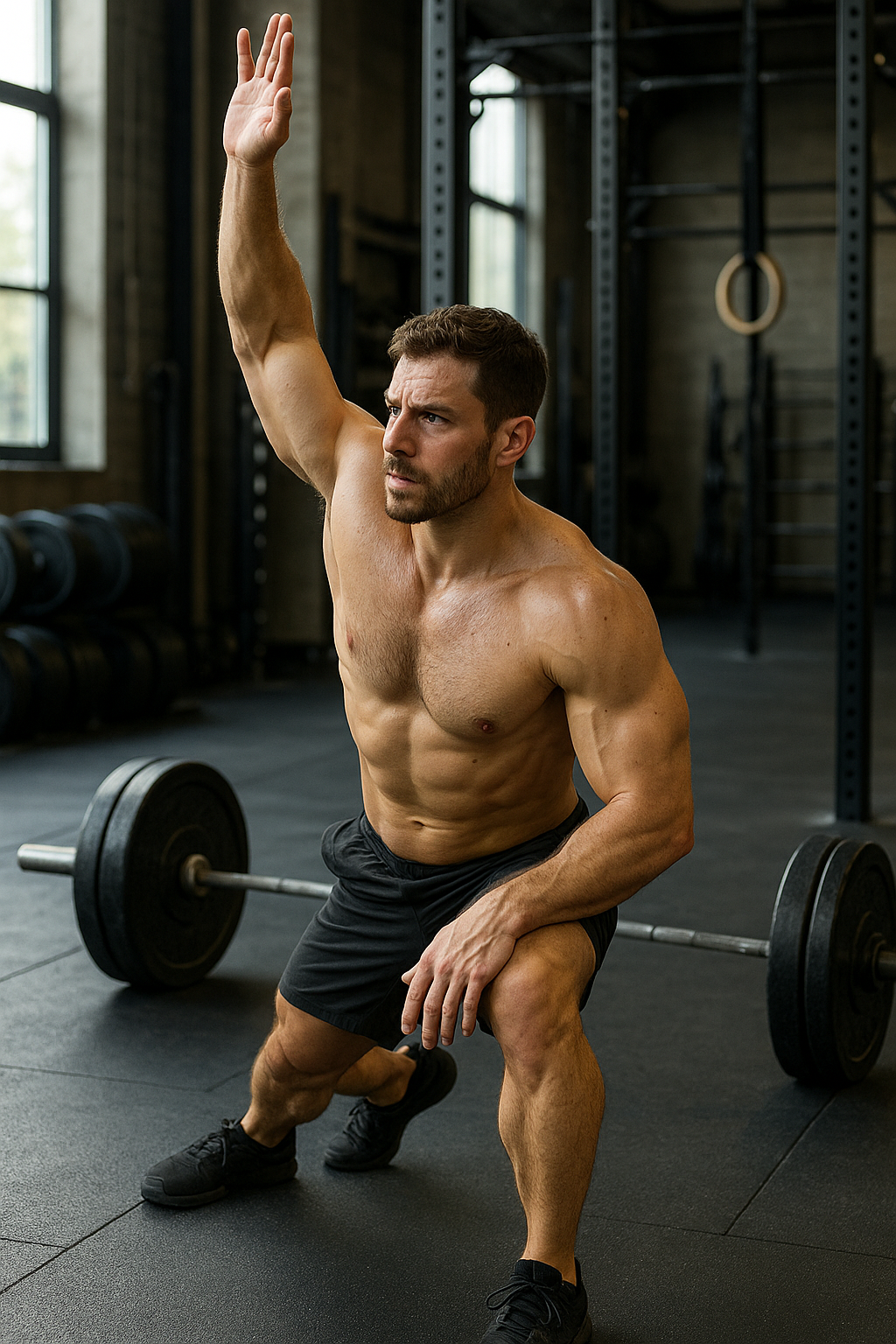
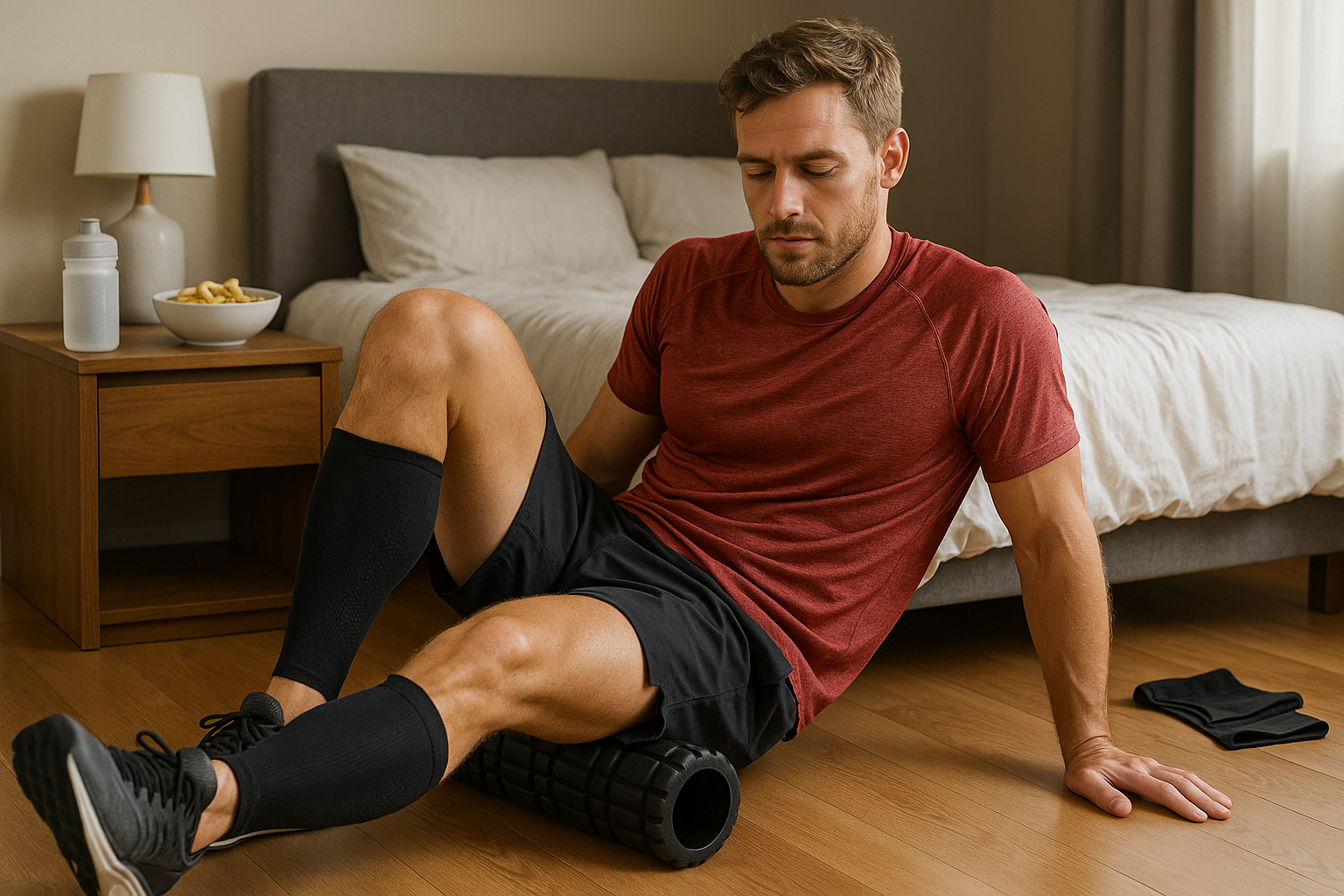
In recent years, there's been a remarkable surge in interest among women in the realm of fitness and training. This growing trend is not just about achieving a particular body image; it's about empowerment and embracing a healthier lifestyle. Many women are setting goals to improve their strength, enhance body tone, and maintain overall health, recognizing the profound benefits that regular training can offer.
importance of training for women
Training for women is not merely a trend; it's a vital component of a healthy lifestyle, particularly when considering the unique physiological and lifestyle factors women face. Hormonal changes, pregnancy, and aging are just a few of the considerations that can influence a woman's fitness journey. Engaging in regular training can significantly enhance physical strength and contribute to mental well-being, offering a holistic approach to health that supports both body and mind.
Strength training, in particular, plays a crucial role in this empowerment journey. It helps in building muscle mass, improving metabolism, and enhancing bone density, which are essential for maintaining a healthy body composition and preventing age-related decline. Moreover, the mental health benefits of training, such as reducing anxiety and boosting confidence, are invaluable, offering women a sense of control and accomplishment.
what to expect in this guide
This guide is designed to support women at various stages of their fitness journey, from beginners looking to get started to those seeking to refine their training regimen. We'll provide beginner-friendly tips, debunk common myths about women and strength training, and offer practical advice tailored to different life stages. Whether you're navigating the challenges of hormonal changes, pregnancy, or simply looking to enhance your fitness routine, this guide aims to equip you with the knowledge and confidence to take charge of your health.
Stay tuned as we delve deeper into understanding women's fitness needs, explore the myriad benefits of strength training, and share actionable tips to help you craft a workout plan that fits seamlessly into your lifestyle. Together, let's embark on a journey towards a stronger, healthier, and more empowered you.
understanding women's fitness needs
When embarking on a fitness journey, it's crucial for women to consider their unique physiological needs. Hormonal fluctuations, such as those experienced during the menstrual cycle, pregnancy, and menopause, can significantly impact energy levels and recovery times. Tailoring a fitness plan to accommodate these changes can enhance the effectiveness of workouts and promote overall well-being.
One common misconception that often deters women from strength training is the fear of becoming overly muscular or "bulky." However, this is largely a myth. Women typically have lower levels of testosterone compared to men, which makes it difficult to gain large amounts of muscle mass. Instead, strength training helps in building lean muscle, which contributes to a toned appearance and supports metabolic health.
benefits of strength training for women
The advantages of incorporating strength training into a fitness routine are numerous and well-documented. For starters, it aids in increasing muscle mass, which in turn boosts metabolism, allowing the body to burn more calories even at rest. This can be particularly beneficial for women looking to manage their weight or improve body composition.
Furthermore, strength training plays a critical role in enhancing bone density, which is vital for reducing the risk of osteoporosis—a condition more prevalent in women, especially post-menopause. Regular weight-bearing exercises can help maintain strong bones and prevent age-related bone loss.
Beyond physical benefits, strength training also offers substantial mental health advantages. Engaging in regular workouts can lead to reduced anxiety levels and increased self-confidence. The sense of accomplishment from lifting heavier weights or completing challenging workouts can be empowering, fostering a positive body image and mental resilience.
beginner-friendly training tips
For those new to strength training, understanding the basics can make the process less intimidating. Start by familiarizing yourself with terms like sets, reps, and intensity. A set refers to a group of consecutive repetitions (reps) of an exercise. Intensity, on the other hand, relates to the difficulty or effort level required to perform the exercise.
An essential concept in strength training is progressive overload, which involves gradually increasing the weight, frequency, or number of repetitions in your workouts. This method is key to building strength and muscle over time.
Here's a simple 3-day workout plan to get you started:
-
Day 1: Full-Body Workout
- Warm-up: 5-10 minutes of light cardio
- Main exercises: Squats, push-ups, and bent-over rows (3 sets of 10-12 reps each)
- Cool-down: Stretching major muscle groups
-
Day 2: Rest or Light Activity
- Engage in a low-impact activity like walking or yoga
-
Day 3: Lower Body Focus
- Warm-up: 5-10 minutes of light cardio
- Main exercises: Lunges, deadlifts, and calf raises (3 sets of 10-12 reps each)
- Cool-down: Stretching major muscle groups
home and low-equipment workouts
For those unable to access a gym, home workouts are a viable and effective alternative. Many exercises can be performed using minimal equipment, such as resistance bands, dumbbells, or even just body weight. Exercises like planks, squats, and push-ups can be done virtually anywhere and are excellent for building strength.
Creating an effective home workout space doesn't require much. Ensure you have a comfortable and safe area to move freely, with enough room to perform exercises without restriction. Investing in a yoga mat and a few resistance bands can enhance your workout experience, providing versatility and comfort.
By understanding and addressing these unique fitness needs, women can embark on a training journey that not only enhances physical strength but also supports overall health and well-being.
Training considerations for specific life stages
As women progress through different life stages, their training needs and considerations can change significantly. During pregnancy and postpartum, it's crucial to focus on exercises that strengthen the core and pelvic floor. Safe exercises like pelvic tilts and gentle core activations can help maintain strength and support recovery. Maintaining proper posture during these exercises is vital to prevent strain and support overall well-being.

Women's Posture Shirt™ - Black
Improves posture, relieves pain/tension, and enhances muscle activation for daily or active use.
For women over 40, training should emphasize maintaining mobility, strength, and posture. Incorporating exercises that focus on balance and flexibility can enhance joint health and reduce the risk of injury. Strength training remains essential, but modifications may be necessary to accommodate changes in bone density and muscle mass.
Incorporating ergonomic aids
Ergonomic aids can play a significant role in supporting women's training efforts. Products like posture clothing and support braces can enhance comfort and effectiveness by promoting proper alignment and reducing strain during workouts. For instance, wearing a posture brace during strength training can help maintain a neutral spine, reducing the risk of back injuries.
These aids are not a substitute for proper training techniques but can be an excellent complement, especially for those who experience discomfort or have specific ergonomic needs. By integrating ergonomic aids, women can focus on their workouts with increased confidence and comfort.

Lumbar support belt
Adjustable support belt for the lower back to relieve pain, tension, and provide stability.
Final thoughts
Embracing a holistic approach to fitness is key to achieving long-term health and well-being. Rather than seeking quick fixes, women should focus on building sustainable habits that support their physical and mental health. By understanding their unique fitness needs and incorporating ergonomic aids, women can empower themselves to lead healthier, more fulfilling lives.
Frequently Asked Questions
What is the best workout routine for women?
The best workout routine for women is one that is personalized to their individual goals, fitness levels, and life stage. It should include a mix of strength training, cardiovascular exercises, and flexibility work to ensure a balanced approach to fitness.
How often should a woman train?
Generally, women should aim to train at least three to four times a week, allowing for rest days to ensure proper recovery. The frequency can vary based on personal goals and fitness levels.
Is weight training good for women?
Yes, weight training is highly beneficial for women. It helps increase muscle mass, improve metabolism, and enhance bone density. It also contributes to better posture and boosts confidence.
Can women train with weights every day?
While training with weights daily is possible, it's crucial to vary the intensity and focus on different muscle groups to prevent overuse injuries. Rest and recovery are essential for muscle growth and injury prevention.
How quickly will I see results?
The timeline for seeing results varies among individuals, but generally, consistent training and healthy nutrition can lead to noticeable changes in 6 to 12 weeks. Patience and consistency are key.
Is training safe when I have back pain?
Training can be safe with back pain if exercises are modified appropriately. It's important to consult with a healthcare provider to tailor a program that avoids exacerbating the condition and focuses on strengthening and flexibility.
Källor
- Axe, J. (n.d.). "Strength Training for Women." Dr. Axe.
- Results Gym Alexandria. (n.d.). "Strength Training for Women: Complete Guide."
- Results Gym Alexandria. (n.d.). "Women's Fitness Trainer's Guide."
- Sporting Health Club. (n.d.). "Träningsprogram för kvinnor."
- SATS. (n.d.). "Kvinder i overgangsalderen: Hvordan træning kan forbedre livskvaliteten."
- Maxer. (n.d.). "Styrketræning kvinder: Træningsprogram."
- Schoenfeld, B. J. (2016). "A Comparison of Increases in Volume Load Over 8 Weeks of Low- vs. High-Load Resistance Training." Journal of Strength and Conditioning Research.