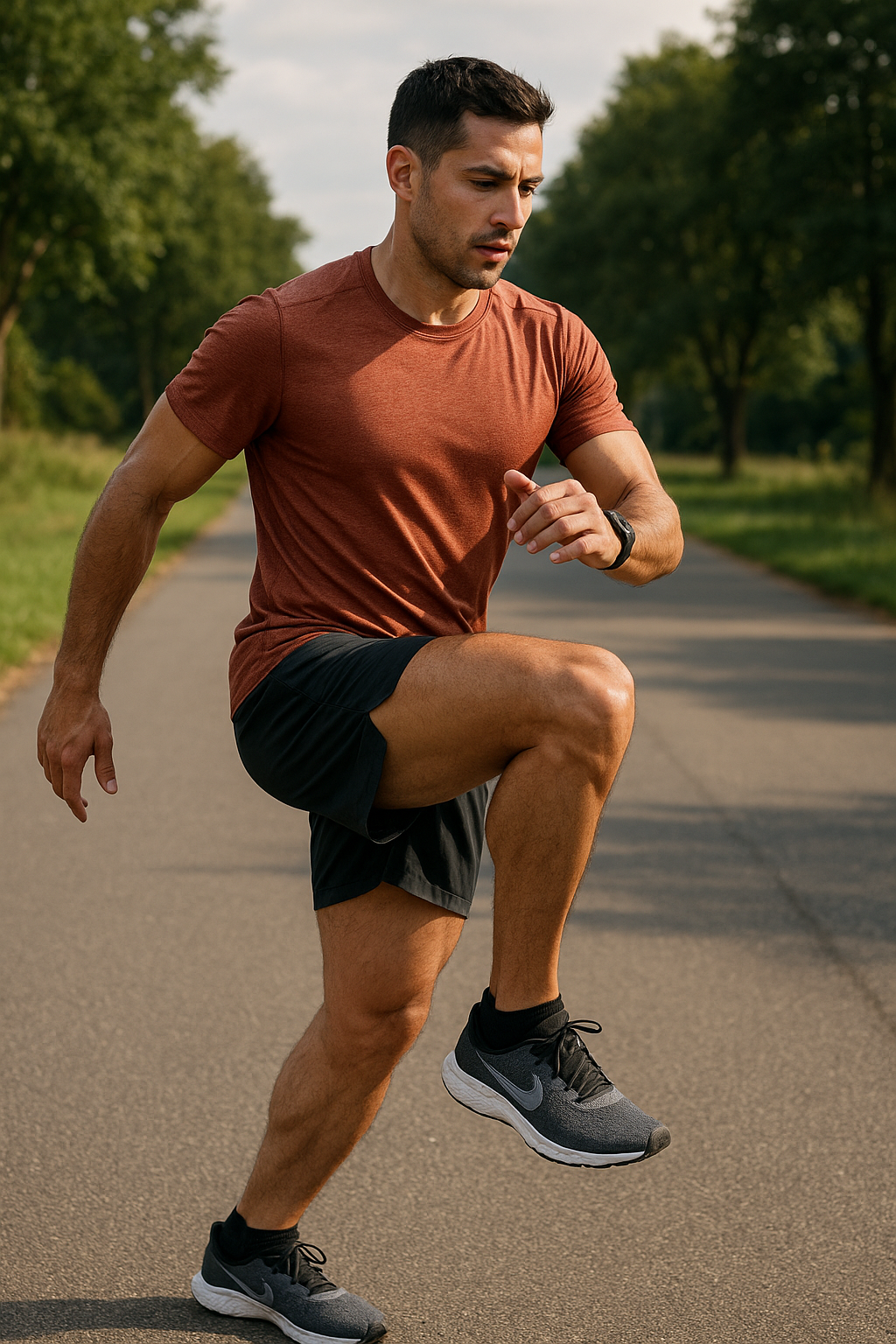
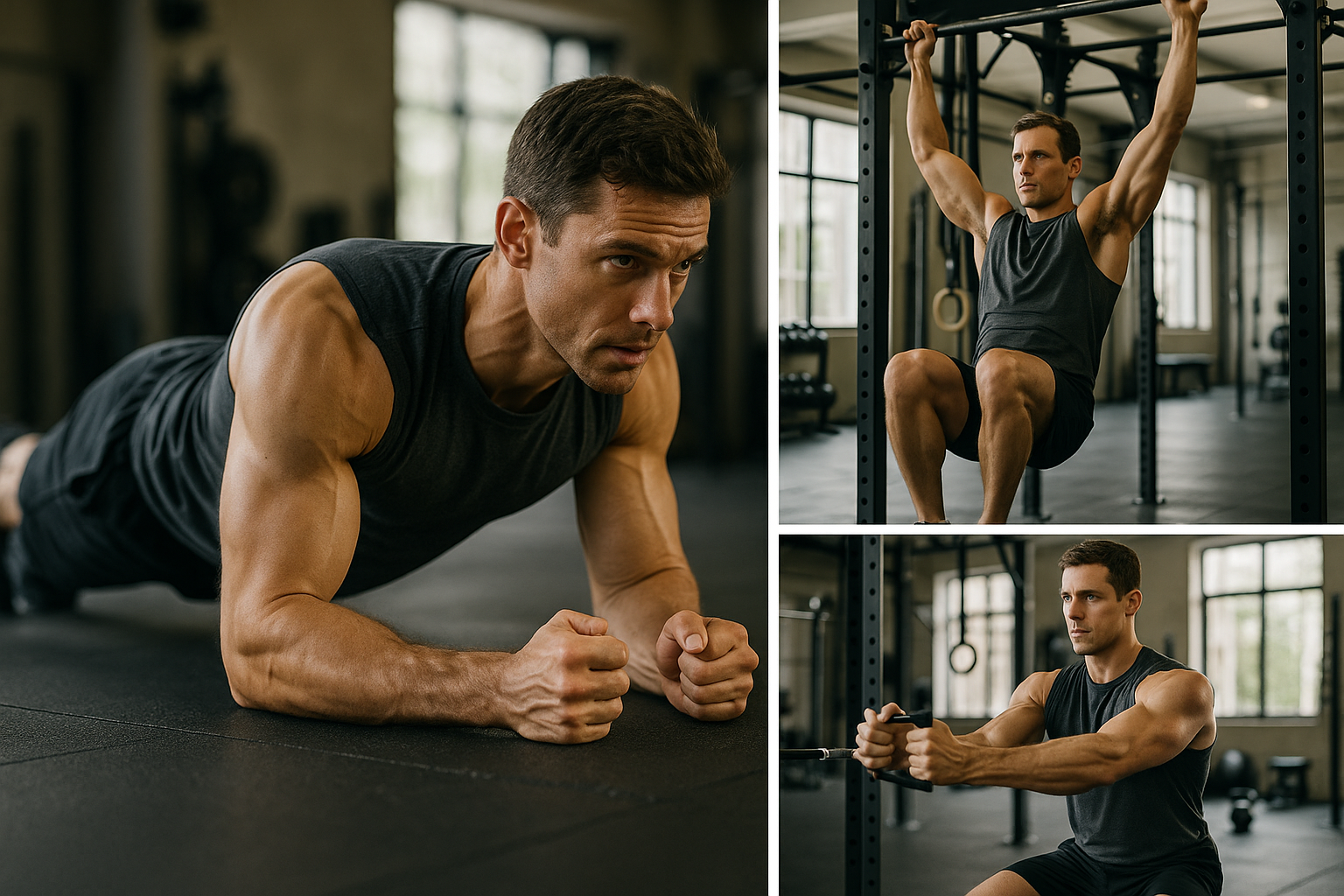
Hard training is only half the story. The other half is what you do between sessions—when your body is rebuilding, refuelling, and adapting to the work you’ve put in. That’s where active recovery has moved from “nice to have” to a core part of many athletes’ and everyday exercisers’ routines. Instead of treating recovery as a full stop, it treats it as a gentle transition: you keep moving, just with a different goal.
In simple terms, active recovery is low-intensity movement performed after a tough workout or on an easier day to help your body bounce back. Think light cycling, an easy walk, relaxed swimming, or mobility-focused yoga. The aim isn’t to add more training load—it’s to encourage circulation, reduce that heavy, tight feeling in your muscles, and help you feel ready for your next session sooner.
What active recovery is (and what it isn’t)
Active recovery sits in the sweet spot between doing nothing and doing too much. Compared with passive rest—like collapsing on the sofa after leg day—this approach keeps your body gently engaged. That light movement can help deliver oxygen and nutrients to working muscles and may ease post-workout stiffness, without the intensity that would further fatigue you.
It’s also not a “secret hack” that replaces sleep, good nutrition, or true rest days. It’s a practical tool: a way to stay consistent, maintain mobility, and reduce the chance that soreness derails your week. Done well, it should feel easy enough that you could hold a conversation the whole time.
Why it belongs in a modern fitness routine
Whether you lift weights, run, play team sports, or simply want to feel better in your body, recovery influences performance and motivation. When you recover well, you’re more likely to train with good form, move with better control, and keep a steady rhythm over time.
In the rest of this guide, we’ll break down the key benefits of active recovery, what research suggests about timing and intensity, and how to apply it in real life—especially if you’re balancing workouts with long hours at a desk. You’ll also get practical examples you can use right away, so recovery becomes something you do on purpose, not something you hope happens.
The science-backed benefits of active recovery
Active recovery works largely because it keeps blood moving through muscles that have just been stressed. That circulation helps deliver oxygen and nutrients needed for repair while also supporting the removal of metabolic by-products created during hard efforts. A 2018 overview discussed in Medical News Today notes that light movement after intense exercise can increase blood flow and may help the body clear lactate more efficiently, which can reduce the heavy, fatigued feeling that often follows tough sessions.
It’s also one of the few recovery strategies with fairly consistent performance-related findings. A systematic review on PubMed that looked at 26 studies and 471 athletes found that short bouts—often around 6–10 minutes—were repeatedly linked with performance improvements compared with complete rest between efforts. Protocols vary by sport and study design, but the practical takeaway is simple: a small dose of easy movement can help you feel more capable sooner, especially when workouts include repeated high-intensity intervals.
Beyond soreness and performance, there’s a joint and tissue angle. Gentle movement can reduce stiffness and support range of motion, which matters if you’re returning to training the next day or sitting still for long periods after exercise. Health and running experts often highlight that staying lightly mobile may reduce inflammation and lower injury risk over time by preventing you from starting the next session cold, tight, and compensating through poor mechanics.

Men's Posture Shirt™ - Black
Activates muscles, relieves pain and promotes posture during work or training.
How hard should active recovery feel?
The goal is to recover, not to “sneak in” extra training. A useful intensity target is roughly 30–60% of your maximum heart rate, or a pace where you can breathe through your nose and speak in full sentences. You should finish feeling looser and more comfortable than when you started. If you’re sweating heavily, struggling to talk, or turning it into a competition, it’s probably too intense to count as recovery.
Timing depends on your schedule. You can use active recovery immediately after a workout (as a cool-down), between intervals on conditioning days, or on a lighter day between harder sessions. If you’re balancing training with desk work, a short movement break later in the day can also help counteract the stiffness that builds from prolonged sitting.
Active recovery exercises you can actually stick with
The best option is the one you’ll do consistently. Choose low-impact activities that feel smooth on your joints and don’t create extra soreness. Popular choices include:
- Walking: easy pace, ideally outdoors or on a treadmill with a slight incline if it feels comfortable.
- Easy cycling: low resistance and high cadence to encourage circulation without loading the legs heavily.
- Relaxed swimming: especially helpful when you want movement with minimal impact.
- Mobility-focused yoga: gentle flows that prioritise breathing, hips, ankles, thoracic spine, and shoulders.
- Light rowing or elliptical: only if you can keep the effort truly easy and technique stays clean.
A simple structure is 6–10 minutes right after training, or 15–30 minutes on a lighter day. If you’re very sore, start with 5 minutes and build gradually. The “right” dose is the smallest amount that makes you feel better.

Women's Posture Shirt™ - Black
Improves posture, relieves pain and enhances movement for activity or rest.
The mental side: recovery that reduces stress
Recovery isn’t only physical. Low-intensity movement can act as a reset button after demanding training or a long day of work. Because it’s intentionally easy, it gives you a break from performance pressure while still reinforcing the habit of showing up. Many people find that a short walk, gentle mobility session, or easy spin improves mood and helps them transition out of “fight-or-flight” mode—especially when paired with slower breathing and time away from screens.
Active vs. passive recovery: a quick comparison
| Type | What it looks like | Best for | Examples |
|---|---|---|---|
| Active recovery | Low-intensity movement that keeps circulation up | Reducing stiffness, easing soreness, maintaining mobility, supporting readiness for the next session | Easy walk, light cycling, relaxed swim, gentle yoga/mobility |
| Passive recovery | Complete rest with minimal movement | When you’re ill, injured, extremely fatigued, or truly need full rest | Sleep, lying down, taking a full rest day |
Make active recovery part of everyday life
One reason active recovery is so effective is that it does not have to look like “training.” The best recovery sessions are often the ones that fit naturally into your day and feel enjoyable enough to repeat. If the idea of another structured workout feels like a chore, treat recovery as a low-pressure activity that still keeps you moving.
Simple options include a relaxed walk after dinner, an easy bike ride to run errands, or a short mobility routine while watching a show. If you prefer outdoor hobbies, gentle kayaking, casual swimming, or an easy hike on flat terrain can also work well—as long as the intensity stays low and you finish feeling better than when you started.
Hobbies that double as active recovery
Many people assume active recovery must happen in a gym, but low-intensity hobbies can deliver the same core benefit: steady circulation without additional strain. The key is to keep the effort controlled and avoid turning it into a performance session. A few examples:
- Leisurely cycling: keep resistance low, cadence comfortable, and avoid hard climbs.
- Easy paddling (kayak or SUP): focus on smooth strokes and posture rather than speed.
- Gentle yoga or mobility classes: choose sessions labelled restorative, slow flow, or mobility-focused.
- Light swimming: short, relaxed laps or even walking in the pool if you are very sore.
- Gardening or light yard work: frequent posture changes can reduce stiffness, but avoid heavy lifting if you are fatigued.
If you work at a desk, consider “micro-recovery” breaks: 5 minutes of walking, a few easy hip flexor stretches, or light thoracic spine rotations. These small bouts can reduce the stiffness that builds up after training and sitting—especially on days when you cannot fit in a longer session.
Expert guidance: keep it easy, keep it consistent
Active recovery works best when it stays truly low intensity. Many clinicians and physical therapists emphasise that the goal is to support tissue recovery and movement quality—not to create more fatigue. A practical rule is the talk test: you should be able to speak in full sentences the entire time. If your breathing becomes strained or your form starts to break down, the session has drifted from recovery into training.
It also helps to match the activity to what feels most “friendly” for your body. If your legs are sore from running or squats, choose something that reduces impact, such as easy cycling, swimming, or a gentle mobility flow. If your upper body is tired, a walk may be the simplest option. Consistency matters more than variety: a repeatable 10–20 minute routine done regularly tends to beat an occasional long recovery session that leaves you drained.
Finally, remember that active recovery is not a substitute for the fundamentals. Sleep, hydration, and adequate nutrition still do the heavy lifting. Think of recovery movement as a supportive layer that helps you feel looser, maintain range of motion, and stay on track with your training week.
Frequently Asked Questions
What is the ideal duration for active recovery?
For many people, 6–10 minutes of active recovery right after a workout is a practical starting point, especially as a cool-down. On lighter days, 15–30 minutes can work well if the intensity stays low. The best duration is the smallest amount that noticeably reduces stiffness and helps you feel more ready for your next session.
Can active recovery replace rest days?
No. Active recovery complements rest days, but it does not replace them. Full rest is still important when you are highly fatigued, sick, or dealing with pain that worsens with movement. Use active recovery to add gentle motion between harder sessions, not to eliminate recovery time.
Is active recovery suitable for everyone?
In most cases, yes. Active recovery can be adapted for beginners, experienced athletes, and many people returning from time off. If you are recovering from an injury or managing a medical condition, choose low-impact options and adjust range of motion and duration to what feels safe. If movement increases pain, stop and seek guidance from a qualified healthcare professional.
What are the common mistakes to avoid during active recovery?
The most common mistake is going too hard—turning recovery into another workout. Other frequent issues include choosing high-impact activities when joints are already irritated, skipping hydration, and ignoring warning signs like sharp pain, dizziness, or worsening soreness. Keep the intensity easy, prioritise smooth technique, and finish the session feeling better, not depleted.
Källor
- Utopia.de. ”Active Recovery: So regenerierst du aktiv für eine bessere Fitness.”
- Gymondo. ”Aktive Regeneration: 5 effektive Methoden für deine trainingsfreien Tage.”
- SWAV Berlin. ”Aktive Regeneration.”
- BeatYesterday.org. ”Aktive Regeneration: So förderst du deine Erholung mit Bewegung.”
- Speediance. ”How to Implement Active Recovery in Strength Training.”
- Life.no. ”7 Tips til Restitusjon etter Trening.”
- Gymgrossisten. ”Restitusjon etter Trening.”