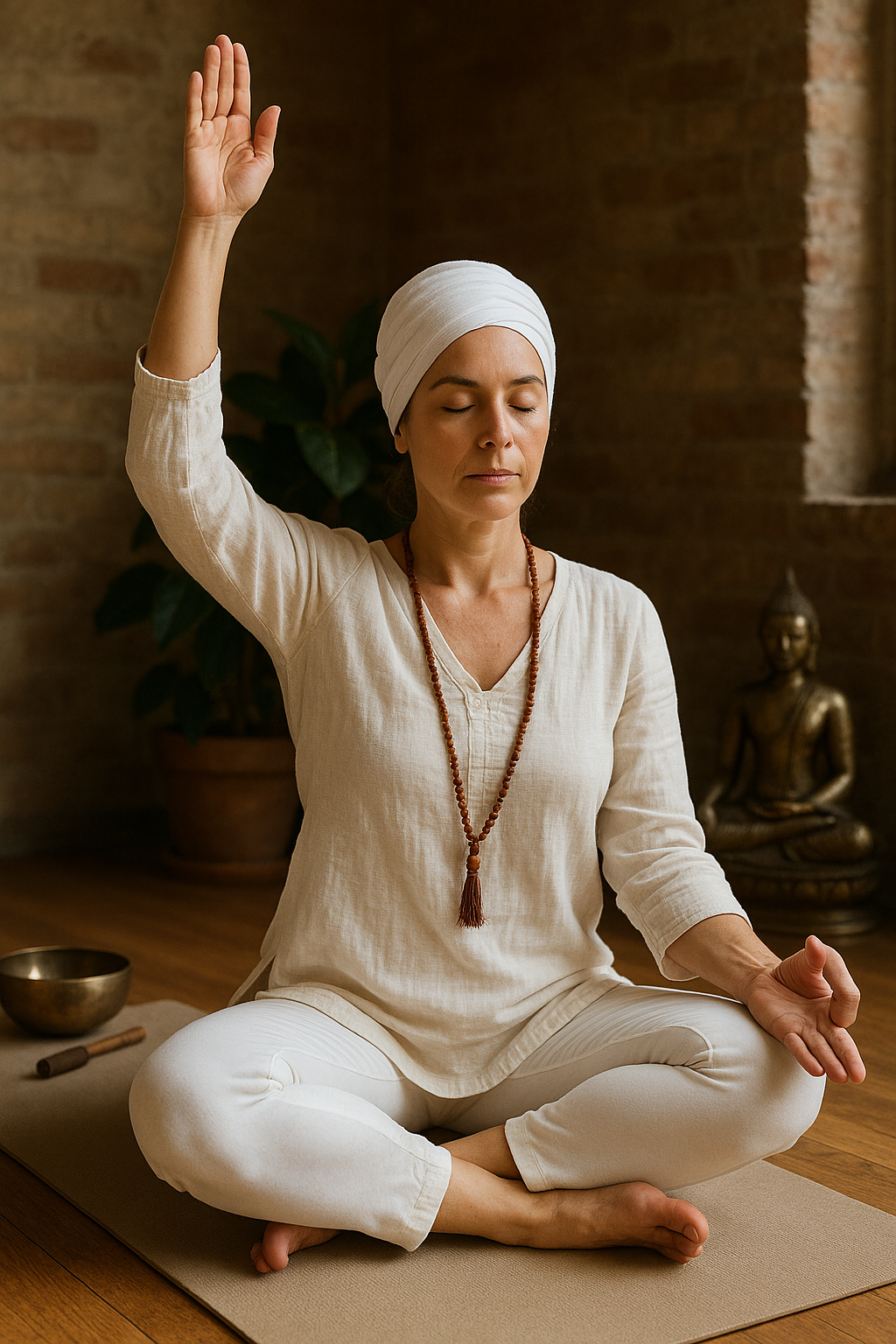
A yoga retreat is, at its best, a pause button you can actually feel. Not a packed itinerary disguised as self-care, but a few days where your nervous system gets a chance to exhale, your body moves with intention, and your attention returns to what’s right in front of you. That’s the real allure: stepping out of the constant input of everyday life and into a setting designed for recovery, clarity, and steady energy.
It also explains why the yoga retreat has become such a popular way to travel. More people are looking for experiences that do something—reduce stress, improve sleep, soften tension in the shoulders and hips, and rebuild a sense of balance that can get lost in a busy schedule. Retreats now span everything from quiet, restorative weekends to mixed-style programs that blend different yoga traditions, meditation, and breathwork. Whether you want structure or spaciousness, there’s usually a format that fits.
Why a yoga retreat can feel like a reset
Many people arrive at a retreat with the same underlying goal: to feel better mentally and physically, without having to “push through” it alone. Daily yoga classes can help, but a retreat changes the context. You’re not squeezing practice into the margins of your day—you’re building the day around practice, rest, and supportive routines. That shift often makes it easier to notice patterns: how you breathe under pressure, where you hold tension, and what your body needs to recover.
Another reason retreats resonate is the rise of yoga stacking: pairing yoga with complementary activities like hiking, surfing, or nature walks. Done well, it creates a holistic rhythm—movement, fresh air, nourishing food, and time away from screens—without turning wellness into a performance.
What the retreat setting typically looks and feels like
Picture early mornings with soft light, quiet pathways, and a practice space that invites you to slow down. Many retreats are set near the ocean, in the mountains, or surrounded by greenery—places where your senses naturally downshift. There’s also a gentle community element: shared meals, unspoken encouragement, and the relief of being around others who are also choosing a healthier pace.
Increasingly, retreats are leaning into what some call the soft reset: restorative sessions, longer holds, supportive props, and permission to rest. If you’ve been living in a forward-leaning posture—physically at a desk, or mentally in “always on” mode—this kind of environment can be the first step back to steadier alignment and calmer focus.
Current yoga retreat trends: mixed styles and style hopping
Yoga retreats have evolved quickly in the last few years, and one of the biggest shifts is how people want to practise once they arrive. According to the State of Retreats 2026 Report, interest in yoga retreat travel continues to rise, with search interest up 15% year on year. But what’s especially notable is the move away from single-style formats. Many travellers now want variety: 43% are actively seeking mixed-style experiences rather than committing to one tradition for the entire stay.
This has led to a trend often described as style hopping. In practice, that might look like a grounding Hatha class in the morning, a Vinyasa flow before lunch, and a restorative or Yin session in the evening. For participants, the appeal is simple: different styles meet different needs. Dynamic classes can build heat and confidence, while slower classes support mobility, recovery, and better sleep. For retreat organisers, it’s a way to serve a wider range of bodies and backgrounds in one program.
From wellness travel to nervous system regulation
Another major trend is the way retreats are being framed. Instead of “fitness with a view,” more programs now position themselves as nervous system support. The same report notes a 105% year-on-year growth in interest for retreats that promise a nervous system reset. While the wording varies, the intention is consistent: reduce stress load, improve resilience, and help people shift out of constant alertness.
This is where yoga fits naturally into broader wellness travel. Practices like slow breathing, longer exhalations, meditation, and restorative postures can encourage a downshift in arousal and help the body relearn what calm feels like. Many retreats also integrate complementary modalities that bridge ancient tradition and modern wellbeing, such as Ayurveda-inspired daily routines, guided breathwork, sound baths, and mindful walking. The best programs don’t treat these as add-ons; they weave them into a coherent rhythm that supports recovery throughout the day.
There’s also growing interest in somatic approaches, where the focus is less on “perfect shapes” and more on internal sensation, gentle strength, and safe range of motion. That matters if you spend most days sitting, commuting, or working at a laptop. A retreat that prioritises nervous system regulation often pairs well with body mechanics education: how to stack joints, how to use props intelligently, and how to move without bracing through the neck and shoulders.

Men's Posture Shirt™ - Black
Supports your posture using patented NeuroBand™ technology—ideal for work, exercise, or recovery.
Booking a yoga retreat: what to expect on price, duration, and location
As demand has grown, booking platforms and retreat directories have made it much easier to compare options by date, location, and style. This has shifted the yoga retreat market from “hard to find, word-of-mouth only” to something you can browse like any other travel category. It also means expectations are clearer: travellers can filter for beginner-friendly programs, mixed-style schedules, or retreats that include activities beyond the mat.
In terms of what’s typical, many retreats run for long weekends to a full week, and pricing often reflects what’s included: accommodation, meals, daily classes, and extras like workshops or excursions. A common range for a 3–5 day stay is roughly $547 to $1,350+, with higher prices usually tied to private rooms, premium locations, or more inclusive programming. Geographic preferences vary, but places with strong wellness infrastructure and easy domestic access remain popular. California, for example, continues to show up frequently in retreat listings, thanks to its mix of coastal settings, mountain landscapes, and established yoga communities.
The rise of specialised retreats: privacy, digital detox, and nature-based healing
Alongside mixed-style programming, specialised retreats are expanding. Some travellers want more privacy and quieter accommodations; others want a true digital detox, where the environment makes it easier to step away from constant notifications. Nature-based healing is also becoming more central, not just as scenery but as part of the schedule: outdoor classes, guided hikes, ocean swims, and unstructured time outside.
Importantly, the structure of retreats is changing. Many programs are moving away from rigid, hour-by-hour itineraries and toward flexible, holistic programming. Instead of feeling like you must attend everything, you may be encouraged to choose what supports you most that day: a stronger flow, a restorative session, a workshop on breath and posture, or simply rest. This flexibility is especially valuable for people managing stress, chronic tension, or fluctuating energy.
If you’re considering a yoga retreat, it can help to look beyond the photos and ask practical questions: How many hours of practice per day? Are props provided? Is there guidance on alignment and modifications? The more a retreat supports comfort and adaptability, the more likely you are to leave feeling genuinely restored, not just inspired for a moment.
The mental health impact of a yoga retreat
For many travellers, a yoga retreat isn’t primarily about mastering a pose—it’s about feeling mentally better. In recent retreat trend reporting, 56% of yoga retreat participants cite mental health as their main motivation. That number makes sense when you consider what a retreat changes: your environment, your inputs, and your pace. When you step away from constant notifications, deadlines, and decision fatigue, your mind gets fewer triggers and more room to settle.
Retreats support mental wellbeing in three practical ways: consistent mindfulness, supportive community, and regular movement. Mindfulness is built into the day through meditation, breathwork, and slower transitions between activities. Community helps because stress often thrives in isolation; shared meals and group classes can create a low-pressure sense of belonging without requiring you to “perform” socially. And movement matters because it gives the nervous system a safe, structured outlet—especially when the practice includes longer exhalations, gentle holds, and restorative sessions that encourage downshifting.
Why the benefits often last longer than the trip
A yoga retreat can feel transformative in the moment, but the more useful question is what you can take home. The retreats that create lasting change usually do two things well: they teach skills you can repeat, and they make those skills feel achievable in real life.
Look for programs that include simple, repeatable tools: a short breathing practice you can do at your desk, a 10-minute mobility sequence for hips and upper back, or a wind-down routine to support sleep. These are the kinds of habits that translate well once you’re back to commuting, parenting, or working long hours.
It also helps when instructors explain the “why” behind what you’re doing. Clear cues around alignment, pacing, and nervous system regulation can reduce the trial-and-error that sometimes makes yoga feel frustrating. If you tend to carry stress in your neck and shoulders, for example, learning how to use props to support your upper body in restorative postures can be a game changer—both on retreat and at home.
Comfort, alignment, and accessibility: making a yoga retreat work for your body
One gap in many yoga retreat conversations is the practical reality of different bodies. Not everyone arrives feeling flexible, pain-free, or well-rested. If you sit a lot, travel frequently, or manage chronic tension, comfort and alignment aren’t “nice-to-haves”—they’re what make consistent practice possible.

Women's Posture Shirt™ - Black
Supports good posture and muscle activation—perfect relief for yoga, daily routines, and posture training.
A well-designed retreat will normalise modifications and offer options that support a wide range of needs. That might include adaptive yoga, chair-based variations, extra bolsters and blocks, or workshops that focus on posture, joint stacking, and injury prevention. These details matter because discomfort can pull attention away from the benefits you came for. When your body feels supported, it’s easier to stay present, breathe steadily, and actually absorb the calming effects of practice.
If you’re unsure whether a yoga retreat will suit you, ask specific questions before booking: How are beginners supported? Are props provided in the shala? Is there guidance for knees, wrists, lower back, or shoulders? The answers will tell you whether the retreat prioritises safety and sustainability, not just aesthetics.
Choosing a yoga retreat that matches your goals
With so many formats available, the best yoga retreat is the one that fits your intention. If you want stress relief and better sleep, prioritise restorative yoga, Yin, and breath-led classes over packed schedules. If you’re craving momentum, consider mixed-style programs that balance stronger flows with recovery sessions. If you’re feeling mentally overloaded, a digital detox or nature-based retreat can make it easier to disconnect and reset your attention.
Finally, be honest about what will help you follow through afterward. A retreat that teaches you how to practise in a way that respects your energy, your anatomy, and your daily life is more likely to deliver lasting value than one that simply feels intense for a few days.
Frequently Asked Questions
What is the typical duration of a yoga retreat?
Most yoga retreat programs run between 3–7 days. Shorter retreats often focus on rest and a quick reset, while week-long formats allow more time for workshops, recovery, and deeper habit-building.
Are yoga retreats suitable for beginners?
Yes. Many retreats welcome all levels and offer beginner-friendly classes, clear instruction, and modifications. If you’re new, look for retreats that mention alignment guidance, slower-paced options, and supportive use of props.
What should I pack for a yoga retreat?
Pack comfortable clothing you can move and rest in, a light layer for cooler mornings, and personal essentials. Many people also bring a reusable water bottle, sunscreen, and a journal or book. If you prefer your own gear, consider packing your yoga mat and any props you rely on, though many retreats provide them.
How do I choose the right yoga retreat?
Start with your goal (stress relief, strength, mobility, community, nature time), then narrow by budget, location, and style. Review the daily schedule, class intensity, and what’s included (meals, workshops, excursions). If comfort and safety are priorities, check whether the retreat offers modifications, props, and guidance on alignment.
Can yoga retreats help with chronic pain or physical limitations?
They can, especially when the retreat offers adaptive yoga, restorative sessions, and instructors who encourage modifications. A supportive yoga retreat may include posture and alignment education, gentle mobility work, and options that reduce strain on sensitive areas. If you have a specific condition, it’s wise to ask the organiser how they accommodate limitations before you book.
Kilder
- Yogapedia. (n.d.). "Yoga Retreat."
- The Holistic Alliance. (n.d.). "Ritter's Retreat."
- Yoas Yoga Retreats. (n.d.). "What is a Yoga Retreat?"
- The Third Place Yoga. (n.d.). "Yoga Retreats."
- Yoga Federation. (n.d.). "What is a Yoga Retreat?"
- Book Retreats. (n.d.). "Yoga Retreats in Norway."
- Emi Living Yoga. (n.d.). "Yoga Retreat in Denmark."
- InRetreat. (n.d.). "Norway Retreat."
- Amy Miller Yoga and Wellbeing. (n.d.). "What is a Yoga Retreat?"
- Expedia. (n.d.). "Yoga Vacations."
- Visit Denmark. (n.d.). "Yogamo og Samsø Retreat."
- Book Yoga Retreats. (n.d.). "Yoga Retreats in Norway."
- Bab.la Dictionary. (n.d.). "Yoga Retreat."
- Yogobe. (n.d.). "Yoga Retreat Nord-Norge."
- Book Retreats. (n.d.). "Yoga Retreats in Denmark."