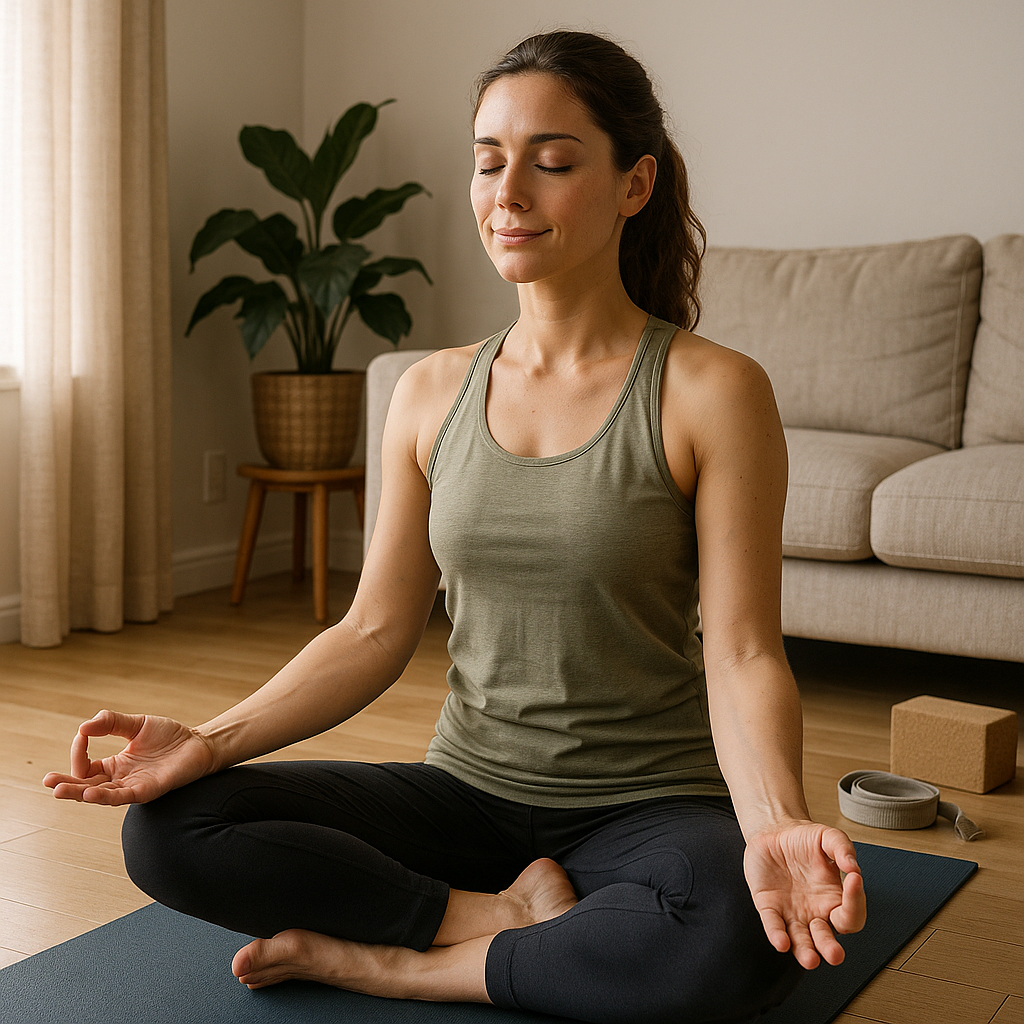
There’s a reason kundalini yoga keeps showing up in conversations about energy, focus, and feeling more “awake” in your own body. Unlike styles that mainly chase flexibility or a sweat, this practice is often described as transformative: a way to tap into something already inside you, but rarely accessed in everyday life. For many modern people—especially those spending long hours sitting, scrolling, and holding tension in the shoulders and hips—the promise is simple and compelling: move, breathe, and reset from the inside out.

Men's Posture Shirt™ - Black
Medical grade shirt to improve posture and reduce pain during daily activities or sitting.
Kundalini yoga has also grown in popularity because it meets two needs at once. It can feel deeply spiritual, yet it’s still practical enough to fit into a busy week. You don’t have to be an expert in yoga philosophy to start; you just need curiosity and a willingness to slow down long enough to notice what your body and nervous system are doing.
What kundalini yoga is (and what makes it different)
Kundalini yoga is a structured blend of physical postures, breathwork, chanting, and meditation. Where many yoga styles emphasize alignment, flow, or strength, kundalini yoga often uses specific sequences designed to create a particular effect—such as calming the mind, building vitality, or sharpening attention. The pace can vary from gentle and meditative to surprisingly intense, but the goal is typically the same: to shift your internal state, not just stretch a muscle.
Historically, kundalini yoga is linked to ancient Indian traditions, with references to kundalini concepts appearing in the Upanishads (often dated to around 1000 BCE and later). In the modern era, the practice became widely known in the West through Yogi Bhajan, who taught it publicly in the late 1960s and 1970s. That mix of old roots and modern accessibility is part of what continues to draw new practitioners in.
Kundalini energy and the spine-body connection
At the heart of kundalini yoga is the idea of kundalini energy: traditionally described as a coiled serpent resting at the base of the spine. When “awakened,” this energy is said to rise upward, supporting spiritual insight and personal growth. Even if you approach this more symbolically than literally, the image is powerful—especially for anyone who feels stuck, foggy, or disconnected from their body.
In practice, many people experience kundalini yoga as a way to build a steadier relationship with breath, posture, and the nervous system—areas that matter whether your goal is spiritual exploration, stress management, or simply feeling better in your day-to-day body.

Women's Posture Shirt™ - Black
Activates muscles and improves posture; ideal for daily wear and pain relief.
Where kundalini yoga comes from
To understand why kundalini yoga feels so different from many modern movement practices, it helps to look at where the ideas originated. Early references to kundalini concepts appear in the Upanishads, a collection of philosophical texts from ancient India often dated to around 1000 BCE and later. These writings explore the relationship between breath, consciousness, and liberation, laying the groundwork for later yogic systems that treat inner energy as something that can be cultivated through disciplined practice.
Over time, kundalini-related teachings also became closely associated with Shaktism (traditions that emphasize the divine feminine principle, Shakti) and Tantra (a broad family of practices that use ritual, mantra, visualization, and meditation to transform the practitioner). In these contexts, kundalini is not just a poetic metaphor; it is part of a larger map of how human experience can shift through attention, breath, and subtle-body practices.
Historically, many of these methods were transmitted through oral traditions, often taught privately from teacher to student. In the late 1960s and 1970s, Yogi Bhajan played a major role in making kundalini yoga widely available in the West by teaching it publicly and building a structured approach that could be practiced in group classes. That shift—from selective transmission to broad accessibility—is one reason you can now find kundalini yoga in studios worldwide, alongside more posture-focused styles.
The building blocks of kundalini yoga practice
While classes can vary by teacher and tradition, most kundalini yoga sessions are built from a few consistent elements. The purpose is not only to move the body, but to create a specific internal effect—often described as energizing, clearing, or stabilizing the nervous system.
Kriyas: sequences with a specific aim
In kundalini yoga, a kriya is a set sequence of actions—postures, movements, breath patterns, and sometimes sound—practiced in a particular order for a particular outcome. One kriya might focus on spinal mobility and posture, another on breath capacity, and another on mental clarity. This is one of the most practical ways kundalini yoga differs from “do whatever feels good” stretching: the sequence is designed like a protocol, and consistency matters.
For desk-bound bodies, kriyas that emphasize spinal flexion/extension, gentle twisting, and shoulder opening can be especially relevant. They encourage movement through areas that often become rigid with prolonged sitting, which can make the practice feel like a reset for both posture and attention.
Pranayama: breath as a lever for energy and calm
Pranayama (breath control) is central to kundalini yoga because breathing patterns strongly influence arousal, focus, and perceived stress. Some techniques are soothing and slow; others are rhythmic and stimulating. In a typical class, breathwork isn’t an add-on—it is treated as a tool for shifting state.
From a modern perspective, this emphasis makes sense: breath is one of the most direct ways to influence the autonomic nervous system. Practicing breathwork regularly can help many people notice tension earlier, recover from stress faster, and feel more grounded during the day.
Mantras and meditation: training attention, not just flexibility
Chanting and meditation are often the most unfamiliar parts for beginners, but they’re also what many practitioners come to value most. Mantras are repeated sounds or phrases used to focus the mind and create a steady rhythm for attention. Meditation practices may involve stillness, breath awareness, or coordinated movement and sound.
You don’t need to “believe” anything for these tools to be useful. Many people approach them as a form of mental training: less about adopting a new identity, and more about practicing how to return to the present moment—especially when the mind is busy.
Chakras: an internal map used in kundalini yoga
Kundalini yoga commonly uses the chakra system as a framework for understanding how energy and awareness move through the body. Chakras are traditionally described as energy centers aligned along the spine, from the base of the pelvis to the crown of the head. In practice, chakras function like a map for intention: a teacher might cue a kriya as “heart-opening” or “throat-clearing” to help students connect physical sensation, breath, and emotion.
Modern kundalini yoga: how to practice it today
One reason kundalini yoga continues to grow is that it adapts well to modern life. Classes are available in many studios, and online sessions have made it easier to practice at home—useful if you’re looking for a consistent routine without commuting. A typical class may include a short warm-up, a targeted kriya, a deep relaxation, and a closing meditation, making it feel complete even when the session is only 30–60 minutes.
If you’re new, accessibility often comes down to pacing and guidance. Look for beginner-friendly classes that offer options for knees, hips, and shoulders, and that encourage rest when needed. Kundalini yoga can be powerful, but it should still feel like a practice you can integrate sustainably—supporting your energy, posture, and focus over time rather than pushing you past your limits.
Benefits of kundalini yoga for body, mind, and energy
Kundalini yoga is often chosen for how quickly it can shift how you feel—physically and mentally—within a single session. Because it combines movement, breathwork, and meditation, it can support multiple systems at once rather than focusing only on flexibility or strength.
On a physical level, many kriyas emphasize spinal mobility, controlled core engagement, and shoulder and chest opening. For people who spend long hours at a desk, this can be a practical counterbalance to habitual forward head posture and rounded shoulders. Over time, consistent practice may improve body awareness and make it easier to notice when tension is building—especially around the neck, jaw, and upper back.
On a mental level, kundalini yoga is commonly associated with stress relief and improved focus. Breath-led practices can help downshift from a “wired” state into a calmer baseline, while rhythmic breathing and mantra repetition can make it easier to interrupt rumination. Many practitioners also report feeling more emotionally steady, partly because the practice trains you to stay present with sensation rather than immediately reacting to it.
Spiritually, kundalini yoga is often described as a path of self-inquiry. Some people experience this as a sense of clarity, meaning, or connection; others relate to it more as an inner “reset” that supports creativity and motivation. You do not have to interpret kundalini energy literally to benefit from the structure of the practice—many people treat the traditional language as a symbolic map for attention, intention, and personal growth.
How kundalini yoga may support the nervous system
A defining feature of kundalini yoga is its deliberate use of breath, rhythm, and relaxation. From a modern wellness perspective, these tools matter because they influence how the nervous system responds to stress. When you practice slow, controlled breathing and follow it with deep rest, you give the body a chance to shift out of chronic “high alert” and into recovery mode.
This is one reason kundalini yoga can feel especially relevant for modern lifestyles: long periods of sitting, screen exposure, and constant notifications can keep the body in a low-grade stress response. A well-paced class—especially one that includes relaxation at the end—can help create a clearer contrast between tension and release. That contrast is useful: it teaches you what calm actually feels like in your body, so you can recognize it and return to it more easily outside the studio.
Contemporary debates and evolving perspectives
As kundalini yoga has grown, so have discussions about how it should be understood and taught today. One debate concerns authenticity: some teachers and practitioners emphasize ancient roots in Indian traditions and subtle-body models, while others argue that the modern system popularized in the West reflects a more recent synthesis rather than a single, unchanged lineage. In practice, both perspectives can coexist: kundalini yoga can be approached as a modern method inspired by older yogic and tantric ideas, while still acknowledging that the class format many people know today was shaped in the 20th century.
Another perspective focuses on efficacy and safety. Many people find kundalini yoga powerful and supportive, but intensity can vary widely between classes. Breathwork, long holds, and repetitive movements can feel energizing for some and overwhelming for others. A balanced approach is to treat the practice as skill-building rather than a quick breakthrough: prioritize good instruction, choose beginner-friendly pacing, and allow your experience to develop gradually.
Frequently Asked Questions
What is the best way to start practicing kundalini yoga?
Start with beginner classes in a studio or online and choose teachers who explain breathwork and offer modifications. Focus on learning foundational breathing techniques, simple kriyas, and how to rest when needed. Consistency matters more than intensity, especially in the first few weeks.
Is kundalini yoga suitable for everyone?
Kundalini yoga is generally accessible because movements can be modified and many practices are done seated. However, people with specific health conditions—such as cardiovascular issues, uncontrolled high blood pressure, pregnancy-related concerns, or a history of dizziness with breathwork—should consult a healthcare provider before starting and inform the teacher so the practice can be adapted.
How does kundalini yoga differ from other yoga styles?
Many yoga styles focus primarily on postures, alignment, or flowing sequences. Kundalini yoga integrates movement with breath control, chanting, meditation, and a structured class arc (kriya, relaxation, meditation). The goal is often to shift energy and mental state, not only to improve flexibility.
Can kundalini yoga help with stress management?
Yes. The combination of breathwork, focused attention (often through mantra), and relaxation can help calm the mind and reduce perceived stress. Many people find it useful for unwinding after work, improving sleep quality, and building a steadier baseline during demanding periods.
Are there any risks associated with practicing kundalini yoga?
As with any physical practice, risks increase if techniques are forced or taught without proper guidance. Overexertion, strain, or lightheadedness can occur, especially with intense breathwork. Practice with a qualified teacher, stop if you feel unwell, and prioritize gradual progression over pushing through discomfort.
Källor
- Kundalini Research Institute. "About Kundalini Yoga."
- Cymbiotika. "How Old is Kundalini Yoga? Understanding Its Timeless Essence and Evolution."
- Wikipedia. "Kundalini Yoga."
- Gaia. "What is Kundalini Yoga?"
- The Secrets of Yoga. "History of Kundalini Yoga."
- Kundalini Yoga Club. "Kundalini Yoga and the Hidden Knowledge of the Yogis from Ancient India."
- Yoga Alliance International Registry. "The Upanishads of Hinduism Provide the Historical Origins of Kundalini Yoga."