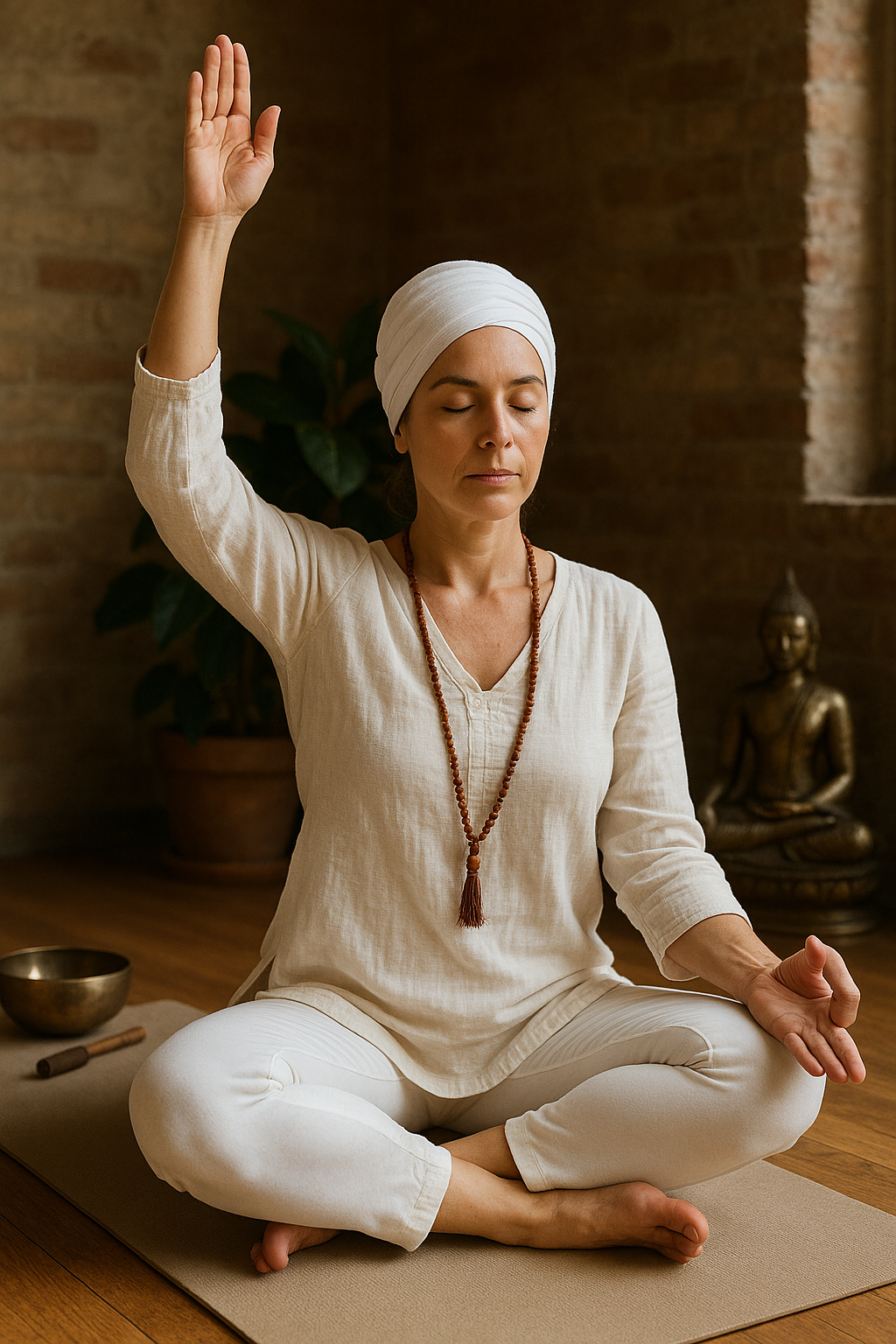
Yoga has a way of meeting you exactly where you are. It’s a simple idea with a big impact: move your body with intention, breathe a little deeper, and give your mind a place to land. That’s why yoga for beginners has become such a popular starting point for people who want to feel better in everyday life—without needing a gym membership, fancy equipment, or a “perfect” body. Whether you’re 18 or 80, brand new to exercise or already active, yoga can be adapted to fit your current level and your goals.
It’s also one of the few forms of movement that trains strength, mobility, balance, and focus at the same time. You can do a short session in your living room before work, or take a longer practice when you have time to unwind. Either way, the entry point is low and the payoff can be surprisingly high.
Let go of the common yoga myths
Many people hesitate because they think yoga is only for flexible people, or that you need to be “fit enough” to begin. In reality, flexibility is often a result of consistent practice—not a requirement. The same goes for strength and balance. Beginner yoga is designed to help you build these qualities gradually, using accessible poses, steady breathing, and options that respect how your body feels today.
Another misconception is that yoga is about performing poses perfectly. It isn’t. Yoga is personal. Progress looks like better posture at your desk, fewer aches after a long day, calmer reactions to stress, or simply feeling more comfortable in your own body. There’s no competition, no finish line—just small improvements that add up.
Why yoga works so well for beginners
Yoga supports both the body and the mind, which is a big reason it feels so “doable” when you’re starting out. Physically, it can help improve mobility, flexibility, and body awareness, while also building strength in often-overlooked areas like the hips, core, and upper back. Mentally, yoga encourages mindfulness—paying attention to breath and sensation—which many people find helpful for managing everyday stress and tension.
And because yoga is easy to scale, you can start with a few minutes and grow from there. Some days might be gentle and grounding; other days can be more energising. The key is comfort and consistency—especially in the beginning.
A beginner-friendly start you can actually stick with
If you’re curious but unsure where to begin, you’re in the right place. In the next section, we’ll break down beginner-friendly styles, simple setup tips for practising at home, and the foundational poses and breathing techniques that make yoga feel safe, approachable, and effective from day one.
Getting started with yoga: choose a style that fits your goal
One of the easiest ways to make yoga for beginners feel approachable is to pick a style that matches what you want right now—less stress, more mobility, better strength, or simply a new routine you can maintain. While there are many styles, a few tend to work especially well when you’re new.
Hatha yoga is often a great entry point because it moves at a slower pace and focuses on learning basic shapes and breathing. You’ll usually hold poses for a few breaths, which gives you time to adjust and understand alignment.
Vinyasa yoga links movement with breath in a flowing sequence. It can feel energising and athletic, but beginner classes typically offer simpler transitions and plenty of options. If you like variety and want a workout feel, this can be a good match.
Yin yoga is slower and more passive, with longer holds that target deep tissues and encourage relaxation. It’s ideal if you sit a lot during the day, feel stiff in the hips or back, or want a calming practice in the evening.
If you’re unsure, try two or three beginner sessions in different styles and notice what your body and mind respond to. The “right” style is the one you’ll return to consistently.
Essential gear and a comfortable home setup
You don’t need much to begin, but the right basics can make practice more comfortable and supportive—especially if you’re working on balance, wrist comfort, or tight hips.
A yoga mat is your foundation. Look for a mat that feels stable and non-slip, with enough cushioning to protect knees and wrists. If you have sensitive joints, a slightly thicker mat can help, but avoid anything so soft that it makes balancing harder.
Props can be game-changers for beginners. A block brings the floor closer in standing poses and helps you maintain alignment without strain. A strap supports tight hamstrings and shoulders so you can focus on form rather than forcing flexibility. A cushion or bolster can reduce pressure in seated poses and make relaxation more accessible.
For your space, aim for a small, clutter-free area where you can stretch your arms out in all directions. Soft lighting, a comfortable temperature, and fewer distractions make it easier to focus. If you practise at home, keeping your mat and props visible can also help you build the habit.

Women's Posture Shirt™ - Black
Improves posture, relieves pain, and activates muscles. Registered as a medical device for daily use.
Key beginner yoga poses (with alignment tips and modifications)
These foundational poses show up in many beginner sequences because they build strength, mobility, and body awareness without requiring advanced flexibility.
Downward-facing dog
Start on hands and knees. Place hands about shoulder-width apart, spread your fingers, and tuck your toes. Lift your knees and send your hips up and back, creating an inverted V-shape. Keep a long spine by bending your knees as much as needed—heels do not have to touch the floor. This pose strengthens shoulders and arms, lengthens the back of the body, and helps you learn to distribute weight evenly through hands and feet.
Child’s pose
Kneel and bring your big toes together, knees slightly apart. Sit back toward your heels and fold forward, resting your forehead down. Reach arms forward or let them relax by your sides. If your hips don’t comfortably reach your heels, place a cushion between calves and thighs, or support your torso with a bolster. Child’s pose is a reliable reset for breath, relaxation, and lower back comfort.
Cat-cow
Come to tabletop with wrists under shoulders and knees under hips. On an inhale, gently arch your back and lift your chest (cow). On an exhale, round your spine and draw your belly in (cat). Move slowly and focus on the sensation along your spine. Cat-cow improves spinal mobility, warms up the back, and helps coordinate breath with movement.
Breathing techniques that make yoga feel calmer and steadier
Breath is the anchor in yoga. A simple starting point is a 5-count inhale and 5-count exhale through the nose (or through the nose in, mouth out if that’s more comfortable). Keep the breath smooth rather than forced. Try this for 5–10 rounds before you begin moving, or return to it whenever you feel tense.
As you practise, aim to match breath to movement: inhale as you open or lengthen, exhale as you fold or engage. This connection builds focus and can make even a short session feel grounding.
Building a routine you can stick with
A balanced beginner practice doesn’t need to be long. Many people do well with 10–20 minutes, three times per week, then build from there. A simple structure is: warm-up (cat-cow, gentle folds), core poses (downward-facing dog, basic standing shapes), and a cooldown (child’s pose, easy seated breathing).
To add mindfulness, choose one focus per session—such as relaxing your jaw, softening your shoulders, or keeping your breath steady. Small, repeatable intentions are often what turn yoga from “something you tried” into a practice that supports you day after day.
Advancing yoga for beginners without rushing
Once you’ve practised consistently for a few weeks, you may notice small shifts: steadier balance, less stiffness in the morning, or a calmer breath during movement. This is a good time to progress—but the safest progress in yoga for beginners is gradual. Think in terms of improving quality rather than chasing “harder” poses.
A helpful approach is to choose one focus for a month. For example, you might work on shoulder comfort in downward-facing dog, smoother transitions between poses, or holding a standing pose for an extra breath. These changes build strength and control in a way that supports long-term practice.

Men's Posture Shirt™ - Black
Activates muscles, relieves tension, improves posture. Certified medical device for daily support.
Progression tips that keep your body safe
Progress in yoga usually comes from better alignment, better breathing, and better awareness. If you want to make a pose more challenging, try one of these options first:
- Add time: hold a pose for 1–3 extra breaths while keeping your face, jaw, and shoulders relaxed.
- Refine your base: in standing poses, focus on even weight through the feet; in tabletop and downward-facing dog, spread fingers and press evenly through the hands.
- Use props strategically: blocks, straps, and cushions are not “training wheels.” They help you keep good form while your mobility and strength catch up.
Also pay attention to common “warning zones.” Sharp pain is a stop signal. Numbness, tingling, or pinching sensations are signs to come out of a pose and adjust. Wrists and lower back are two areas where beginners often push too hard—especially in poses that load the hands or involve forward folds. If your wrists feel strained, try placing hands on a folded towel, using fists in tabletop, or reducing time spent in weight-bearing positions while you build strength.
Finally, remember that rest is part of training. Child’s pose is always an option, and taking it is a skill—not a failure.
Simple ways to expand your practice at home
If you’re practising at home, guided sessions can make progression easier. Video classes help you learn pacing, transitions, and how a well-structured sequence feels in the body. Look for beginner classes that include clear cues, reminders to modify, and time for a cooldown.
You can also build variety by rotating session types across the week:
- 10–15 minutes: mobility and breath (great for busy days).
- 20–30 minutes: a balanced flow with standing poses and a longer relaxation.
- Evening sessions: slower, more supported practice with longer holds and props.
If you prefer in-person learning, a local beginner class or workshop can be valuable for hands-on alignment feedback and confidence. A good teacher will offer options, encourage breaks, and help you find positions that suit your proportions and mobility.
Frequently Asked Questions
What is the best time of day to practice yoga?
The best time is the time you can do consistently. Morning practice can feel energising and may help you move more comfortably throughout the day. Evening practice can be calming and is often a good fit if you carry tension in your shoulders, hips, or lower back after work. If you’re unsure, try a short session at both times and choose what supports your sleep, energy, and schedule.
How often should beginners practice yoga?
For yoga for beginners, 2–3 sessions per week is a realistic starting point for many people. Even 10–20 minutes at a time can be effective when done regularly. As your body adapts, you can add an extra day or extend sessions gradually. Consistency matters more than intensity, especially early on.
Do I need to be flexible to start yoga?
No. Flexibility is not a requirement—it’s often a result of practice. Many poses can be modified with bent knees, a wider stance, or props such as blocks and straps. The goal is to find a version of the pose that allows steady breathing and good alignment without strain.
Can yoga help with stress and anxiety?
Yoga can support stress management by combining movement with controlled breathing and mindful attention. Slow breathing and steady pacing can help the body shift toward a more relaxed state, and the practice of noticing sensations can improve awareness of tension patterns. If anxiety is severe or persistent, yoga can be a helpful complement, but it should not replace professional care.
What should I wear for a yoga session?
Choose comfortable, breathable clothing that lets you move freely. Stretchy leggings or shorts and a fitted top often work well because they stay in place during forward folds and downward-facing dog. Avoid anything that restricts your breathing or digs into your waist or shoulders, and consider layers if you tend to cool down during relaxation.
Källor
- Gaia Flow Yoga. "A Beginner's Guide: What to Expect in Your First Class."
- Aura Wellness Center. "Yoga Safety Measures and Advice."
- UCLA Health. "Yoga for Beginners."
- Wai Lana Yoga. "Guidelines for Asanas."
- Get Sweat Go. "Beginner's Guide to Yoga."
- Grand Central Physical Therapy. "Yoga Safety."
- The Merrymaker Sisters. "How to Practice Yoga for Beginners."
- OrthoInfo. "Yoga Injury Prevention."
- Yoga Journal. "Yoga for Beginners: Rules."
- YogaUOnline. "Healthy Practice: 9 Tips for Staying Safe in Yoga Class."
- Asutra. "Yoga 101: A Beginner's Guide to the Basics."
- Yoga Journal. "Safety in Yoga."
- Body & Brain. "Yoga for Beginners."
- Providence. "Namaste Safe: 5 Ways to Avoid Yoga Injuries."
- We Seek the River. "What to Expect in Your First Yoga Class."