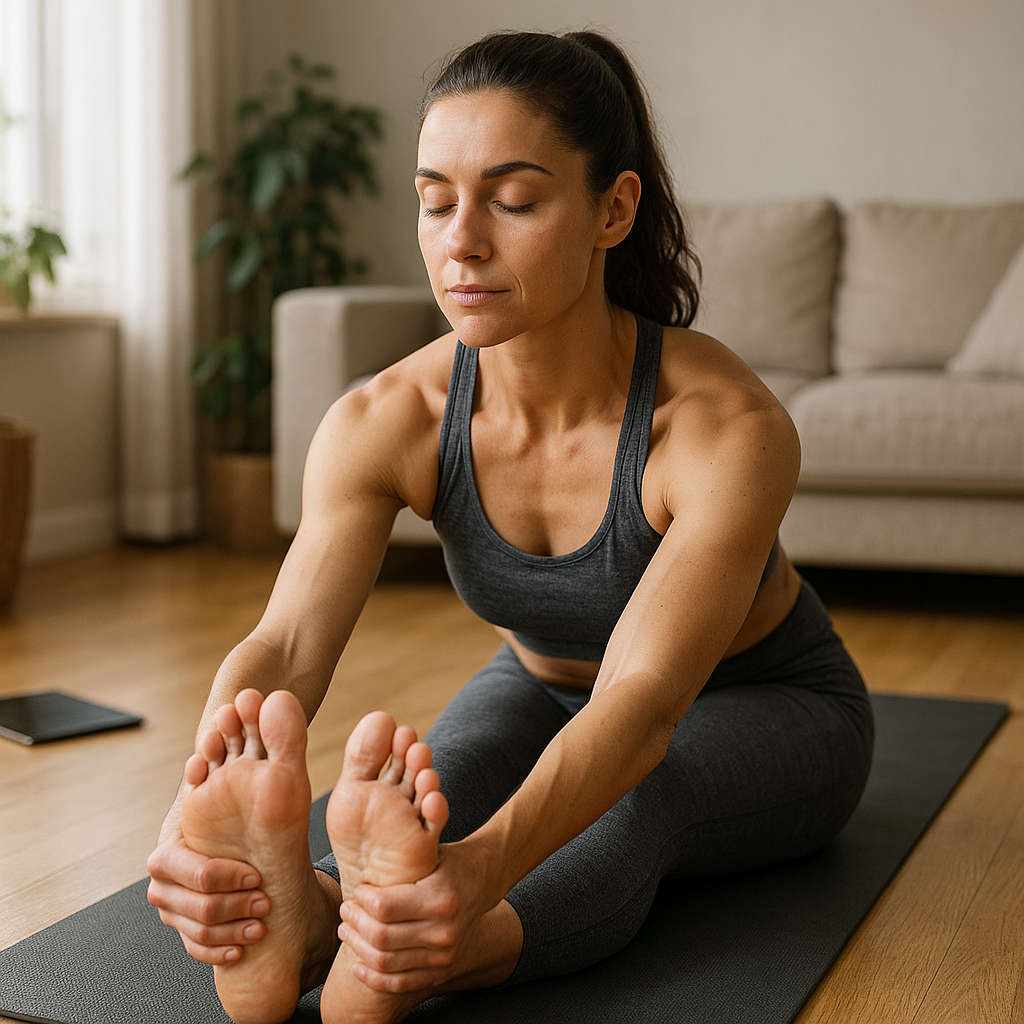
Exercise is a cornerstone of a healthy lifestyle, with numerous studies and health institutions like the CDC and WHO consistently highlighting its benefits. Regular physical activity is known to enhance cardiovascular health, improve mental well-being, and reduce the risk of chronic diseases such as heart disease, diabetes, and certain cancers. However, for many individuals, particularly those dealing with pain, poor posture, or a sedentary lifestyle, the path to reaping these benefits can be fraught with challenges.
For those who experience discomfort or pain during exercise, the idea of engaging in regular physical activity can be daunting. Poor posture, often a result of prolonged sitting or incorrect ergonomics, can exacerbate these issues, making it difficult to maintain a consistent exercise routine. This is where the concept of ergonomics comes into play, offering a practical solution to make exercise more accessible and beneficial for everyone, regardless of physical limitations.
The role of ergonomics in exercise
Ergonomics, the science of designing environments and products to fit the user, plays a crucial role in creating exercise routines that are both safe and effective. By focusing on ergonomics, individuals can engage in physical activity without exacerbating existing pain or discomfort. This approach involves tailoring exercise regimens to accommodate specific needs, using ergonomic aids to support proper alignment and reduce strain.
Integrating ergonomic aids into exercise routines can significantly enhance the experience for those with physical limitations. For example, posture-correcting clothing and supports can help maintain proper alignment, reducing the risk of injury and making exercise more comfortable. These aids not only facilitate safer movement but also enhance the effectiveness of workouts by ensuring that muscles are engaged correctly, leading to better results.

Men's Posture Shirt™ - Black
Patented shirt helps stimulate muscles and improve posture; ideal for pain relief and daily activities.
Incorporating ergonomics into exercise is not just about alleviating pain; it's about empowering individuals to achieve their health goals without fear of discomfort. By addressing the unique challenges faced by those with sedentary lifestyles or chronic pain, ergonomic solutions make it possible for everyone to enjoy the myriad benefits of regular physical activity. Whether it's through the use of specialized equipment or simply adjusting workout routines to be more posture-friendly, ergonomics provides a pathway to improved health and well-being.
health benefits of exercise: beyond the basics
Regular physical activity is a potent tool for enhancing overall health and longevity. According to the CDC, engaging in consistent exercise can significantly boost cardiovascular health by improving heart function and circulation, which in turn reduces the risk of heart disease and stroke. The WHO further emphasizes that exercise plays a crucial role in managing and preventing type 2 diabetes and certain types of cancer, such as breast and colon cancer. These benefits are not just limited to physical health; exercise also fosters mental well-being by reducing anxiety, depression, and stress levels, while enhancing mood and cognitive function.
Moreover, exercise is a key contributor to better sleep quality, helping individuals fall asleep faster and enjoy deeper rest. This is particularly beneficial for those struggling with insomnia or sleep disturbances. The NHS points out that regular physical activity can improve self-esteem, mood, energy levels, and even reduce the risk of dementia and Alzheimer's disease in older adults. These comprehensive benefits underscore the importance of incorporating exercise into daily routines for both immediate and long-term health improvements.
exercise guidelines for different age groups
Understanding the recommended amount and type of exercise is essential for maximizing health benefits. The WHO and NHS provide clear guidelines tailored for different age groups. For adults, it is recommended to engage in at least 150 minutes of moderate-intensity aerobic activity per week, such as brisk walking or cycling, coupled with muscle-strengthening activities on two or more days. For those who prefer more vigorous activities like running, 75 minutes per week is sufficient.
Children and adolescents should aim for at least 60 minutes of moderate to vigorous physical activity daily, with activities that strengthen muscles and bones included at least three times a week. For older adults, the focus remains on the same amount of aerobic activity as adults, but with an added emphasis on balance exercises to prevent falls, which are crucial for maintaining independence and reducing injury risk.
ergonomics in exercise: enhancing safety and comfort
Applying ergonomic principles to exercise routines is particularly beneficial for individuals experiencing pain or posture issues. Ergonomics can help tailor exercises to minimize discomfort and enhance effectiveness, making it possible for more people to participate in regular physical activity. By using ergonomic aids, such as posture-correcting garments or supportive equipment, individuals can maintain proper alignment during workouts, reducing strain on muscles and joints.
These aids are especially valuable for those with chronic pain or disabilities, as they provide the necessary support to engage in physical activity safely. For example, ergonomic supports can help distribute weight evenly, alleviating pressure on sensitive areas and preventing injury. This approach not only makes exercise more accessible but also ensures that individuals can enjoy the full spectrum of health benefits without exacerbating existing conditions.
case study: ergonomic solutions for office workers
Office workers often face unique challenges due to prolonged sitting and poor posture, which can lead to musculoskeletal issues and decreased physical activity. Integrating ergonomic solutions into their daily routines can significantly mitigate these problems. Simple desk exercises, such as stretching and micro-movements, can be incorporated throughout the day to promote circulation and reduce stiffness.
Additionally, ergonomic chairs and standing desks can encourage better posture and reduce the strain associated with long hours of sitting. By incorporating these ergonomic strategies, office workers can improve their health outcomes and reduce the risk of developing chronic conditions related to sedentary lifestyles. This not only enhances physical well-being but also boosts productivity and overall quality of life.
Exercise for specific conditions: adapting routines for comfort
For individuals with specific conditions such as back pain, arthritis, or joint issues, exercise can be adapted to ensure safety and comfort. Gentle, low-impact activities like swimming, cycling, or yoga can be particularly beneficial. These exercises reduce the strain on joints and muscles while still providing cardiovascular and strength benefits.
Incorporating ergonomic supports can further enhance these routines. For instance, using a supportive brace or posture-correcting clothing can help maintain proper alignment, reducing the risk of exacerbating existing conditions. These aids not only make exercise more accessible but also allow individuals to engage in physical activity with greater confidence and less discomfort.

Women's Posture Shirt™ - Black
Improves posture, relieves pain and tension; for daily life and exercises, using patented Neuroband™ tech.
Mental health and ergonomics: the unseen connection
There is a profound connection between physical posture, ergonomics, and mental health. Good posture, supported by ergonomic aids, can lead to increased confidence and reduced stress levels. Proper alignment facilitates better breathing, which is crucial for relaxation and mental clarity. This holistic approach to exercise not only improves physical health but also enhances mental well-being.
Engaging in regular physical activity with ergonomic support can significantly boost mood and reduce symptoms of anxiety and depression. By ensuring that exercise routines are comfortable and pain-free, individuals are more likely to maintain consistency, leading to better mental health outcomes over time.
Frequently Asked Questions
How much exercise do I need for health benefits?
The general guideline for adults is to engage in at least 150 minutes of moderate-intensity aerobic activity per week, such as brisk walking or cycling, along with muscle-strengthening activities on two or more days. These recommendations can be adjusted based on individual needs and capabilities, particularly for those with specific health conditions.
Can I exercise if I have back pain?
Yes, exercise is possible and beneficial for individuals with back pain. It's important to choose low-impact activities that do not exacerbate pain. Ergonomic aids, such as supportive braces or posture-correcting garments, can help maintain proper alignment and reduce discomfort during exercise.
What are the mental health benefits of exercise?
Regular physical activity is known to improve mood, reduce symptoms of anxiety and depression, and enhance overall mental well-being. Exercise releases endorphins, which are natural mood lifters, and can also improve sleep quality and cognitive function.
How can ergonomic aids enhance my exercise routine?
Ergonomic aids, such as posture-correcting clothing and supportive equipment, enhance exercise routines by ensuring proper alignment and reducing strain on muscles and joints. These aids make physical activity more comfortable and accessible, especially for individuals with pain or posture issues, allowing them to enjoy the full benefits of exercise safely.
Conclusion
Incorporating exercise into your daily routine is essential for maintaining overall health and well-being. By utilizing ergonomic solutions, individuals can overcome barriers related to pain and posture, making exercise a more enjoyable and sustainable part of their lives. Explore the benefits of ergonomics in your fitness journey to achieve your health goals with confidence and comfort.
Kilder
- Centers for Disease Control and Prevention. (2021). "Benefits of Physical Activity."
- World Health Organization. (2020). "Physical Activity."
- Mayo Clinic Staff. (2019). "Exercise: 7 Benefits of Regular Physical Activity."
- Harvard Health Publishing. (2021). "Exercise and Fitness."
- Warburton, D. E., Nicol, C. W., & Bredin, S. S. (2006). "Health Benefits of Physical Activity: The Evidence." CMAJ.
- World Health Organization Regional Office for Europe. (2021). "Physical Activity Fact Sheet."
- Centers for Disease Control and Prevention. (2021). "Physical Activity and Health: A Report of the Surgeon General."
- Lee, I. M., Shiroma, E. J., Lobelo, F., Puska, P., Blair, S. N., & Katzmarzyk, P. T. (2012). "Effect of Physical Inactivity on Major Non-Communicable Diseases Worldwide: An Analysis of Burden of Disease and Life Expectancy." Lancet.
- National Health Service. (2020). "Benefits of Exercise."
- University of Utah Health. (2021). "The Importance of Physical Activity."
- Reiner, M., Niermann, C., Jekauc, D., & Woll, A. (2013). "Long-Term Health Benefits of Physical Activity – A Systematic Review of Longitudinal Studies." BMC Public Health.