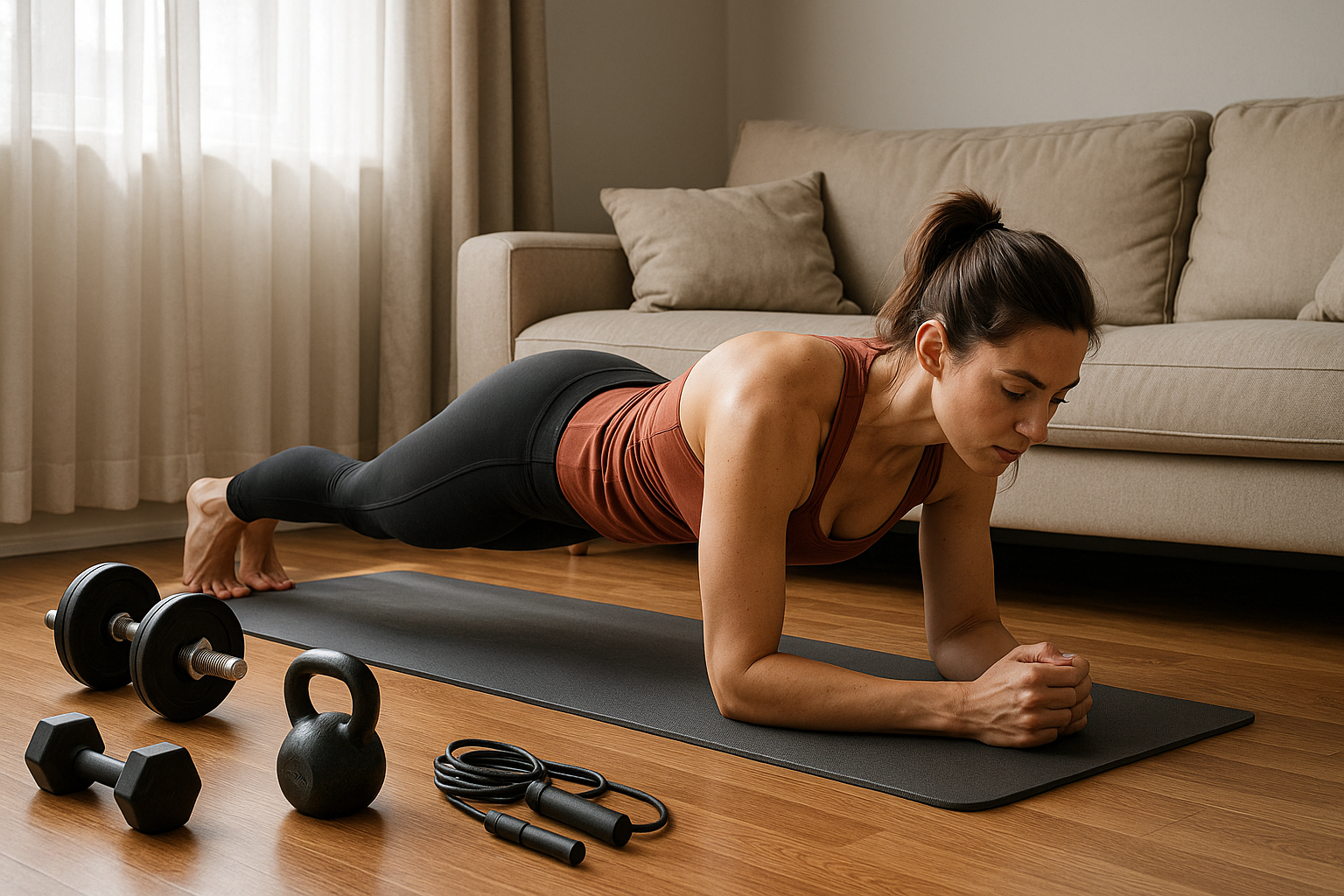
Poor balance is a common yet often overlooked issue that affects many individuals, manifesting as a sensation of dizziness, unsteadiness, or lightheadedness. These symptoms can lead to falls, which are not only physically harmful but can also impact one's confidence and independence. Balance is crucial for performing daily activities safely and effectively, contributing significantly to our overall quality of life.
Understanding balance problems
Balance problems can arise from various sources, making it essential to understand their underlying causes. Common culprits include inner ear issues, neurological conditions, aging, medications, and lifestyle factors. Inner ear disorders, such as benign paroxysmal positional vertigo (BPPV) or Ménière’s disease, can disrupt the vestibular system, which plays a key role in maintaining balance. Neurological conditions like Parkinson’s disease or multiple sclerosis can also lead to instability by affecting the nervous system's ability to coordinate movement.
Aging naturally brings changes to our bodies, such as muscle weakness, joint problems, and a decline in vision, all of which can contribute to poor balance. Additionally, certain medications may have side effects that affect balance, and lifestyle factors like a sedentary lifestyle or poor diet can exacerbate these issues. Understanding these causes is the first step in addressing balance problems effectively.
Why balance matters
The impact of poor balance extends beyond physical health, affecting emotional well-being and independence, especially in older adults. As balance deteriorates, the risk of falls increases, which can lead to serious injuries and a loss of confidence. Early recognition and intervention are crucial in preventing falls and maintaining independence. Simple lifestyle changes and exercises can significantly improve balance, reducing the risk of falls and enhancing overall stability.
Balance exercises, such as yoga, Pilates, and tai chi, are effective in strengthening the muscles and improving proprioception, which is the body's ability to sense its position in space. Ergonomic aids and modifications to the home environment can also play a role in supporting balance and preventing falls. By addressing both the causes and solutions for poor balance, individuals can take proactive steps to steady their lives and improve their quality of life.

Men's Posture Shirt™ - Black
Hjælper med at forbedre kropsholdning og kan lindre ryg- og skuldersmerter.
Causes of poor balance
Poor balance is a multifaceted issue with various potential causes, each requiring a unique approach to management and treatment. One of the primary contributors is the inner ear, specifically the vestibular system, which is crucial for maintaining equilibrium. Conditions such as benign paroxysmal positional vertigo (BPPV), Ménière’s disease, and labyrinthitis can disrupt this system, leading to dizziness and instability. These disorders often result in sudden episodes of vertigo, where individuals feel as though they or their surroundings are spinning.
Neurological conditions also play a significant role in balance problems. Diseases like Parkinson’s, multiple sclerosis, and stroke can impair the nervous system's ability to process sensory information and coordinate movement, resulting in unsteadiness. These conditions can cause muscle stiffness, tremors, and weakness, all of which exacerbate balance issues.
Aging is another factor that affects balance, as it often leads to muscle weakness, joint stiffness, and a decline in vision. These changes can alter an individual's gait and posture, increasing the risk of falls. Furthermore, age-related diseases such as arthritis can add to the challenge by causing pain and limiting mobility.
Medications are a common but often overlooked cause of balance problems. Certain drugs, especially those affecting the central nervous system like sedatives, antidepressants, and blood pressure medications, can have side effects that impair balance. Additionally, lifestyle factors such as dehydration, poor diet, and lack of physical activity can contribute to overall instability.
Recognizing red-flag symptoms
Identifying symptoms that indicate a more serious underlying issue is crucial in managing balance problems effectively. Sudden onset of dizziness or vertigo, particularly when accompanied by neurological symptoms such as slurred speech, numbness, or severe headache, warrants immediate medical attention. These could be signs of a stroke or other serious conditions requiring urgent intervention.
Keeping a symptom diary can be a valuable tool for individuals experiencing persistent balance issues. Recording details such as the time of day symptoms occur, associated activities, and any dietary or lifestyle factors can help healthcare providers diagnose the underlying cause more accurately. This proactive approach aids in tailoring treatment strategies to the individual's specific needs.
Practical treatment and self-help strategies
Addressing poor balance involves a combination of professional medical advice and self-directed strategies. Vestibular rehabilitation therapy is a specialized form of physical therapy that focuses on exercises to improve balance and reduce dizziness by retraining the brain to process signals from the inner ear and other sensory systems more effectively.
Incorporating balance exercises into daily routines can significantly enhance stability. Activities such as yoga, Pilates, and tai chi are particularly beneficial as they improve muscle strength, flexibility, and proprioception. Additionally, specific balance drills like single-leg stands and heel-to-toe walks can be practiced at home to further support balance improvement.

Women's Posture Shirt™ - Black
Støtter kropsholdningen og kan hjælpe med at lindre smerter i ryg, nakke og skuldre.
Medication review and management are essential for individuals whose balance is affected by drug side effects. Consulting with healthcare providers to adjust dosages or switch medications can alleviate these issues. Moreover, maintaining proper hydration and a balanced diet supports overall health and can prevent dizziness caused by dehydration or nutritional deficiencies.
Fall prevention is a critical aspect of managing poor balance. Creating a safe home environment by removing tripping hazards, installing grab bars in bathrooms, and ensuring adequate lighting can reduce the risk of falls. Using assistive devices such as canes or walkers may also provide additional support and confidence for those with significant balance challenges.
Lifestyle and mind-body approaches
Maintaining balance is not solely about addressing physical symptoms; it also involves nurturing a holistic lifestyle. Engaging in regular physical activity tailored to individual capabilities is crucial. Activities like walking, swimming, or cycling can enhance overall fitness and stability. Incorporating stress management techniques such as mindfulness, meditation, and deep breathing exercises can also play a significant role in improving balance. These practices help in reducing stress and anxiety, which are known to affect balance negatively.
For those looking to add variety and challenge to their routine, using balance boards or stability balls can be beneficial. These tools engage the core muscles and improve proprioception, enhancing the body's ability to maintain balance. By integrating these exercises into daily life, individuals can work towards a more balanced and steady existence.
Ergonomic aids and posture correction
Ergonomic aids are valuable tools in enhancing balance and stability. These aids can improve proprioception, which is the body's ability to sense its position in space, thus supporting better balance. Posture-correcting garments, for example, can help maintain alignment and reduce strain on muscles and joints. By encouraging proper posture, these garments help distribute weight evenly, reducing the risk of falls and improving overall stability.
Integrating ergonomic solutions into daily routines can further support balance. Simple adjustments, such as ensuring that workspaces are ergonomically designed, can prevent muscle fatigue and improve posture. Additionally, using supportive footwear and orthotic inserts can enhance balance by providing stability and reducing discomfort during movement.
Frequently Asked Questions
Is poor balance normal as you age?
While it is common for balance to decline with age, it is important to address the underlying causes and engage in preventive measures. Aging can lead to muscle weakness, joint stiffness, and vision changes, all of which can affect balance. However, with targeted exercises and lifestyle adjustments, balance can often be maintained or improved.
Can poor balance be improved?
Yes, poor balance can often be improved with targeted exercises, lifestyle changes, and professional guidance. Engaging in balance exercises, reviewing medications with healthcare providers, and maintaining a healthy diet and hydration can all contribute to better balance.
Which exercises help with poor balance?
Effective exercises for improving balance include tai chi, yoga, and specific balance drills like single-leg stands and toe raises. These activities enhance muscle strength, flexibility, and proprioception, all of which are crucial for maintaining stability.
When is poor balance a sign of something serious?
Poor balance can be a sign of a serious condition if it is accompanied by symptoms such as sudden dizziness, severe vertigo, slurred speech, or neurological changes like numbness. In such cases, it is important to seek medical evaluation to rule out underlying health issues.
Källor
- Cleveland Clinic. (2021). ”Balance Problems.”
- Health Network. (2023). ”What Can I Do to Strengthen My Balance?”
- UNC Health Appalachian. (2024). ”Balance Disorders: Common Causes and Treatments.”
- University of Pittsburgh. (2023). ”Balance Disorder Treatment Options.”
- Health Network. (2023). ”3 Root Causes of Poor Balance.”
- Virginia ENT. (2023). ”Understanding Balance Disorders.”
- CNSO. (2023). ”Balance and Clumsiness: Causes.”
- Mayo Clinic. (2023). ”Balance Problems: Diagnosis & Treatment.”
- Mayo Clinic. (2023). ”Balance Problems: Symptoms & Causes.”
- UT Southwestern Medical Center. (2023). ”Balance Disorders.”
- Line Urology. (2023). ”Why Am I Losing My Balance? Common Neurological Causes Explained.”
- Health in Aging. (2023). ”Balance Problems: Care & Treatment.”
- NIDCD. (2023). ”Balance Disorders.”
- Spire Healthcare. (2023). ”Balance Problems: What Causes Poor Balance?”
- Harvard Health. (2023). ”Balance.”