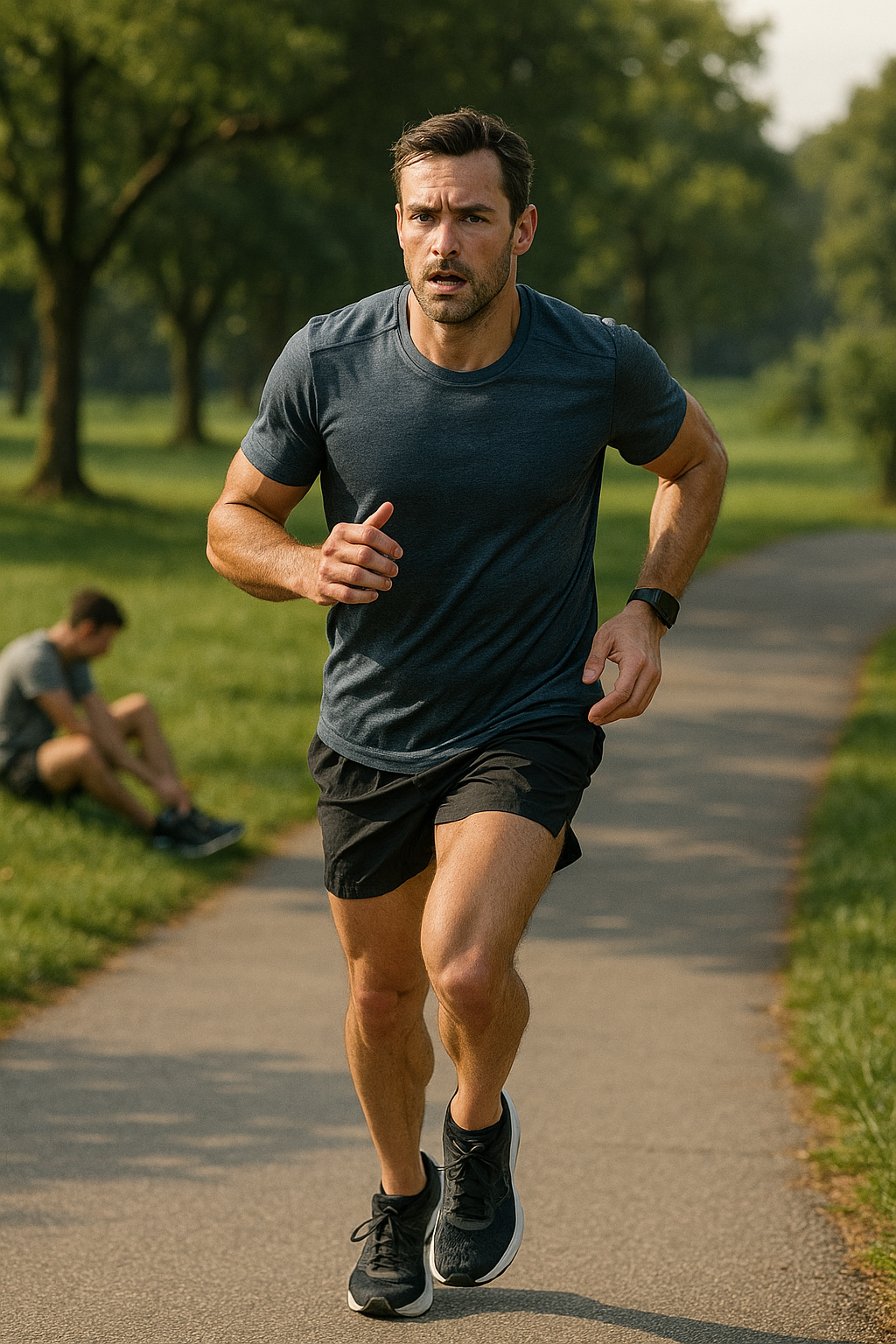
Deadlines, notifications, family logistics, and the constant pressure to “keep up” can make stress feel like the default setting. The tricky part is that stress doesn’t just live in your mind—it shows up in your body, too: tight shoulders, a clenched jaw, shallow breathing, restless sleep, and that wired-but-tired feeling that makes it hard to truly switch off.
That’s why so many people are looking for non-pharmacological ways to feel better day to day. Yoga for stress has become a go-to option because it’s practical, low-barrier, and adaptable: you can do it at home, in a small space, and in just a few minutes. More importantly, yoga isn’t only stretching. It’s a combination of gentle movement, mindful attention, and breathing techniques that work together to help your body shift out of “go mode.”
Why yoga can feel calming so quickly
Stress is closely tied to your nervous system. When your body perceives pressure or threat, it tends to lean into a fight-or-flight response—useful in short bursts, exhausting when it becomes constant. Yoga is often used to encourage the opposite state: a calmer, more restorative mode associated with slower breathing, reduced muscle tension, and a steadier heart rhythm.
Research summaries suggest yoga-based practices may help regulate stress responses by supporting parasympathetic activity (the “rest and digest” side of the nervous system) and reducing stress-related markers. The takeaway for everyday life is simple: when you pair comfortable postures with steady breathing, your body gets a clear signal that it’s safe to soften.
What you’ll get from this guide
This post is designed for real life—not perfect flexibility or hour-long classes. In the next sections, you’ll learn:
- How yoga may influence stress pathways in the body (in plain language, without the fluff)
- Beginner-friendly poses that help release common “stress zones” like the neck, shoulders, hips, and lower back
- A short 7–10 minute routine you can repeat when you need a reset
- Simple breathing techniques you can use anytime—at your desk, before sleep, or between meetings
If you’re new to yoga, consider this your permission slip to keep it gentle. The goal isn’t to push through discomfort—it’s to create a small, repeatable practice that helps you feel calmer, clearer, and more at home in your body.
The science behind yoga for stress relief
Stress isn’t just a feeling—it’s a full-body response. When life ramps up, your nervous system often shifts toward a sympathetic state (think: fight-or-flight). Heart rate rises, breathing gets shallower, muscles brace, and your mind becomes more alert. Helpful for short bursts, but draining when it becomes your baseline.
Yoga for stress is often effective because it nudges your system in the opposite direction. Many yoga practices combine slow movement, longer exhales, and focused attention—signals that encourage parasympathetic activity (rest-and-digest). In simple terms: your body gets repeated cues that it can downshift.
Research reviews and meta-analyses suggest yoga-based interventions can reduce perceived stress in the short term for stressed adults, while also influencing physiological stress markers. Findings vary between studies, but commonly discussed changes include shifts in cortisol patterns, improvements in heart rate variability (HRV), and reductions in measures linked to arousal, such as galvanic skin response (GSR). It’s not a magic switch, but it supports a pattern your body can learn: tension rises, you practice, and your system settles.
How yoga may affect cortisol and the hpa axis
Cortisol is often called the “stress hormone,” but it’s more accurate to think of it as a regulator that helps mobilise energy and keep you alert. Chronic stress can dysregulate cortisol rhythms, leaving you feeling wired, fatigued, or both. Yoga may help by influencing the hypothalamic-pituitary-adrenal (HPA) axis—the feedback loop that helps control cortisol release. Practices that slow breathing and reduce muscle guarding can act like a brake, lowering the overall “threat level” your brain perceives.
How yoga supports autonomic balance
Your autonomic nervous system (ANS) is constantly adjusting your heart rate, breathing, and digestion. Stress tends to push the ANS toward sympathetic dominance. Gentle yoga, especially when paired with steady breathing, can support a more balanced state. One reason HRV is often mentioned in yoga research is that it reflects how adaptable your system is—higher HRV is generally associated with better resilience and recovery.
Beginner-friendly yoga poses for stress
You don’t need intense flows to feel benefits. For stress relief, choose shapes that feel supportive and allow your breath to slow down. Aim for mild sensation, not strain. If a pose makes you hold your breath or clench your jaw, back off and make it easier.
- Child’s pose: A classic “exhale” posture that encourages the back body to soften. If your hips don’t comfortably reach your heels, place a folded blanket between thighs and calves, or rest your torso on a cushion.
- Cat-cow stretch: Gentle spinal movement that pairs naturally with breath. Inhale as you open the chest (cow), exhale as you round the back (cat). Keep it slow and smooth.
- Legs-up-the-wall: A simple inversion that can feel deeply calming, especially after long hours sitting or standing. Bend your knees as needed, or place a pillow under your hips for comfort.
A simple 7–10 minute yoga for stress routine
This short sequence is designed to be repeatable on busy days. Move slowly and keep your breathing quiet and steady.
- Breath reset (1 minute): Sit or lie down. Inhale through the nose for a comfortable count, then exhale slightly longer. Let your shoulders drop on the exhale.
- Cat-cow (1–2 minutes): 6–10 slow rounds. Match movement to breath rather than speed.
- Child’s pose (2 minutes): Rest your forehead on stacked hands or a cushion. If it feels good, widen your knees to make more space for your belly and breath.
- Seated forward fold (1 minute): Sit with knees bent. Hinge forward only as far as you can breathe easily. Support your knees with a rolled towel if needed.
- Legs-up-the-wall (2–4 minutes): Relax your feet and soften your belly. If your lower back feels tight, move your hips slightly away from the wall.
Finish by noticing one thing that feels different—slower breath, softer shoulders, less buzzing in your mind. That small shift is the point.
Breathing techniques for immediate calm
Breath is one of the fastest ways to change how stress feels in your body. If you only do one thing, do this: slow your exhale. Longer exhales are strongly associated with a settling response.
- Deep belly breathing (2–3 minutes): Place one hand on your chest and one on your belly. Breathe so the lower hand rises more than the upper. Keep the exhale slow and smooth.
- Alternate nostril breathing (1–3 minutes): Gently alternate breathing through one nostril at a time, keeping the pace relaxed. Skip this if it feels stressful, and avoid it if you’re congested.
Consistency beats intensity. A few minutes of yoga for stress, done regularly and comfortably, can become a reliable reset button you can use whenever life feels too loud.
Yoga for stress in everyday life
It’s one thing to know that yoga can be calming; it’s another to make it work on a normal day. The most effective yoga for stress is usually the practice you can repeat consistently—without needing extra time, a perfect mood, or a full class. Think of it as a nervous-system “check-in” you can do in small doses: a few minutes to release tension, slow your breathing, and interrupt the cycle of bracing and rushing.
A helpful approach is to match your yoga to the kind of stress you’re dealing with:
- Mental overload: Choose simple shapes you can hold and breathe in (less decision-making, more settling).
- Physical tension: Focus on areas that commonly tighten under stress—neck, shoulders, chest, hips, and lower back.
- Restlessness: Start with a few gentle movements (like Cat-Cow) before longer holds, so your body can “arrive.”
Desk-worker stress: release neck, shoulders, and back tension
Long hours sitting can create a specific stress pattern: head forward, shoulders rounded, jaw tight, and a stiff upper back. The goal isn’t to force flexibility—it’s to undo the posture of pressure and give your breath more room. Try this mini-sequence when you feel that familiar build-up:
- Seated neck release (30–60 seconds each side): Sit tall. Let one ear drift toward the same-side shoulder. Keep the opposite shoulder heavy. Breathe slowly and avoid pulling on your head.
- Seated shoulder rolls (30–45 seconds): Roll shoulders up, back, and down with a smooth rhythm. Exhale as they drop.
- Thread-the-needle (1 minute each side): From hands and knees, slide one arm under the other and rest your shoulder and head down. This can feel like a deep “unclenching” for the upper back.
- Supported chest opener (1–2 minutes): Lie on your back with a folded towel or small cushion lengthwise along your spine so your chest can gently open. Keep it comfortable and let your breath soften your ribs.
If you can only do one thing at your desk, do this: take 5 slow breaths and make your exhale slightly longer than your inhale. Then drop your shoulders and unclench your jaw. It’s simple, but it changes your baseline quickly. For additional support, consider ergonomic aids designed to relieve tension in the neck, shoulders, and back.

Men's Posture Shirt™ - Black
Patented shirt that activates muscles, relieves pain, improves posture, and supports during all activities.

Women's Posture Shirt™ - Black
Activates muscles, relieves pain, and improves posture with patented Neuroband™ technology.
Make yoga more comfortable with props and support
Props are not “training wheels.” They’re a way to make yoga for stress more accessible—especially if you’re stiff, tired, or dealing with discomfort. When a pose feels supported, your body is more likely to relax instead of guarding.
- Pillow or cushion: Use under the knees in Legs-Up-the-Wall, under the torso in Child’s Pose, or behind the back for seated breathing.
- Folded blanket: Place under hips in seated positions or between thighs and calves in Child’s Pose to reduce strain.
- Yoga block or thick book: Bring the floor closer in forward folds, or support a hand in gentle twists.
- Strap or towel: Helpful for hamstring stretches without rounding the back or forcing range of motion.
A good rule: if you can’t breathe smoothly, the pose is too intense for stress relief. Add support, reduce the range, or choose a different shape.
Who benefits most from yoga for stress?
Yoga is adaptable, which is why it works for many different people and schedules. It can be especially helpful if you:
- Work under pressure: Short sessions can help you downshift between tasks and reduce the “always on” feeling.
- Study or do mentally demanding work: Breath-led movement can improve focus by calming physical restlessness.
- Feel stress in your body: If your stress shows up as tension headaches, tight shoulders, or a stiff back, gentle poses can target those areas directly.
- Want a low-barrier routine: You don’t need to be flexible, and you don’t need long workouts for meaningful benefits.
Yoga isn’t a replacement for professional care when stress feels unmanageable, but it can be a practical self-management tool that supports resilience over time—especially when you keep it simple and consistent.
Frequently Asked Questions
How quickly can I expect to see results from yoga for stress relief?
Many people notice a calming effect after just a few sessions—sometimes even after a single practice—especially when yoga includes slow breathing and comfortable holds. Longer-term changes, like feeling more resilient to daily stress, typically come from consistent practice over weeks.
Do I need any special equipment to start yoga?
No. Comfortable clothing and a non-slip surface are enough to begin. A yoga mat can make things more comfortable, and simple props like a pillow, blanket, block, or strap can help you relax more deeply and reduce strain.
Can yoga help with anxiety as well as stress?
Yes, yoga is commonly used to support both stress and anxiety because it combines movement, breath regulation, and mindful attention—tools that can help calm the nervous system. If anxiety is severe or persistent, yoga can be a helpful addition alongside professional support.
Is it better to do yoga in the morning or evening for stress relief?
Either can work. Morning yoga can help you start the day with a steadier baseline, while evening yoga can release built-up tension and support better sleep. The best time is the one you can do consistently, even if it’s only 7–10 minutes.
How often should I practice yoga to manage stress effectively?
Consistency matters more than duration. Short daily sessions can be very effective, and practicing 3–4 times per week is a realistic goal for many people. Even on busy days, a few minutes of breathing and one or two calming poses can make a noticeable difference.
Källor
- Bosch Health Campus. (n.d.). "Yoga bei Stress und Depressionen."
- Carstens-Stiftung. (n.d.). "Yoga: Die Studienlage."
- Technische Universität Chemnitz. (n.d.). "Aktuell: Yoga und Stressbewältigung."
- YogaMeHome. (n.d.). "Yoga Studien: Wirkung."
- National Center for Biotechnology Information. (n.d.). "Yoga for Stress: A Review."
- Sportärztezeitung. (n.d.). "Yoga als Stressmanagement-Intervention."
- Gesundwerk Bad Salzuflen. (n.d.). "Yoga als Methode der Stressbewältigung."
- MDR Wissen. (n.d.). "Yoga kann gestressten Ärzten besser helfen als ein Stressmanagement-Kurs."
- YogaEasy. (n.d.). "Stress: Auslöser, Folgen und wie Yoga hilft."
- Frontiers in Psychiatry. (2024). "Yoga for Stress Management: A Comprehensive Review."
- Yoga Vidya. (n.d.). "Yoga bei Stress."
- Fit Reisen. (n.d.). "Studien zu Yoga."
- VTF Hamburg. (n.d.). "Wie Yoga gegen Stress wirkt."
- Adler Resorts. (n.d.). "Warum wirkt Yoga gegen Stress?"
- BeatYesterday. (n.d.). "40 Tage Namaste: Wie reduziert tägliches Yoga den Alltagsstress?"