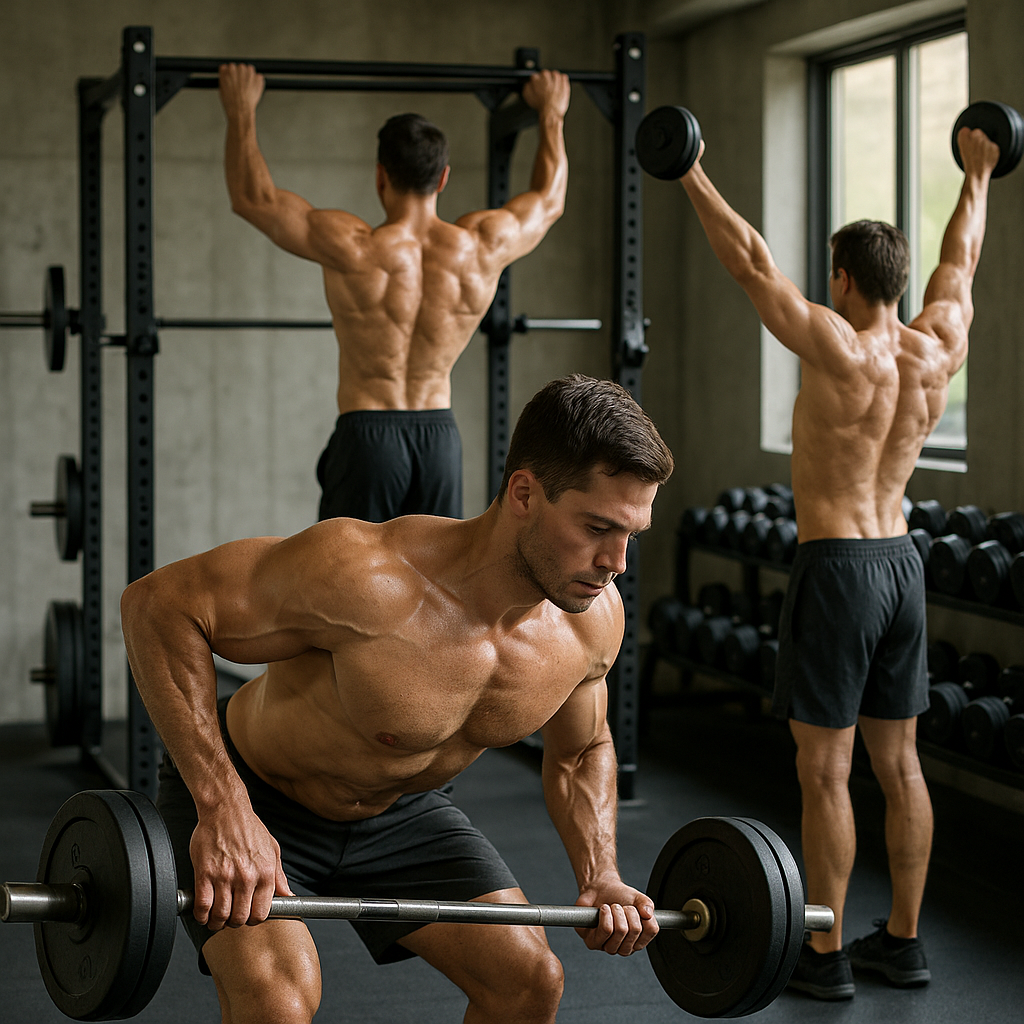
Balance is one of those skills you rarely think about until it’s missing. It shows up when you step off a curb while carrying a laptop bag, reach for something on a high shelf, or simply try to sit upright through a long workday without feeling twisted, tense, or tired. When your body can find its center quickly, everything else tends to feel easier: movement becomes smoother, posture looks more natural, and everyday tasks demand less effort.
In physical fitness and ergonomics, balance is your ability to control your body’s position, whether you’re standing still, walking, or changing direction. It’s not just about “not falling over” in a yoga pose. It’s the quiet coordination between your feet, core, hips, eyes, and inner ear that helps you stay steady and aligned. That matters in training, but it matters just as much at a desk, where small imbalances can turn into persistent strain over time.
If you’ve ever searched for balance online, you’ve probably noticed the word is often used in a completely different way. In SEO, balance usually means weighing trade-offs like search volume, competition, and ranking potential. It’s a strategy term: choosing what to prioritize so you don’t waste effort. The idea is surprisingly useful for your body, too. You’re also managing trade-offs all day long, like comfort versus concentration, or sitting still versus staying mobile. The goal is to distribute load intelligently so you can keep performing without burning out.
Why balance matters for desk workers
A sedentary routine can quietly dull the systems that keep you stable. When you sit for hours, your hips may stiffen, your glutes can “switch off,” and your core may stop doing its share of the work. The result is often a body that compensates: leaning into one hip, craning the neck forward, or relying on the lower back for support. Over time, that can affect both how you move and how you feel.

Women's Posture Shirt™ - Black
Støtter holdning, stimulerer muskler og kan lindre smerter. CE-medicinsk udstyr.
This post is here to make balance practical. You’ll get straightforward ways to train steadiness and coordination, plus simple ergonomic adjustments that help your posture feel more supported during the day. Think of it as building a more reliable foundation for everything you do, from walking meetings to workouts to getting through a long afternoon without feeling lopsided.
A simple way to think about balance
Good balance is a mix of awareness and strength. Awareness helps you notice when you’re drifting out of alignment. Strength and control help you correct it smoothly. In the next sections, we’ll break down what’s happening in your body and how to improve it with small, repeatable habits.
The science behind steady movement
Your ability to stay upright and controlled is built on three systems working together: the vestibular system (inner ear), proprioception (your body’s position sense), and muscle coordination. When one of these inputs is “noisy” or undertrained, your body compensates—often by gripping through the feet, locking the knees, or overusing the lower back and neck. For desk workers, that compensation can become a habit because long sitting reduces the variety of positions your nervous system gets to practice.
The vestibular system helps you detect head movement and orientation, which is why turning quickly, looking up, or moving from sitting to standing can feel briefly unsteady if you’re tired or stiff. Proprioception comes from receptors in muscles, tendons, and joints that constantly report where you are in space. It’s one reason why standing on one leg is harder with your eyes closed: you’ve removed a major stabiliser (vision), so your body must rely more on proprioception and the inner ear. Muscle coordination is the “output” side—how well your hips, core, ankles, and feet make tiny adjustments to keep your center of mass over your base of support.
When these systems are trained, the benefits go beyond not falling. Better control can reduce the risk of trips and ankle rolls, support a more upright posture shirt, and make everyday movement more efficient. For active people, it can also improve change-of-direction mechanics and landing control. For sedentary routines, the win is often simpler: fewer end-of-day aches that come from holding yourself in a slightly off-center position for hours.
Practical balance exercises you can do anywhere
You don’t need long workouts to improve stability. Short, frequent practice teaches your nervous system to react faster and with less effort. Aim for smooth control rather than “white-knuckling” through a wobble.
- Single-leg stand (the desk-friendly classic): Stand tall, lightly brace your core, and lift one foot a few centimeters off the floor. Keep hips level and avoid leaning. Start with 10–20 seconds per side and build to 45–60 seconds. To progress, turn your head slowly side to side or hover your hands away from a support.
- Heel-to-toe walk: Walk forward in a straight line, placing the heel of your front foot directly in front of the toes of your back foot. Take 10–15 steps, turn around, and repeat. Keep your gaze forward (not down) to train steadiness under real-world conditions.
- Weight shifts: Stand with feet hip-width apart and gently shift your weight left, right, forward, and back without lifting the feet. This is a great “reset” between meetings because it wakes up the ankles and hips without breaking a sweat.
- Clock taps: Stand on one leg and tap the other foot lightly to the front, side, and back (like points on a clock). Keep the standing knee soft and the pelvis steady. This builds hip control that supports both posture and gait.
If you’re adding these to a workday, think in micro-sessions: 1–2 minutes after a call, before lunch, or while waiting for the kettle. Consistency matters more than intensity.
Ergonomic adjustments that support better balance
Training helps, but your setup can either reinforce good alignment or constantly pull you out of it. Start with the basics: feet supported, hips comfortably back in the chair, and the screen positioned so you’re not craning forward. When possible, alternate between sitting and standing to give your hips and ankles more variety.
A few practical tweaks can make a noticeable difference:
- Stable foot contact: If your feet don’t rest flat, your body often searches for stability by rounding the lower back or leaning into one hip. Adjust chair height or use a footrest so your feet feel grounded.
- Neutral wrist and forearm support: When the keyboard and mouse are too high or too far away, the shoulders elevate and the neck tightens, which can subtly affect head position and steadiness. Bring input devices closer and support the forearms when possible.
- Intentional standing breaks: A sit-stand routine (even short standing intervals) encourages small postural corrections and re-engages the muscles that keep you centered.
Mind-body practices that improve control
Yoga and tai chi are popular for a reason: they combine slow transitions, controlled breathing, and deliberate foot pressure—all of which sharpen proprioception and coordination. You don’t need advanced poses. Simple flows that include single-leg positions, controlled step-backs, and gentle rotations can teach your body to stay organized while moving. The key is attention: feel the tripod of the foot (heel, base of big toe, base of little toe), keep the ribs stacked over the pelvis, and move slowly enough that you can correct drift before it becomes a collapse.
Tools and equipment for balance training
Equipment can add variety and challenge, but it’s most effective when it supports good form rather than forcing you into compensation. Start with stable options and progress gradually.
| Tool | Main benefit | Best for | Practical tip |
|---|---|---|---|
| Balance board | Trains ankle and hip reactions | Short sessions at home, athletes, coordination work | Use near a wall or desk at first; focus on quiet, controlled corrections |
| Stability ball | Encourages core engagement and posture awareness | Accessory exercises, gentle mobility, seated drills (briefly) | Choose the right size so hips are level or slightly higher than knees |
| Resistance bands | Builds hip stability and glute activation | Desk-worker strength support, warm-ups | Try lateral steps or standing hip abductions to reduce “hip drop” habits |
Create a balanced routine you can stick with
The most effective way to improve balance is to make it part of your day instead of treating it like a separate project. For desk workers, the sweet spot is short, repeatable practice that fits between tasks. Think of it like workload management: small adjustments done consistently prevent bigger problems later.
Start by choosing two “anchors” in your schedule—moments that happen most days. Common examples are your first coffee, a lunch break, or the end of the workday. Attach a micro-session to each anchor so it becomes automatic.
- Morning (1–2 minutes): 30 seconds of weight shifts + 30 seconds of single-leg stand per side.
- Midday (2–3 minutes): Heel-to-toe walk for 10–15 steps each way + clock taps (3 taps front/side/back per leg).
- Evening (3–5 minutes): Light band work (lateral steps or standing hip abductions) + one controlled balance board set if you use equipment.
Progress gradually. First, increase time (for example, from 15 seconds to 30 seconds). Next, increase complexity (head turns, slower movement, smaller base of support). Save “unstable” tools like a balance board for when you can maintain good alignment without gripping your toes, locking your knees, or holding your breath.
Balance at work: make your setup support you
Your routine will work better if your workstation doesn’t constantly pull you off-center. A simple check is to notice whether you always cross the same leg, lean into the same hip, or rest more weight on one forearm. Those habits are often your body’s way of searching for stability.

Men's Posture Shirt™ - Black
Forbedrer holdning, aktiverer muskler, kan lindre smerter. Medicinsk godkendt t-shirt.
- Keep your base stable: Feet supported, hips back, and weight evenly distributed through the sit bones. If your feet float, use a footrest so the lower body can “plug in” and support the spine.
- Reduce forward drift: Place the screen and input devices so you can keep ribs stacked over pelvis without reaching. A forward head position can subtly disrupt balance by changing how your inner ear and vision coordinate.
- Use standing breaks strategically: When you stand, do 2–3 slow weight shifts or a brief single-leg stand before walking away. It reinforces control rather than simply changing posture.
Track progress without overthinking it
Balance improves in small, measurable ways. Tracking helps you stay consistent and prevents you from progressing too fast. Use simple tests once or twice a week, ideally at the same time of day.
- Single-leg time: Record how long you can stand tall on each leg with steady breathing. Aim for symmetry between sides, not just a higher number.
- Quality notes: Write one sentence: “Wobbly at the ankle,” “hip drops,” or “felt stable.” Quality often improves before time does.
- Complexity milestones: Note when you can add head turns, close your eyes briefly, or perform clock taps with less sway.
If your numbers improve but you feel more tension, scale back and rebuild with smoother control. Better balance should feel steadier and more efficient, not tighter.
Frequently Asked Questions
What are the signs of poor balance?
Common signs include frequent tripping, bumping into doorframes, difficulty walking in a straight line, feeling unstable when standing still, or needing to grab support during quick turns. For desk workers, another sign is consistently shifting into the same leaning posture because it feels “easier” to hold.
How often should I practice balance exercises?
Ideally, practice daily in short sessions. If that is not realistic, aim for at least three times per week. Consistency matters more than long workouts because balance is largely a nervous system skill that improves with frequent repetition.
Can balance training help with back pain?
Yes. Better balance can improve posture control and reduce the tendency to hang on passive structures (like the lower back) for stability. When hips, core, and ankles share the work more evenly, many people experience less strain during sitting, standing, and walking.
Is balance training suitable for all ages?
Yes. Balance training benefits all age groups and can be scaled to match ability. Beginners can start with supported holds (near a wall or desk), while more advanced routines can include controlled movement, slower transitions, or unstable surfaces.
What should I do if I feel dizzy during balance exercises?
Stop the exercise immediately and rest. Resume only when you feel normal, and reduce the difficulty (for example, keep both feet down or avoid head turns). If dizziness persists, occurs repeatedly, or feels intense, consult a healthcare professional.
Kilder
- Healthy Hearing. (2020). "Explainer: How hearing and balance are connected."
- Southern Indiana ENT. (n.d.). "What happens during balance testing?"
- Audiocare. (n.d.). "Hearing and balance: How are they connected?"
- North Hills ENT. (n.d.). "Connection between balance and hearing loss."
- LHAC. (n.d.). "The connection between hearing loss and balance."
- NIDCD. (n.d.). "Balance disorders."
- Physicians Hearing Services. (n.d.). "Understanding the link between balance and hearing."
- Rigshospitalet. (n.d.). "Center for hørelse og balance."
- Audiology Island. (n.d.). "Balance and hearing."
- Mount Sinai. (2020). "Sound can directly affect balance and lead to risk of falling."