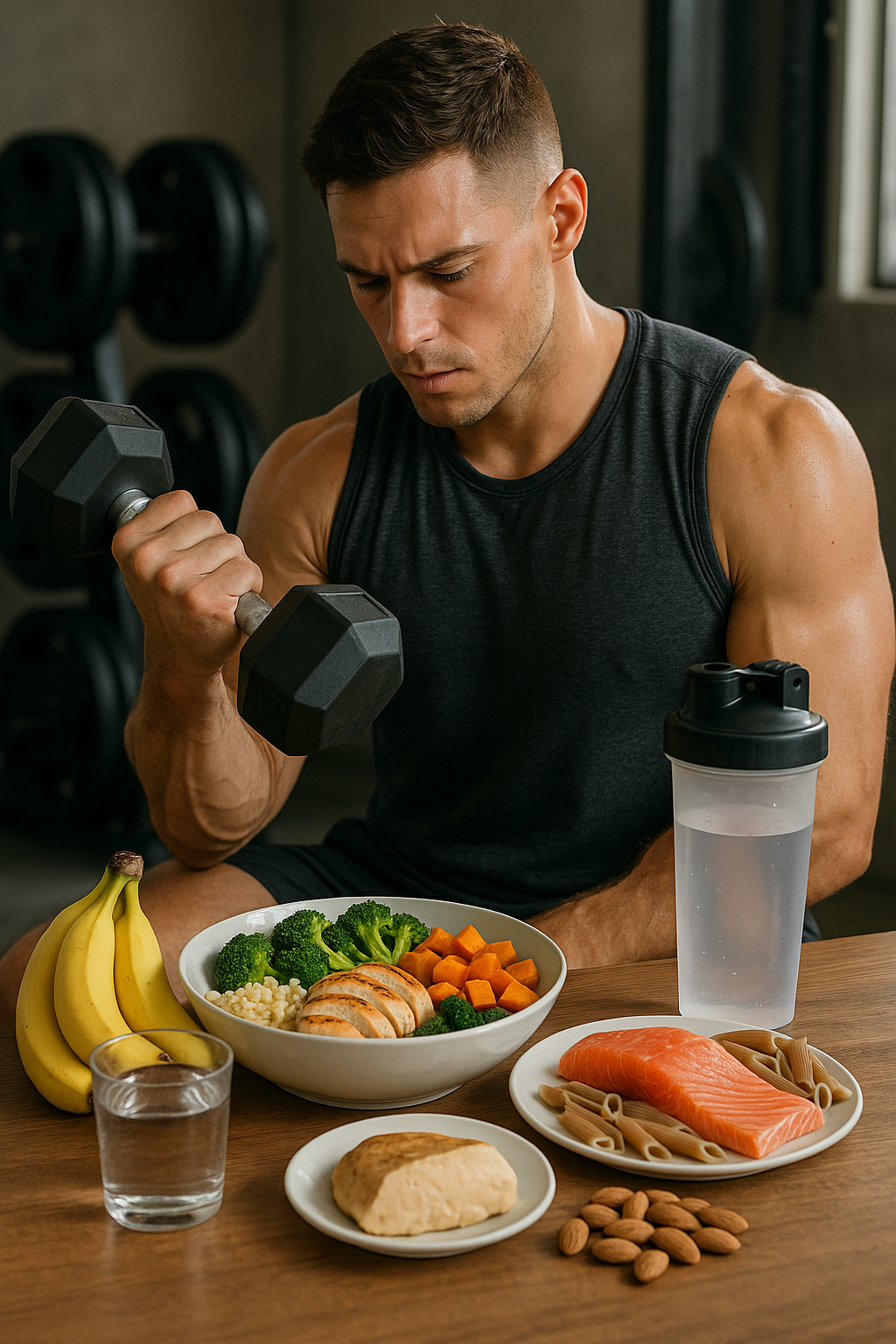
When it comes to achieving peak performance in your workouts, having enough energy for training is crucial. Many fitness enthusiasts often struggle with low energy levels, which can lead to less effective training sessions and hinder progress towards fitness goals. Understanding how to optimize your energy levels before hitting the gym can make a significant difference in your performance and results.
One of the most common challenges people face is feeling sluggish or fatigued before a workout. This can be due to various factors, including inadequate nutrition, poor hydration, or lack of proper planning. Fortunately, there are strategies you can employ to ensure you have the energy needed for an effective workout. Nutrition, hydration, and timing play pivotal roles in preparing your body for exercise.
Understanding pre-training energy needs
Fueling your body with the right nutrients before training can drastically improve your performance. The choices you make in terms of food and drink can provide the necessary energy to power through workouts, whether you're lifting weights, running, or engaging in high-intensity interval training. The key is to focus on meal timing, carbohydrate intake, and selecting quick energy snacks that suit your training schedule.
Carbohydrates are the body's primary energy source for exercise. Consuming the right type of carbohydrates at the right time can enhance your workout performance. It's essential to understand the difference between quickly digestible carbohydrates and those that take longer to break down. For instance, foods like bananas and toast offer quick energy, while oatmeal and whole grains provide a slower, more sustained release of energy.
Meal timing is another critical component of pre-training nutrition. Eating a balanced meal with carbohydrates, protein, and a small amount of fat 3–4 hours before training can set the stage for optimal energy levels. If you're closer to your workout time, a smaller meal or snack focusing on carbohydrates and protein 1–3 hours before can be beneficial. For those last-minute energy boosts, easily digestible snacks like a piece of fruit or a granola bar 5–60 minutes before training can be the perfect solution.
By incorporating these smart pre-training choices into your routine, you can ensure that you have the energy needed to maximize your workouts and achieve your fitness goals. In the following sections, we'll delve deeper into the specifics of carbohydrate intake, meal timing, and the role of protein in pre-training nutrition, providing you with a comprehensive guide to fuel your workouts effectively.

Men's Posture Shirt™ - Black
Improves posture, activates muscles, and can relieve pain and tension during workouts or daily use.
the role of carbohydrates in pre-training energy
Carbohydrates play a pivotal role in providing energy for training. As the primary source of fuel for your muscles during exercise, carbohydrates are crucial for maintaining stamina and performance. When consumed, they break down into glucose, which is stored in your muscles and liver as glycogen. This glycogen is then used as a quick source of energy during workouts, particularly for high-intensity or endurance activities.
Understanding the types of carbohydrates and their digestion rates can help you optimize your energy levels. Quickly digestible carbohydrates, such as those found in bananas, toast, or sports drinks, are ideal for consumption shortly before a workout. They provide an immediate energy boost, making them perfect for those last-minute energy needs. On the other hand, slower-digesting carbohydrates, like oatmeal and whole grains, should be consumed earlier in the day. These foods provide a more sustained release of energy, helping to keep you fueled throughout your training session.
timing your meals for optimal energy
Meal timing is a crucial aspect of pre-training nutrition. Consuming the right nutrients at the right time can significantly impact your energy levels and overall workout performance. Here's a breakdown of meal timing strategies to consider:
3–4 hours before training
At this time, aim for a balanced meal that includes carbohydrates, protein, and a small amount of fat. This combination provides a steady release of energy and helps maintain muscle mass. Examples of suitable meals include whole grain pasta with chicken or brown rice with vegetables. These meals ensure that your glycogen stores are topped up, ready for your workout.
1–3 hours before training
If you're closer to your workout time, opt for a smaller meal or snack that focuses on carbohydrates and protein. This helps maintain energy without causing discomfort during exercise. Consider options like Greek yogurt with fruit or a smoothie with protein powder. These snacks are light and easy to digest, providing the necessary energy boost without weighing you down.
5–60 minutes before training
For those last-minute energy needs, choose easily digestible snacks that provide quick energy. A piece of fruit, such as a banana or an apple, or a granola bar can be excellent choices. These snacks are low in fiber and fat, making them easy on the stomach and quick to provide energy.
protein’s role in pre-training nutrition
While carbohydrates are the main energy source, protein plays a secondary yet essential role in pre-training nutrition. Consuming protein before a workout helps in muscle maintenance and recovery. It supports muscle repair and growth, ensuring that your body is well-prepared for the physical demands of exercise.
Combining protein with carbohydrates in your pre-training meals can lead to balanced energy levels. This combination not only fuels your workout but also aids in muscle repair, reducing the risk of injury and enhancing recovery post-exercise. Consider incorporating lean protein sources like chicken, fish, or plant-based options into your meals and snacks to maximize the benefits.
By understanding the roles of carbohydrates and protein, and strategically timing your meals, you can enhance your energy levels for training. These smart nutritional choices will empower you to perform at your best, ensuring that each workout is as effective and rewarding as possible. In the next section, we'll explore the importance of hydration and address common questions about pre-training nutrition and energy management.

Women's Posture Shirt™ - Black
Supports posture, may relieve pain, and is suitable for both active settings and recovery.
Hydration and its impact on energy levels
Staying hydrated is crucial for maintaining energy levels during training. Proper hydration supports various bodily functions, including temperature regulation and muscle function, which are essential for optimal performance. Dehydration can lead to fatigue and decreased coordination, making it harder to complete your workout effectively.
To ensure you're adequately hydrated, aim to drink 473-710 ml of water 2-3 hours before exercise. During your workout, continue to sip 118-237 ml every 15-20 minutes, especially if you're sweating heavily. This consistent intake helps maintain your energy levels and prevents the adverse effects of dehydration.
Considerations for fat and fiber intake
While fats and fibers are important components of a balanced diet, consuming them close to your workout can lead to digestive discomfort. Both nutrients take longer to digest, which can cause bloating or cramping if eaten too soon before exercise. It's best to include these in meals consumed several hours before training.
For meals 3-4 hours before your workout, incorporating healthy fats and fibers can provide sustained energy. However, as you get closer to your workout time, focus more on carbohydrates and proteins to ensure quick digestion and energy availability.
Frequently Asked Questions
What should I eat if I train early in the morning?
If you're training early in the morning, opt for quick, light options that provide immediate energy without causing discomfort. A banana or a small smoothie can be excellent choices, offering the carbohydrates needed for a morning boost.
Do I need caffeine before a workout?
Caffeine can be beneficial for some individuals as it may increase alertness and enhance performance. However, its effects vary, and it's important to test your tolerance. If you choose to use caffeine, consume it around 30-60 minutes before your workout for optimal results.
Why do I feel tired during my workout?
Feeling tired during a workout can result from inadequate nutrition, hydration, or sleep. Ensure you're consuming enough carbohydrates and staying hydrated to support your energy needs. Additionally, getting sufficient rest is crucial for maintaining energy levels.
What should I eat after a workout?
Post-workout nutrition is vital for recovery. Focus on consuming carbohydrates and protein to replenish glycogen stores and support muscle repair. A balanced meal or snack, such as a protein shake with fruit or a turkey sandwich on whole grain bread, can aid recovery.
How can I maintain energy throughout a long workout?
For extended training sessions, consider consuming small carbohydrate-rich snacks or sports drinks during your workout. These can provide a quick energy source to help you maintain performance and prevent fatigue.
By incorporating these strategies and addressing common concerns, you can optimize your energy levels for training and achieve better results in your fitness journey.
Källor
- Mayo Clinic. (2023). "Nutrition and Athletic Performance."
- Smith, J. & Brown, L. (2017). "Energy Systems and Nutrition for Athletes." Journal of Sports Science.
- Johnson, A. (2020). "The Role of Carbohydrates in Athletic Performance." Nutrition Journal.
- Doe, R. (2018). Exercise Physiology: Energy, Nutrition, and Human Performance. Orthopaedic Division.
- Sport Manitoba. (2022). "Training Energy Systems for Athletes."
- MedlinePlus. (2023). "Nutrition and Hydration for Athletes."
- Healthline. (2023). "What to Eat Before a Workout."
- Mount Sinai. (2023). "Using Energy Systems to Train with Purpose."
- Colorado State University Extension. (2023). "Nutrition for the Athlete."
- American College of Sports Medicine. (2009). "Nutrition and Athletic Performance."