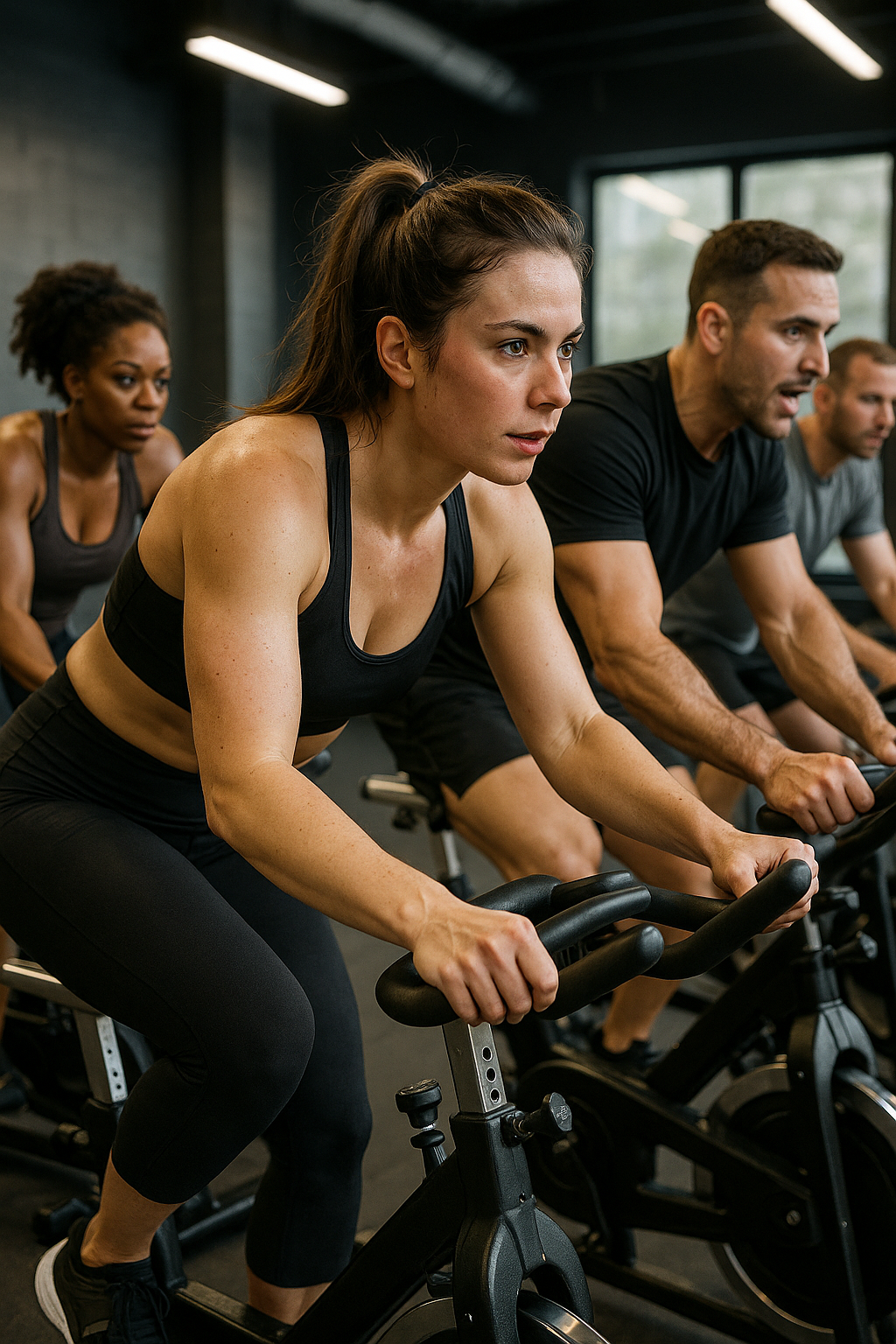
Embarking on a fitness journey can be both exciting and daunting, especially for beginners. The key to success lies in starting with a fitness program tailored to beginners, ensuring a safe and structured approach. Such programs are designed to address common concerns like fear of injury, lack of knowledge, and feeling overwhelmed, which are prevalent among those new to fitness. By choosing a beginner-friendly program, you build confidence, establish a routine, and set the foundation for long-term health benefits.
Understanding the need for beginner-friendly fitness programs
For many newcomers, the idea of diving into a fitness routine can be intimidating. Concerns about doing exercises incorrectly or pushing too hard and risking injury are valid. This is where a well-structured beginner fitness program comes into play. These programs focus on gradual progression, allowing individuals to start slow and increase intensity at a comfortable pace. This approach not only minimizes the risk of injury but also helps in building a sustainable exercise habit.
Moreover, beginner programs are designed to educate participants about proper form and technique, providing a solid foundation of knowledge. This educational component is crucial for long-term success, as it empowers individuals to make informed decisions about their fitness journey. By starting with a beginner program, you can enjoy the benefits of increased confidence, improved physical health, and the establishment of a consistent exercise routine.
The dominant search intent: informational and actionable
When beginners search for fitness programs, they are often looking for clear, actionable guidance rather than broad fitness advice. The dominant search intent is informational, with users seeking straightforward and practical steps to start their fitness journey. This is why structured, step-by-step programs are highly favored—they reduce overwhelm and provide a clear path forward.
These programs typically offer a roadmap that includes specific exercises, schedules, and progression plans. By following a structured program, beginners can focus on executing each step without the stress of figuring out what to do next. This clarity not only enhances motivation but also ensures that individuals are on the right track to achieving their fitness goals.
In conclusion, a fitness program for beginners is essential for those looking to start their fitness journey safely and effectively. By addressing common concerns and providing clear, actionable guidance, these programs lay the groundwork for a lifetime of health and wellness. Whether you're new to exercise or returning after a break, a beginner-friendly program can set you up for success in your fitness endeavors.
Key components of a beginner fitness program
Starting a fitness journey requires a well-structured plan, especially for beginners who might feel overwhelmed by the plethora of options available. A beginner fitness program should ideally include a structured guidance system that offers a clear plan, such as a week-by-week workout routine or a 30-day challenge. This approach not only helps in maintaining consistency but also ensures that beginners start slow and gradually increase intensity, which is crucial to avoid burnout and injury.
A balanced mix of workouts is another critical component of a successful beginner fitness program. This involves combining both cardio and strength training exercises to provide a holistic approach to fitness. According to the Mayo Clinic, it's recommended to aim for at least 150 minutes of moderate aerobic activity per week, complemented by strength training exercises for all major muscle groups at least twice a week. This balanced approach not only improves cardiovascular health but also enhances muscle strength and endurance, setting a solid foundation for future fitness goals.

Women's Posture Shirt™ - Black
Improves posture, supports muscles, and can relieve pain. Ideal for all-day or workout use.

Men's Posture Shirt™ - White
Supports muscle activation, posture, and may reduce neck and back pain. Medical device registered.
Exploring different formats: home, gym, and apps
When it comes to choosing the right fitness program, beginners have several options, each with its own set of advantages. Home workouts are a popular choice due to their convenience and privacy. They require no equipment and can be easily integrated into daily routines. Suitable exercises for home workouts include bodyweight routines, yoga, and pilates, all of which are effective in building strength and flexibility without the need for a gym membership.
On the other hand, gym workouts offer access to a wide range of equipment and professional guidance, which can be particularly beneficial for those who prefer a structured environment. Gyms provide a motivational atmosphere and often offer guided classes that can help beginners learn proper techniques. Sample exercises for gym workouts include treadmill walking, light weightlifting, and participation in classes like Zumba or spinning, which are designed to cater to all fitness levels.
For those who prefer a digital approach, apps and online programs present a convenient and flexible option. There are numerous beginner-friendly apps available that offer guided, progressive programs tailored to individual needs. These apps often feature personalized onboarding and low-impact modifications, making them suitable for absolute beginners. They provide the flexibility to work out anytime, anywhere, and often include features like progress tracking and community support to keep users motivated.
In conclusion, a beginner fitness program should be carefully tailored to meet individual needs and preferences. Whether you choose to work out at home, in a gym, or through an app, the key is to find a program that offers structured guidance, a balanced mix of workouts, and the flexibility to fit into your lifestyle. By starting with a beginner-friendly approach, you can build a strong foundation that will support your fitness journey and help you achieve your health goals in the long run.
Safety first: avoiding common pitfalls
Embarking on a fitness journey as a beginner is an exciting step toward better health, but it's crucial to prioritize safety to sustain long-term progress. One of the most common pitfalls is overtraining, which can lead to injuries and burnout. It's important to listen to your body and recognize signs of fatigue. If you experience persistent pain or discomfort, it may be necessary to adjust your workouts or take rest days to recover adequately.
Managing pain effectively is another key aspect of a successful fitness program. Beginners should focus on proper form and technique to prevent strain. Incorporating warm-ups and cool-downs into each session can help prepare the body for exercise and reduce the risk of injury. Stretching and mobility exercises are also beneficial for maintaining flexibility and preventing stiffness.
What to expect in week 1
The first week of a fitness program is about setting a foundation and establishing a routine. It's important to start with manageable goals and gradually build intensity. A simple routine for the first week might include a mix of light cardio, such as brisk walking or cycling, and basic strength exercises like bodyweight squats and push-ups.
Tracking your progress is essential for staying motivated. Consider keeping a journal or using a fitness app to log workouts, track improvements, and celebrate milestones. Remember, the goal is to create a sustainable habit, so focus on consistency rather than perfection.
Frequently asked questions
What is the best way to start a fitness program as a beginner?
Starting with a structured plan is crucial. Focus on learning proper form and gradually increasing the intensity of your workouts. This approach helps prevent injury and builds a strong foundation for future progress.
How often should a beginner work out each week?
It's recommended that beginners engage in varied exercises 3-5 days a week, incorporating both cardio and strength training. This balance supports overall fitness and helps prevent burnout.
What are some common mistakes beginners make?
Common mistakes include overtraining, neglecting warm-ups and cool-downs, and setting unrealistic goals. It's important to listen to your body and adjust your routine as needed.
How can I stay motivated as a beginner?
Staying motivated involves setting small, achievable goals and tracking your progress. Celebrate milestones and consider joining a community or finding a workout buddy for support.
Are there any specific apps recommended for beginners?
Look for apps that offer guided, beginner-friendly programs with clear instructions and progress tracking features. Options like MyFitnessPal, Nike Training Club, and FitOn are popular among beginners for their user-friendly interfaces and comprehensive resources.
Källor
- Planet Fitness. (n.d.). "Beginner Workout Plan: Your First Week in the Gym."
- Mayo Clinic Staff. (n.d.). "Fitness Basics."
- Healthline. (n.d.). "How to Start Exercising: A Beginner's Guide to Working Out."
- 10 Fitness. (n.d.). "Start Workout Plans for Beginners Today."
- Muscle & Fitness. (n.d.). "The Complete M&F Beginner’s Training Guide & Plan."