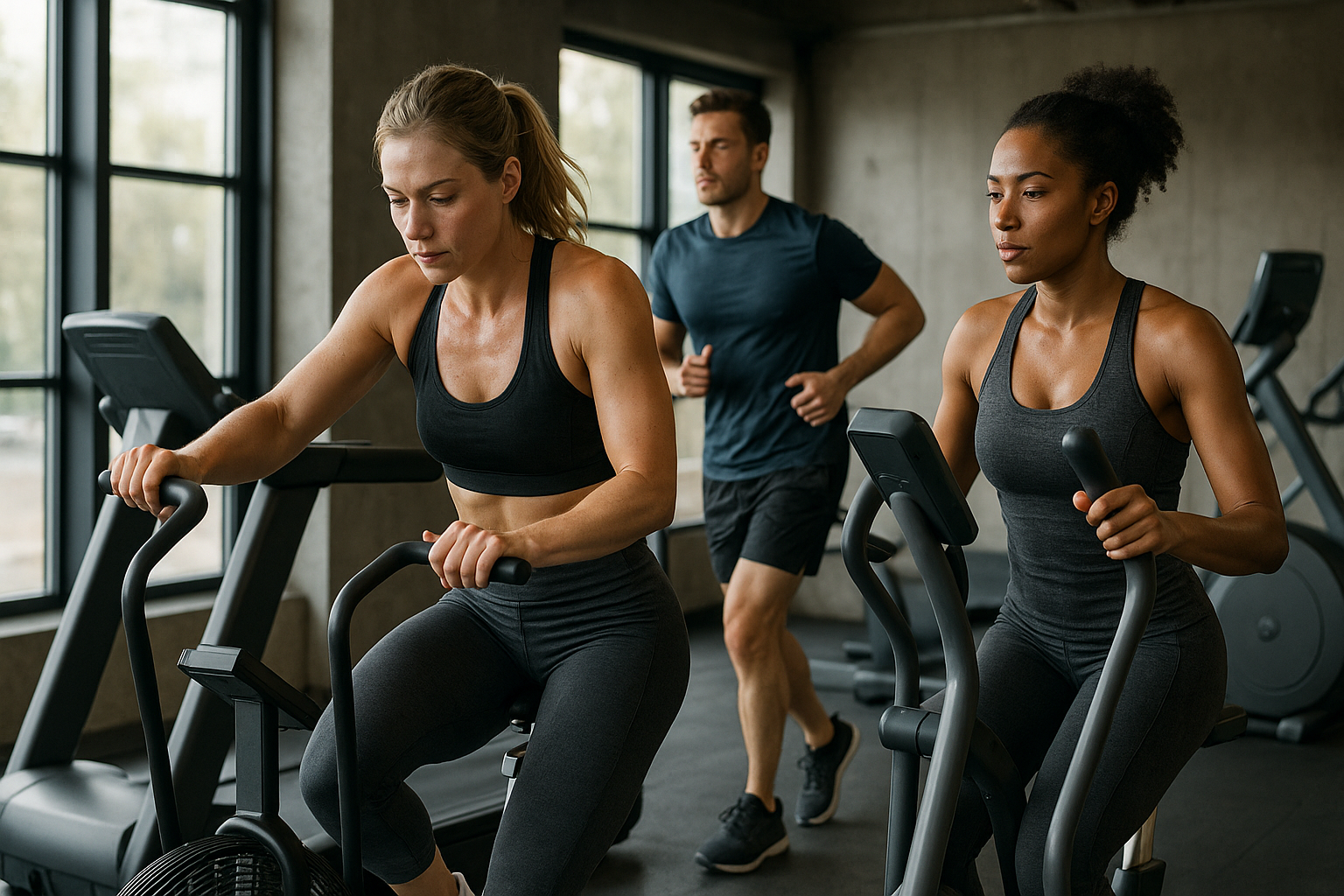
In the world of running, every piece of gear plays a crucial role in optimizing performance and ensuring comfort. Among these, compression socks have emerged as a popular choice, particularly among women runners. These specialized socks are designed to enhance blood circulation, reduce muscle fatigue, and support quicker recovery, making them an invaluable addition to any runner's wardrobe.
Understanding the role of compression socks in running
Compression socks are not just a fashion statement; they are a scientifically-backed tool that many athletes swear by. These socks apply gentle pressure to your legs, promoting better blood flow and oxygen delivery to your muscles. This can be particularly beneficial during long runs or intense training sessions, where maintaining optimal circulation is key to performance.
The popularity of compression socks among women runners has soared in recent years. This rise can be attributed to the growing awareness of their benefits, such as improved circulation, which helps in reducing muscle soreness and fatigue. Additionally, they aid in faster recovery post-run, allowing runners to hit the track again sooner and with less discomfort.
The importance of choosing the right pair
While the benefits of compression socks are evident, selecting the right pair tailored specifically for women is crucial. Not all compression socks are created equal, and finding the perfect fit involves considering several key factors. The compression level, measured in mmHg, determines how much pressure the socks will exert on your legs. For most runners, a moderate range of 20–30 mmHg is recommended, as it strikes a balance between support and comfort.
Fit is another critical aspect. Women's legs come in all shapes and sizes, and ensuring a snug yet comfortable fit is essential for the socks to perform their function effectively. Materials also play a role; moisture-wicking fabrics and seamless designs can prevent blisters and enhance overall comfort during runs.
This blog post will guide you through the nuances of choosing the perfect compression socks for women runners, covering everything from understanding compression levels to ensuring a proper fit. With the right information, you'll be equipped to make an informed decision that supports your running goals and enhances your overall experience on the track.
How compression socks work and their benefits
Compression socks operate on the principle of graduated compression, which means they are tighter at the ankle and gradually become looser as they move up the leg. This design helps to promote venous blood flow back to the heart, enhancing circulation and oxygen delivery to the muscles. By improving blood flow, compression socks can effectively reduce muscle vibration during physical activity, which is known to contribute to muscle fatigue and soreness.
The benefits of wearing compression socks extend beyond just improved circulation. They are particularly effective in reducing swelling and the uncomfortable heavy-leg feeling that can occur during long runs or after intense workouts. Additionally, these socks provide crucial support during post-run recovery, aiding in the removal of lactic acid from the muscles and reducing the time needed for recovery. Dr. Emily Johnson, a sports physiologist, notes that "compression socks can significantly aid in reducing delayed onset muscle soreness, allowing athletes to train more consistently."
Choosing the right compression level: understanding mmHg
When selecting compression socks, understanding the significance of mmHg (millimeters of mercury) is essential. This measurement indicates the level of compression the socks provide. For running, a compression level of 20–30 mmHg is often recommended. This range offers sufficient support to enhance circulation without compromising comfort.
Here's a quick comparison of different compression levels:
| Compression Level (mmHg) | Recommended Use |
|---|---|
| 8-15 mmHg | Light support for daily wear and mild swelling |
| 15-20 mmHg | Moderate support for travel and minor swelling |
| 20-30 mmHg | Ideal for running, sports, and recovery |
| 30-40 mmHg | Medical-grade support for severe swelling and varicose veins |
Choosing the right compression level is crucial for maximizing the benefits of the socks. It's important to consider your specific needs and consult with a healthcare professional if you have any medical conditions that may require a higher level of compression.
Fit and comfort: key considerations for women runners
For women runners, finding compression socks that fit well is essential for comfort and effectiveness. The shape of a woman's leg, including calf circumference, plays a significant role in determining the right fit. Ensuring that the socks are neither too tight nor too loose will prevent discomfort and potential circulation issues.

Women's Posture Shirt™ - Black
Activates your muscles and improves posture—ideal for work, exercise, and relief from tension.
Material choice is another critical factor. Look for socks made from moisture-wicking fabrics that keep your feet dry during runs. Additionally, seamless toes can prevent blisters and enhance comfort. To measure your calf circumference for an optimal fit, use a flexible tape measure to wrap around the widest part of your calf. This measurement will help you select the correct size based on the manufacturer's sizing chart.
In summary, choosing the right compression socks involves understanding the benefits of graduated compression, selecting the appropriate mmHg level, and ensuring a proper fit. By considering these factors, women runners can enjoy enhanced performance, reduced fatigue, and quicker recovery, making compression socks a valuable addition to their running gear.
When and how to wear compression socks
Compression socks can be a versatile addition to your running attire, offering benefits in various scenarios. Many runners opt to wear them during runs to support circulation and minimize muscle vibration, which can help reduce fatigue over long distances. Additionally, compression socks are effective for post-run recovery. Wearing them after a run can aid in lactic acid removal and decrease muscle soreness, allowing for quicker recovery times.
Beyond running, compression socks are beneficial in other activities. They can be worn during long flights or car rides to prevent swelling and improve circulation. For those who spend extended periods standing at work, compression socks can provide relief from the discomfort of tired legs. Incorporating compression socks into your routine can be as simple as wearing them during your runs and continuing to wear them for a few hours post-exercise to maximize recovery benefits.

Lumbar support belt
Provides strong, adjustable lumbar support—ideal for relieving lower back pain and tension.
Performance vs. recovery: setting realistic expectations
While compression socks are often marketed as performance enhancers, it's crucial to set realistic expectations. The primary benefits of these socks are rooted in recovery rather than performance during the run. While some runners report feeling more supported and less fatigued during their runs, scientific evidence on compression socks significantly boosting in-run performance remains mixed.
The most credible advantages lie in their recovery support. Compression socks can help reduce muscle soreness and swelling, facilitating a quicker return to training. By focusing on these recovery benefits, runners can make informed decisions about incorporating compression socks into their gear, understanding that while they may not dramatically enhance performance, they can significantly aid in post-run recovery.
Frequently Asked Questions
Do compression socks really help with running?
Yes, compression socks provide several benefits for runners, particularly in terms of recovery. They enhance blood circulation, reduce muscle vibration, and support quicker recovery times by aiding in lactic acid removal and reducing muscle soreness.
What is the best compression level for women runners?
The recommended compression level for most women runners is 20–30 mmHg. This range offers a balance of support and comfort, making it ideal for running and post-run recovery.
How do I know if my compression socks fit properly?
Proper fit is crucial for effectiveness and comfort. To ensure a good fit, measure your calf circumference at its widest point and refer to the manufacturer's sizing chart. The socks should feel snug but not overly tight, and they should not cause any discomfort or restrict circulation.
Can compression socks prevent injuries?
While compression socks are not specifically designed to prevent injuries, they can contribute to reduced muscle fatigue and improved circulation, which may lower the risk of certain injuries related to muscle strain and overuse.
Who should avoid wearing compression socks?
Individuals with certain medical conditions, such as peripheral artery disease or severe arterial insufficiency, should consult with a healthcare professional before using compression socks. It's important to seek medical advice if you have any concerns about wearing compression socks.
Källor
- CEP Running. (n.d.). Women's Compression Socks Collection.
- Runners World. (n.d.). Best Compression Socks.
- Best Exercise Gear. (n.d.). Best Compression Socks for Women Running.
- T3. (n.d.). Best Compression Socks for Running.
- Bergfreunde. (n.d.). Compression Socks for Women - Recommended Use: Running.
- Women's Running. (n.d.). 5 Ways Compression Could Help Your Running.