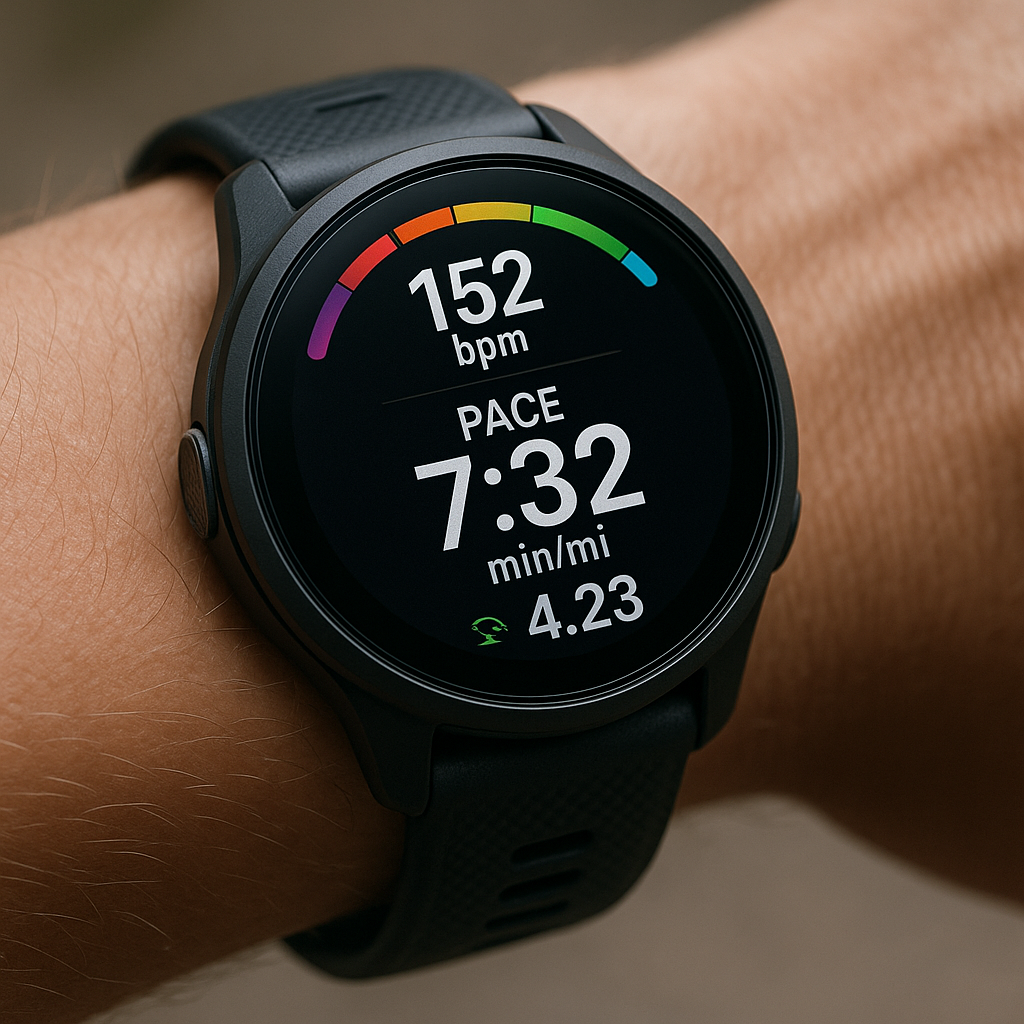
A tempo run is one of the simplest ways to get faster without turning every workout into a sufferfest. It sits in that sweet spot between an easy jog and full-on intervals: you’re working hard, but you’re still in control. Many runners describe it as comfortably hard—steady enough to find a rhythm, challenging enough that you can’t daydream your way through it.
If you’re training for a 5K, 10K, half marathon, or marathon, this kind of session can be a game-changer. Done consistently, tempo work helps you hold a stronger pace for longer, stay composed when fatigue shows up, and finish races with more in the tank. It’s also a practical confidence builder: you learn what “sustainable fast” feels like, so race pace stops feeling like a mystery.
What makes tempo running especially valuable is that it trains both body and brain. Physically, you’re teaching your system to tolerate and manage the byproducts of harder running so you can keep moving efficiently. Mentally, you practise staying relaxed under pressure—maintaining posture, cadence, and focus when your legs start negotiating.

Women's Posture Shirt™ - Black
Supports posture and relieves pain—ideal for sporty and daily use.
Why tempo runs belong in your training
Tempo runs are popular for a reason: they deliver a high return on effort. Compared with very hard interval sessions, they’re often easier to recover from, yet they still push key performance qualities like speed endurance and pacing discipline. They also fit neatly into busy schedules because you don’t need a track, fancy equipment, or perfect conditions—just a measured effort and a willingness to stay honest.
There’s also a form benefit that doesn’t get talked about enough. Because tempo pace is sustained, small inefficiencies add up quickly. That makes these runs a great opportunity to practise running tall, keeping your stride compact, and landing smoothly—habits that can reduce unnecessary strain over longer distances.

Men's Posture Shirt™ - Black
Posture Shirt™ supports posture, relieves tension—suitable for training and everyday.
What you’ll learn in this guide
In the rest of this post, you’ll learn exactly what a tempo run is, how to find the right intensity using tools like RPE and heart rate, and how to structure workouts that match your experience level. You’ll also get practical options for both continuous tempo efforts and interval-style tempos, plus guidance on common mistakes that can turn a productive session into an overly hard one.
Whether you’re new to structured training or chasing a personal best, tempo runs can help you run smarter—and race stronger.
What a tempo run is and why it works
A tempo run is a sustained effort that sits just below your redline. The goal is to run at a pace that feels comfortably hard: you’re working, breathing is deeper, and talking is limited to short phrases, but you’re not sprinting or hanging on for dear life. For many runners, that intensity lands around 75–90% of maximum heart rate or roughly RPE 6–8 out of 10.
The reason this effort is so effective is that it targets your lactate threshold. As you run faster, your body produces more lactate and hydrogen ions. When the intensity is too high, those byproducts accumulate faster than you can clear them, and your pace falls apart. Tempo running trains your body to shuttle and reuse lactate more efficiently, improving the point at which fatigue starts to snowball. Over time, you can hold a stronger pace while staying aerobic, which is exactly what most race distances demand.
Key benefits for race performance
Higher lactate threshold and better running economy. A well-paced tempo run teaches your system to sustain speed with less disruption. You’re improving aerobic capacity, encouraging muscular and mitochondrial adaptations, and refining how efficiently you use fuel at faster paces. The practical payoff is simple: the pace that once felt “hard” starts to feel manageable.
More reliable late-race pacing. Many runners don’t lose time early in a race; they lose it in the final third when form and focus fade. Tempo work rehearses that exact scenario in training. You practise staying smooth as discomfort rises, which helps you avoid the common pattern of starting too fast and fading.
Mental toughness without constant burnout. Because the effort is controlled rather than maximal, you can build resilience and confidence without needing days to recover. You learn to settle into discomfort, regulate your breathing, and keep your mechanics tidy when your legs would rather bargain for a slowdown.
How to structure a tempo run
Most tempo sessions follow a simple three-part format. Keeping the structure consistent makes it easier to pace correctly and track progress.
Warm-up
Start with 10–15 minutes of easy running to raise your core temperature and loosen your stride. Then add 3–5 short strides (about 15–20 seconds each) with easy jogging between them. Strides aren’t sprints; they’re a smooth build-up that prepares your nervous system to run efficiently at a quicker rhythm.
Main set
Continuous option (great for building rhythm): Run 20–40 minutes at tempo effort. Intermediate runners often thrive in this range because it’s long enough to create a strong training stimulus without turning into a race simulation.
Interval-style option (great for control): Try 3 x 10 minutes at tempo effort with 1–2 minutes of easy jogging between reps. The short recoveries help you keep the effort honest and reduce the chance of drifting too fast early.
If you’re training for longer events, you can also use “cruise” tempos like 4–6 x 5 minutes at tempo effort with 60–90 seconds easy. This format is joint-friendly and often easier to execute on rolling routes.
Cool-down
Finish with 5–10 minutes of easy jogging or walking. This helps your heart rate come down gradually and can reduce post-run stiffness. If you have time, add a few minutes of gentle mobility for calves, hips, and ankles.
Finding the right tempo pace
The most common mistake with tempo running is turning it into a time trial. Use one of these pacing methods to stay in the right zone:
- RPE: Aim for 6–8/10. You should feel in control, but you wouldn’t want to hold that effort for an hour.
- Heart rate: Many runners land around 80–90% of max heart rate once the warm-up is complete. Use heart rate as a guardrail, not a strict rule, since heat, hills, stress, and fatigue can all push it up.
- Race pace equivalents: Tempo effort often aligns roughly with a pace you could race for about 45–60 minutes (commonly near 10K to half-marathon effort depending on the runner). If you’re unsure, start slightly conservative and aim to finish feeling like you could do a little more.
A helpful check: you should be able to maintain good posture and relaxed shoulders. If your stride gets choppy, your breathing becomes frantic, or you can’t keep the pace steady, you’ve likely crossed into interval intensity.
Beginner-friendly tempo run progressions
If you’re new to structured workouts, the biggest goal is learning what tempo effort feels like without turning the session into an all-out race. A tempo run should be repeatable week to week, so start with short, controlled segments and build gradually.
Option 1: Short tempo intervals (best first step). After a warm-up, run 3 minutes at tempo effort, then jog easy for 2 minutes. Repeat 2–3 times. This gives you enough time to settle into the comfortably hard zone while keeping fatigue manageable.
Option 2: A broken tempo (smooth but forgiving). Try 2 x 8–10 minutes at tempo effort with 2 minutes easy between. This format helps you practise steady pacing and relaxed form without the pressure of one long continuous block.
Option 3: A short continuous tempo (when intervals feel easy). Build toward 15–20 minutes continuous at tempo effort. Keep it conservative at first and aim to finish feeling like you could continue for a few more minutes.
Progression rule: increase only one variable at a time—either add one extra repeat, extend each repeat by 1–2 minutes, or shorten recoveries slightly. That keeps the training stimulus climbing without spiking injury risk.
Common tempo run mistakes (and how to fix them)
Tempo runs are simple on paper, but small pacing errors can change the workout’s purpose. These are the most common pitfalls and the adjustments that keep your tempo run effective.
- Starting too fast. This is the classic mistake: the first 5–10 minutes feel great, then the effort turns into a grind and pace fades. Fix it by starting slightly conservative and aiming for a steady or gently faster finish. If you use heart rate, allow it to rise gradually rather than forcing pace early.
- Running too slow “just to be safe.” If you can chat comfortably in full sentences, you’re likely below tempo intensity. Fix it by using RPE (6–8/10) and a breathing check: you should be able to speak in short phrases, not hold a conversation.
- Letting the pace drift on hills. Many runners accidentally turn hills into interval efforts. Fix it by keeping effort steady and letting pace slow slightly uphill, then returning to rhythm on the flat or downhill.
- Skipping recovery days. Tempo work is controlled, but it still adds stress. Fix it by placing your tempo run after an easy day (or rest day) and following it with easy running. Most runners do best with at least 48 hours before the next hard session.
- Ignoring form as fatigue builds. When you tighten your shoulders, overstride, or collapse at the hips, the workout becomes less efficient and more stressful on joints. Fix it with quick cues: run tall, keep your cadence snappy, relax your hands, and aim for quiet footstrikes.
How to know your tempo run is working
Progress doesn’t always show up as a dramatic pace jump. More often, you’ll notice that your tempo run becomes smoother: your breathing stays controlled, your pace is steadier, and you recover faster afterward. A practical sign you’re in the right zone is finishing the main set feeling challenged but not destroyed—like you could do one more repeat or another 5 minutes if you had to.
Keep notes on your route, conditions, and perceived effort. Over time, you’ll build a reliable sense of tempo intensity that travels well across different courses, weather, and race goals.
Frequently Asked Questions
What is the ideal frequency for a tempo run in a training plan?
For most runners, one tempo run per week is enough to improve lactate threshold while still leaving room for easy mileage and recovery. If you also do intervals or long-run workouts, keep the overall intensity balanced and adjust based on how well you recover.
How do tempo runs differ from interval training?
A tempo run focuses on a sustained, controlled effort that you can hold steadily for a longer period. Interval training uses shorter, faster repeats with clearer recovery breaks, typically at a higher intensity. Tempo work builds speed endurance and pacing discipline; intervals sharpen top-end speed and tolerance for very hard efforts.
Can beginners do a tempo run?
Yes. Beginners should start with short tempo intervals (for example, 3 minutes at tempo effort repeated 2–3 times) rather than a long continuous block. As fitness improves, you can gradually extend the tempo segments or reduce recovery time.
What should I focus on during a tempo run?
Prioritise steady effort, relaxed form, and controlled breathing. Aim for a pace you can maintain without fading, keep your shoulders and hands loose, and check in with posture and cadence when discomfort rises. The goal is to finish strong and consistent, not to “win” the workout.
Källor
- New Balance. ”Tempo Runs: A Beginner's Guide.” New Balance Running Advice.
- Nike. ”The Benefits of Tempo Running Workouts.” Nike.
- Healthline. ”What Is a Tempo Run?” Healthline.
- Garage Gym Reviews. ”What Is a Tempo Run?” Garage Gym Reviews.
- Peloton. ”Tempo Run: What It Is and How to Do It.” Peloton Blog.
- Brooks Running. ”What Is a Tempo Run?” Brooks Running Blog.
- Runner’s World. ”What Is a Tempo Run?” Runner’s World.
- OC Marathon. ”Tempo Run for Marathon Training.” OC Marathon.