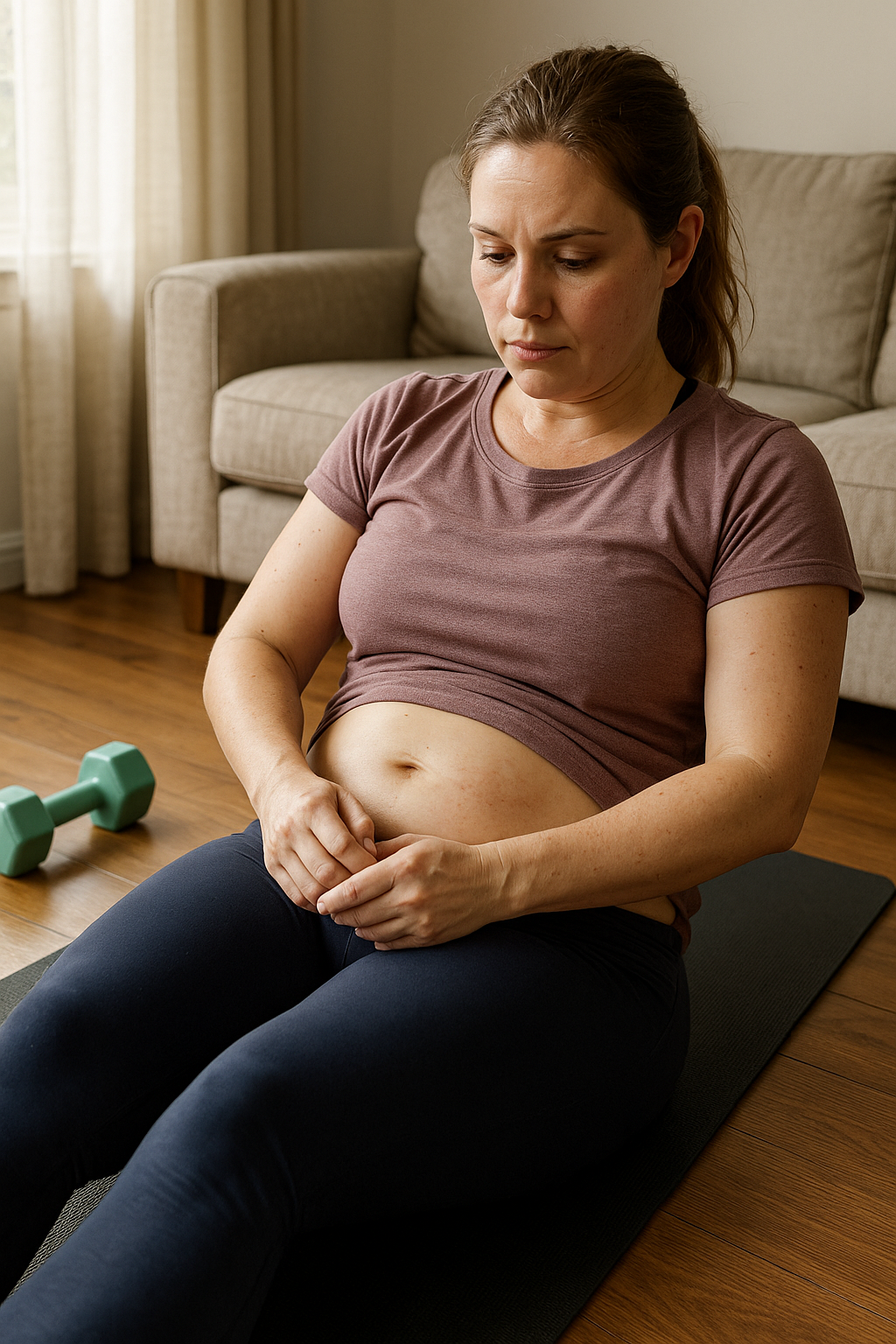
Embracing fitness during pregnancy is not only beneficial for maintaining physical health but also plays a crucial role in enhancing mental well-being. As an expectant mother, you may have several questions about how to safely incorporate exercise into your routine. It's natural to be concerned about the safety and potential risks of exercising while pregnant. However, with the right guidance, fitness can be a rewarding part of your pregnancy journey.
Understanding fitness during pregnancy
Fitness for pregnant women is a topic that often raises questions, primarily centered around safety and the impact on both the mother and the developing baby. It’s important to understand that, for most women, staying active is not only safe but also highly beneficial. Regular exercise during pregnancy can lead to improved mood, better sleep, and a reduction in common pregnancy-related discomforts such as back pain and constipation. Moreover, maintaining an active lifestyle can help manage weight gain and prepare the body for labor and postpartum recovery.

Women's Posture Shirt™ - Black
Activates muscles, relieves pain and improves posture. Suitable for work, exercise, and leisure.
The importance of informed exercise choices
When it comes to exercising during pregnancy, informed choices are key. It's essential to rely on medically credible information from trusted health authorities like the American College of Obstetricians and Gynecologists (ACOG), the National Health Service (NHS), and the Mayo Clinic. These organizations provide evidence-based guidelines that can help you tailor your fitness routine to suit your trimester and individual fitness level.
Adapting your exercise routine as your pregnancy progresses is vital. Each trimester brings unique changes to your body, and your fitness regimen should evolve accordingly. A balanced approach that includes aerobic exercises, strength training, and flexibility workouts is recommended to ensure comprehensive health benefits.
Incorporating fitness into your pregnancy is not just about physical health; it's about empowering yourself with the confidence that comes from knowing you are taking proactive steps to support your well-being and that of your baby. By making informed exercise choices and adapting your routine as needed, you can enjoy a healthier, more comfortable pregnancy.
Is exercise safe during pregnancy?
Exercise during pregnancy is generally safe and highly recommended for most women, as supported by authoritative health organizations like the American College of Obstetricians and Gynecologists (ACOG) and the National Health Service (NHS). These organizations affirm that regular physical activity does not increase the risk of miscarriage, low birth weight, or early delivery. In fact, exercise can reduce the likelihood of complications such as gestational diabetes, preeclampsia, and the need for a caesarean section. Pregnant women are encouraged to engage in at least 150 minutes of moderate-intensity aerobic activity per week, which can be spread out over several days to fit individual schedules and energy levels.
Choosing the right exercises
Selecting the appropriate exercises during pregnancy is crucial to ensure safety and maximize benefits. Activities such as brisk walking, swimming, and water-based exercises are excellent choices due to their low impact and cardiovascular benefits. Stationary cycling and low-impact aerobics are also recommended as they provide a good workout while minimizing stress on the joints. Prenatal yoga and Pilates are particularly beneficial for enhancing flexibility, strength, and relaxation, which can be advantageous during labor.
As pregnancy progresses, it’s important to modify exercises to accommodate the changes in balance, weight, and stamina. For example, as the belly grows, exercises that involve lying flat on the back should be avoided to prevent restricted blood flow. High-risk activities such as contact sports, scuba diving, and exercises with a high risk of falling should be avoided to protect both the mother and the developing baby.
Benefits of staying active
Staying active during pregnancy offers numerous benefits that extend beyond physical health. Regular exercise improves cardiovascular fitness and muscle strength, which can make daily activities easier and reduce the risk of injury. It also enhances mood and sleep quality, helping to alleviate the emotional fluctuations often experienced during pregnancy. Additionally, exercise can reduce common pregnancy-related discomforts such as back pain and constipation.

Lumbar support belt
Relieves tension and provides back support—adjustable for daily use, even during activities or sitting.
Maintaining an active lifestyle supports healthier pregnancy-related weight gain, which is beneficial for both the mother and the baby. It also prepares the body for labor and aids in postpartum recovery, making the transition into motherhood smoother and more comfortable. By embracing fitness during pregnancy, women can move with confidence, knowing they are nurturing both their own health and that of their baby.
Exercises and activities to avoid
While staying active during pregnancy is beneficial, it is equally important to be aware of activities that should be avoided to ensure safety for both the mother and the baby. Certain exercises pose higher risks and are best left out of a prenatal fitness routine. Contact sports, such as soccer or basketball, should be avoided due to the risk of abdominal trauma. Similarly, activities with a high fall risk, like horseback riding, downhill skiing, and gymnastics, are not recommended.
Scuba diving is another activity to avoid, as it can expose the fetus to decompression sickness. Hot yoga and hot Pilates should also be skipped because they can lead to overheating, which is not ideal during pregnancy. Furthermore, exercises that involve lying flat on the back, especially in the second and third trimesters, should be modified or avoided to prevent restricted blood flow to the baby.
Warning signs: when to stop exercising
Exercising during pregnancy should always be a comfortable and safe experience. It's crucial to listen to your body and be aware of warning signs that indicate the need to stop exercising and seek medical advice. These signs include vaginal bleeding, fluid leakage, abdominal pain, and painful contractions. If you experience dizziness, faintness, or severe shortness of breath, it’s important to pause and consult with a healthcare provider.
Chest pain, unusual weakness, or any concerning symptoms should also prompt a cessation of activity and a discussion with your doctor or midwife. Remember, the goal is to maintain a safe and healthy fitness routine, so never hesitate to reach out to your healthcare provider if you have any concerns.
Practical exercise tips and ergonomic support
To make exercise during pregnancy both safe and effective, consider incorporating some practical tips and ergonomic support into your routine. Wearing supportive footwear can help maintain balance and reduce the risk of injury. Additionally, maintaining proper posture during exercises is crucial to avoid strain on the back and joints.
Utilizing ergonomic aids like exercise mats and stability aids can enhance comfort and safety. These tools provide a stable surface for workouts and help prevent slips and falls. When exercising at home or in the gym, ensure that your environment is safe and free from hazards that could lead to accidents.
Hydration is key, so remember to drink plenty of water before, during, and after exercise to prevent dehydration. Lastly, always warm up before starting any workout and cool down afterward to gradually bring your heart rate back to normal.
Frequently asked questions
Is fitness safe during pregnancy?
Generally, yes, fitness is safe during pregnancy with appropriate modifications and medical guidance. Most pregnant women can benefit from regular exercise.
How much exercise should I do?
Aim for at least 150 minutes of moderate-intensity aerobic activity per week, spread across several days.
Can I continue running or strength training?
If you were already active before pregnancy and feel comfortable, you can continue running or strength training. Consult with a healthcare provider to ensure safety.
Which exercises are safe in each trimester?
Exercises should be adapted to accommodate changes in balance, weight, and stamina. Consult with a healthcare provider for trimester-specific recommendations.
What exercises should I avoid?
Avoid contact sports, activities with high fall risks, scuba diving, and exercises that may cause overheating.
Can exercise help with back pain or gestational diabetes?
Exercise may reduce the risk and severity of these conditions, improving overall pregnancy health.
When should I stop exercising?
Stop exercising if you experience any warning signs such as vaginal bleeding, dizziness, or severe shortness of breath, and consult a healthcare provider.
Källor
- Artal, R. (2015). "Exercise During Pregnancy and the Postpartum Period." Journal of Pregnancy.
- American College of Obstetricians and Gynecologists. (2020). "Physical Activity and Exercise During Pregnancy and the Postpartum Period."
- American College of Obstetricians and Gynecologists. "Exercise During Pregnancy: Frequently Asked Questions."
- National Health Service. "Exercise in Pregnancy."
- Mayo Clinic Health System. "Exercise During Pregnancy: What You Can Do for a Healthy Pregnancy."
- Mottola, M. F., & Davenport, M. H. (2020). "Physical Activity and Pregnancy: Time for Action." British Journal of Sports Medicine.
- Mayo Clinic. "Pregnancy Exercises: Keep Fit and Healthy."
- Gaston, A., & Prapavessis, H. (2020). "Maternal-Fetal Activity Patterns and Their Relationships with Fetal Health." BMC Pregnancy and Childbirth.
- Healthline. "Pregnancy Workouts: Safe Exercises for Pregnant Women."
- Tommy's. "Types of Exercise During Pregnancy."
- U.S. National Library of Medicine. "Exercise in Pregnancy."
- Boston Medical Center. "Pelvic Floor Exercises During Pregnancy."
- Kowalska, J., & Nowak, W. (2020). "Exercise and Pregnancy: A Comprehensive Guide." Quality in Sport.