In recent years, cycling has surged in popularity as a go-to exercise for those looking to shed pounds and improve their overall fitness. This dynamic activity not only offers an effective way to burn calories but also provides an enjoyable experience, making it a sustainable choice for many. Whether you're pedaling through scenic trails or commuting to work, cycling presents a dual benefit: it helps you lose weight while also bringing joy and relaxation into the routine.
The science behind cycling and weight loss
The effectiveness of cycling as a weight loss tool is well-supported by scientific evidence. Studies have shown that regular cycling can significantly reduce body weight and fat percentage, making it a powerful ally in the fight against obesity. However, experts often debate whether cycling alone is sufficient or if it should be combined with nutritional strategies for optimal results. While cycling can indeed contribute to weight loss, pairing it with a balanced diet can enhance its benefits, leading to more pronounced changes in body composition.
Beyond weight loss, cycling also impacts various health markers, offering benefits that extend beyond the bathroom scale. Regular cycling has been linked to improved cardiovascular health, better glucose metabolism, and a reduced risk of chronic diseases such as diabetes. This makes cycling not just a weight loss tool, but a comprehensive approach to enhancing overall health and well-being.
As we delve deeper into the advantages of cycling for weight loss, it's essential to consider how this activity fits into a broader lifestyle change. By understanding the science behind cycling and its potential when combined with proper nutrition, individuals can make informed decisions about their fitness journey. In the following sections, we'll explore these aspects in more detail, offering insights and practical tips to help you pedal your way to a slimmer, healthier you.
Exploring the benefits of cycling for weight loss
Cycling is not just a leisurely activity; it's a scientifically-backed method for effective weight management. One of the most compelling pieces of evidence comes from the NutriNet-Santé study, which highlights that individuals who cycle more than 1.5 hours per week tend to have lower body weight, reduced waist circumference, and a lower body fat percentage compared to those who do not cycle. This suggests that cycling can be more effective than walking for improving obesity markers, emphasizing the importance of regular cycling in everyday activities like commuting.
Further supporting this, an 18-month longitudinal study found that leisure-time cycling is inversely related to adiposity, or body fatness, and plays a crucial role in preventing obesity and chronic diseases. This positions cycling not just as a means to lose weight, but as a preventive strategy that can potentially reduce healthcare costs by lowering the risk of chronic conditions.
Moreover, research from Harvard indicates that cycling reduces the risk of cardiovascular diseases and diabetes, and may prevent weight gain or obesity. In a study involving over 150,000 adults, active commuting, such as cycling or walking, was linked to lower BMI and body fat compared to those who relied on driving or public transport. These findings underscore the long-term health benefits of incorporating cycling into daily routines.
Controlled cycling programs and body composition
Structured cycling programs have shown significant improvements in body composition and health markers, particularly in populations at risk for metabolic issues. For instance, a 12-week cycling program for overweight women with insulin resistance led to notable improvements in body composition, lipid profiles, and glucose homeostasis, even without specific dietary restrictions. This highlights cycling's potential to benefit individuals with metabolic disorders who may struggle with high-impact exercises.
When comparing different exercise modalities, high-intensity interval training (HIIT) cycling has been found to be as effective as running in reducing body weight and visceral fat, although running may slightly outperform cycling in abdominal fat loss. Nonetheless, cycling remains a valuable exercise due to its low-impact nature, making it accessible and sustainable for a broader audience.
Practical tips for effective cycling
To maximize weight loss benefits from cycling, designing a well-rounded routine is crucial. Experts recommend cycling sessions 3-5 times a week, combining moderate rides with HIIT sessions to enhance calorie burn and fat loss. For instance, a 155-pound person can burn approximately 298 calories in 30 minutes of moderate cycling at 12-13.9 mph, while a 185-pound person can burn around 355 calories in the same duration.
Nutrition also plays a pivotal role in cycling for weight loss. Maintaining a calorie deficit is essential, which can be achieved by balancing cycling with a healthy diet. Prioritizing protein intake and timing carbohydrate consumption around workouts can further enhance the body's ability to burn fat while preserving muscle mass.
By integrating these strategies, cycling can become a powerful tool in your weight loss journey, offering not only physical benefits but also contributing to a healthier lifestyle overall.
Ergonomics and comfort for sustained cycling
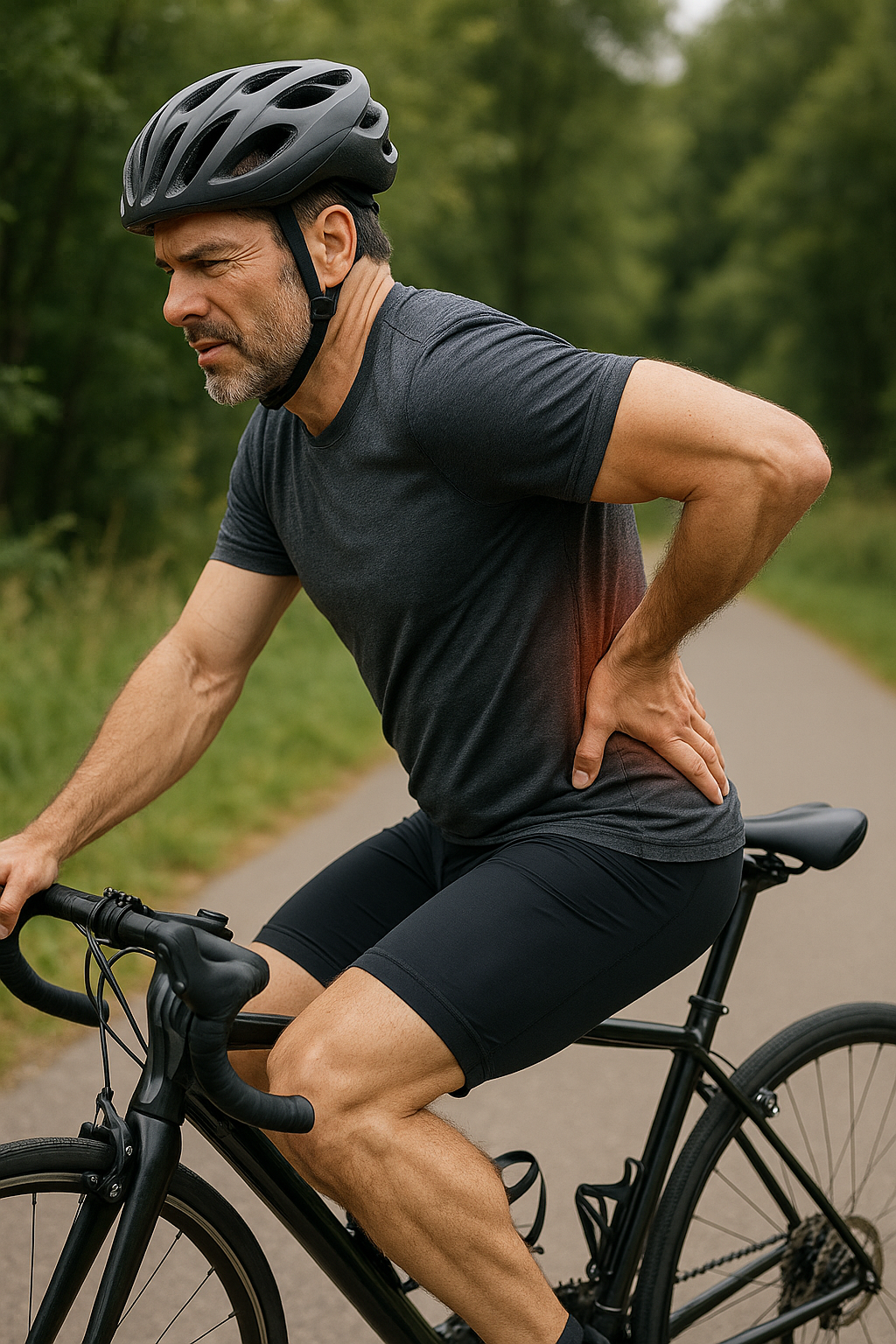
One of the key factors in maintaining a regular cycling routine is comfort. Many cyclists, especially beginners, face challenges such as saddle discomfort and posture-related issues, which can deter them from cycling consistently. Addressing these concerns is crucial for sustaining long-term engagement with cycling as a weight loss tool.

Men's Posture Shirt™ - White
Powerful, stretchy shirt that helps improve posture, relieve pain, and boost awareness during all activities.
To enhance comfort, it's essential to invest in a well-fitted bicycle and ergonomic accessories. Adjusting the saddle height and angle can minimize discomfort and reduce the risk of injuries. Additionally, wearing padded cycling shorts and gloves can alleviate pressure points, while ensuring proper posture helps in preventing neck and back pain. By prioritizing comfort, cyclists can enjoy longer rides and increase their calorie expenditure, making cycling a more effective and enjoyable weight loss activity.

Women's Posture Shirt™ Zipper - Black
Patented posture shirt with zipper, relieves pain and tension and supports neck, shoulders and back.
Cycling as a lifestyle: commuting and everyday activity
Incorporating cycling into daily routines, such as commuting to work, offers significant weight loss and health benefits. Research indicates that cycling to work can be as effective as structured gym workouts in reducing fat mass. This habit-based approach not only supports weight management but also contributes to overall fitness and well-being.
Promoting a cycling culture in workplaces can yield public health benefits and potential cost savings. Employers can encourage active commuting by providing bike parking, shower facilities, and supportive policies. By integrating cycling into everyday life, individuals can achieve sustainable weight loss and experience the broader advantages of an active lifestyle.
Special considerations for different demographics
Cycling offers unique benefits for various demographics, particularly older adults and individuals with metabolic issues. For older adults, cycling is a low-impact exercise that is gentle on the joints, making it an ideal choice for maintaining fitness without the risk of injury. Additionally, cycling can improve balance and coordination, which are crucial for preventing falls.
For individuals with metabolic issues, such as insulin resistance, cycling can enhance insulin sensitivity and improve lipid profiles. This makes it a valuable exercise option for those who may find high-impact activities challenging. By tailoring cycling advice to meet the specific needs of different groups, more people can benefit from this versatile exercise.
Frequently Asked Questions
Does cycling help you lose weight?
Yes, cycling is an effective way to lose weight. It helps reduce body weight and fat percentage, especially when combined with a balanced diet. Studies have shown that regular cycling can significantly improve body composition and health markers.
How much should I cycle to see results?
For effective weight loss, it is recommended to cycle 3-5 times a week. A mix of moderate rides and high-intensity interval training (HIIT) sessions can enhance calorie burn and fat loss. Consistency is key to seeing results.
Is cycling better than other exercises for weight loss?
Cycling is a low-impact exercise that is sustainable and accessible for many people. While running may slightly outperform cycling in abdominal fat loss, cycling is easier on the joints and can be maintained over the long term, making it a great option for weight loss.
Do I need to change my diet while cycling for weight loss?
Yes, maintaining a calorie deficit is essential for weight loss. A balanced diet, with a focus on protein intake and smart carbohydrate timing, can enhance the weight loss benefits of cycling. Combining cycling with healthy eating habits leads to optimal results.
What are common mistakes to avoid when cycling for weight loss?
Avoid overcompensating by eating more calories than you burn. Ensure proper bike fit and posture to prevent injuries. Neglecting strength training and failing to maintain a balanced diet can also hinder weight loss progress. Focus on a holistic approach for best results.
Kilder
- Women's Health Magazine. (2019). "Cycling for Weight Loss."
- Andersen, L. B., et al. (2010). "Cycling as a Health and Transport Mode." Public Health Reviews.
- TrainerRoad. (2021). "How to Lose Weight Through Cycling."
- Better Health Channel. "Cycling - Health Benefits."
- Harvard T.H. Chan School of Public Health. "Bicycling for Health and Fitness."
- TrainRight. "Cycling for Weight Loss: Pros, Cons, and How to Lose Weight Cycling."
- BetterBike. "How Much You Need to Ride to Actually Lose Weight."
- Matthews, C. E., et al. (2007). "Physical Activity and Weight Management." Journal of Physical Activity and Health.
- Sundhedsstyrelsen. "Overvægt og Fysisk Træning som Behandling."
- Cykelexperten. "Cykeltræning og Kalorieforbrænding."