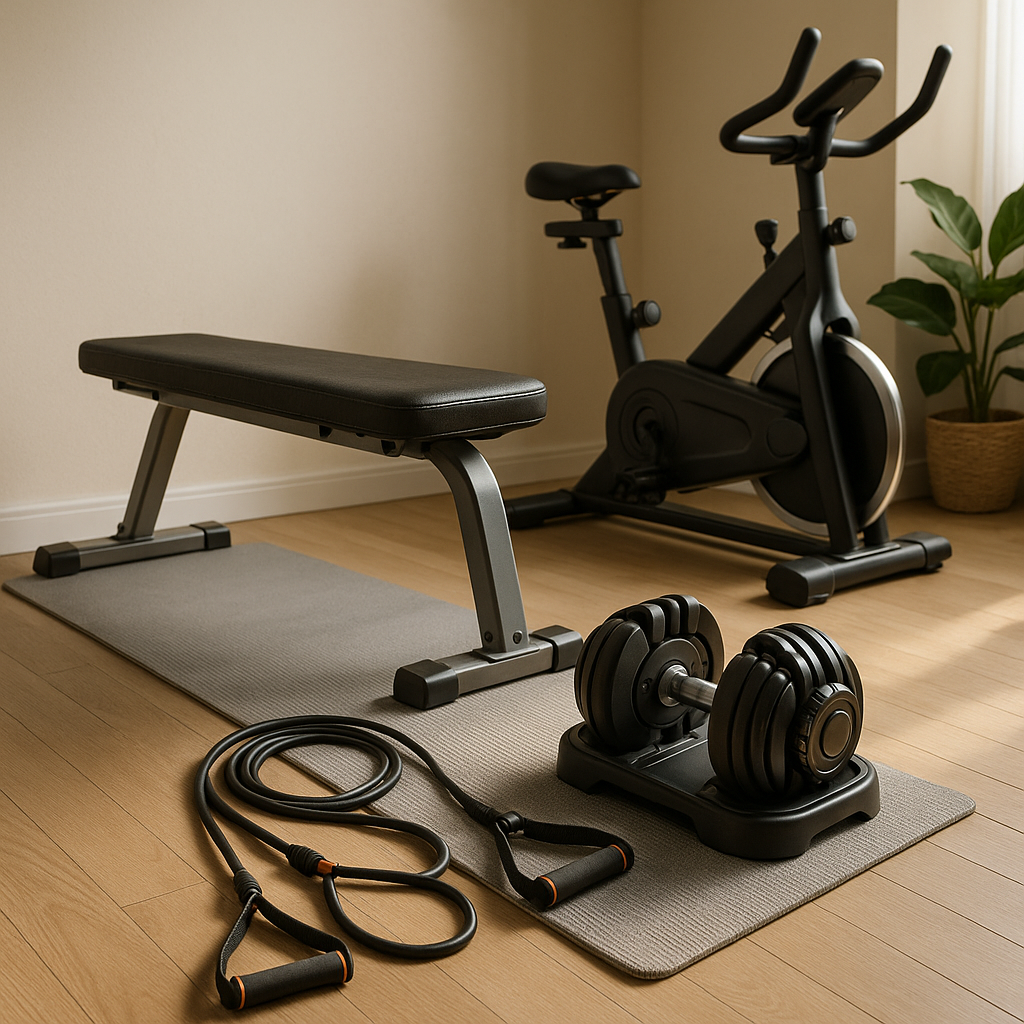
Embarking on a cycling training program can be a game-changer for anyone looking to enhance their performance on two wheels. Whether you're a casual rider or a seasoned cyclist, a structured training plan is crucial for achieving peak performance. By following a well-designed cycling training program, you can significantly improve your endurance, strength, and overall cycling efficiency, making each ride more rewarding and enjoyable.
Understanding the cycling training program
A cycling training program is more than just a series of rides; it's a strategic approach to building your fitness over time. The importance of such a program lies in its ability to provide a structured framework that guides your training efforts. This structure is essential for maximizing gains while minimizing risks, such as overtraining and injury. A well-rounded program helps you balance various aspects of fitness, including cardiovascular endurance, muscular strength, and technical skills.
One of the primary benefits of a structured training program is its ability to systematically enhance your cycling capabilities. With regular and varied training sessions, you can boost your stamina and power, allowing you to tackle longer rides and more challenging terrains with ease. Additionally, a structured approach helps in maintaining motivation by setting clear goals and tracking progress over time.
However, cyclists often face common challenges when it comes to training. Balancing the demands of a training schedule with daily life, preventing injuries, and staying motivated can be daunting tasks. A comprehensive training program addresses these challenges by incorporating flexibility and adaptability, ensuring that you can tailor your training to fit your lifestyle and personal goals.
The role of periodization in cycling training
Periodization is a key component of an effective cycling training program. It involves dividing the training cycle into distinct phases, each with a specific focus and purpose. Typically, these phases include the Base, Build, Peak, and Taper stages. The Base phase lays the foundation by building aerobic endurance, while the Build phase introduces more intensity to increase strength and speed. The Peak phase is where you fine-tune your performance, and the Taper phase allows for recovery and consolidation of gains before a major event or goal.
By structuring your training in this way, periodization helps in systematically improving performance while minimizing the risk of overtraining and injuries. It ensures that you are not only physically prepared but also mentally ready to tackle your cycling goals. With a clear plan in place, you can confidently pedal your way to peak performance, knowing that each ride is a step toward achieving your personal best.
designing your cycling training program
Creating an effective cycling training program begins with setting clear goals and key performance indicators (KPIs). Specific, measurable objectives are vital as they provide direction and a means to track progress. A useful tool for this is the SWOT analysis, which helps cyclists evaluate their strengths, weaknesses, opportunities, and threats. By understanding these factors, you can tailor your training plan to leverage strengths and address weaknesses, ultimately enhancing your performance.
Once your goals are established, breaking down your training into microcycles is crucial. These are short, focused training blocks that emphasize process goals rather than outcomes. For instance, a microcycle could concentrate on endurance, intensity, or recovery, allowing you to systematically build different aspects of your fitness. Examples include endurance weeks, where long, steady rides dominate; intensity weeks, featuring high-effort intervals; and recovery weeks, which focus on rest and low-intensity activities to aid in recovery.
weekly structure and training zones
A well-structured weekly schedule is essential to balance intensity and recovery, maximizing the benefits of each session. An example schedule could look like this:
- Monday: Rest day.
- Tuesday: Threshold intervals (e.g., 3x10 min Zone 4).
- Wednesday: Recovery ride (Zone 1).
- Thursday: Sweet spot intervals (2x20 min at 88-93% threshold).
- Friday: Rest day.
- Saturday: Long Zone 2 endurance ride (3 hours).
- Sunday: Group ride (2 hours).
Understanding training zones is crucial for effective cycling training. Zones 1-2 focus on building endurance, while higher zones target intensity and power. Determining your threshold power or heart rate is essential for training in the correct zones. A common method is a 20-minute all-out effort test, where the average power or heart rate is multiplied by 0.95 to estimate the threshold.
monitoring and adjusting your plan
Regular monitoring and adjustments are vital to ensure your training program remains effective. Analyzing each session's metrics, such as duration, average power, heart rate, and cadence, provides valuable insights into your progress. However, it's equally important to balance objective data with subjective feedback, like perceived exertion and physical sensations. This holistic approach helps identify areas that require adjustment, ensuring that your training remains aligned with your goals.
Conducting structured tests every 4-6 weeks is recommended to evaluate progress and make necessary adjustments. These tests help determine if your current training is effective or if modifications are needed to continue progressing. By staying attentive to both data and personal feedback, you can fine-tune your cycling training program, making it a dynamic and responsive tool for achieving peak performance.
Integrating ergonomics and strength training
Incorporating strength and mobility sessions into your cycling training program is essential for enhancing overall performance and preventing injuries. These sessions should focus on core stability, postural muscles, and hip mobility, which are crucial for maintaining proper cycling posture and reducing the risk of strain. A typical weekly schedule might include two to three strength and mobility sessions, allowing you to build resilience and support your cycling efforts.

Men's Posture Shirt™ - Black
Promotes better posture and may relieve neck, shoulder, and back pain.

Women's Posture Shirt™ - Black
Improves posture, supports muscles and relieves tension or pain.
Ergonomics also play a vital role in your cycling training program. Ensuring your bike is properly fitted to your body can significantly reduce discomfort and prevent injuries. Key aspects of bike fit include saddle height, handlebar reach, and pedal alignment. Additionally, maintaining an ergonomic home office setup can help alleviate strain between rides, promoting recovery and overall well-being.
Programs for specific profiles
To cater to the diverse needs of cyclists, tailored cycling training programs can be developed for specific profiles. For beginners, a simple, low-complexity plan that gradually builds endurance and confidence is ideal. For riders prone to back pain, focusing on ergonomics and core strength can help manage discomfort. Desk workers with limited time may benefit from plans emphasizing posture and efficient use of weekly hours. Lastly, a masters-focused program (for those aged 40 and above) should integrate strength and recovery elements to support longevity in cycling.
Frequently Asked Questions
How many days a week should I cycle?
The optimal number of cycling days per week depends on your goals and experience level. Generally, cycling 3-5 days a week, with rest and recovery days included, is recommended to maintain balance and prevent overtraining.
Can I strength train while following a cycling program?
Yes, integrating strength training into your cycling program is beneficial for overall performance and injury prevention. It can be included in your weekly schedule, focusing on exercises that enhance core stability and support cycling posture.
How do I avoid neck and back pain when cycling?
To prevent neck and back pain, ensure your bike is properly fitted to your body. Incorporate regular strength and mobility exercises targeting core and postural muscles. Additionally, use ergonomic aids, such as posture shirts or supports, to maintain proper alignment during rides.
Källor
- Bicycling. (2023). ”Best Cycling Training Plans.” Bicycling.
- Red Bull. (n.d.). ”Beginner's Cycling Plan: Training Guide.” Red Bull.
- Global Cycling Network. (2023). ”How to Build a Cycling Training Plan.” YouTube.
- Pedallers. (n.d.). ”Best Cycling Training Plans.” Pedallers.
- Best Buddies Challenge. (n.d.). ”12-Week Century Training Plan.” Best Buddies Challenge.
- 1Up USA. (n.d.). ”How to Build a Cycling Training Plan.” 1Up USA.
- Cleveland Clinic. (n.d.). ”Benefits of Cycling.” Cleveland Clinic.
- Alibaba Wellness. (n.d.). ”Cycling Fitness Plan Guide.” Alibaba Wellness.
- Sport Coaching. (n.d.). ”Cycling Training Program Guide.” Sport Coaching.
- Styrkr. (n.d.). ”Cycling Training Plan.” Styrkr.
- Hincapie. (n.d.). ”Cycling Training Plan for Beginners.” Hincapie.
- Healthline. (n.d.). ”Cycling Benefits.” Healthline.
- Tamo by K-Sport. (n.d.). ”Structured Training Programs: Unlock Your Cycling Potential.” Tamo by K-Sport.
- Reddit. (2023). ”I Need Help Picking a Training Plan for Beginners.” Reddit.
- REI. (n.d.). ”Benefits of Cycling.” REI.
- Adidas. (n.d.). ”Nine Benefits of Biking 30 Minutes a Day.” Adidas.