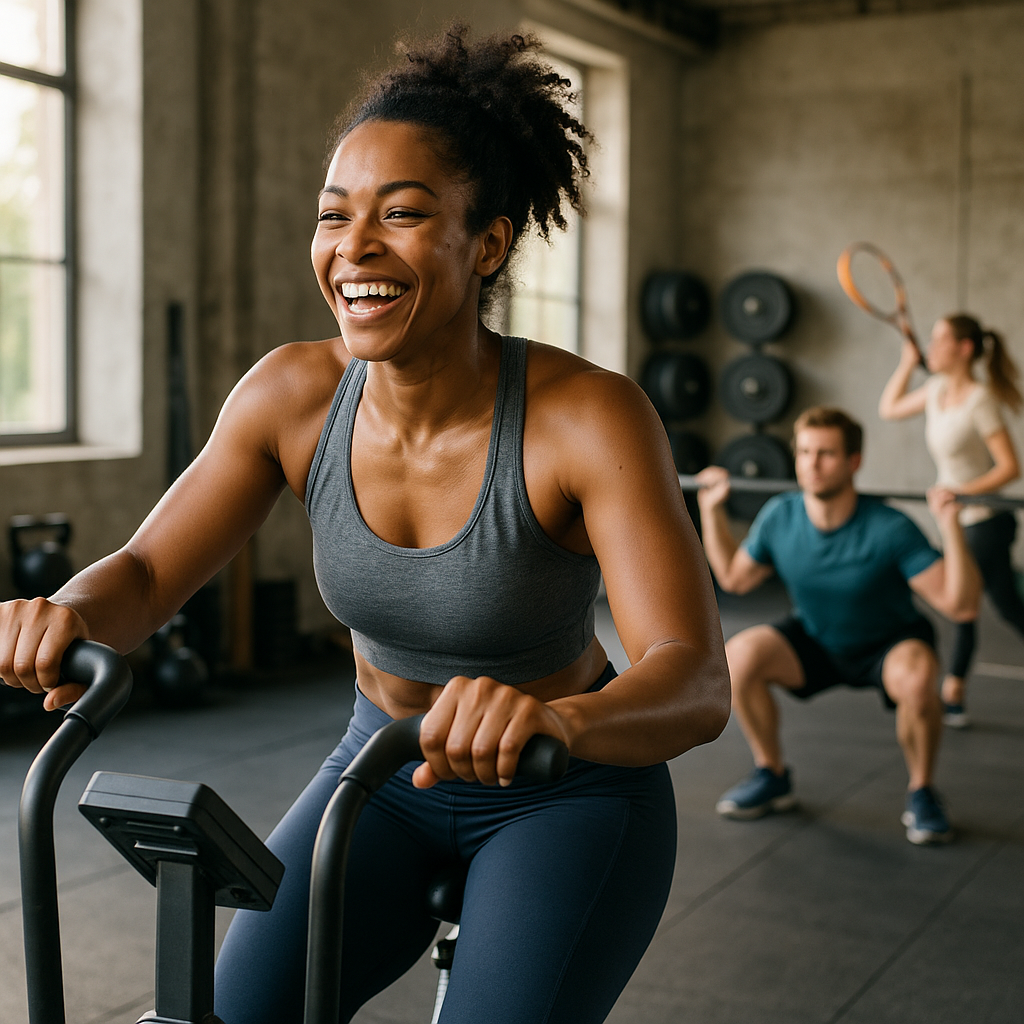
In recent years, the popularity of home training equipment has soared, particularly as more individuals seek the convenience and accessibility of working out at home. This shift was notably accelerated by the global pandemic, which forced many to rethink their fitness routines. Home gyms offer a flexible solution, allowing people to exercise on their own schedule without the need to commute to a gym. As this trend continues to grow, the focus has shifted towards not just any equipment, but ergonomic training equipment that supports better posture and helps prevent injuries.
The importance of ergonomics in home training
Ergonomics, in the context of fitness equipment, refers to the design and arrangement of equipment to fit the user's body and movements, promoting comfort and efficiency. When it comes to home training, ergonomic equipment can make a significant difference in maintaining good posture and reducing the risk of injury. Properly designed equipment supports the body in a natural position, which can enhance workout efficiency and lead to better results. For instance, ergonomic dumbbells and resistance bands can help ensure that exercises are performed correctly, minimizing strain on joints and muscles.
Challenges in setting up a home gym
Setting up a home gym can present several challenges, including limited space, budget constraints, and the overwhelming variety of equipment available. Many people worry about finding space-efficient solutions that won't clutter their living areas. Additionally, selecting the right equipment on a budget can be daunting, as the market is flooded with options ranging from basic to high-end. However, focusing on versatile, space-efficient, and beginner-friendly equipment can help navigate these challenges. Choosing items that serve multiple purposes, such as adjustable dumbbells or compact treadmills, can maximize functionality while supporting long-term health goals.
Choosing the right home training equipment
When it comes to setting up a home gym, selecting the right equipment is crucial, especially if you want to optimize your space and ensure versatility. Space efficiency and versatility are key factors to consider. Equipment like resistance bands and adjustable dumbbells are excellent choices because they offer multiple uses without taking up much room. Resistance bands, for instance, can be used for a variety of exercises targeting different muscle groups, while adjustable dumbbells allow for a wide range of weights, replacing the need for multiple sets of traditional dumbbells.
Space management becomes particularly important for those living in small apartments. Compact designs and foldable options can help maximize available space, allowing you to store equipment easily when not in use. For example, a foldable treadmill or a compact elliptical can provide cardiovascular benefits without dominating your living area. Below is a comparison table of popular equipment, highlighting their dimensions and versatility:
| Equipment | Dimensions | Versatility |
|---|---|---|
| Resistance Bands | Varies by type | High |
| Adjustable Dumbbells | Approx. 16" x 8" x 8" per dumbbell | High |
| Foldable Treadmill | Approx. 60" x 30" x 55" (unfolded) | Moderate |
Ergonomic considerations for different equipment types
Understanding the ergonomic features of various equipment types can significantly enhance your workout experience and prevent posture-related issues. For cardiovascular equipment like treadmills, stationary bikes, and ellipticals, look for features such as adjustable settings and supportive designs that accommodate your body's natural alignment. Proper setup is crucial to avoid common issues like rounded shoulders or lower back strain. Ensure that the handlebars and seats are adjustable and that the equipment encourages a natural posture during use.

Men's Posture Shirt™ - Black
Improves posture, relieves pain, uses patented technology, perfect for daily activity.
When it comes to strength training equipment, ergonomic considerations are equally important. Choose dumbbells with comfortable grips and benches that support your back and joints. Maintaining proper form is essential to avoid joint stress and injuries. Ergonomic benches often have adjustable angles to support various exercises, allowing you to maintain a straight spine and proper alignment during workouts.

Women's Posture Shirt™ - Black
Supports better posture, relieves pain/tension, for everyday and exercise.
The role of technology in ergonomic training
Technology is increasingly playing a role in enhancing the ergonomic aspects of home training equipment. The integration of AI and smart technology in modern fitness equipment offers personalized workout experiences that can be tailored to individual needs. Smart treadmills, for instance, can adjust speed and incline automatically based on your performance, helping you maintain optimal posture throughout your workout.
Additionally, tech-driven workouts can be combined with ergonomic aids for optimal results. For example, wearable technology can provide real-time feedback on your posture and form, allowing you to make adjustments on the fly. This combination of smart technology and ergonomic design ensures that you not only achieve your fitness goals but also do so in a way that supports long-term health and well-being.
In conclusion, selecting the right home training equipment involves considering factors like versatility, space efficiency, and ergonomics. By focusing on these aspects, you can create a home gym that supports your fitness journey while promoting good posture and reducing the risk of injury. Incorporating technology into your workouts can further enhance these benefits, making your home gym a space where you can safely and effectively achieve your fitness goals.
Special considerations for different populations
When choosing ergonomic home training equipment, it's essential to consider the specific needs of different populations, such as older adults and non-athletes. For seniors or individuals with joint issues, selecting safe, low-impact equipment is crucial. Options like resistance bands, yoga mats, and Pilates gear can enhance flexibility and mobility without putting undue stress on the body. These tools are not only gentle on the joints but also help improve balance and coordination, which are vital for maintaining independence and preventing falls.
Office workers and individuals with back pain also benefit from equipment that supports spinal alignment and relieves tension from prolonged sitting. Ergonomic chairs, standing desks, and posture-correcting supports can be integrated into a home gym setup to alleviate discomfort and promote better posture. Additionally, incorporating equipment like foam rollers and stability balls can aid in stretching and strengthening the core, further supporting spinal health.
Integrating ergonomic aids with home equipment
To maximize the benefits of home training equipment, consider integrating ergonomic aids that enhance safety and effectiveness. Posture-correcting apparel and supports can be particularly helpful in maintaining proper alignment during workouts. These aids encourage correct posture, reducing the risk of musculoskeletal issues over time. Additionally, using equipment like balance boards or stability cushions can improve core strength and stability, complementing your fitness routine.
Setting up an ergonomic-friendly home gym involves a few key steps. Start by assessing your available space and selecting versatile equipment that fits comfortably. Ensure that your setup allows for a full range of motion and that equipment is positioned to support natural body alignment. Regularly review and adjust your setup to accommodate any changes in your fitness level or physical condition.
Frequently asked questions
What is the best home training equipment for beginners?
For beginners, essential items include resistance bands, adjustable dumbbells, and exercise mats. These versatile tools allow for a wide range of exercises and can be easily stored in small spaces.
How much space do I need for home gym equipment?
The space required depends on the equipment type. For example, resistance bands and yoga mats require minimal space, while treadmills or rowing machines need more room. Aim to create a setup that allows for comfortable movement and equipment storage.
Can ergonomic equipment really improve posture?
Yes, ergonomically designed equipment supports proper alignment, reducing the risk of musculoskeletal issues. By promoting natural body positioning, ergonomic tools help maintain good posture during workouts.
What are some budget-friendly options for an ergonomic home gym?
Consider cost-effective solutions like resistance bands, stability balls, and foam rollers. These items offer ergonomic benefits without a significant financial investment, making them ideal for budget-conscious individuals.
Källor
- BodySpec. (2026). ”Best Home Workout Equipment 2026.”
- CNET. (2026). ”Best Home Exercise Equipment.”
- Help Zentrum. (2026). ”11 Best Home Fitness Equipment in 2026.”
- Yahoo Shopping. (2026). ”6 Best Home Gym Systems.”
- Siwicki Fitness. (2026). ”The Best At-Home Workout Equipment.”
- WebMD. (2026). ”Home Workout Equipment You Need.”
- Garage Gym Reviews. (2026). ”Home Gym Essentials.”
- Cleveland Clinic. (2026). ”Best Home Gym Equipment.”
- Leaps and Rebounds. (2026). ”Top Exercise Machines for Your Home Gym in 2026.”
- Healthline. (2026). ”Home Gym Equipment.”