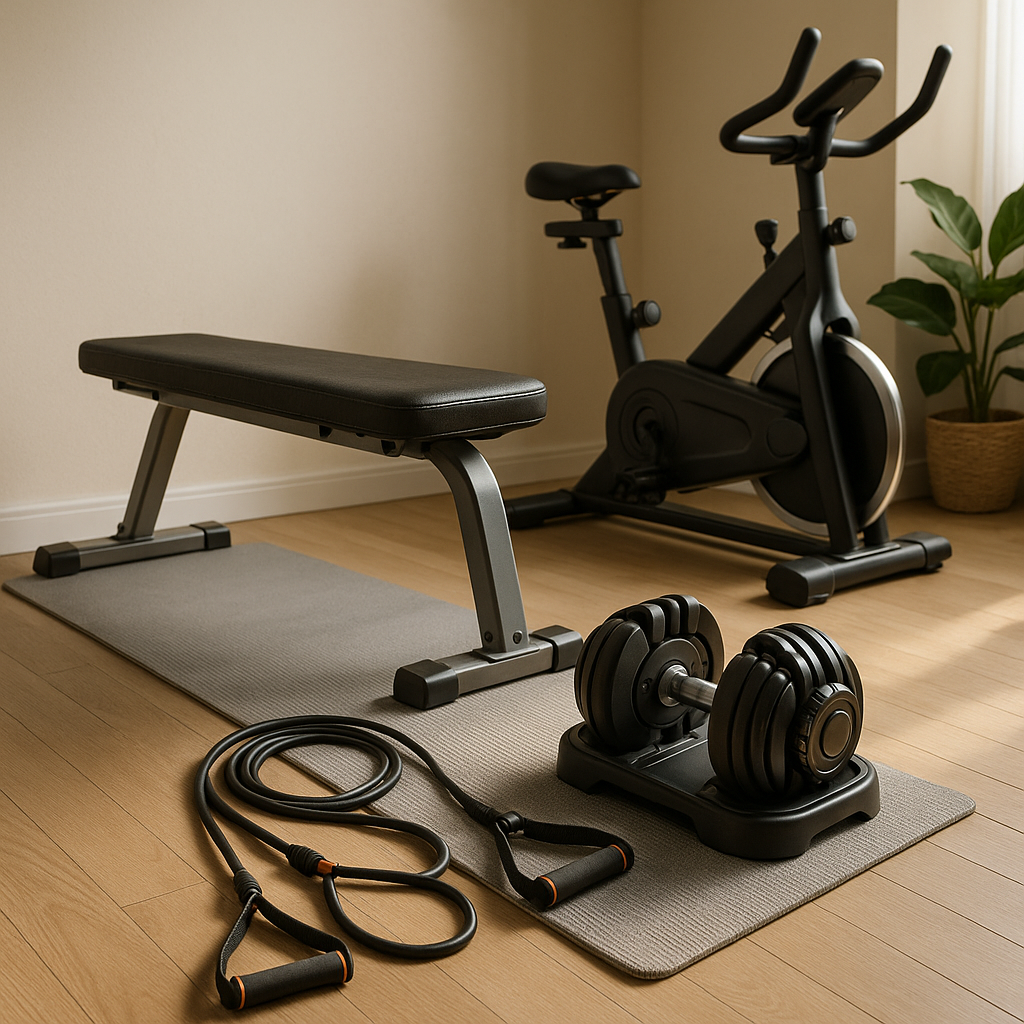
In the pursuit of fitness, many of us are on a quest to find the elusive "perfect workout." However, what constitutes a good workout is often subjective, varying greatly from person to person. With an overwhelming array of options and advice available, it can be challenging to determine what truly makes a workout beneficial. The idea of a good workout is not just about intensity or duration; it's about finding a balance that suits your personal needs and goals.
When you search online for a good workout, you're likely to encounter a multitude of results, each promising the best routine for beginners or offering quick, equipment-free solutions. These beginner-friendly, time-efficient workouts are popular for a reason—they cater to those looking for simplicity and accessibility. Yet, the real secret to a good workout lies in understanding what makes it genuinely effective for your health and well-being.
Understanding what makes a workout good
To truly grasp what qualifies as a good workout, we must ask ourselves several key questions. First, what exercises or routines are considered beneficial? A good workout should ideally improve cardiovascular health, boost muscular strength, and incorporate compound movements that engage multiple muscle groups. It's not just about pushing your limits but doing so in a way that promotes overall health.
Moreover, how can a workout be both effective and enjoyable? The answer lies in finding activities that you look forward to, which can be as simple as dancing, cycling, or even brisk walking. Enjoyment is crucial because it fosters consistency, and consistency is key to any successful fitness journey.
The importance of posture and joint health
Another vital aspect often overlooked is the importance of maintaining good posture and joint health during workouts. Poor form can lead to injuries and long-term health issues, which is why focusing on exercises that support ergonomic health is essential. Incorporating movements that enhance posture and protect the joints can make your workout not only good but great.

Men's Posture Shirt™ - Black
Posture shirt with patented NeuroBand™ technology to activate muscles and reduce pain during exercise or daily activities.
In this post, we aim to demystify what makes a workout truly beneficial, addressing these questions and more. By the end, you'll have a clearer understanding of what to look for in a routine that not only meets your fitness goals but also supports your overall health and well-being. Stay tuned as we delve deeper into defining a good workout, exploring popular workout types, and highlighting the importance of ergonomics.
Defining a good workout
To define what makes a workout truly good, we need to consider several key criteria. Firstly, effectiveness is paramount. A good workout should aim to improve cardiovascular health and enhance muscular strength. This is often achieved through the incorporation of compound movements—those exercises that engage multiple muscle groups simultaneously. Examples include squats, push-ups, and deadlifts, which not only save time but also provide a more comprehensive fitness benefit.
Safety and sustainability are also crucial components. A workout that poses a high risk of injury can quickly derail your fitness journey. Therefore, choosing routines that offer variations for different fitness levels is essential. According to Harvard Health, prioritizing health-first, evidence-based exercises ensures that your workout is both safe and sustainable over the long term. This approach emphasizes the importance of low-impact exercises that reduce the risk of injury while still delivering significant health benefits.
Time efficiency in workouts
In today’s busy world, time efficiency is a major consideration for many when choosing a workout. The optimal duration for a good workout often falls between 20 to 30 minutes. This timeframe is sufficient to achieve a moderate intensity level that can enhance cardiovascular health and promote calorie burning without requiring a significant time commitment. This makes it easier for individuals to incorporate regular exercise into their daily routines, even on the busiest days.
Exploring popular workout types
Full-body workouts are a popular choice for many fitness enthusiasts. These routines typically include exercises like squats, push-ups, lunges, and rows, which target various muscle groups simultaneously. Bodyweight circuits and basic dumbbell routines are excellent for those who prefer minimal equipment, making them ideal for home workouts.
Interval training and high-intensity interval training (HIIT) are also widely favored for their efficiency and effectiveness. A common structure for these workouts is the 40 seconds of work followed by 20 seconds of rest format. This approach not only boosts cardiovascular health but also significantly increases calorie expenditure in a short amount of time.
Incorporating ergonomics into your workout
While focusing on effectiveness and efficiency, it is equally important to incorporate ergonomics into your workout routine. Exercises that improve posture and joint health are crucial for long-term well-being. For instance, movements that enhance thoracic spine mobility and scapular stability can prevent common issues associated with poor posture, particularly for those who spend long hours sitting at a desk.
Examples of ergonomic-friendly exercises include thoracic spine rotations and exercises that promote scapular retraction and depression. These not only support better posture but also reduce the risk of developing musculoskeletal problems over time. By integrating these exercises into your routine, you can ensure that your workout is not only good but also supports your overall health and ergonomics.
In conclusion, a truly good workout is one that balances effectiveness, safety, and enjoyment. It should improve your cardiovascular and muscular health, be sustainable and safe, and fit seamlessly into your lifestyle. By understanding and applying these principles, you can create a workout routine that not only meets your fitness goals but also supports your long-term health and well-being.
Specialized workouts for specific needs
For those who spend long hours at a desk, specialized workouts can be incredibly beneficial. Office workers often experience neck and shoulder tension due to prolonged sitting, which can be alleviated through targeted exercises. Incorporating movements that focus on hip and thoracic spine mobility can also help counteract the negative effects of sitting. Simple stretches and exercises like neck rotations, shoulder shrugs, and hip flexor stretches can make a significant difference in comfort and posture.

Women's Posture Shirt™ - Black
Patented posture shirt that activates muscles, relieves pain, and improves postural awareness for women.
Individuals experiencing pain, especially in the back or neck, can benefit from workouts designed to alleviate discomfort while enhancing mobility. These routines should prioritize safety and gradual progression. Exercises such as cat-cow stretches, seated spinal twists, and gentle yoga poses can improve flexibility and reduce tension without straining sensitive areas.
Enjoyment and adherence in workouts
The key to maintaining a consistent workout routine is finding activities that are enjoyable and engaging. When workouts are fun, they are more likely to become a regular part of your lifestyle. Consider incorporating elements that you love, whether it's music, a beautiful outdoor setting, or a social component like group classes. Experimenting with different types of exercises, such as dance, cycling, or martial arts, can also add variety and keep your routine exciting.
To make workouts more enjoyable, set realistic goals and celebrate small achievements along the way. This positive reinforcement can enhance motivation and commitment, ensuring that exercise remains a rewarding and sustainable habit.
Frequently asked questions
What is a good workout routine?
A good workout routine is one that balances strength, cardiovascular, and flexibility exercises. It should be tailored to your individual fitness level and goals, incorporating a mix of activities that improve overall health while being safe and sustainable.
How long should a good workout be?
The duration of a good workout typically ranges from 20 to 30 minutes, depending on intensity and personal goals. For general health, aim for at least 150 minutes of moderate exercise per week, as recommended by health authorities.
Is 20 minutes a good workout?
Yes, a 20-minute workout can be effective, especially if it involves high-intensity interval training (HIIT) or circuit exercises that target multiple muscle groups. Short, intense workouts can boost cardiovascular fitness and calorie burn efficiently.
What makes a workout good for beginners?
A good workout for beginners should be simple, safe, and focus on building a foundation of strength and endurance. It should include basic exercises with modifications to accommodate different fitness levels, allowing for gradual progression and confidence building.
How can ergonomic aids enhance workouts?
Ergonomic aids, such as posture correctors and supportive equipment, can enhance workouts by promoting proper form and reducing the risk of strain. These tools help maintain alignment and support joint health, making exercises more effective and comfortable.
Kilder
- Cibdol CBD. (n.d.). "Hvad er en rigtig god øvelse."
- DR. (n.d.). "Sådan vælger du den rigtige træning."
- YouTube. (n.d.). "Workout video."
- Videnskab.dk. (n.d.). "Hvordan træner man rigtigt?"
- PT Institute. (n.d.). "Lave træningsprogram: Begynderguide."
- Fitness Guide. (n.d.). "Guide: Maksimal udbytte, minimal træning."
- Men's Health. (n.d.). "Greek God Method After 40."
- Bodylab. (n.d.). "Vejen til en bedre krop."
- Helsenorge. (n.d.). "Råd om fysisk aktivitet."
- Hjerteforeningen. (n.d.). "Generelt om motion."
- ALT.dk. (n.d.). "Træning."
- Muscle House. (n.d.). "Hvad er cardio træning?"
- Noob Gains. (n.d.). "Greek God Physique."
- Fitnessgruppen. (n.d.). "Crossfit."
- Faith and Fitness. (n.d.). "The Theology of Gym Going."
- Apuls. (n.d.). "Hvad er cardio træning?"