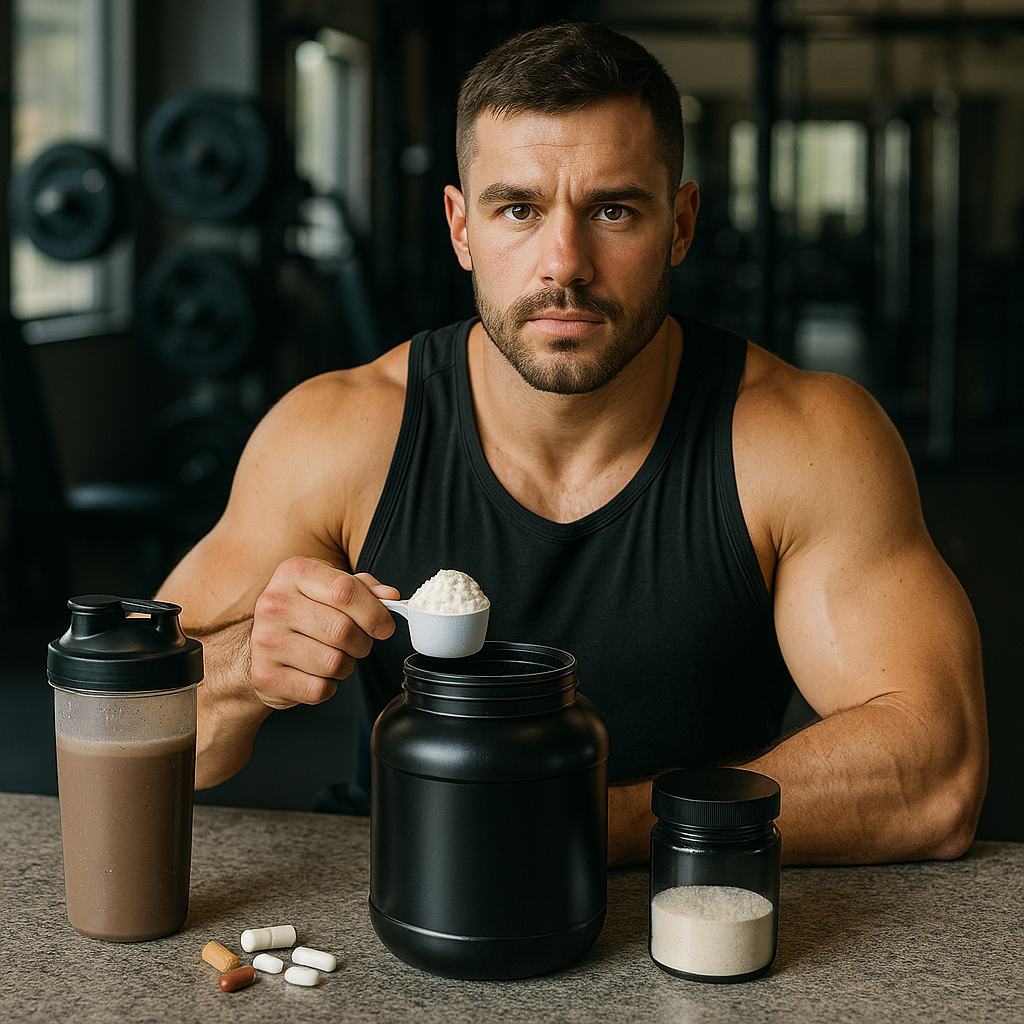
Recovery is a crucial aspect of maintaining overall well-being and performance, whether you're bouncing back from an intense workout or healing from an unexpected injury. The process of recovery, however, is often fraught with challenges that can hinder progress and prolong discomfort. Understanding these challenges and the importance of effective recovery strategies can make a significant difference in how quickly you return to your peak condition.
Understanding recovery challenges
Achieving faster recovery is not without its hurdles. Common challenges include muscle soreness, fatigue, and prolonged healing times for injuries. These issues can stem from various factors such as inadequate rest, poor nutrition, or even improper post-exercise care. Muscle soreness often results from micro-tears in muscle fibers during strenuous activities, leading to discomfort and stiffness. Fatigue can set in when the body is overworked and under-rested, making it difficult to perform daily tasks or continue with regular exercise routines. Prolonged injury recovery can be attributed to insufficient rehabilitation practices and lack of proper care, which can lead to chronic conditions if not addressed timely.
The importance of effective recovery
Incorporating effective recovery strategies into your routine is essential for enhancing performance, reducing downtime, and improving quality of life. By focusing on the core pillars of recovery, such as adequate sleep, proper nutrition, and hydration, you can significantly decrease the time it takes for your body to heal and bounce back. Sleep plays a pivotal role in muscle repair and overall recovery, allowing your body to rejuvenate and prepare for the next challenge. Nutrition, particularly a diet rich in proteins and carbohydrates, provides the necessary building blocks for tissue repair and energy replenishment. Hydration ensures that your body maintains fluid balance, which is vital for cellular functions and recovery processes.
Moreover, incorporating practices like cool-down exercises and stretching can prevent stiffness and enhance flexibility, aiding in a smoother recovery. Balancing activity with rest is crucial to avoid overuse injuries and ensure that your body has enough time to heal properly. By prioritizing these recovery strategies, you not only enhance your physical performance but also contribute to a healthier, more resilient lifestyle.
Core recovery pillars for workout and fitness
For those seeking faster recovery from workouts and fitness routines, understanding the core pillars of recovery is essential. These foundational elements include sleep, nutrition, hydration, cool-down exercises, and rest/load management. Each plays a vital role in ensuring that the body can effectively repair and rebuild after physical exertion.

Men's Posture Shirt™ - Black
Med NeuroBand™ teknologi: Støtter kropsholdning og kan lindre smerter i nakke, skuldre og ryg.
Sleep is arguably the most critical component of recovery. During deep sleep, the body releases growth hormones that aid in muscle repair and regeneration. Ensuring a consistent sleep schedule and creating a restful environment can significantly enhance recovery outcomes.
Nutrition is another cornerstone of effective recovery. A balanced diet rich in protein and carbohydrates post-exercise provides the necessary nutrients for muscle repair and energy replenishment. Consuming a post-workout meal within 30 to 60 minutes can optimize nutrient absorption and support muscle recovery.
Hydration is crucial for maintaining fluid balance and supporting cellular functions. Replenishing lost fluids with water or electrolyte-rich drinks is essential, especially after intense workouts. Proper hydration aids in nutrient transport and waste removal, facilitating faster recovery.
Incorporating cool-down and stretching exercises post-workout can prevent stiffness and enhance flexibility. Gentle stretching and cooling down help reduce muscle tension and promote blood flow, which are vital for recovery.
Finally, rest and load management are key to avoiding overuse injuries. Balancing activity with adequate rest allows muscles to heal and adapt, reducing the risk of injury and enhancing overall performance.
Actionable tips for fitness recovery
Implementing practical steps can further enhance recovery after workouts. Consider creating a checklist that includes selecting proper gear, incorporating cross-training, and planning post-workout meals.
Choosing appropriate gear, such as supportive footwear and breathable clothing, can minimize stress on the body and enhance comfort during workouts. This, in turn, aids in faster recovery by reducing unnecessary strain.
Incorporating cross-training into your routine can prevent overuse injuries by varying movement patterns and reducing repetitive strain on specific muscle groups. This approach supports overall resilience and recovery.
Planning post-workout meals that include a mix of proteins, carbohydrates, and healthy fats is crucial for optimal nutrient intake. This not only aids in immediate recovery but also prepares the body for future physical challenges.
Injury recovery frameworks for faster healing
When it comes to injury recovery, understanding and applying effective frameworks can significantly speed up the healing process. Traditional methods like RICE (Rest, Ice, Compression, Elevation) have been foundational, but modern approaches such as PEACE & LOVE offer a more comprehensive strategy.
The PEACE & LOVE framework emphasizes the importance of protecting the injured area, elevating it to reduce swelling, and avoiding anti-inflammatories in the early stages to allow natural healing. As recovery progresses, gradual loading and optimism are encouraged, alongside pain-free cardiovascular exercises to enhance circulation.
Nutrition plays a pivotal role in injury recovery, with proteins, vitamins, and minerals being essential for tissue repair. A well-balanced diet supports the body's natural healing processes, making recovery faster and more efficient.
Psychological factors, such as maintaining a positive outlook, can also influence recovery speed. Optimism and mental resilience can enhance motivation and adherence to rehabilitation protocols, ultimately leading to quicker recovery.
By integrating these frameworks and strategies, individuals can achieve faster recovery from both workouts and injuries, leading to improved performance and a healthier lifestyle.
Ergonomics and posture in recovery
Incorporating ergonomics into your recovery routine can significantly enhance healing by reducing strain and improving body alignment. Ergonomic aids, such as posture-correcting garments and supportive seating, play a crucial role in minimizing discomfort and promoting a more natural posture during daily activities. These tools help alleviate the stress placed on muscles and joints, which is particularly beneficial for those recovering from workouts and injuries.

Women's Posture Shirt™ - Black
Aktiverer musklerne og forbedrer holdningen – dokumenteret effekt med patenteret teknologi.
Posture-correcting garments can be worn throughout the day to gently remind the body to maintain proper alignment, thereby reducing the risk of developing posture-related pain or exacerbating existing injuries. Similarly, ergonomic supports, such as chairs or cushions, can provide additional comfort and support, especially for individuals who spend prolonged periods sitting or standing.
Integrating ergonomic solutions
Choosing the right ergonomic aids tailored to your specific recovery needs is essential for maximizing their benefits. For instance, individuals recovering from lower back pain may benefit from lumbar support cushions, whereas those with shoulder or neck tension might find posture shirts more effective. Selecting ergonomic products that address your unique challenges can facilitate a smoother recovery process.
Integrating ergonomic interventions into both workout and injury recovery routines not only aids in faster recovery but also enhances overall well-being. By supporting proper alignment and reducing strain, these tools contribute to a more comfortable and efficient healing process, allowing you to return to your daily activities with ease.
Frequently Asked Questions
What is the fastest way to recover from a workout?
The fastest way to recover from a workout involves a combination of hydration, nutrition, and rest. Ensuring adequate fluid intake, consuming a balanced diet rich in protein and carbohydrates, and getting sufficient sleep are key components of effective recovery.
How can I speed up recovery from an injury?
To speed up recovery from an injury, focus on gradual movement, proper nutrition, and maintaining a positive psychological outlook. Implementing controlled exercises, consuming nutrient-rich foods, and staying optimistic can significantly enhance the healing process.
Do ergonomic aids really help in recovery?
Yes, ergonomic aids can be highly beneficial in recovery. They help reduce strain on muscles and joints, support proper alignment, and promote a more natural posture, all of which contribute to faster recovery and reduced discomfort.
How much protein should I consume for recovery?
The amount of protein needed for recovery varies based on activity level and recovery phase. Generally, consuming 1.2 to 2.0 grams of protein per kilogram of body weight is recommended, with higher amounts beneficial during intensive recovery periods.
Is sleep really that important for recovery?
Absolutely, sleep is crucial for recovery. During sleep, the body undergoes various repair processes, including muscle repair and hormone regulation, making it an essential component of effective recovery strategies.
Källor
- "Recovering from Sudden Hearing Loss." WTHSC Blog.
- "Sudden Hearing Loss: Why Every Hour Counts." Hearing Aid Systems Blog.
- "Sudden Hearing Loss Now." Hearing Academy.
- "You Have Suddenly Lost Your Hearing, Now What?" Banner Health Blog.
- "Sudden Hearing Loss: Act Fast." Hearing Academy.
- "PMC Article on Sudden Hearing Loss." PMC.
- "Recovery from Postoperative Hearing Loss." Neurosurgery Practice Online.
- "Aftercare Information on Hearing Loss." MyHealth Alberta.
- "Sudden Hearing Loss Treatment Window." Hearing Academy.
- "Middle Ear Surgery at Home Recovery." UMM Health Library.
- "Undergoing Major Ear Surgery." Bucks Healthcare.
- "Advice Following Ear Surgery." CUH NHS.
- "Doctors Urged to Treat Patients with Sudden Hearing Loss Within Seven Days." UCLH News.
- "PubMed Article on Hearing Loss Recovery." PubMed.
- "Aftercare Information on Ear Conditions." MyHealth Alberta.