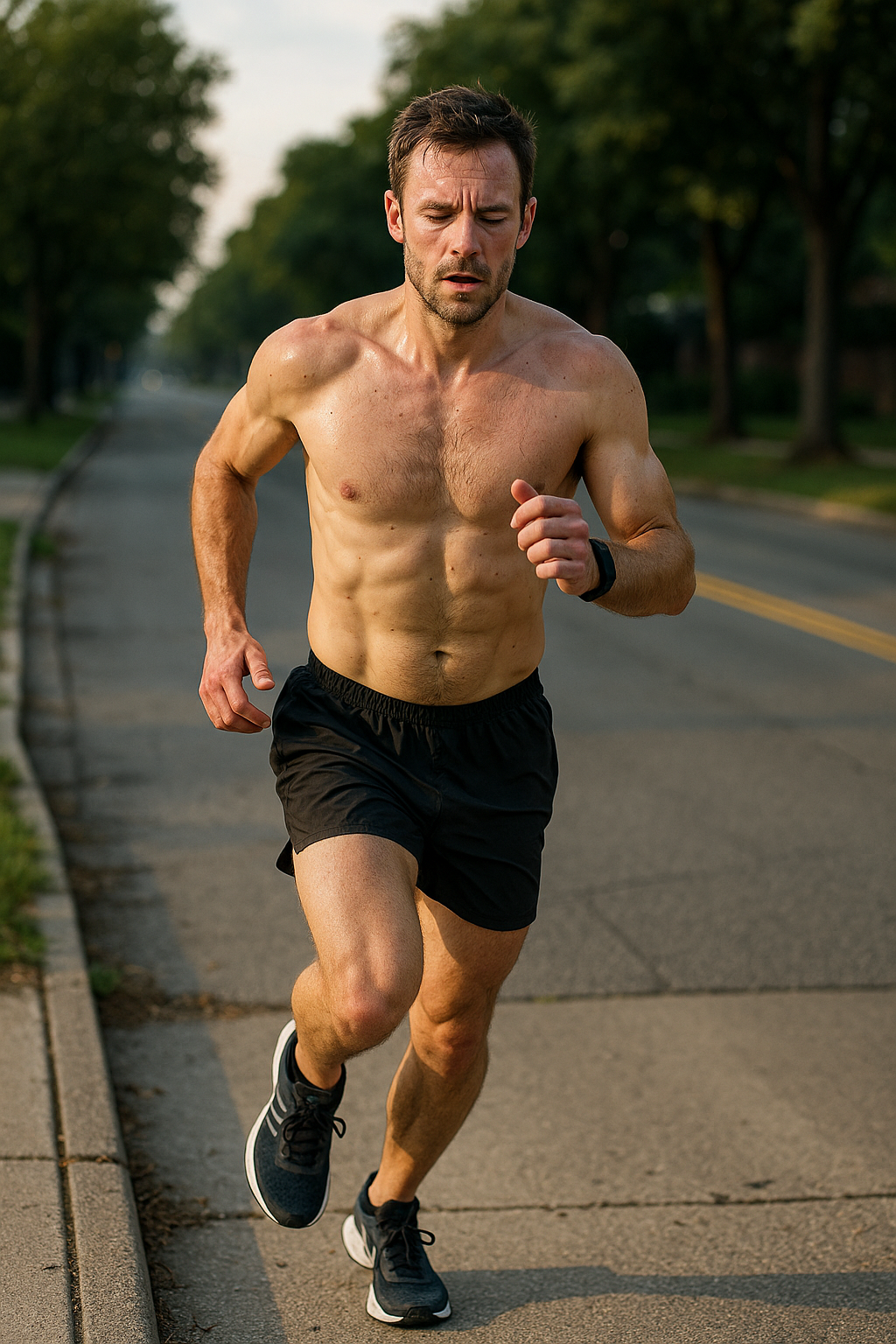
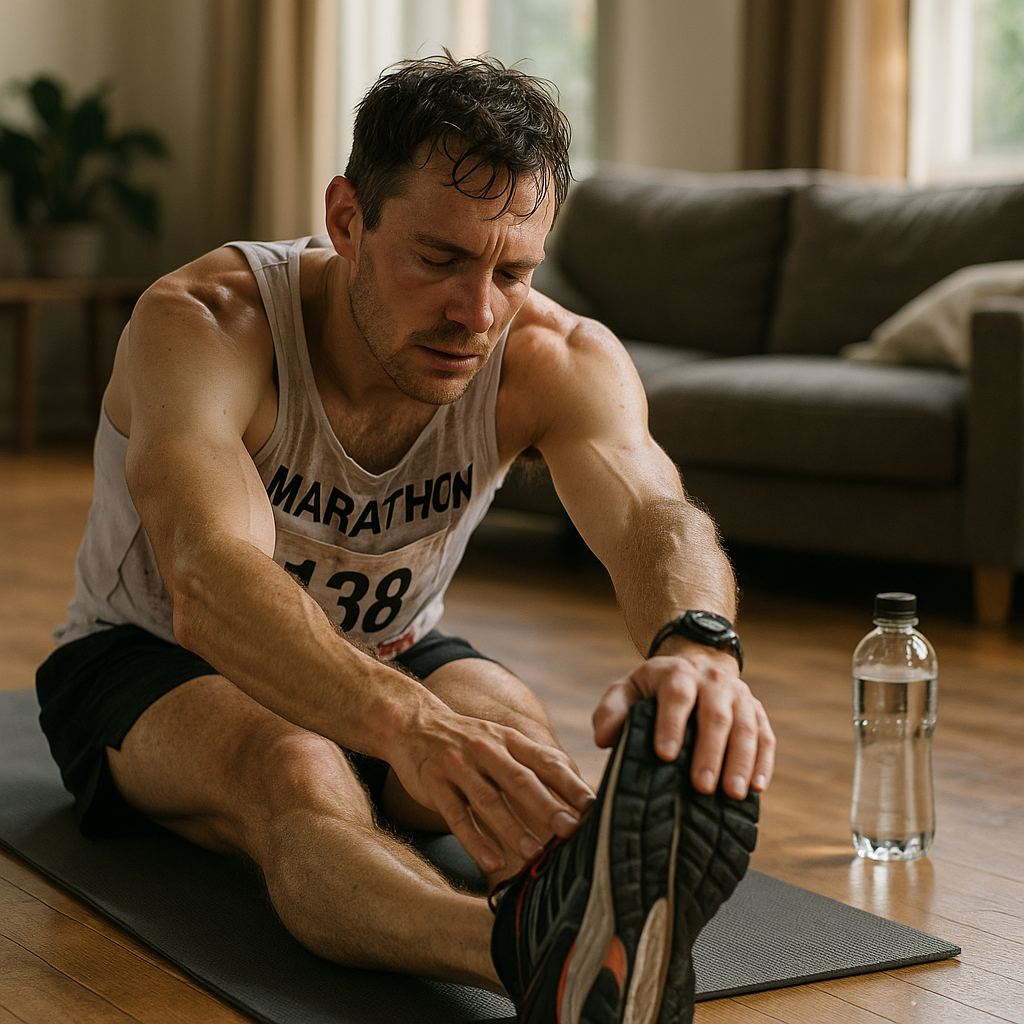
Staying active later in life isn’t about chasing personal records—it’s about keeping everyday life easy. The right exercise for elderly adults can make it simpler to get up from a chair, carry groceries, climb stairs, and move with confidence outdoors. Just as importantly, regular movement supports steadier balance and stronger muscles, which are two of the biggest protective factors against falls and the loss of independence that can follow.
There’s also a “quiet” benefit many people notice first: exercise can lift mood, reduce stress, and help you feel more like yourself. When the body moves, the mind often follows—sleep can improve, energy can feel more stable, and daily aches may become less dominant. In other words, activity isn’t only about adding years to life; it’s about adding life to the years.
Why movement matters more with age
As we get older, it’s common to lose muscle mass and mobility if we don’t actively maintain them. That can show up as weaker legs, stiffer hips and shoulders, or a posture that gradually rounds forward—especially for people who have spent decades sitting at a desk or driving. The good news is that the body responds at any age. Even small, consistent sessions can improve strength, coordination, and confidence in daily tasks.
Think of exercise as practice for real life: standing up, reaching overhead, turning quickly, and walking on uneven ground. When training mirrors these movements, it becomes easier to stay active and independent.
Common concerns (and how to approach them safely)
If you’re hesitant to start, you’re not alone. Many seniors worry that exercise will cause injury, worsen back or joint pain, or feel overwhelming if they’ve been inactive for a while. A safer approach is to start with low-impact movements, use stable support (like a sturdy chair or kitchen counter), and build gradually—consistency beats intensity.
If you have a medical condition, dizziness, recent surgery, osteoporosis, or persistent pain, it’s wise to speak with a doctor or physiotherapist before beginning a new routine. And during exercise, use simple rules: you should be able to breathe and talk, pain should not spike or sharpen, and you should feel more steady—not less—when you finish.
Next, we’ll break down a simple framework you can follow: the four pillars of senior fitness, plus practical ways to get started without overthinking it.
The four pillars of senior fitness
A well-rounded plan doesn’t need to be complicated. Most effective routines for older adults are built on four pillars: aerobic fitness, strength, balance, and flexibility/mobility. Each pillar supports the others—stronger legs make balance work easier, better mobility improves walking mechanics, and light cardio helps you recover faster between strength sessions.
Aerobic exercise for elderly adults: build stamina for daily life
Aerobic activity is anything that raises your heart rate and breathing in a steady, controlled way. It’s the base for everyday endurance—walking through the supermarket, keeping up with grandchildren, or taking stairs without feeling wiped out.
Good options: brisk walking, swimming or water aerobics, dancing, cycling (including a stationary bike), or low-impact group classes.
Why it matters: regular cardio supports heart and lung health, helps manage weight, and often improves mood and sleep. A simple “talk test” can guide intensity: you should be able to talk in short sentences while moving, without gasping.
Strength training: protect muscles, joints, and independence
Strength training is one of the most powerful tools for staying independent because it targets the movements you rely on every day: standing up, carrying items, reaching, and stabilising yourself if you trip. It also helps counter age-related muscle loss, which can otherwise make daily tasks feel heavier over time.
Beginner-friendly exercises: chair sit-to-stand, wall push-ups, supported squats (holding a countertop), step-ups on a low step, glute bridges on the floor or bed, and rowing motions with a resistance band.
How to start: choose 4–6 exercises and do 1–2 sets of 8–12 controlled repetitions. Stop with 2–3 reps “in the tank” rather than pushing to exhaustion. When a movement feels easy and stable, progress by adding a second set, slowing the lowering phase, or using a light band or dumbbells.
Balance exercises: reduce fall risk with small, consistent practice
Balance training is not only for people who already feel unsteady. It’s preventative. Practising balance teaches your body to react faster and coordinate better—especially through the ankles, hips, and core—so you’re less likely to fall when the ground is uneven or you turn quickly.
Simple balance drills: single-leg stance while lightly holding a counter, heel-to-toe (tightrope) walking down a hallway, calf raises, side-stepping, and gentle practices like yoga or tai chi.
Make it safer: start near a stable surface (kitchen counter, sturdy chair, or wall). Keep the challenge appropriate: a light fingertip touch is fine at first. As you improve, reduce hand support or add slow head turns while staying in control.
Flexibility and mobility: keep joints moving comfortably
Flexibility and mobility work helps maintain range of motion in the hips, ankles, shoulders, and spine—areas that commonly stiffen with age and long periods of sitting. The goal isn’t extreme stretching; it’s comfortable movement that supports better posture and easier walking.
Helpful choices: gentle stretching after a walk, yoga-inspired mobility, tai chi, chest-opening stretches, calf stretches, and controlled shoulder circles.
Tip: aim for a mild stretch sensation, not pain. Slow breathing helps the body relax so you can move more freely.
Getting started safely (without overthinking it)
The best routine is the one you’ll actually do. If you’re returning after a long break, start small and build momentum. One effective approach is to keep your usual walk and add just 10 minutes of strength or mobility afterward. Within a few weeks, you can gradually increase time or add a second strength day.
Try this simple weekly structure:
- Cardio: most days, even if it’s 10–20 minutes at first.
- Strength: 2 days per week, focusing on legs, hips, back, chest, and core.
- Balance: 2–3 short sessions per week (5–10 minutes is enough to start).
- Mobility: a few minutes most days, especially for hips, ankles, and shoulders.
Build exercise into routines you already have. Stand on one leg while brushing your teeth (switch sides), do a few sit-to-stands before lunch, or take a short walk after dinner. These “micro-sessions” add up and often feel less intimidating than a formal workout.
Finally, choose activities you enjoy. Dancing counts. Gardening counts. Walking with a friend counts. Consistency is what improves strength, balance, and confidence—so pick options that fit your life and make you want to come back tomorrow.
Ergonomics and posture: the missing link in exercise for elderly adults
Many seniors are willing to exercise, but stop because movements feel uncomfortable in the back, neck, or shoulders. Often, the issue is not the exercise itself—it is the position you do it in. Ergonomics and posture are practical tools that can make exercise for elderly adults feel safer, smoother, and easier to repeat.
Start by thinking about alignment. When you stand up from a chair, do wall push-ups, or practise balance, your body benefits from a “stacked” position: feet grounded, ribs relaxed (not flared), and head balanced over the shoulders rather than pushed forward. If you tend to round your upper back or lift your shoulders, you may fatigue faster and feel more strain.

Women's Posture Shirt™ - Black
Patented shirt activates muscles and improves posture, helping relieve pain and tension daily.
Posture clothing can be a helpful support in this process. It does not replace strength training, but it can provide gentle cues that remind you to open the chest, reduce shoulder rounding, and keep a more neutral spine during everyday activity and exercise. For many people, that extra awareness improves form during sit-to-stand, band rows, and balance drills—especially when tired.
Set up your exercise space for stability and confidence
A safer environment reduces fear of falling and makes it easier to focus on movement quality. Small adjustments can have a big impact:
- Choose the right chair height: for sit-to-stand, a chair that is too low forces you to “collapse” forward. Ideally, your knees should be close to a 90-degree angle with feet flat on the floor.
- Use stable support for balance work: a kitchen counter is often better than a light chair because it does not slide. Keep your hand close enough for a light touch.
- Mind the surface: practise balance on a firm, non-slip floor. Avoid thick rugs until you are confident and steady.
- Keep equipment simple: a resistance band, a step or sturdy stair, and a clear hallway for heel-to-toe walking are enough for most beginners.
If you use ergonomic aids in daily life—such as supportive seating, cushions, or posture-support products—consider using them strategically during exercise as well. The goal is not to “hold” your body in place, but to reduce unnecessary strain so you can train consistently.

Men's Posture Shirt™ - Black
Patented shirt for men that activates muscles, corrects posture, and relieves pain & tension.
Condition-specific guidance: move well even with pain or stiffness
If you have a specific issue, the best plan is usually not to avoid exercise, but to choose the right version of it. Below are common challenges and senior-friendly adjustments.
Back pain
Focus on controlled, supported movements. Try chair sit-to-stand, glute bridges (on a bed if getting to the floor is difficult), and band rows to strengthen hips and upper back. Keep repetitions slow and avoid holding your breath. If bending forward triggers symptoms, use a higher surface (like a countertop) for support and reduce range of motion.
Kyphosis or rounded upper back
Prioritise chest-opening mobility and upper-back strength. Gentle wall angels, band pull-aparts (light tension), and supported thoracic extension over a rolled towel can help. During walking and standing balance drills, think “tall through the crown of the head” without forcing the lower back to arch.
Shoulder stiffness
Start with pain-free range of motion: shoulder circles, wall slides, and light band rows with elbows close to the body. If overhead movement is limited, strengthen below shoulder height first. As comfort improves, gradually increase range rather than pushing through sharp discomfort.
For any condition, use a simple rule: mild muscle effort is expected, but sharp, sudden, or worsening pain is a signal to stop and reassess. When in doubt—especially after surgery, with osteoporosis, or if you feel unsteady—consult a physiotherapist or doctor for personalised guidance.
Frequently Asked Questions
What types of exercises are best for seniors with arthritis?
Low-impact activities are often best tolerated, such as walking, swimming or water aerobics, cycling, and gentle yoga or mobility routines. These options can support circulation and joint range of motion without excessive joint stress. Strength training is also useful when done with controlled technique and comfortable range of motion.
How often should seniors exercise each week?
A practical target is about 150 minutes of moderate aerobic activity per week, plus strength training on two days. Add balance practice two to three times weekly, and include short mobility work most days. If you are new to exercise, start below these targets and build gradually.
Can exercise really prevent falls?
Yes. Regular balance and strength training can reduce fall risk by improving leg strength, reaction time, and coordination. The most effective approach is consistent practice that is challenging but safe—often using a counter or sturdy support at first.
What should I do if I experience pain while exercising?
Stop the activity and assess what you feel. Muscle fatigue or mild soreness can be normal, but sharp pain, joint pain that increases during movement, dizziness, or chest discomfort should not be ignored. If symptoms persist or are severe, consult a healthcare professional to adjust your plan.
How can posture clothing help during exercise?
Posture clothing can provide gentle support and body-awareness cues that encourage better alignment during strength and balance exercises. This can help reduce unnecessary strain, improve comfort, and make it easier to maintain good form—especially when you are tired or tend to round the shoulders.
Kilder
- Centers for Disease Control and Prevention. "Physical Activity Basics for Older Adults."
- Dansk Arbejdsgiverforening. "Fysisk aktivitet er vigtigt – særligt når vi bliver ældre."
- Health Service Executive. "Exercise at Home Overview."
- Sundhedsstyrelsen. "Anbefalinger om fysisk aktivitet og stillesiddende tid for ældre 65+."
- AgingCare. "Exercise Benefits for the Elderly."
- Ældre Sagen. "Vær fysisk aktiv mindst 30 minutter om dagen."
- Suomi Liikkeelle. "For Elderly People."
- Idan. "Fysisk aktivitet for ældre."
- NHS. "Physical Activity Guidelines for Older Adults."
- Sundhedsstyrelsen. "Fysisk aktivitet for ældre."
- Age UK. "Exercises for Older Adults."
- Sundhed.dk. "Ældres sundhed: Fysisk aktivitet."
- PubMed Central. "Physical Activity and Aging."
- Københavns Universitet. "Anbefalinger om fysisk aktivitet."