Fitness education has evolved. Where it once meant learning how to coach exercises, build programs, and measure performance, it now sits at the intersection of professional development, curriculum design, and everyday well-being. For personal trainers, teachers, and workplace health teams, the goal is no longer just to “get people moving” but to help them move well—consistently, safely, and in ways that fit real lives.
That shift matters because the environments where people spend the most time are rarely gyms. They’re classrooms, offices, workshops, and homes. In those settings, movement quality, posture habits, and basic ergonomics can influence comfort, concentration, and long-term musculoskeletal health. Fitness education that ignores these factors risks becoming theoretical: useful on paper, harder to apply when someone’s day is dominated by screens, static positions, or repetitive tasks.
What fitness education really includes today
In modern practice, fitness education is broader than exercise instruction. It includes the ability to translate evidence-based principles into teaching, coaching, and daily routines. That can mean designing a school curriculum that builds movement literacy, or upskilling fitness professionals so they can cue technique, manage load, and adapt sessions to different bodies and contexts.
Just as importantly, it includes the “in-between” moments: how people sit, stand, lift, carry, and recover. These are often overlooked because they don’t look like training—but they shape how training feels and whether it’s sustainable. When fitness education embraces posture and ergonomics, it becomes more relevant to the populations that need it most: students developing habits, teachers and staff managing physical demands, and employees navigating long workdays.

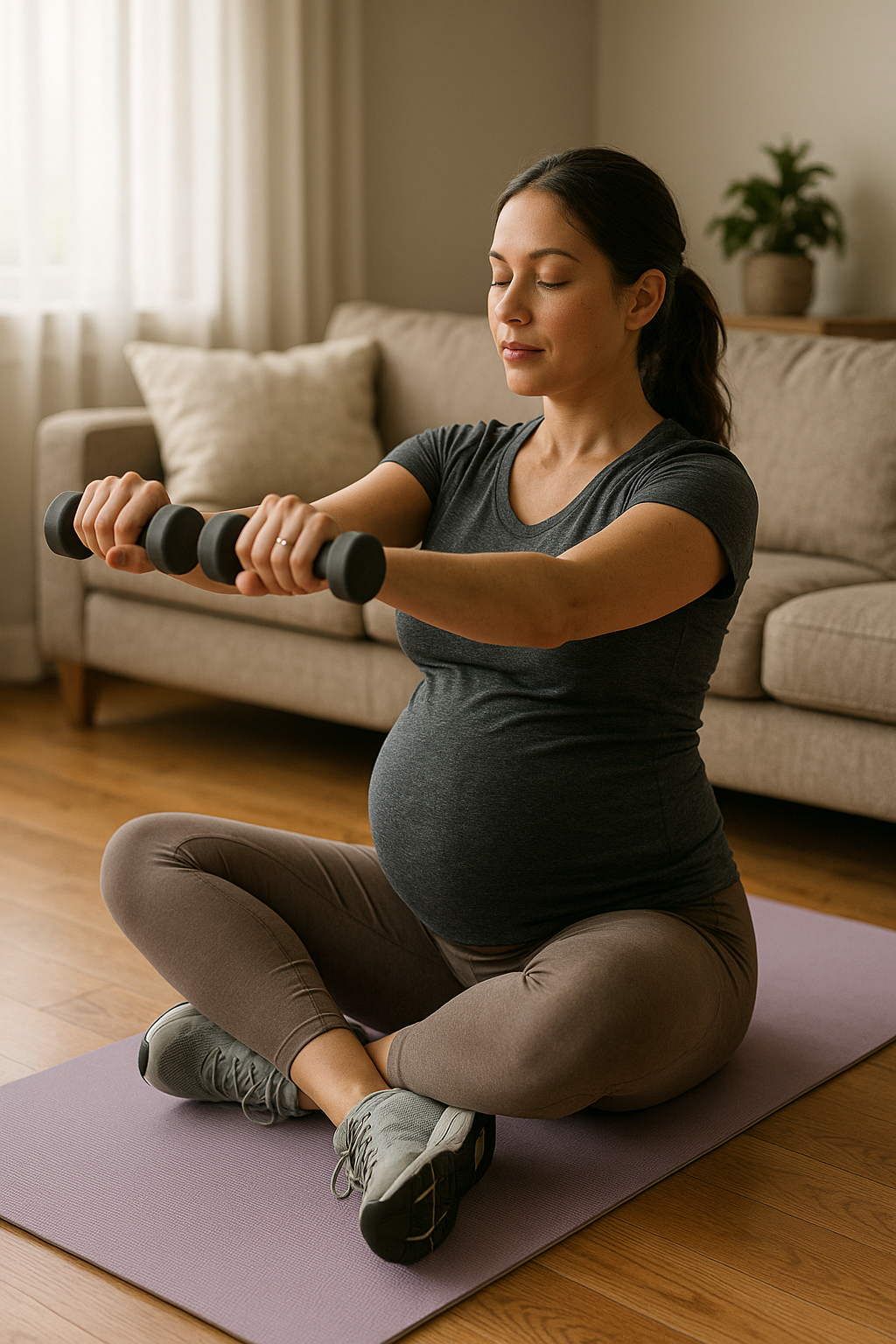
Women's Posture Shirt™ - Black
Helps activate muscles and relieve pain, designed for work, exercise, and daily use.
Why a comprehensive approach is becoming essential
Across professional and academic settings, there’s growing pressure for education to be both credible and usable. Evidence-based practice is the baseline, but application is the differentiator: can the knowledge improve outcomes in a classroom, a clinic, or a workplace wellness initiative?
This is where Anodyne brings a practical lens to fitness education. By focusing on posture, ergonomics, and movement quality, Anodyne helps bridge the gap between traditional training concepts and real-world needs. The aim isn’t to replace existing certifications or curriculum models—it’s to strengthen them with insights that support better habits, clearer cueing, and smarter everyday movement.
In the next section, we’ll look at how fitness education is approached in professional certification pathways and in school-based curriculum models—and where posture and ergonomics can elevate both.
Professional pathways in fitness education
For many people, fitness education begins with certification. Large certification bodies have helped standardize what “entry-level competence” looks like for personal trainers and coaches: foundational anatomy, exercise technique, program design, client screening, and basic behavior change. This structure is valuable because it creates a shared language across the industry and gives employers a way to assess readiness.
However, the most useful professional development goes beyond passing an exam. In practice, fitness professionals need to interpret evidence, communicate it clearly, and apply it under real constraints: limited time, mixed motivation, pain history, and inconsistent recovery. That’s why continuing professional development (CPD) has become a major part of fitness education. Short courses and modular learning formats often focus on deeper topics such as biomechanics, joint loading, and coaching strategies for special populations.
From an outcomes perspective, the strongest programs tend to emphasize three things: decision-making (why this exercise, why now), coaching skill (how to cue and regress), and transfer (how to help clients use the same principles outside the gym). This is where posture and ergonomics become more than “nice to have.” They offer a practical bridge between training sessions and the hours people spend sitting, standing, lifting, and repeating the same tasks at work or school.

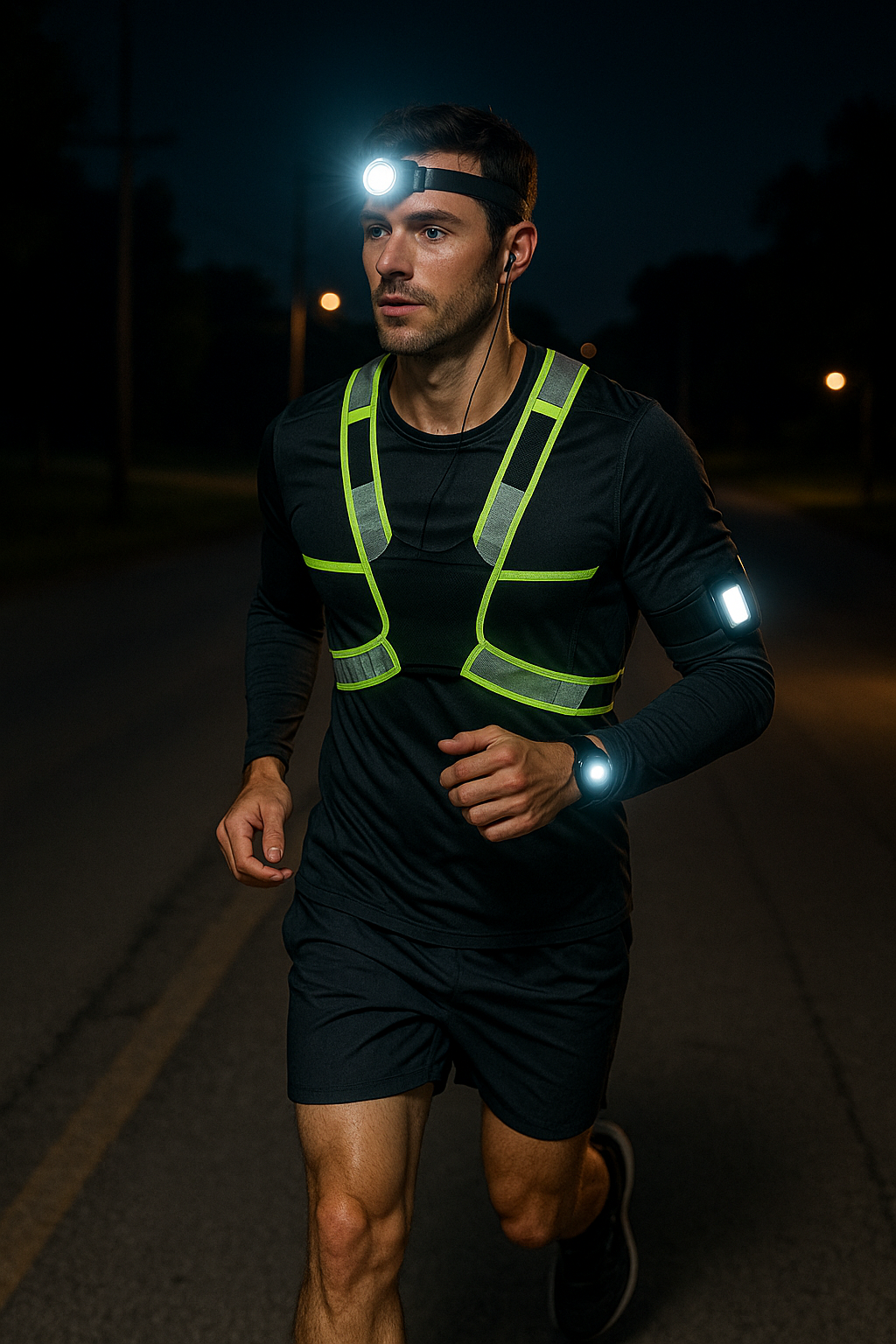
Men's Posture Shirt™ - Black
Supports muscle activation and posture improvement for work, sports, and daily life.
Academic and curriculum design: from sport to lifelong habits
In school settings, fitness education is less about credentials and more about curriculum design that supports long-term health. Two commonly discussed approaches are the Sport Education Model (SEM) and the Fitness Education Model (FEM). While SEM uses sport as a vehicle for learning roles, teamwork, and engagement, FEM is more directly focused on building knowledge and habits that students can carry into adulthood.
In practical terms, FEM-style teaching often includes goal setting, self-monitoring, understanding intensity, and learning how to plan activity independently. That emphasis matters because it shifts physical education from “doing activities” to learning skills for self-management. A student who understands basic training principles, recovery, and movement quality is better equipped to stay active later—regardless of whether they enjoy competitive sport.
Research discussions around fitness education programs also highlight a recurring challenge: alignment between what is taught and what is needed in real-world practice. In both professional and academic contexts, there can be a gap between theoretical knowledge and applied competence. For schools, that gap might show up as students who participate in class but struggle to translate learning into daily routines. For professionals, it can look like strong program templates but limited ability to adapt when a client’s lifestyle, discomfort, or work demands get in the way.
Why ergonomics and posture belong in modern fitness education
Ergonomics and posture education fit naturally into both certification pathways and school curricula because they address the most common “training environment” people have: everyday life. When someone sits for long periods, carries a bag the same way daily, or works in repetitive positions, the body adapts. Fitness education that acknowledges these exposures can teach people to reduce unnecessary strain and improve movement options.
Importantly, this is not about enforcing a single perfect posture. A more useful educational message is that variation and capacity matter: changing positions, building tolerance for common tasks, and learning how to organize the body efficiently for the job at hand. For fitness professionals, that means coaching clients to notice patterns (for example, how they set up at a desk) and then pairing training with small, realistic adjustments that reduce flare-ups and improve consistency.
Anodyne’s perspective supports this applied approach by making posture and ergonomics easier to communicate. Instead of treating movement quality as an abstract concept, it becomes teachable: how to set up a workstation, how to use movement breaks strategically, how to choose supportive habits that make training feel better rather than harder.
Examples of integration in training and education
In professional training, posture and ergonomics can be integrated through case-based learning. For example, a trainer might work with a client who exercises regularly but experiences recurring neck or lower back discomfort during the workweek. A purely gym-based solution may help temporarily, but education that includes desk setup, screen height, micro-break routines, and load management across the week often improves adherence and comfort.
In schools, the same principle applies at a different scale. A FEM-inspired unit can include movement literacy outcomes such as bracing and breathing basics, safe lifting mechanics for everyday objects, and simple classroom ergonomics. Teachers can also benefit directly: when staff learn how to vary standing and sitting positions, organize classroom tasks, and reduce repetitive strain, fitness education supports occupational well-being—not just student performance.
Across both settings, the common thread is transfer. When fitness education includes ergonomics and posture, it becomes easier for people to connect what they learn to what they do every day. That connection is often what turns knowledge into lasting behavior.
Making fitness education usable beyond the gym
One of the biggest challenges in fitness education is transfer: turning concepts into habits that hold up in real environments. People may understand training principles and still struggle with discomfort, fatigue, or recurring strain because most of their week is shaped by workstations, classrooms, commutes, and repetitive tasks. When education addresses those exposures directly, it becomes easier to maintain consistency in both activity and recovery.
Anodyne’s approach supports this translation from theory to everyday practice by focusing on posture, ergonomics, and movement quality. The goal is not to “correct” everyone into a single ideal position, but to improve options: more variation across the day, better task setup, and clearer strategies for managing load. For professionals and educators, this creates a practical bridge between what is taught and what people actually do for hours at a time.
Collaboration as a multiplier in fitness education
Fitness education becomes more effective when it is shared across roles. Trainers, teachers, physiotherapists, occupational therapists, and workplace health teams often work with the same underlying issues—limited movement variety, high screen time, repetitive demands, and low tolerance for certain positions. Collaboration helps align messages so people are not receiving fragmented advice.
In practice, this can look like a trainer coordinating with a clinician to ensure exercise choices match a person’s current tolerance, while also reinforcing ergonomic changes that reduce flare-ups between sessions. In schools, it can mean PE staff aligning with classroom teachers so movement literacy is reinforced throughout the day, not only during lessons. In workplaces, it can involve HR and health and safety teams pairing ergonomic adjustments with short educational modules that explain why the changes matter and how to use them.
For Anodyne, collaboration is also about communication: making posture and ergonomics simple enough to teach without oversimplifying. Clear language, repeatable cues, and realistic expectations help professionals deliver consistent education that people can apply immediately.
Actionable ways to integrate posture and ergonomics
Integrating posture and ergonomics into fitness education does not require a full curriculum rewrite. It works best when added as a repeatable layer that supports existing training or teaching goals. The following steps are practical across professional training, schools, and workplaces:
- Start with exposure mapping: Identify where time is spent (desk, classroom, driving, standing tasks) and which positions or tasks trigger discomfort. This makes education specific and relevant.
- Teach variation as a skill: Encourage planned position changes rather than chasing a single “correct posture.” Simple prompts such as alternating sitting and standing, changing screen focus, or shifting stance can reduce static load.
- Use micro-breaks with a purpose: Short movement breaks are most effective when they match the task. For desk work, that could mean thoracic mobility, hip extension, or gentle neck and shoulder movement to restore range and circulation.
- Connect exercise selection to daily demands: Pair strength and capacity work with the tasks people repeat (lifting, carrying, reaching, prolonged sitting). This improves perceived relevance and adherence.
- Build simple checklists: For teachers and employees, a short workstation or classroom setup checklist can be more useful than a long lecture. The aim is consistency, not complexity.
Over time, these additions help fitness education function as a support system: training improves capacity, while ergonomics and posture education reduce unnecessary barriers to staying active.
Future directions for fitness education
The next phase of fitness education is likely to be more integrated, more outcomes-focused, and more context-aware. As professional development and school curriculum models continue to evolve, there is increasing emphasis on applied competence: the ability to adapt principles to different bodies, different environments, and different constraints.
That shift favors approaches that combine evidence-based training with movement literacy, ergonomics, and practical behavior design. For organizations, it also supports scalable delivery formats—short modules, workshops, and blended learning that can be implemented in schools and workplaces without disrupting schedules. In this landscape, posture and ergonomics are not side topics; they are core tools for making fitness education sustainable and relevant.
Frequently Asked Questions
What is fitness education and why is it important?
Fitness education is the teaching of principles, methods, and programs that support physical health and well-being. It is important because it builds knowledge and skills that help people stay active over time, and it supports professional development for trainers, educators, and workplace health teams who need to apply evidence-based practice in real settings.
How does Anodyne contribute to fitness education?
Anodyne contributes by providing practical insights on posture, ergonomics, and movement quality that complement traditional exercise instruction. This helps professionals and educators connect training concepts to everyday environments such as classrooms and workplaces, where habits and exposure often determine whether people can stay consistent.
What are the key components of a comprehensive fitness education program?
A comprehensive program combines evidence-based instruction in exercise and health with applied skills such as movement literacy, coaching and cueing, load management, and basic ergonomics. It should also be adaptable to the setting, whether that is professional training, school curricula, or workplace well-being initiatives.
How can posture and ergonomics be integrated into school curricula?
Schools can integrate posture and ergonomics by embedding movement literacy outcomes into PE units, using curriculum models that support lifelong habits, and reinforcing simple classroom setup and movement-break routines. Teacher training is essential so that key messages are consistent and practical across the school day.
What are the benefits of focusing on posture and ergonomics in fitness education?
Focusing on posture and ergonomics can improve movement quality, reduce unnecessary strain during daily tasks, and support long-term musculoskeletal health. In schools and workplaces, it can also improve comfort and participation by making healthy movement easier to sustain throughout the day.
Källor
- "Fitness Education: A Comprehensive Review." PubMed.
- "Fitness Education Group."
- "Benefits of Fitness Education." Fitness Global Academy.
- "Die 5 Säulen der Fitness." Evo Fitness.
- "8 Fun Facts About Exercise You Might Forget." Total Physical Therapy.
- "Health, Fitness and Components of Fitness." The National Academy.
- "Fitness Education." PLT4M.
- "Teaching the 5 Components of Health Related Fitness." The PE Specialist.
- "Nordic Fitness Education."
- "The 5 Elements of Fitness." Mayo Clinic Health System.
- "Fitness Education Online Podcast."
- "ERIC - Education Resources Information Center."
- "Fitness Education Podcast on Spotify."