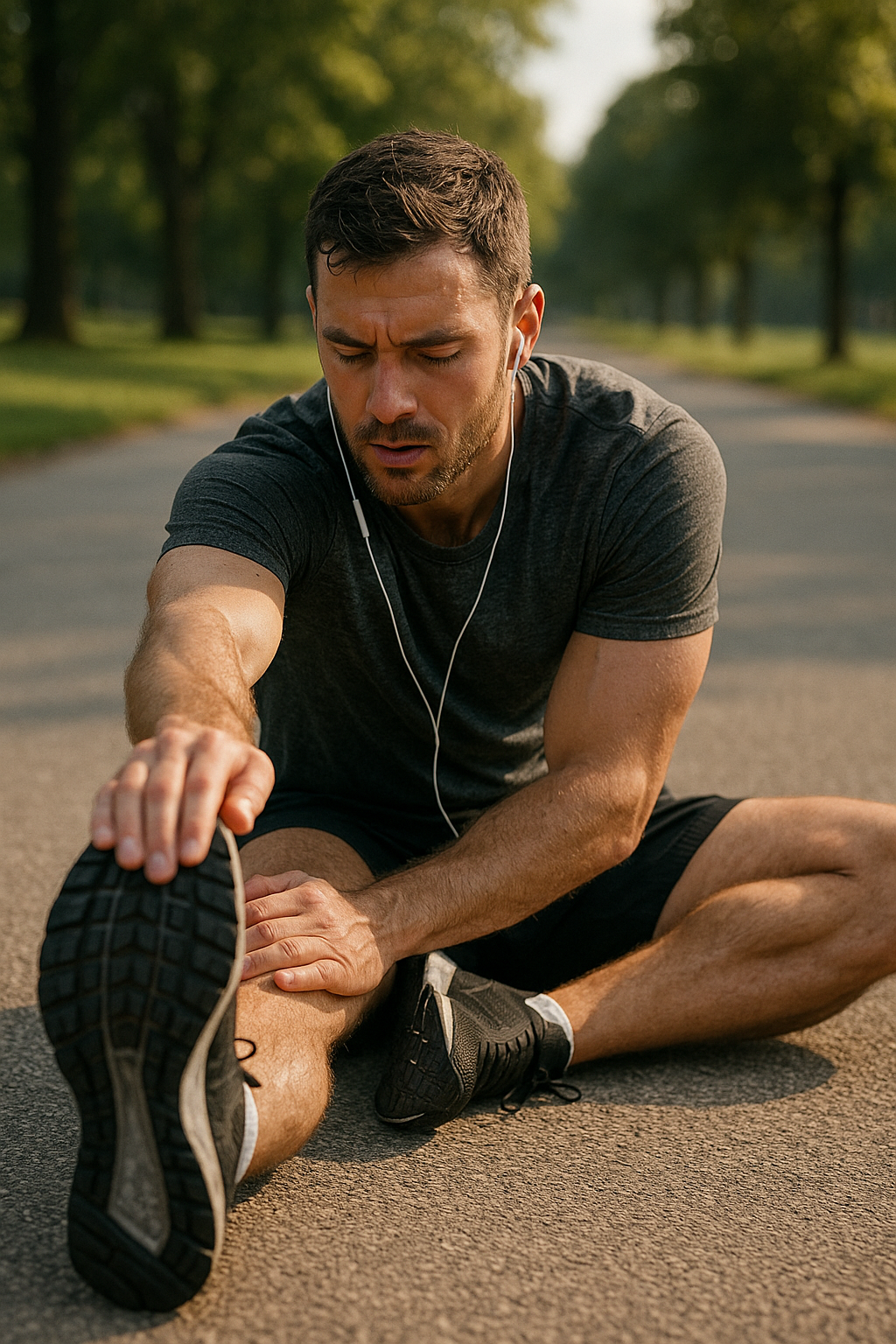
Pregnancy comes with plenty of questions, and one of the most common is simple: is exercise while pregnant actually safe? For most people with an uncomplicated pregnancy, the answer is yes—staying active is widely considered both safe and beneficial when your midwife or doctor has given you the green light. In other words, movement is not something you “have to give up”; it’s something you can adjust.
Regular activity during pregnancy is linked to a long list of practical benefits that matter in everyday life. Many women find that moving consistently helps support steadier energy, a more stable mood, and better sleep. It can also help reduce the risk of common pregnancy-related challenges such as excessive weight gain, gestational diabetes, and high blood pressure. Just as importantly, exercise can be a way to feel capable in a body that’s changing week by week—without turning workouts into a performance.
Why your routine may need to change (and why that’s normal)
Even if you were active before pregnancy, your body’s “rules” shift. Hormonal changes can affect joint stability, your growing bump changes your centre of gravity, and your breathing and circulation work differently. That doesn’t mean you should stop—it means you should become more strategic. Think less about pushing harder and more about moving well: controlled tempo, stable positions, and good recovery.
This is where posture and ergonomics become more than buzzwords. Small adjustments—like keeping a neutral spine, relaxing the shoulders, and distributing weight evenly through the feet—can make exercise feel better and reduce unnecessary strain on the lower back, hips, and pelvic area. Supportive, comfortable gear can also help you feel more secure during walks, strength sessions, or daily movement, especially on days when your body feels heavy or tired.

Women's Posture Shirt™ - Black
Patented shirt that stimulates muscles and supports posture—ideal during changing body conditions.
A trimester-friendly approach to exercise while pregnant
What feels great in week 10 might feel completely different in week 30. As pregnancy progresses, many women benefit from trimester-specific tweaks: modifying intensity, choosing more stable exercise options, and prioritising mobility and strength that supports posture. In the next sections, we’ll break down how much exercise is typically recommended, how to gauge intensity, which activities tend to be pregnancy-friendly, and what to avoid—so you can stay active with confidence and comfort.
How much exercise while pregnant is enough?
A widely used benchmark for exercise while pregnant is around 150 minutes per week of moderate-intensity aerobic activity. That can look like 20–30 minutes on most days, or shorter sessions spread across the week if your energy comes and goes. The goal is consistency, not perfection.
To judge intensity, use the talk test: you should be able to speak in full sentences while you move. If you can only get out a few words at a time, you’re likely pushing too hard for a “moderate” effort. On the other hand, if you feel like you could sing an entire song without pausing, you may be under the level that supports cardiovascular fitness (though gentle movement still counts on low-energy days).
Your starting point matters. If you were active before pregnancy, you can often continue similar activities with modifications for comfort, balance, and recovery. If you were not active, begin with short walks, light mobility work, or beginner prenatal classes a few times per week and build gradually. A helpful approach is to increase duration first (for example, adding 5 minutes to a walk), then increase frequency, and only then consider intensity.
Pregnancy-friendly exercises and posture cues
The best exercises during pregnancy tend to be the ones that support circulation, strength, and mobility without adding unnecessary impact or balance risk. Whatever you choose, posture is your safety net: aim for a neutral spine, relaxed ribs (not flared up), shoulders down and back, and weight evenly distributed through the feet.
- Walking: Keep your gaze forward (not down), let your arms swing naturally, and think “tall through the crown of the head.” If your lower back feels compressed, shorten your stride slightly and focus on a gentle push-off through the big toe.
- Swimming and water workouts: Water supports your bump and can reduce joint stress. Keep your neck long when breathing and avoid over-arching the lower back during kicks. Many women find this especially comfortable later in pregnancy.
- Stationary cycling: A stable cardio option with low fall risk. Raise the handlebars if needed to avoid rounding the upper back, and keep a soft bend in the elbows so you’re not locking into your shoulders.
- Prenatal yoga or Pilates: Choose pregnancy-specific classes when possible. Prioritise controlled breathing, gentle hip mobility, and stability work over deep stretches. As your bump grows, widen your stance for balance and avoid positions that feel compressive through the belly.
- Low-impact strength training: Think “functional strength” for daily life: squats to a box or bench, supported rows, wall or incline push-ups, and light deadlift patterns with a hip hinge. Move slowly, exhale on effort, and stop sets before form breaks down.
Across all of these, pelvic floor awareness matters. You do not need to constantly “hold” tension, but learning how to gently engage on effort and fully relax between reps can support comfort, bladder control, and core coordination as pregnancy progresses.
Exercises and situations to avoid
Some activities come with higher risk during pregnancy, either because of impact to the abdomen, a greater chance of falling, or environmental stressors that can raise your body temperature too much. In general, avoid:
- Contact sports and sports with a high likelihood of collision.
- High fall-risk activities such as downhill skiing, horseback riding, gymnastics, and off-road cycling.
- Scuba diving and skydiving, due to pressure and safety risks.
- Hot yoga/hot Pilates and intense exercise in very hot, humid environments.
- Prolonged lying flat on your back after the first trimester, as it can reduce blood flow and make you feel dizzy or nauseous.
- High-altitude exercise if you are not acclimatised.
This does not mean you must avoid challenge altogether. It means choosing challenge that is stable, controlled, and easy to scale up or down based on how you feel that day.
Trimester-by-trimester adjustments
First trimester: Fatigue and nausea can be the biggest barriers. Shorter sessions often work better than long workouts. Keep intensity moderate, prioritise hydration, and be flexible: a 15-minute walk plus mobility can be a win.
Second trimester: Many women feel a boost in energy. This is a good time to build a steady routine with strength work that supports posture: upper-back exercises for shoulder comfort, glute and hip strength for pelvic stability, and gentle core coordination. As your bump grows, widen your stance and slow down transitions to stay balanced.
Third trimester: Balance shifts and joint laxity can increase. Choose more stable options (walking, swimming, stationary cycling, supported strength training). Reduce load, shorten range of motion if needed, and take longer rests. Focus on movement quality and comfort rather than “training hard.”
Back pain, posture, and pelvic floor support
As your centre of gravity changes, it’s common to feel more strain through the lower back, hips, and pelvis. Two strategies help most: strengthen what supports you, and reduce unnecessary load.
Strength-wise, prioritise glutes, upper back, and deep core coordination. Ergonomically, think about how you set up your body for movement: hinge at the hips instead of arching the lower back, keep ribs stacked over pelvis, and avoid locking the knees when standing. Supportive gear can also make a difference on longer walks or standing-heavy days. A well-fitted maternity support belt can reduce “pull” through the pelvis and lower back, and posture-supporting tops can provide gentle reminders to stay tall without forcing rigid positioning.

Lumbar support belt
Adjustable belt to support and relieve the lower back—ideal for pregnancy-related back pain.
Most importantly, let comfort guide your choices. The best routine is the one that helps you feel steady, capable, and safe—week after week.
Warning signs: When to stop exercise while pregnant
Most pregnancy-friendly movement should feel steady, controlled, and “good enough” rather than extreme. Still, it’s important to know when exercise while pregnant stops being helpful and starts becoming a signal to pause. If any of the symptoms below occur, stop exercising and contact your midwife, doctor, or maternity unit for advice—especially if symptoms are sudden, intense, or do not settle quickly with rest.
- Vaginal bleeding or spotting that is new or worsening
- Fluid leakage from the vagina (possible amniotic fluid)
- Regular, painful contractions or signs of preterm labour
- Chest pain or a racing/irregular heartbeat that feels unusual
- Shortness of breath at rest (not just “out of breath” during effort)
- Dizziness, fainting, or severe headache
- Calf pain, swelling, warmth, or redness (especially on one side)
- Muscle weakness that affects balance or makes you feel unsafe
- Decreased fetal movement compared with what is normal for you (follow your local guidance on what to do)
Also stop and reassess if you notice persistent pelvic heaviness, leaking urine that increases with exercise, or a “doming”/coning along the midline of the abdomen during core work. These are not emergencies in most cases, but they are useful signs that your body may need a different exercise choice, a smaller range of motion, lighter load, or a focus on breathing and coordination.
Practical ways to keep workouts comfortable
As pregnancy progresses, comfort often becomes the deciding factor—not motivation. Small adjustments can help you stay consistent without feeling like you are constantly “modifying everything.”
- Choose stable positions: Swap single-leg moves for supported versions (for example, split squats holding a wall or rail) when balance feels off.
- Prioritise breath and tempo: A slower pace with good alignment often feels better than pushing intensity. Exhale on effort, and avoid holding your breath.
- Use the right setup: Raise handlebars on a bike, elevate your hands for incline push-ups, or use a bench/box for squats to reduce strain.
- Support where you need it: On longer walks or standing-heavy days, a well-fitted maternity support belt can reduce the “dragging” sensation through the pelvis and lower back. Posture-supporting tops can also provide gentle feedback to stay tall without forcing rigid positioning.
- Plan recovery like a workout: Hydrate, cool down, and include light mobility for hips, upper back, and calves—areas that often feel tight as your gait changes.
If you are unsure whether a sensation is “normal discomfort” or a sign to change course, use this rule of thumb: exercise should not create symptoms that build across the day or are worse the next morning. When in doubt, scale down and ask your healthcare provider for personalised guidance.
Moving forward with confidence
Exercise while pregnant can be one of the most positive ways to stay connected to your body. The goal is not to prove fitness—it is to support circulation, strength, posture, and everyday comfort while your body does something extraordinary. Keep sessions moderate, choose stable options, and let your body’s feedback guide your decisions. With the right adjustments and support, movement can stay safe, practical, and genuinely enjoyable from the first trimester to the last.
Frequently Asked Questions
Is it dangerous to raise your heart rate during exercise while pregnant?
For most people with an uncomplicated pregnancy, moderate-intensity exercise that raises your heart rate is considered safe once you are cleared by a healthcare provider. Rather than aiming for a specific heart-rate number, use the talk test: you should be able to speak in full sentences while exercising. If you cannot, reduce intensity.
Can you start exercising if you were not active before pregnancy?
Yes, many people can begin with low-impact activity during pregnancy, but it should be gradual and guided by comfort. Start with short walks, gentle mobility, or beginner prenatal classes a few times per week and build duration first. If you have medical conditions or pregnancy complications, get individual advice before starting.
Are abdominal exercises always unsafe during pregnancy?
No. Core training is often helpful, but it needs to be adapted. Focus on deep core coordination, breathing, and stability rather than intense crunching or movements that cause bulging along the midline of the abdomen. If you see coning/doming, feel pressure downward, or experience pain, switch to a different exercise and consider guidance from a pelvic health physiotherapist.
When should you avoid lying on your back?
Many guidelines recommend avoiding prolonged time flat on your back after the first trimester. If you feel dizzy, nauseous, or short of breath in that position, roll onto your side and choose side-lying, elevated, or upright alternatives.
What are the best low-impact options late in pregnancy?
Walking, swimming or water workouts, stationary cycling, prenatal yoga, and supported strength training are commonly well-tolerated in the third trimester. The best choice is the one that feels stable and does not increase pelvic, back, or abdominal discomfort during or after the session.
Do you need a maternity support belt to exercise while pregnant?
Not everyone needs one, but some women find a support belt helpful for walks, standing workouts, or days with more pelvic or lower-back strain. It should feel supportive without restricting breathing or creating pressure. If pain persists or worsens, seek clinical advice rather than relying on support alone.
Källor
- American College of Obstetricians and Gynecologists. "Exercise During Pregnancy."
- Skandika. "Sport and Pregnancy."
- American Pregnancy Association. "Exercise During Pregnancy: Benefits."
- The Royal Women's Hospital. "Active Pregnancy."
- NHS. "Exercise in Pregnancy."
- Health Service Executive. "Safe Exercise in Pregnancy."
- Physical Activity and Exercise During Pregnancy and the Postpartum Period. Journal of the American Medical Association.
- Tommy's. "Types of Exercise in Pregnancy."