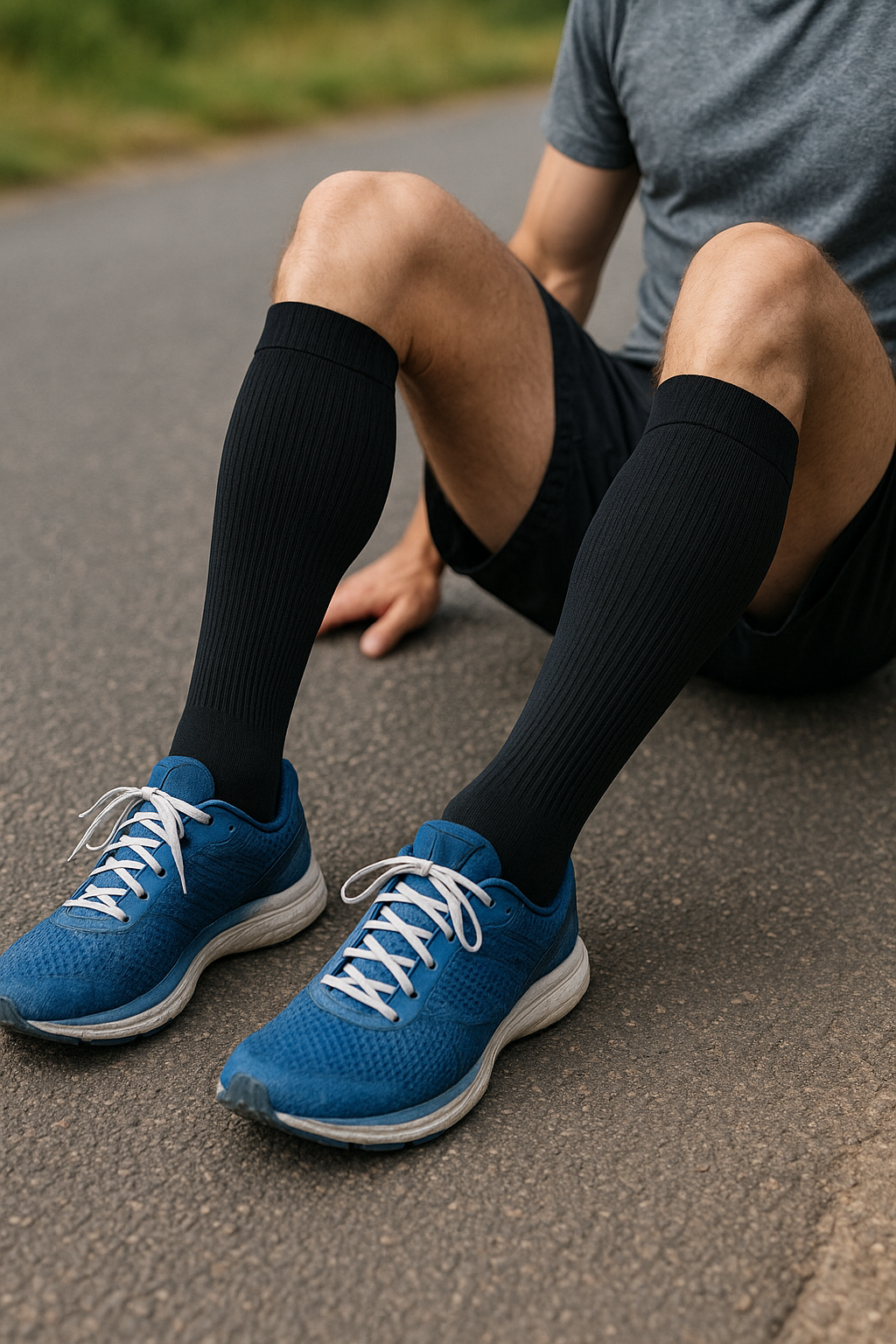
There’s a certain moment in every run when everything clicks: your breathing settles, your stride feels light, and the outside world fades into a steady rhythm. The right headphones for running can help you get there faster—without the constant distractions of earbuds slipping out, cables bouncing, or controls that are impossible to use with sweaty hands. When your audio setup works with your body (not against it), it’s easier to stay focused, motivated, and consistent.
But running is a tough environment for any wearable. Sweat, sudden weather changes, repeated impact, and constant movement can expose weak battery life, poor fit, and flimsy build quality within a few sessions. That’s why most runner-focused guides in 2026 emphasize the same fundamentals: a secure fit that stays put for miles, sweat resistance (often IPX4 or higher), and a battery that can handle at least a week of shorter runs or a long weekend training block.
There’s also the safety side. If you run near traffic, cycle paths, or busy parks, total noise isolation can be a downside. Open-ear and bone conduction designs have become a popular solution because they let you keep awareness of your surroundings while still enjoying music, podcasts, or coaching cues. For many runners, that balance—sound plus situational awareness—is the real upgrade.
Why the right running headphones matter
Good running headphones do more than play music. They reduce mid-run fiddling (which can break your form), help you keep a steady pace with audio cues, and make training feel more enjoyable—especially on days when motivation is low. Comfort is performance here: pressure points, heavy over-ear designs, or unstable earbuds can turn into tension in your jaw, neck, or shoulders over time. Lightweight, stable designs tend to disappear once you start moving, which is exactly what you want.

Women's Posture Shirt™ - Black
Støtter kropsholdning og kan lindre smerter ved træning og hverdag.
What this guide will cover
In the next sections, we’ll walk through standout options across different styles and budgets, including in-ear favorites, ear-hook models built for stability, and open-ear picks designed for road awareness. We’ll also break down the key features worth prioritizing—fit, IP ratings, battery life, and safety considerations—so you can choose headphones that match how (and where) you actually run.
Top headphones for running in 2026
There isn’t one perfect option for every runner, because the “best” choice depends on where you run (roads vs. trails), how much you sweat, and how much you value awareness versus immersion. Below are four standout picks that show up repeatedly in runner and tech testing roundups, each with a clear use case.
Apple AirPods Pro 3
Price: $250
Why runners like them: AirPods Pro 3 are a popular crossover choice for people who want one pair of earbuds for commuting, calls, and training. The in-ear design is compact and comfortable for many ear shapes, and the IPX4 rating covers sweat and light rain. Battery life is listed at up to 8 hours, which is enough for most long runs and back-to-back workouts.
Best for: runners who prioritize everyday convenience, easy pairing with Apple devices, and a low-profile earbud that doesn’t interfere with hats or sunglasses. Fit can vary person to person, so using the correct tip size matters more here than with hook-style models.
Beats Powerbeats Pro 2
Price: varies by retailer
Why runners like them: If your biggest frustration is earbuds working loose mid-run, Powerbeats Pro 2 are built to solve that. The over-ear hooks add stability during speed work, hills, and high-cadence running, and the design stays secure even when you’re sweating heavily. They also include a heart rate sensor and an IPX4 rating, making them a strong training-focused option.
Best for: runners who want maximum stability and strong sound quality without constantly adjusting their earbuds. They’re also a good match if you wear glasses, since the hook can help keep everything in place—though it’s worth checking comfort around the ear if you’re sensitive to pressure.
Shokz OpenRun Pro 2
Price: $180
Why runners like them: Shokz OpenRun Pro 2 use bone conduction with an open-ear design, which means your ear canal stays open to ambient sound. For road running, that awareness can be a major safety upgrade: you can hear traffic, bikes, and other runners while still getting music or coaching cues.
Best for: runners who train near cars, in busy parks, or on shared paths and want a safer listening setup. The trade-off is that you won’t get the same deep bass or isolation as sealed in-ear earbuds, especially in windy or loud environments.
JLab Go Sport+
Price: $30
Why runners like them: This is the value pick that keeps showing up because it covers the basics well. With 9 hours of battery life and a sport-oriented fit, it’s an easy entry point if you’re building your kit or you want a backup pair for rainy days.
Best for: budget-conscious runners who still want solid battery life and a stable feel without worrying about damaging an expensive set.
Key features that matter most for runners
Secure fit: choose the right style for your stride
A secure fit isn’t just about comfort—it’s about staying relaxed. When earbuds slip, runners often tense their jaw, shrug their shoulders, or break form to adjust them. Over time, that can add unnecessary strain. In general:
- In-ear models (like AirPods Pro 3) can feel minimal and light, but fit depends heavily on ear tip size and seal.
- Over-ear hook designs (like Powerbeats Pro 2) are typically the most stable for fast running and high sweat.
- Open-ear/bone conduction (like Shokz OpenRun Pro 2) avoid ear canal pressure and can feel less “locked in,” which many runners prefer for longer sessions.
Sweat and water resistance: what IPX4 really means
For headphones for running, IPX ratings are a quick way to judge durability against moisture. IPX4 is the common baseline in 2026 roundups and generally means the headphones can handle sweat and splashes (think: heavy perspiration and light rain). If you regularly run in downpours or train for long events where gear stays soaked, looking above IPX4 can add peace of mind.
Battery life: plan for your longest week, not your shortest run
Most runner-friendly models land in the 6–10 hour range per charge. That matters less for a single 30-minute run and more for consistency: early-morning training blocks, weekend long runs, and travel days when you forget to top up. As a rule, aim for enough battery to cover your longest session with a buffer, so you’re not rationing volume or skipping audio cues late in a workout.
Safety features: awareness can be the best upgrade
If you run near traffic, consider how much isolation you actually want. Noise canceling can be great for treadmills or quiet paths, but it can also reduce awareness outdoors. Open-ear and bone conduction options are trending upward because they support a safer balance—music for motivation, plus the ability to hear what’s happening around you.
Trends shaping headphones for running in 2026
Across recent runner and tech roundups, one theme stands out: headphones for running are getting lighter, more ergonomic, and more purpose-built for movement. Instead of chasing maximum volume or studio-style isolation, many brands are prioritizing designs that reduce pressure points and stay stable when your cadence increases. That shift shows up in three practical ways.
- Lower-profile shapes: earbuds sit closer to the ear to reduce wind noise and limit bouncing.
- More stability options: ear hooks and sport fins remain popular because they reduce mid-run adjustments.
- Open-ear growth: bone conduction and open-ear designs continue to trend upward for runners who want awareness on roads and shared paths.
Another noticeable trend is training integration. Features like onboard controls that work with sweaty hands, reliable multipoint connectivity, and even biometric sensors are becoming more common in sport-focused models. For runners, these features matter less as “nice-to-haves” and more as friction reducers—anything that prevents stopping to fix your audio setup helps you keep rhythm and form.

Men's Posture Shirt™ - Black
Forbedrer kropsholdning og kan lindre smerter – ideel til både aktivitet og hvile.
What real-world testing reveals
Specs can look similar on paper, so it helps to think in terms of what typically fails during actual miles. In real use, the biggest differentiators are stability under sweat, comfort after an hour, and how the headphones behave in wind and traffic noise.
Fit under sweat: even with an IPX4 rating, sweat can make surfaces slippery. In-ear models depend heavily on tip size and seal; if the seal breaks, you may find yourself turning volume up and losing sound quality. Ear-hook designs tend to stay consistent because they rely less on a perfect seal. Open-ear options avoid the seal issue entirely, which can feel more comfortable on long runs, especially if you dislike ear canal pressure.
Comfort over distance: pressure points often appear later, not in the first five minutes. If you feel jaw tension, ear soreness, or a “plugged” sensation, it’s usually a sign the fit style isn’t ideal for your anatomy. Lightweight designs help, but the right contact points matter more than the number on a spec sheet.
Environmental awareness: for outdoor running, the ability to hear bikes, cars, and other runners can be a safety feature, not a compromise. Many runners keep noise canceling off outdoors and reserve it for treadmills, gyms, or travel. If you frequently run near traffic, open-ear or bone conduction headphones can make it easier to stay alert without giving up audio cues.
How to choose the right pair for your runs
The best headphones for running are the ones you forget you’re wearing—because they stay put, feel comfortable, and match your environment. Before you buy, it helps to decide what you’re optimizing for:
- Maximum stability: choose an ear-hook model if you do speed work, hills, or sweat heavily.
- Everyday versatility: a compact in-ear option can work well if you also want a pair for calls and commuting, but plan to test tip sizes for a secure seal.
- Road safety and comfort: open-ear and bone conduction designs are strong choices if awareness is a priority or if you dislike in-ear pressure.
Finally, be realistic about your routine. Battery life should cover your longest run with a buffer, and water resistance should match your climate. If you run year-round, it’s often worth paying for durability and comfort—because the “best value” is the pair you can rely on week after week.
Frequently Asked Questions
Are bone conduction headphones safe for running?
Yes. Bone conduction and other open-ear designs allow you to hear ambient sounds like traffic, cyclists, and other runners, which can make them a safer option for road running and shared paths. They are especially useful when situational awareness matters more than noise isolation.
How important is water resistance in headphones for running?
It is very important. Sweat exposure is consistent in running, and weather can change quickly. An IPX4 rating is a common baseline and generally covers sweat and splashes. If you regularly run in heavy rain or train for long events where gear stays wet, a higher water-resistance rating can provide extra peace of mind.
Can I use these headphones for other workouts besides running?
Yes. Most runner-friendly models also work well for gym sessions, strength training, and cycling. Ear-hook designs are often great for high-movement workouts, while open-ear models can be useful for outdoor training where awareness is important.
What should I prioritize, sound quality or fit?
Both matter, but fit should come first. A secure, comfortable fit prevents distractions and reduces the need to adjust your headphones mid-run. Once fit is right, sound quality becomes more consistent because the headphones maintain their intended position and seal (for in-ear models).
Källor
- Runner's World. (2023). "The Best Wireless Headphones for Running."
- Løbeshop. (2023). "Best Headphones for Running."
- RTINGS. (2023). "Best Headphones for Running."
- iRunFar. (2023). "Best Running Headphones."
- The Run Testers. (2023). "The Best Running Headphones."
- Garage Gym Reviews. (2023). "Best Running Headphones."
- Outside Online. (2023). "Best Running Headphones."