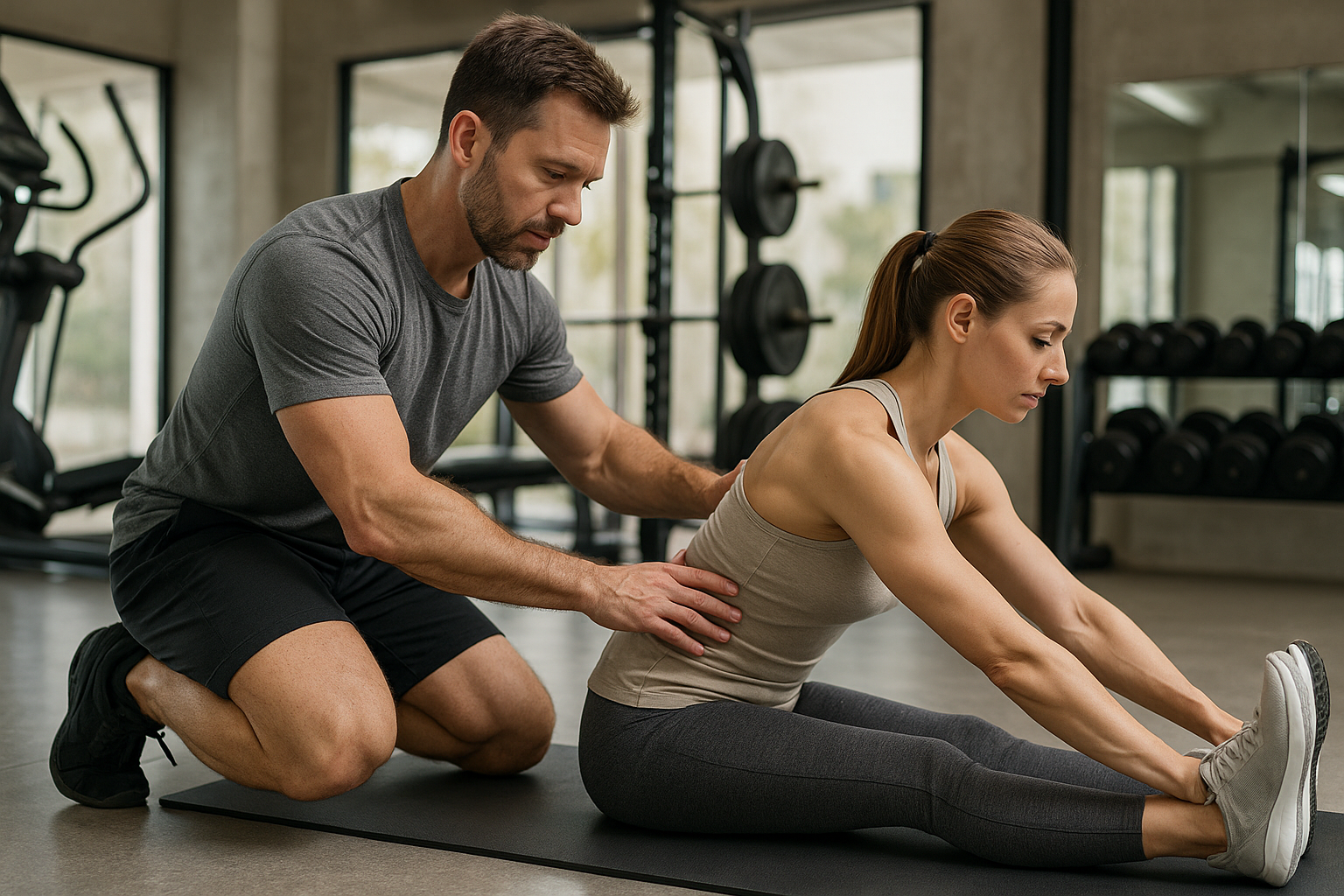
Recovery time is the window your body needs to return to normal after stress—whether that stress comes from a hard workout, a long day at a desk, a minor injury, or a medical procedure. In sports, it often means how quickly muscles feel ready to perform again. In everyday life, it can be the time it takes for stiffness, soreness, or fatigue to settle so you can move comfortably and focus. In medical contexts, it’s the period where tissues heal and function gradually returns. Different situations, same goal: get back to feeling like yourself without rushing the process.
What many people overlook is that recovery time isn’t only about what you do after the strain. It’s also shaped by what you keep doing during the day that either helps your body calm down—or keeps irritating the same areas. If your shoulders stay rounded over a keyboard, if your lower back collapses into a chair, or if you repeatedly move with poor mechanics, your muscles and joints may never get the “quiet” they need to recover efficiently.
Why recovery time can feel longer than it should
When the body is under constant low-grade load—think neck tension from screen use, back tightness from prolonged sitting, or sore hips from standing with poor alignment—recovery can feel like a loop. You rest, you feel a bit better, and then the same posture or movement pattern brings the discomfort right back. That doesn’t mean something is “wrong” with you; it often means the environment and habits around you are making recovery harder than it needs to be.
This is where ergonomics becomes more than a workplace buzzword. Ergonomics is simply the practice of setting your body up to do tasks with less strain. Done well, it can reduce unnecessary muscle tension, improve joint alignment, and make everyday movement more efficient—factors that can influence how quickly you bounce back from soreness, overuse, or posture-related pain.
The role of ergonomics in faster recovery
Ergonomic solutions aim to remove friction from the healing process. That might mean improving how you sit so your back muscles don’t have to “hold you up” all day, adjusting your workstation so your neck isn’t constantly craned forward, or using supportive aids that encourage better posture when fatigue sets in. The potential payoff is simple: less ongoing strain, fewer flare-ups, and a smoother path back to comfortable movement.
In the rest of this guide, we’ll look at how recovery works across common situations—and how practical ergonomic choices can help you recover with less discomfort and more consistency.

Women's Posture Shirt™ - Black
Patented posture shirt for pain relief, support, and improved postural awareness. For work, movement & leisure.
Medical and surgical recovery time: where ergonomics can support healing
After a medical procedure, recovery time is usually described in phases rather than a single date on the calendar. In the early phase, the goal is often to protect healing tissue, manage pain, and gradually restore basic movement. Over the following weeks and months, strength, mobility, and confidence typically build as rehabilitation progresses. Timelines vary widely depending on the procedure and the individual, but it’s common for larger joint surgeries (such as hip or knee procedures) to require weeks before daily activities feel easier and months before higher-demand movement feels truly stable. Spinal procedures can also involve longer, carefully managed progressions where posture and movement habits matter a lot.
Several factors influence how smooth this process feels: age, overall health, sleep quality, smoking status, nutrition, and—crucially—how consistently you follow your clinician’s rehabilitation plan. Ergonomics doesn’t replace medical guidance, but it can reduce the “background strain” that makes recovery feel harder. If you’re spending hours each day sitting, standing, or sleeping in positions that aggravate the same area, you may end up battling unnecessary soreness on top of normal healing.
Supportive sitting is one of the most practical places to start. A chair that lets your feet rest flat, keeps hips and knees comfortable, and supports a neutral spine can reduce fatigue and help you avoid compensations like slumping or twisting. Small adjustments—like bringing the work surface closer so you don’t reach, or using a cushion that encourages a more upright pelvis—can make it easier to maintain a position that feels steady rather than strained. Sleep setup matters too: keeping the spine aligned with appropriate pillow height and using positioning (for example, a pillow between the knees when side sleeping) can reduce morning stiffness that slows your momentum during the day.
Sports and fitness recovery time: reducing unnecessary load between sessions
In training, recovery time is often discussed in terms of how long muscles need between challenging sessions. For many people, typical muscle soreness peaks within the first couple of days after a new or intense workout, and many muscle groups feel more “ready” again within roughly 24–72 hours. That window can be shorter with consistent training and good sleep, or longer after very high volume, heavy eccentric work, or when stress and poor nutrition pile up.
Ergonomics fits into sports recovery in a simple way: it helps you avoid adding extra strain when you’re not training. If your upper back and neck are already tight from desk posture, your body may have fewer “resources” to bounce back from pulling workouts, cycling positions, or overhead training. The same goes for lower back fatigue when you sit collapsed for hours after a leg day.
Practical ergonomic tools can help you stay more neutral when fatigue sets in. Posture-supporting garments can be useful for cueing better alignment during low-intensity activity and daily tasks, especially when you tend to round forward as you get tired. Recovery tools like foam rollers, massage balls, and handheld massage devices can also help you target areas that commonly hold tension (such as the upper back, glutes, and calves). The key is to use them with intention: aim for gentle, controlled pressure and avoid turning recovery into another high-intensity session that leaves you more irritated than before.

Men's Posture Shirt™ - Black
Patented shirt with NeuroBand™ tech to support and activate muscles, relieve pain, and improve posture.
Finally, don’t underestimate “training ergonomics” outside the gym: a backpack that sits evenly, a workstation that doesn’t force your shoulders up, and a phone position that doesn’t pull your head forward can all influence how your body feels on the days between workouts.
Injury and musculoskeletal recovery time: posture and environment can prevent setbacks
For common musculoskeletal problems—sprains, strains, overuse aches, and episodes of back or neck pain—recovery time depends on severity, location, and how quickly irritation is reduced. Mild strains may settle in days to a couple of weeks, while more significant injuries can take longer and may need structured rehabilitation. In many everyday cases, the biggest challenge isn’t a lack of rest; it’s returning to the same movement pattern or workstation setup that triggered the problem in the first place.
Early self-care is often about calming symptoms and protecting the area from repeated aggravation. As comfort improves, gradual movement and strength work typically help tissues tolerate normal load again. Ergonomic interventions support this progression by reducing repeated micro-stress. For example, if you’re recovering from neck pain, raising screens to eye level and keeping elbows supported can reduce the forward-head posture that keeps the area tense. If you’re dealing with low back pain, improving chair support, keeping hips slightly higher than knees, and taking short standing or walking breaks can reduce prolonged compression and stiffness.
Workplace ergonomics is especially important for preventing re-injury. Set up your day so your body isn’t forced into one position for hours: alternate sitting and standing when possible, keep frequently used items within easy reach, and schedule brief “reset” breaks to roll shoulders, extend the hips, and gently move the spine. If you use supportive aids, treat them as part of a broader plan: they can help you maintain better alignment and reduce strain, but the long-term win comes from consistent habits that make good posture feel natural again.
Sleep, jet lag and mental recovery time: why comfort matters
Sleep is where much of your recovery time is “paid back.” Deep sleep supports tissue repair, immune function, and the nervous system’s ability to downshift from stress. But when posture-related discomfort follows you into bed—tight hips, a sore lower back, or a stiff neck—sleep can become lighter and more fragmented. The result is a frustrating cycle: pain disrupts sleep, and poor sleep makes you more sensitive to pain and slower to recover.
Ergonomics can help by reducing the mechanical triggers that keep your body on alert. Start with alignment. Side sleepers often do best when the neck is supported so the head stays level with the spine, and when a pillow between the knees reduces twisting through the pelvis and lower back. Back sleepers typically benefit from a pillow that supports the natural curve of the neck without pushing the head forward; some people also feel relief with a small pillow under the knees to reduce lumbar tension. If you wake up with the same stiffness every morning, it is usually a sign that your sleep setup is not matching your body’s needs.
Jet lag and mental fatigue also influence recovery time, mainly through sleep disruption and increased muscle tension. Travel often means long periods of sitting, awkward sleeping positions, and less movement. When you return, a few days of consistent sleep timing, daylight exposure, hydration, and gentle mobility can help your body recalibrate. Ergonomic habits—like supporting the lower back while sitting and keeping screens at eye level—can reduce the extra strain that makes that “run down” feeling last longer.
Practical ergonomic habits that can shorten recovery time
Ergonomic solutions work best when they are simple enough to repeat daily. The goal is not perfect posture every minute; it is reducing the total amount of unnecessary strain your body accumulates while it is trying to recover.
- Use a 30–60 minute reset rule: Change position regularly. Stand up, walk for a minute, or do a few gentle shoulder rolls and hip stretches. Frequent small breaks often beat one long stretch session at the end of the day.
- Set your screen and input devices to reduce neck load: Keep the top of the screen around eye level and bring the keyboard and mouse close enough that elbows can stay near your sides. This helps limit forward-head posture and elevated shoulders.
- Support your spine when sitting: Choose a chair setup that allows feet flat on the floor and keeps the pelvis stable. If you tend to slump, a small lumbar support or seat cushion can make neutral alignment easier to maintain.
- Balance “rest” with gentle movement: For many everyday aches, complete stillness can increase stiffness. Short walks, light mobility, and controlled range of motion can help you feel looser without overloading sensitive tissues.
- Use posture-supporting aids strategically: Supportive garments or braces can be useful when fatigue makes you collapse into poor alignment, such as during desk work, commuting, or light activity. They are most effective when paired with strengthening and movement habits that build long-term tolerance.
- Reduce end-of-day overload: If your recovery time feels stuck, look at the “hidden” strain: heavy bags on one shoulder, long phone use with the head tilted down, or repeated reaching and twisting. Small changes here can prevent flare-ups.
If pain is severe, worsening, or accompanied by symptoms like numbness, weakness, fever, or unexplained weight loss, seek medical assessment. Ergonomics can support recovery, but it should not delay appropriate care.
Frequently Asked Questions
How long does it typically take to recover from poor posture?
Recovery time from poor posture varies. Many people notice early improvements in comfort within a few weeks of consistent changes, but meaningful postural adaptation often takes months. The timeline depends on how long the habits have been present, how sensitive the tissues are, and how consistently you combine ergonomic changes with mobility and strengthening.
What ergonomic solutions can help with muscle recovery?
Helpful options include a supportive chair setup, a desk arrangement that reduces forward-head posture, and tools that relieve tension such as foam rollers or massage balls. Posture-supporting garments can also help by cueing better alignment during daily activities, which may reduce ongoing strain between workouts.
Can ergonomic aids really speed up recovery time?
They can support faster recovery time by reducing repeated irritation and helping you maintain positions that place less stress on sore muscles and joints. The biggest benefit usually comes when ergonomic aids are used alongside basics like adequate sleep, gradual movement, and appropriate rehabilitation guidance.
How does posture affect sleep and recovery time?
Poor posture can contribute to neck, shoulder, and back discomfort that makes it harder to fall asleep or stay asleep. Since sleep quality is a major driver of physical and mental recovery, improving alignment during the day and optimizing sleep positions at night can help reduce pain-related sleep disruption and support more efficient recovery.
What are some ergonomic tips for post-surgery recovery?
Follow your clinician’s plan first, then reduce unnecessary strain with supportive sitting, safe movement patterns, and a sleep setup that keeps the spine aligned. Keep frequently used items within easy reach, avoid prolonged slumped positions, and use gentle position changes throughout the day to limit stiffness—unless you have been advised to restrict movement.
Källor
- Dr. Oracle. (2023). ”What is the Recovery Time for Unilateral High-Frequency Hearing Loss.” Dr. Oracle Articles.
- Hearing of America. (2023). ”Recovering from Sudden Hearing Loss.” Hearing of America Blog.
- Hearing Review. (2023). ”Sudden Hearing Loss Patients Experience Fast Recovery.” Hearing Review.
- Zweig, J. (2023). ”Racing Against Time: Why Sudden Hearing Loss Demands Immediate Medical Attention.” Julie Zweig MD Blog.
- Treble Health. (2023). ”Tinnitus Recovery Timeline.” Treble Health Blog.
- Weiss & Paarz. (2023). ”Surgery Recovery Times.” Weiss & Paarz Blog.
- National Center for Biotechnology Information. (2016). ”Article on Recovery Times.” NCBI.
- PubMed. (2023). ”Research on Recovery.” PubMed.
- YouTube. (2023). ”Video on Recovery Time.” YouTube.
- Ubie Health. (2023). ”Ménière's Disease Work Leave Duration.” Ubie Health.
- Tinnitus Journal. (2023). ”Course of Hearing Recovery According to Frequency.” Tinnitus Journal.
- National Center for Biotechnology Information. (2023). ”Study on Hearing Recovery.” NCBI.
- Frontiers in Neurology. (2023). ”Neurology Article on Recovery.” Frontiers in Neurology.