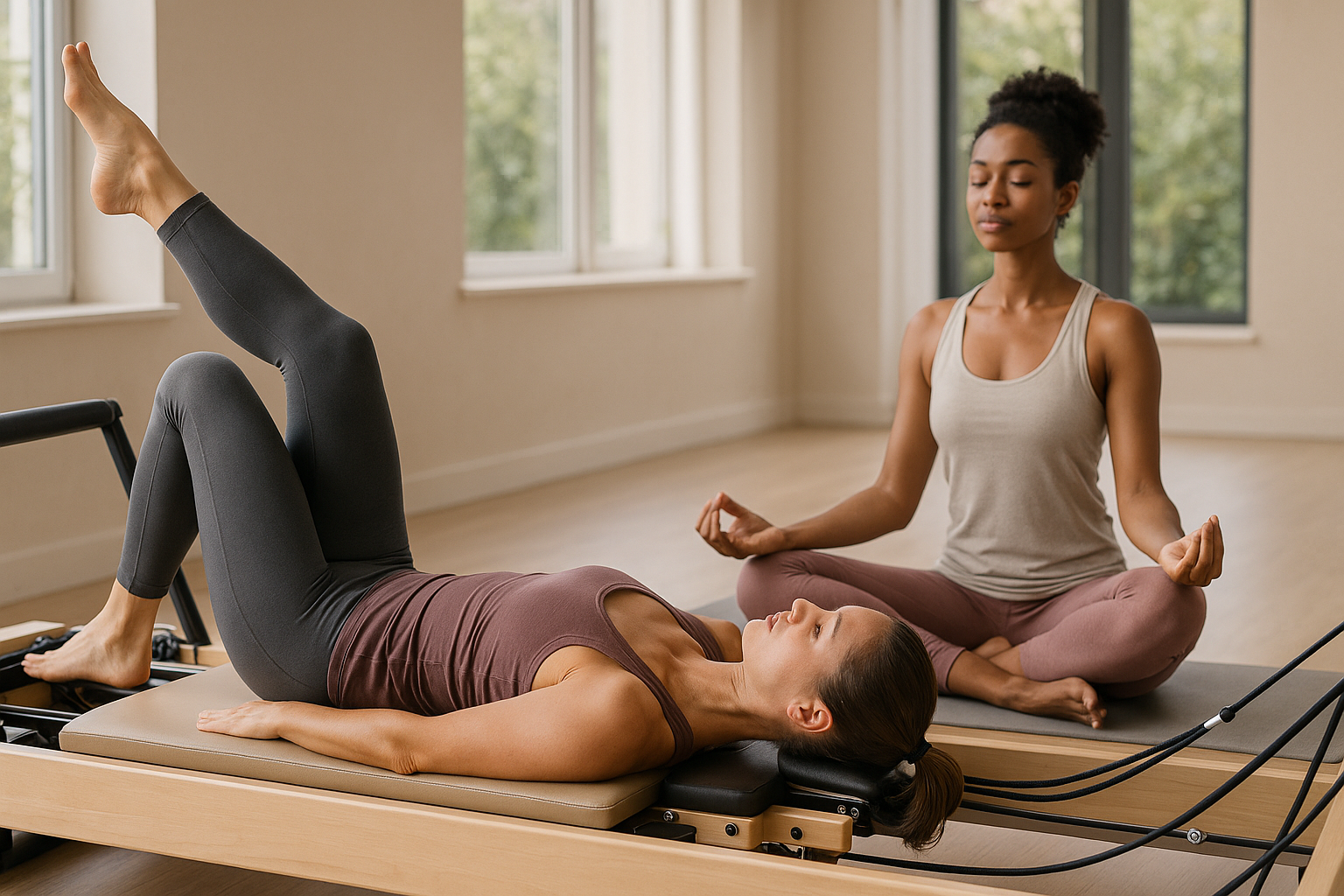
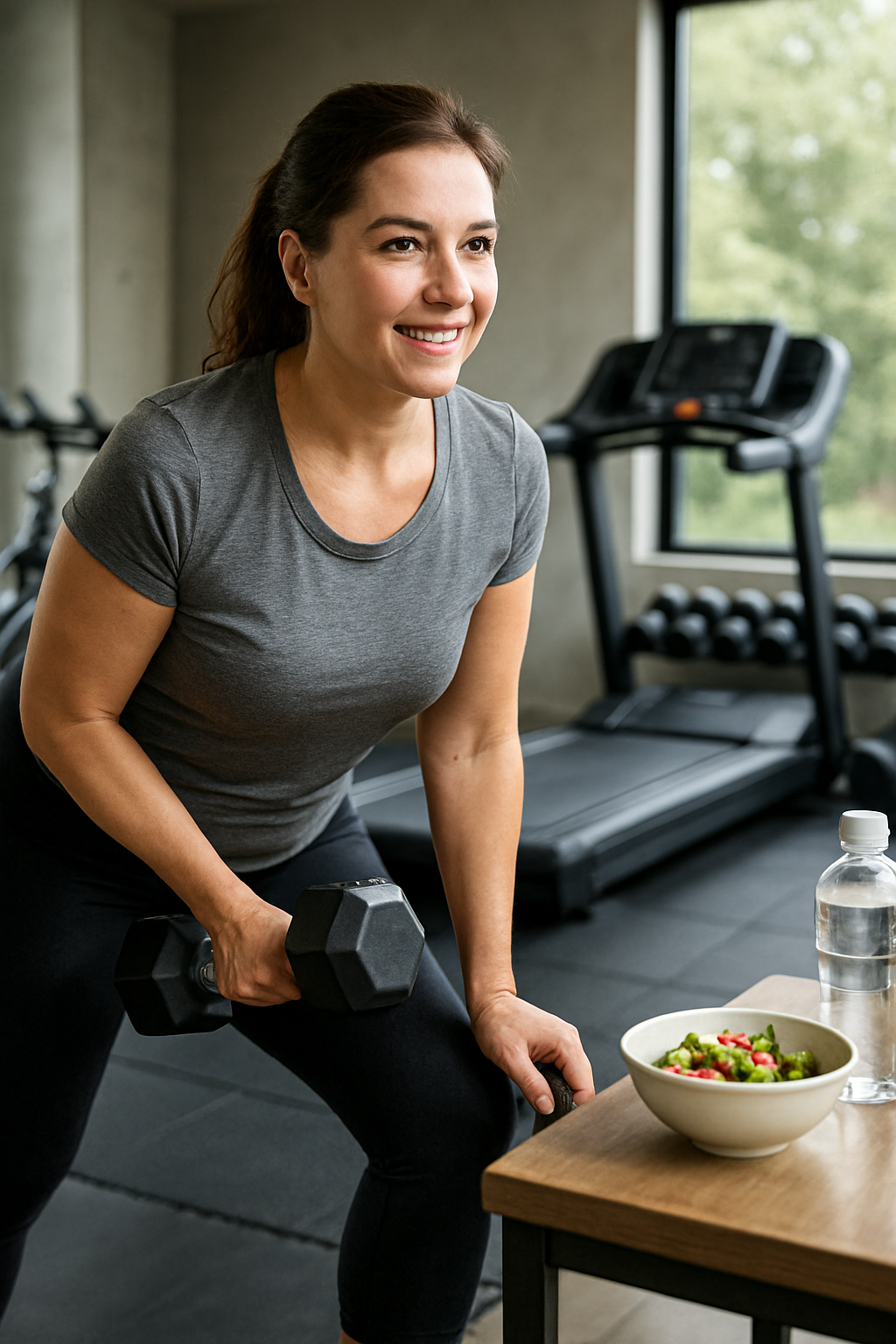
Starting a new routine can feel like walking into a gym where everyone else already knows the rules. That’s why fitness for beginners isn’t about copying advanced workouts or pushing through pain. It’s about building a simple foundation you can repeat, recover from, and actually enjoy. When you begin in a way that fits your current level, you’re far more likely to stick with it—and that’s where real change happens.
Many beginners get stuck before they even start. Fear of doing exercises “wrong,” not knowing what to do first, or feeling intimidated by high-intensity programs can make movement feel like a test you didn’t study for. The truth is that your first goal is not perfection. Your first goal is consistency: a few manageable sessions each week that improve strength, stamina, and confidence over time.
Why moving more matters from day one
The benefits of getting started go well beyond appearance. Regular movement can support your heart and joints, boost everyday energy, and improve mood—often faster than you’d expect. For many people, especially those with desk jobs, beginner training also helps counter the “sitting posture” that builds up over years: rounded shoulders, a stiff upper back, and a lower back that feels tired by the end of the day. When you strengthen your legs, core, and upper back gradually, you’re not just working out—you’re training your body to hold itself better in daily life.
The beginner mindset that makes progress easier
A sustainable start comes down to expectations. Set goals that are realistic for your schedule and your body right now, not the version of you that never misses a workout. A helpful approach is to focus on actions you can control, such as “walk three times this week” or “do two short strength sessions,” rather than only outcomes like weight or measurements.
Body positivity and self-acceptance matter here, too. You don’t need to “earn” the right to exercise, and you don’t need to change your body before you deserve to feel good in it. Think of fitness as a lifestyle skill—like brushing your teeth or cooking a basic meal—something you practice and improve over time.
In the next section, we’ll turn this mindset into a clear, beginner-friendly plan you can follow step by step, including simple strength moves, light cardio, and smart ways to stay comfortable if you sit a lot or notice posture challenges.
A simple beginner fitness plan using the FITT principle
If you’re new to training, structure matters more than intensity. The FITT principle helps you build a plan that’s clear, flexible, and safe: frequency (how often), intensity (how hard), time (how long), and type (what you do). For fitness for beginners, the goal is to start with a routine you can recover from and repeat next week.
- Frequency: Aim for 3 strength sessions per week, plus 2 lighter movement days. Keep at least one full rest day.
- Intensity: Work at a “moderate” effort. You should feel challenged, but still able to keep good form and breathe steadily. A useful cue: stop each set with 2–3 reps left in the tank.
- Time: 30–45 minutes is plenty, including warm-up and cool-down. If that feels like too much, start with 20 minutes and build up.
- Type: Prioritise full-body strength with basic movement patterns (squat, hinge, push, pull, core), plus light cardio and mobility.
Sample weekly schedule for beginners
This is a straightforward week you can repeat for 4–6 weeks before making big changes. It balances strength, cardio, and flexibility without overwhelming you.
- Monday: Full-body strength (workout A)
- Tuesday: Light cardio + mobility (20–40 min walk + 5–10 min stretching)
- Wednesday: Full-body strength (workout B)
- Thursday: Light cardio + flexibility (easy cycling or brisk walk + short yoga flow)
- Friday: Full-body strength (repeat workout A or B)
- Saturday: Optional easy movement (walk, gentle swim, relaxed hike)
- Sunday: Rest and recovery
Workout A (2–3 rounds): bodyweight squats (8–12 reps), incline or knee push-ups (6–10 reps), glute bridges (10–15 reps), plank (20–40 seconds).
Workout B (2–3 rounds): reverse lunges (6–10 reps/side), hip hinge pattern (good mornings with hands on hips, 10–12 reps), band or towel rows (8–12 reps), side plank (15–30 seconds/side).
Warm-ups and cool-downs that reduce injury risk
Skipping the warm-up is one of the fastest ways to turn a good plan into a sore neck, cranky knees, or a tight lower back. Keep it simple: 5–8 minutes is enough.
Quick warm-up: 1–2 minutes easy walking in place, then 6–8 reps each of arm circles, hip circles, bodyweight good mornings, and controlled lunges. Your goal is to raise temperature and “grease” the joints, not to stretch hard.
Cool-down: 3–5 minutes of slower breathing and gentle stretching for hips, chest, and calves. If you sit a lot, include a chest opener and hip flexor stretch to counter the rounded, compressed posture that builds up at a desk.
Ergonomics and posture: make your routine feel better
Many people start exercising while already dealing with desk-related tension: rounded shoulders, a stiff upper back, and a lower back that feels compressed. Ergonomics won’t replace strength training, but it can make your workouts more comfortable and help you keep better positions while you build strength.
- Create a clear workout space: Choose a flat, non-slip surface with enough room to step back into lunges without twisting around furniture.
- Use a supportive setup for floor work: A mat or folded towel under knees and elbows can reduce pressure and help you hold planks with better alignment.
- Check your screen height for follow-along workouts: If you’re watching a video, raise your device so you’re not craning your neck downward for 30 minutes.
- Consider ergonomic aids when needed: A posture shirt can act as gentle feedback if you tend to round forward during exercises, while a lumbar support can make seated recovery, breathing drills, or mobility work more comfortable.

Men's Posture Shirt™ - Black
Activates muscles, relieves pain, and improves posture for men in daily life or training.

Women's Posture Shirt™ - Black
Supports posture, relieves tension, and helps develop postural awareness for women.
Progression and habit formation that actually sticks
Progress doesn’t require dramatic changes. For beginners, the safest approach is to improve one variable at a time: add a few reps, another set, or a slightly harder variation only when your form stays solid.
- Week-to-week progression: If you did 2 rounds this week, try 3 rounds next week. Or keep rounds the same and add 1–2 reps per set.
- Use SMART goals: “I will do three strength sessions per week for the next four weeks” is clearer than “I’ll work out more.”
- Track the right things: Write down exercises, sets, reps, and how you felt. Also note posture wins like “less shoulder tension at my desk” or “back felt better after walking.”
- Plan for setbacks: Missing a week doesn’t erase progress. Restart with a slightly easier version and rebuild momentum.
When you keep the plan simple, support your posture with smart ergonomics, and progress gradually, fitness for beginners becomes less intimidating and far more sustainable.
Nutrition and lifestyle basics that support fitness for beginners
Training is the stimulus, but your daily habits determine how well your body adapts. For fitness for beginners, nutrition does not need to be complicated to be effective. Aim for regular meals built around whole foods: a protein source, a fibre-rich carbohydrate, colourful vegetables or fruit, and a healthy fat. This approach supports steady energy and makes it easier to stay consistent with workouts.
Protein: Include a quality protein source at most meals (for example eggs, yoghurt, beans, fish, chicken, tofu). Protein supports muscle repair and helps you feel satisfied, which can reduce random snacking that disrupts your routine.
Hydration: Mild dehydration can make workouts feel harder than they need to. Keep water nearby during the day, and drink a glass before training. If you sweat a lot, consider adding a pinch of salt to a meal or choosing electrolyte-rich foods.
Recovery and sleep: Beginners often underestimate how much progress happens between sessions. Prioritise 7–9 hours of sleep when possible, and treat rest days as part of the plan. If you feel unusually sore, reduce volume rather than quitting entirely: do a shorter walk, gentle mobility, or one lighter strength round.
Stress and time management: High stress can increase muscle tension, especially in the neck, shoulders, and lower back. A simple strategy is to schedule workouts like appointments and use “movement snacks” on busy days: 5 minutes of walking, a few bodyweight squats, or a short stretch break can keep momentum without draining you.
Using ergonomic products to make training more comfortable
Ergonomic aids can be helpful when you are building strength and learning new movement patterns, especially if you sit for long hours or tend to lose posture when you get tired. The key is to use them as support and feedback, not as a substitute for training your muscles.
Posture shirts as feedback tools: A posture shirt can provide gentle sensory feedback that reminds you to avoid collapsing through the chest and shoulders. This can be useful during warm-ups, light strength sessions, or even during the workday to reinforce better alignment. If you notice you rely on it to “hold you up,” reduce usage and focus on strengthening the upper back and core so the posture improvements become yours.
Lumbar supports for seated work and recovery: If you do seated mobility drills, breathing exercises, or spend long periods at a desk between workouts, lumbar support can help you maintain a more neutral spine and reduce the urge to slump. It can also make post-workout recovery more comfortable when your lower back feels tired, but it should not be used to push through sharp pain.
Beginner examples: ergonomic integration in real life
Case 1: Desk worker with end-of-day lower back fatigue. They follow the 3-day strength plan, add a 20–30 minute walk on two non-lifting days, and use lumbar support during long meetings. The focus is on building tolerance: consistent glute bridges, hip hinge practice, and planks, paired with a more supportive seated setup to reduce daily strain.
Case 2: Beginner with rounded shoulders and neck tension. They use a posture shirt occasionally during warm-ups and light sessions to notice when the shoulders drift forward. Training emphasises rows, controlled push-up variations, and short chest-opening mobility after workouts. Over time, the shirt becomes less necessary because strength and awareness improve.
Frequently Asked Questions
Is it safe to exercise with back pain?
It depends on the type of pain. If you have severe pain, pain that radiates down the leg, numbness, weakness, or symptoms after a fall or accident, seek medical guidance before training. For mild, non-specific back discomfort, many people can start with low-impact movement (walking, gentle mobility) and modified strength work that keeps a neutral spine. Reduce range of motion, slow down, and stop any exercise that creates sharp or worsening pain. Ergonomic support can improve comfort during seated recovery or desk work, but it should not be used to ignore warning signs.
Can I start if I’m very unfit or older?
Yes. Fitness for beginners works best when you start smaller than you think you need to. Begin with shorter sessions (10–20 minutes), choose low-impact cardio like walking or cycling, and use easier strength variations (incline push-ups, supported squats to a chair). Progress gradually by adding a few minutes, reps, or an extra set when your form feels steady.
How long until I notice better posture or less pain?
Timelines vary, but many beginners notice early changes in energy and stiffness within a few weeks of consistent training and daily movement. Visible posture changes and more durable pain reduction often take several weeks to a few months, depending on sleep, stress, workload, and how regularly you practise strength and mobility.
What exercises are best for beginners with posture concerns?
Prioritise moves that strengthen the posterior chain and core while reinforcing good alignment: planks and side planks, glute bridges, hip hinge practice, and rowing patterns (band rows or towel rows). Pair these with gentle chest and hip flexor mobility to counter long hours of sitting. Consistency and controlled form matter more than intensity at the start.
Källor
- Orangetheory. (n.d.). "Launching Your Fitness Journey: A Guide to Gym Routine for Beginners." Orangetheory.
- Anytime Fitness. (n.d.). "Beginner Workout Routine." Anytime Fitness Blog.
- Healthline. (n.d.). "How to Start Exercising: A Beginner's Guide to Working Out." Healthline.
- Teenage Cancer Trust. (n.d.). "5-Minute Fitness Workout for Beginners." Teenage Cancer Trust.
- Hartford HealthCare. (n.d.). "Starting a Fitness Program: Tips for Beginners." Hartford HealthCare.
- NHS. (n.d.). "Home Workout Videos." NHS Better Health.
- YouTube. (n.d.). "Beginner Workout Routine - Full Body." YouTube.
- Network Health. (2020). "Ultimate Guide to Beginner’s Fitness." Network Health.
- Fitness CF. (n.d.). "From Couch to Confident: A Beginner's Journey to Fitness." Fitness CF Gyms.