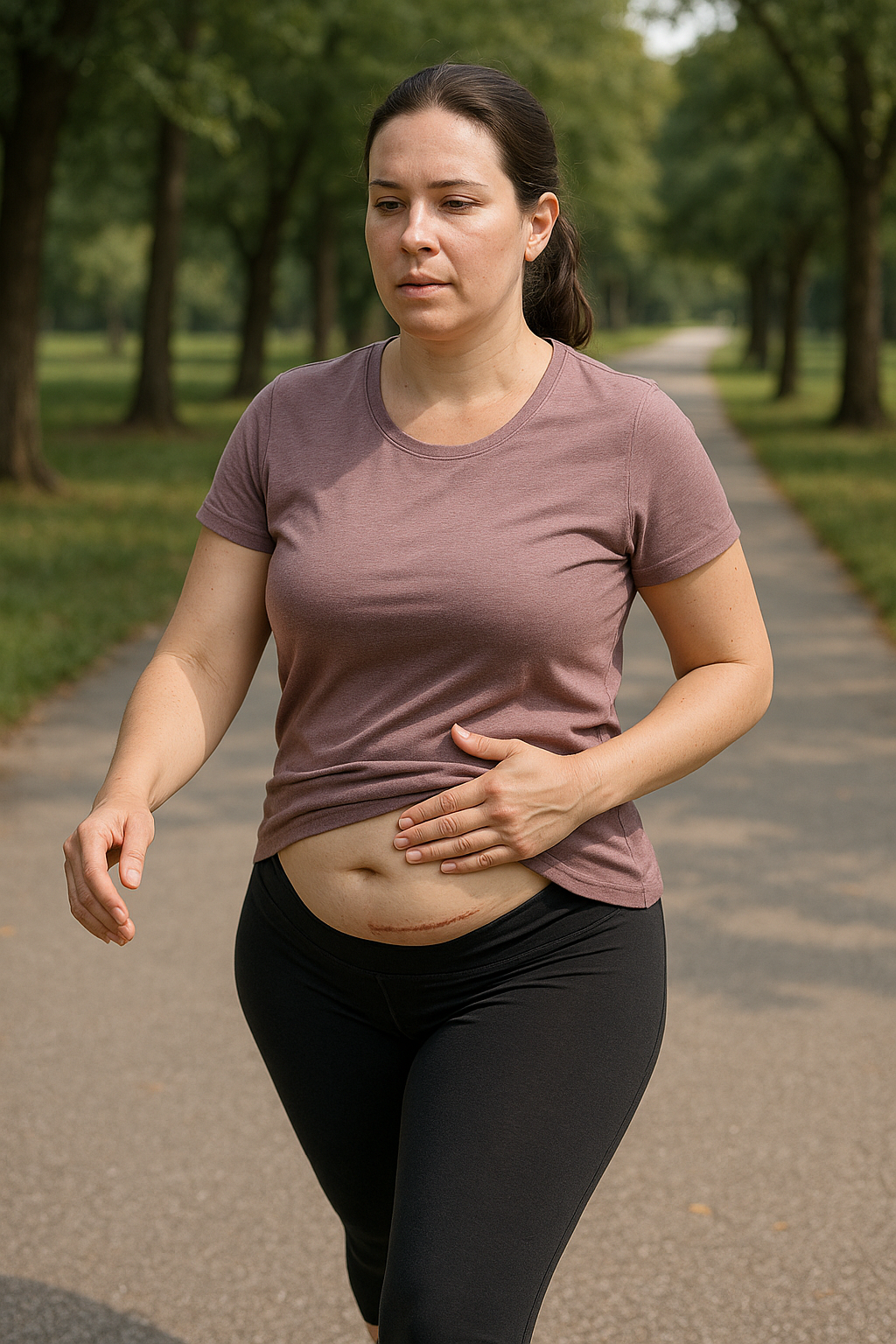
Staying active during pregnancy is not only safe for most women but also highly beneficial. Engaging in regular physical activity while expecting can lead to improved mood, increased energy levels, and better sleep quality. Despite these advantages, there are common concerns and misconceptions surrounding exercise during pregnancy. Many expecting mothers worry about the potential risks to their baby, but with the right guidance and precautions, fitness can be a safe and effective part of a healthy pregnancy journey.
Understanding the importance of fitness during pregnancy
Fitness for pregnant women is about more than just staying in shape; it involves nurturing both physical and mental well-being. Exercise can help alleviate common pregnancy discomforts such as back pain, bloating, and fatigue. Additionally, it can reduce the risk of gestational diabetes and postpartum depression. By staying active, expecting moms can also enhance their overall physical health, preparing their bodies for the demands of childbirth and recovery.

Women's Posture Shirt™ - Black
Improves posture, relieves pain and tension, and supports physical activity with documented effect.
However, it's crucial to address some of the myths surrounding pregnancy and exercise. Many believe that any form of exertion could harm the baby, but research shows that moderate exercise is generally safe and beneficial. The key is to focus on safe and effective fitness routines specifically tailored for expecting mothers, ensuring that both the mother's and baby's health are prioritized.
Key considerations for pregnant women engaging in fitness
Before embarking on any fitness regimen, pregnant women should consult with their healthcare providers. Each pregnancy is unique, and a healthcare professional can offer personalized advice based on individual health conditions and pregnancy progression. Understanding the body's changes during pregnancy is essential, as these can significantly impact physical activity.
As the pregnancy progresses, the body undergoes various transformations, including weight gain, changes in balance, and increased joint laxity. These factors necessitate adjustments in exercise routines to maintain safety and comfort. Moderation is crucial; listening to one's body and avoiding overexertion is essential. Pregnancy is not the time to strive for personal fitness records but rather to maintain a healthy level of activity that supports overall well-being.
In summary, fitness for pregnant women is a vital component of a healthy pregnancy. By understanding the benefits and considerations, expecting mothers can safely incorporate exercise into their routines, leading to a healthier and more enjoyable pregnancy experience.
Recommended exercise guidelines for pregnant women
For pregnant women, engaging in regular physical activity is not just beneficial but often recommended. According to the American College of Obstetricians and Gynecologists (ACOG), expecting mothers should aim for at least 150 minutes of moderate-intensity aerobic activity each week. This can be broken down into manageable sessions, such as 30 minutes a day, five days a week. The "talk test" is a practical method to ensure that exercise intensity remains safe; if you can carry on a conversation during your workout, you're likely at a moderate intensity level.
Safe and beneficial exercise types
When it comes to selecting exercises, pregnant women have a variety of safe and effective options that cater to different fitness levels and preferences. Aerobic exercises, such as walking, swimming, and stationary cycling, are excellent choices. Walking is accessible and easy to incorporate into daily routines, while swimming and water aerobics provide a low-impact environment that reduces stress on joints and helps alleviate swelling. Stationary cycling is another low-impact option that can be adjusted to suit different stages of pregnancy.
In addition to aerobic exercises, strength and flexibility training play a crucial role in maintaining muscle tone and supporting overall health. Prenatal yoga and Pilates are popular for their focus on flexibility, balance, and relaxation. These practices can help strengthen the core and pelvic floor muscles, which are vital during labor and delivery. Light to moderate strength training is also beneficial, with adjustments to accommodate pregnancy-related changes. It's important to focus on proper form and use lighter weights with higher repetitions to prevent strain.
Exercises to avoid during pregnancy
While many exercises are safe, there are certain activities that pregnant women should avoid to ensure their safety and that of their baby. Activities with a high risk of falling or contact, such as horseback riding, skiing, and basketball, should be avoided. Additionally, exercises in overly hot environments, like hot yoga, can pose risks due to increased body temperature. After the first trimester, it's advisable to avoid prolonged supine positions, as lying flat on the back can compress the vena cava and reduce blood flow to the baby.
Benefits of staying active during pregnancy
The benefits of maintaining an active lifestyle during pregnancy extend beyond physical health. Regular exercise can significantly reduce common pregnancy discomforts such as back pain, leg cramps, and bloating. It also lowers the risk of gestational diabetes and postpartum depression, promoting a healthier pregnancy and recovery process. Moreover, staying active enhances overall physical and mental well-being, equipping expecting mothers with the strength and resilience needed for childbirth and postpartum recovery.

Lumbar support belt
Adjustable support belt that relieves and supports the lower back, ideal for back pain and tension.
In conclusion, fitness for pregnant women is a vital component of a healthy pregnancy. By adhering to recommended exercise guidelines and selecting safe activities, expecting mothers can enjoy the myriad benefits of staying active while ensuring the safety and well-being of themselves and their babies.
Adjusting fitness routines by trimester
As pregnancy progresses, it is essential to adjust fitness routines to accommodate the body's changing needs. During the first trimester, many women can maintain their pre-pregnancy fitness levels with slight modifications. It's crucial to prioritize hydration and take regular breaks to prevent fatigue. In the second trimester, as the belly grows and balance shifts, exercises should be adapted to ensure safety and comfort. This is an excellent time to introduce exercises that strengthen the back and core, which can help support the additional weight and alleviate back pain.
In the third trimester, the focus should shift to comfort and safety. Low-impact exercises such as swimming and prenatal yoga are ideal, as they provide gentle movement without putting too much strain on the body. Breathing techniques and pelvic floor exercises become increasingly important as they prepare the body for labor and delivery.
Recognizing warning signs to stop exercising
While exercise is beneficial, it's vital to be aware of warning signs that indicate when to stop and consult a healthcare provider. Symptoms such as vaginal bleeding, dizziness, chest pain, and severe shortness of breath should be taken seriously. If these or any other concerning symptoms occur, it's important to cease exercising immediately and seek medical advice to ensure the safety of both the mother and the baby.
Frequently Asked Questions
How much exercise is safe during pregnancy?
It is generally recommended for pregnant women to engage in at least 150 minutes of moderate-intensity aerobic activity per week. This can be broken down into shorter sessions, such as 30 minutes a day, five days a week, to make it more manageable.
Can I continue running during pregnancy?
If you were a regular runner before pregnancy, you can often continue running with some modifications. It's important to listen to your body, adjust your pace, and avoid overexertion. Always consult with your healthcare provider before continuing with your running routine.
What are the best exercises for back pain relief?
Gentle stretching, prenatal yoga, and swimming are excellent exercises for alleviating back pain during pregnancy. These activities help improve flexibility and strengthen the muscles supporting the spine, providing relief from discomfort.
Is strength training safe during pregnancy?
Yes, strength training is safe during pregnancy when done correctly. Focus on lighter weights with higher repetitions and ensure proper form to avoid strain. It's also beneficial to target muscle groups that support posture and daily activities.
When should I consult a healthcare provider about my fitness routine?
It's advisable to consult a healthcare provider before starting any new exercise program during pregnancy. If you experience any warning signs such as dizziness, chest pain, or unusual shortness of breath during exercise, seek medical advice immediately.
Källor
- American College of Obstetricians and Gynecologists. (2020). "Physical Activity and Exercise During Pregnancy and the Postpartum Period."
- American College of Obstetricians and Gynecologists. "Exercise During Pregnancy."
- Cleveland Clinic. "Pregnancy-Safe Workouts."
- National Center for Biotechnology Information. "Exercise During Pregnancy."
- National Center for Biotechnology Information. "Pregnancy and Physical Activity."
- WebMD. "Exercise During Pregnancy."
- Mayo Clinic Health System. "Exercise During Pregnancy."
- Better Health Channel. "Pregnancy and Exercise."
- Centers for Disease Control and Prevention. "Physical Activity Guidelines for Pregnant and Postpartum Women."
- Johns Hopkins Medicine. "Exercise During Pregnancy."
- PubMed Central. "Effects of Exercise on Pregnancy Outcomes."
- PubMed Central. "Exercise and Pregnancy: A Review of the Literature."
- NHS. "Exercising in Pregnancy."
- NHS. "Exercise in Pregnancy."
- PubMed Central. "Physical Activity and Pregnancy: Evidence and Recommendations."