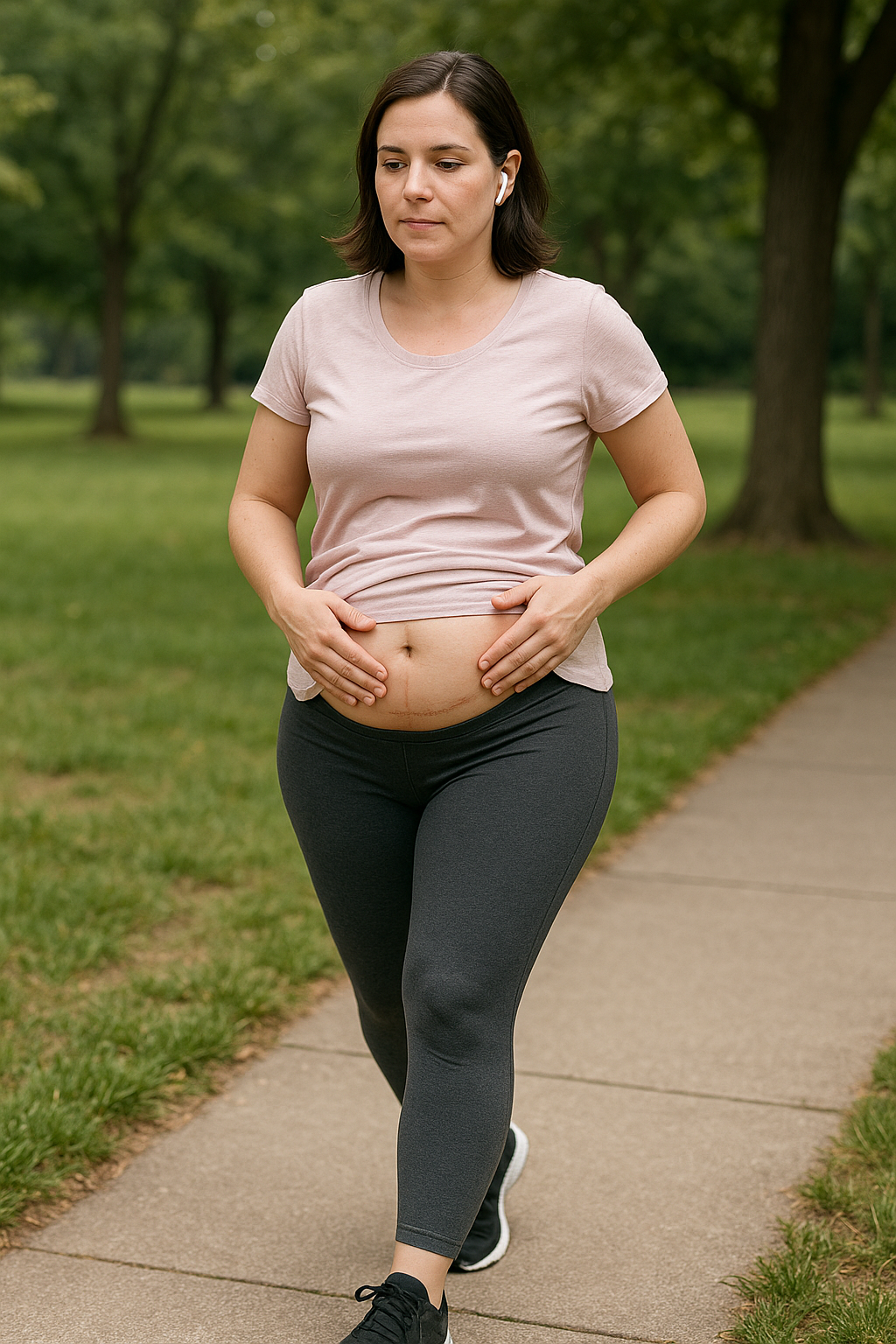
Staying active during pregnancy is not only safe for most expecting moms but also highly beneficial. Engaging in regular physical activity can lead to improved mood, better sleep, and a reduction in common pregnancy discomforts such as back pain and fatigue. Many women worry about the safety of exercising while pregnant, but with the right adjustments and guidance, maintaining an active lifestyle can support both maternal and fetal health.
Benefits of staying active during pregnancy
One of the most significant advantages of staying active during pregnancy is the positive effect on mental health. Exercise releases endorphins, which can help alleviate stress and anxiety, common feelings during this transformative period. Additionally, regular physical activity can enhance cardiovascular health, increase stamina, and prepare the body for the physical demands of labor and delivery.
Physical activity also plays a crucial role in managing weight gain during pregnancy. While weight gain is a natural and necessary part of pregnancy, maintaining a healthy weight can reduce the risk of gestational diabetes and hypertension. Furthermore, active women often experience less swelling and fewer varicose veins, contributing to overall comfort and well-being.
Safe exercise practices for pregnant women
The general recommendation for pregnant women is to engage in at least 150 minutes of moderate-intensity aerobic activity per week. This can be broken down into 30-minute sessions, five days a week. Activities such as walking, swimming, and stationary cycling are excellent choices as they are low-impact and can be easily adjusted to suit individual fitness levels and pregnancy stages.
Before starting or continuing an exercise routine during pregnancy, it is essential to consult with a healthcare provider. This ensures that any exercise plan considers personal health conditions and pregnancy progress. A healthcare provider can offer personalized advice and help identify any potential risks or necessary modifications.
Understanding moderate-intensity aerobic activity
Moderate-intensity aerobic activity means that you are moving enough to raise your heart rate and break a sweat, yet you can still carry on a conversation. This level of exercise is generally safe and beneficial for both mother and baby, promoting healthy circulation and supporting fetal development.
Incorporating exercise into your routine during pregnancy is a powerful way to improve your physical and emotional health. By staying informed and making appropriate adjustments, expecting moms can enjoy the numerous benefits of a fit and active pregnancy.
Recommended exercises for pregnant women
Engaging in the right types of exercise during pregnancy is crucial for maintaining health and wellness. Activities such as walking, swimming, and stationary cycling are highly recommended due to their low-impact nature, making them gentle on the body while still effective. Walking is an excellent cardiovascular exercise that can be done almost anywhere, while swimming offers the added benefit of buoyancy, reducing strain on the joints and providing a full-body workout.
Low-impact aerobics and strength training are also beneficial, as they help maintain muscle tone and strength. Exercises like wall push-ups, supported squats, and bird-dog exercises are ideal for building strength without excessive strain. Incorporating yoga and Pilates can enhance flexibility and core stability, with modifications to ensure safety and comfort. Additionally, pelvic-floor exercises are essential, as they strengthen the muscles that support the bladder, bowel, and uterus, helping to prevent incontinence and support the body during labor.

Lumbar support belt
Provides adjustable support and relief for lower back pain during daily activities or rest.
Safety precautions and modifications
Safety is paramount when exercising during pregnancy. Staying hydrated is crucial; pregnant women should drink water before, during, and after workouts to prevent dehydration. It's important to start slowly and gradually increase the intensity and duration of exercise sessions, listening to the body's signals to avoid overexertion.
As pregnancy progresses, modifications may be necessary to accommodate the body's changing balance and comfort needs. In the first trimester, maintaining familiar activities is generally safe, but it's essential to manage fatigue and avoid overheating. During the second trimester, as the abdomen grows, exercises that require balance may need to be adjusted, opting for stable positions and movements. The third trimester may require reducing the impact and intensity of workouts, focusing on maintaining mobility and comfort.
| Trimester | Adaptations |
|---|---|
| First Trimester | Continue familiar activity, manage fatigue, and avoid overheating. |
| Second Trimester | Adjust balance-demanding exercises, favor stable positions. |
| Third Trimester | Reduce impact and intensity, prioritize mobility and comfort. |
Exercises and activities to avoid
While staying active is beneficial, certain activities pose risks and should be avoided during pregnancy. Exercises with a high risk of abdominal impact or falling, such as contact sports, horseback riding, and skiing, should be avoided to prevent injury. Exercising in excessive heat and engaging in activities like scuba diving are also discouraged due to the potential for overheating and decreased oxygen supply.
It's crucial to recognize exercises that cause pain, instability, or excessive fatigue and discontinue them immediately. Listening to one's body and consulting with a healthcare provider can help ensure that exercise remains a safe and enjoyable part of pregnancy.
By focusing on recommended exercises and adhering to safety precautions, pregnant women can enjoy a healthy and active pregnancy. Tailoring workouts to individual needs and the body's changing requirements ensures both the mother's and baby's well-being.
Recognizing warning signs and when to stop exercising
While exercise is beneficial during pregnancy, it's crucial to be aware of warning signs that necessitate stopping physical activity and consulting a healthcare provider. Key indicators include vaginal bleeding, abdominal pain, regular painful contractions, and leaking amniotic fluid. If any of these symptoms occur, it is important to cease exercising immediately and seek medical advice.
Safety Note: If you experience vaginal bleeding, abdominal pain, painful contractions, or leaking amniotic fluid during exercise, stop immediately and contact your healthcare provider.
Ergonomics and body mechanics during pregnancy
Maintaining proper ergonomics and body mechanics during exercise is essential for comfort and safety. Pregnant women should focus on maintaining a neutral posture, which involves aligning the ears, shoulders, and hips in a straight line. This alignment helps reduce strain on the back and joints.
When performing floor exercises, use a supportive mat to cushion the knees and wrists. Transitioning from floor to standing positions should be done slowly and carefully to avoid dizziness or imbalance. Selecting stable footwear and exercise surfaces can further enhance safety and comfort.

Women's Posture Shirt™ - Black
Supports posture, relieves back and neck pain, and activates muscles for daily activities.
Frequently Asked Questions
Can I exercise if I was inactive before pregnancy?
Yes, it is generally safe to begin exercising during pregnancy, even if you were previously inactive. Start with short sessions of low-impact activities, gradually increasing duration and intensity. Always consult with a healthcare provider before starting a new exercise routine.
What are the best workouts for back pain during pregnancy?
Exercises that strengthen the core and improve posture can alleviate back pain. Pelvic tilts, supported squats, and gentle stretching are effective for managing discomfort. Always prioritize comfort and consult a healthcare provider if pain persists.
Is it safe to do yoga during pregnancy?
Yes, yoga is safe during pregnancy with appropriate modifications. Avoid poses that involve lying flat on the back or require excessive stretching. Prenatal yoga classes, led by qualified instructors, are recommended to ensure safety and comfort.
How can I maintain motivation to exercise while pregnant?
Setting realistic goals, tracking progress, and joining pregnancy fitness classes can help maintain motivation. Surrounding yourself with supportive individuals and focusing on the benefits for both you and your baby can also encourage consistency.
What should I wear for exercise during pregnancy?
Choose comfortable, breathable clothing that provides adequate support. A well-fitting sports bra and maternity activewear designed to accommodate your growing belly are recommended. Proper footwear is also essential to support balance and reduce the risk of injury.
Källor
- American College of Obstetricians and Gynecologists. (n.d.). "Exercise During Pregnancy."
- World Health Organization. (2020). "Guidelines on Physical Activity and Sedentary Behaviour."
- American College of Obstetricians and Gynecologists. (2020). "Physical Activity and Exercise During Pregnancy and the Postpartum Period."
- NHS. (n.d.). "Exercise in Pregnancy."
- NHS. (n.d.). "Exercising in Pregnancy."
- World Health Organization. (n.d.). "Physical Activity."
- Whittington Health NHS Trust. (n.d.). "Exercise in Pregnancy."
- Mottola, M. F., & Artal, R. (2016). "Fetal and Maternal Metabolic Responses to Exercise During Pregnancy." Clinical Obstetrics and Gynecology.
- NHS Wales. (n.d.). "Exercise During Pregnancy."