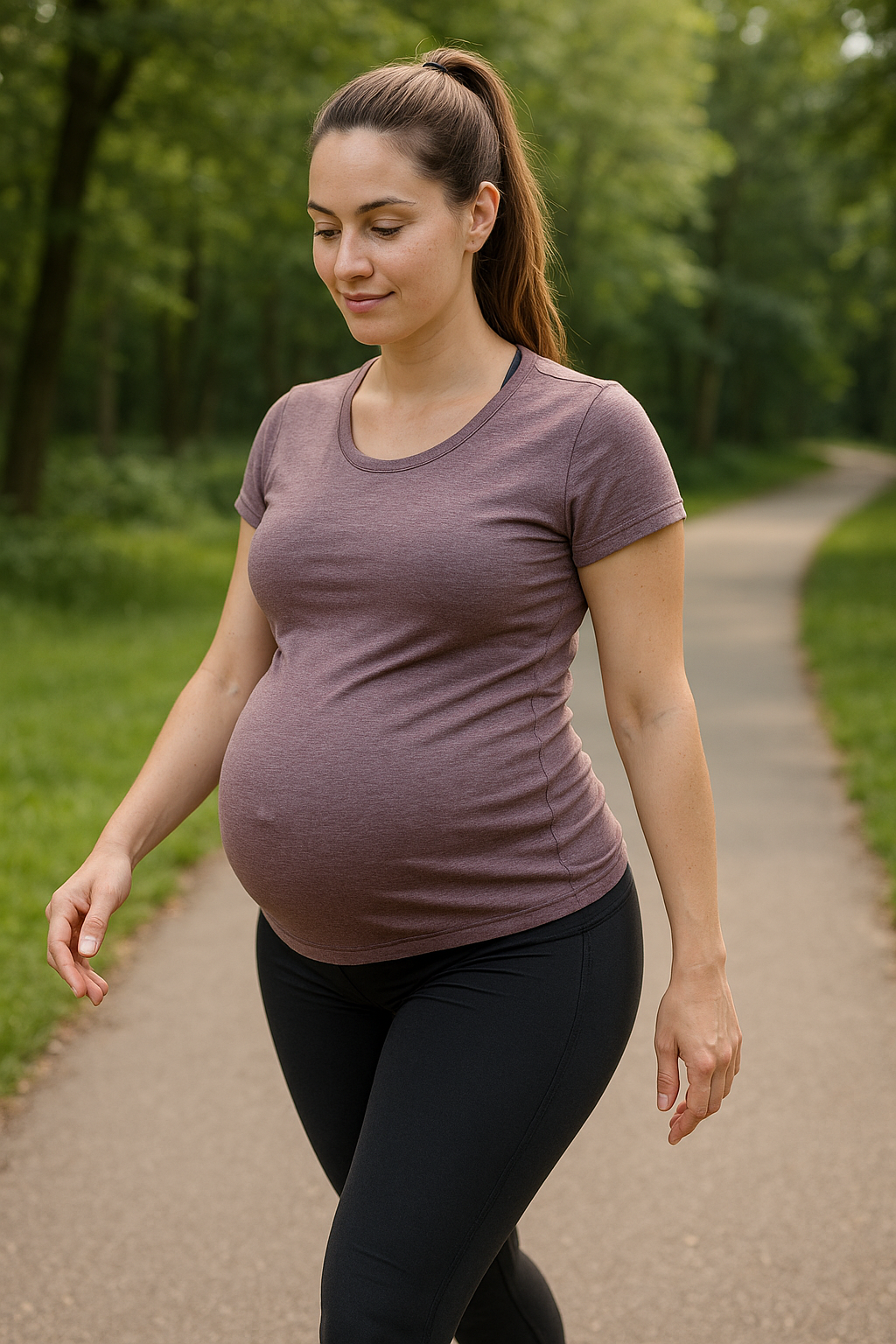
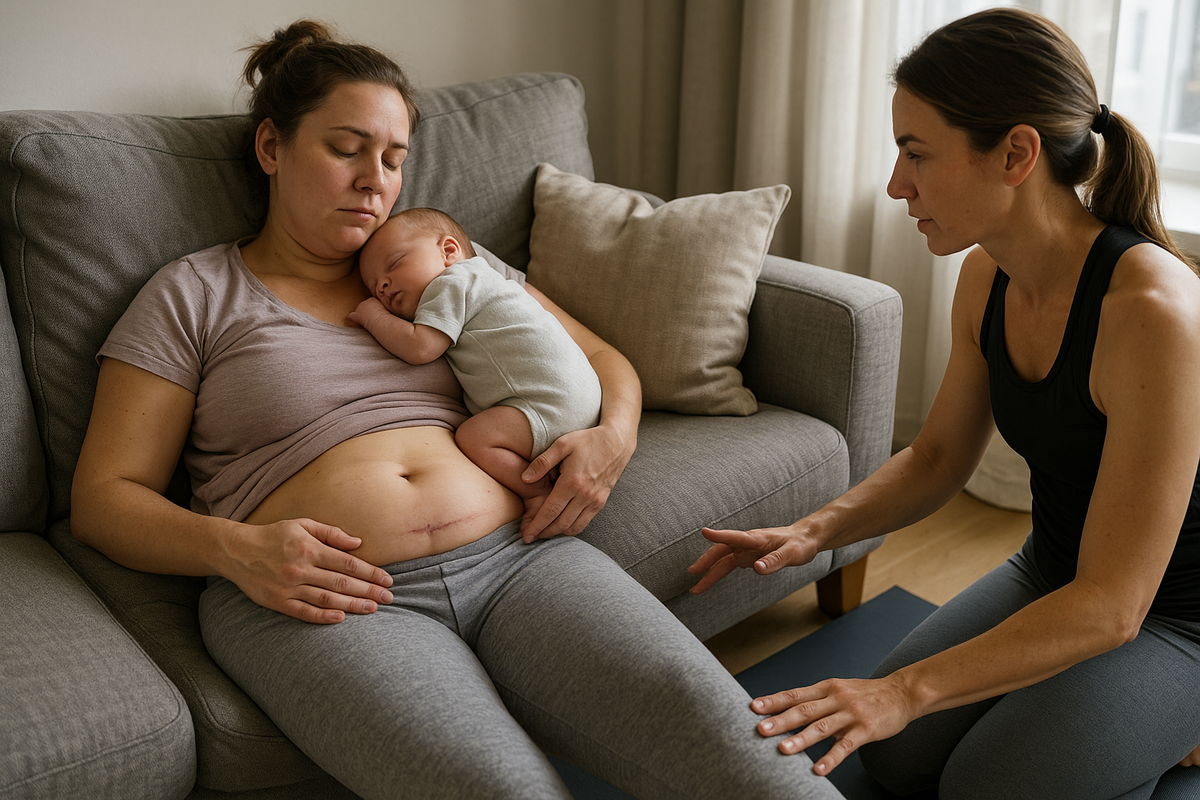
Embarking on the journey of pregnancy brings a multitude of changes, both exciting and challenging. Among the many considerations expectant mothers face is maintaining fitness during this transformative period. Staying active while pregnant is not just about keeping fit; it's a crucial element for enhancing both maternal and fetal well-being. Engaging in regular exercise during pregnancy can lead to numerous health benefits, including improved cardiovascular fitness, better weight management, and even a smoother delivery and recovery process.
the importance of exercise during pregnancy
Exercise during pregnancy is often surrounded by questions and concerns, especially about safety. However, when done correctly, physical activity can significantly benefit pregnant women. Regular exercise helps in alleviating common pregnancy discomforts such as backaches, bloating, and swelling. It also contributes to better sleep and boosts mood, reducing the risk of postpartum depression. Furthermore, staying active can enhance endurance, which is beneficial during labor.
navigating safety concerns
One of the primary considerations for pregnant women is ensuring that their fitness routines are safe. Consulting a healthcare provider before starting or modifying an exercise plan is essential to tailor activities to individual needs and health conditions. This consultation helps in understanding trimester-specific changes and how they might affect exercise choices. It's crucial to recognize that what might be suitable for one person may not be ideal for another, highlighting the importance of personalized fitness plans.
recommended exercise types and duration
Experts generally recommend that pregnant women aim for 150 minutes of moderate-intensity aerobic activity each week. This can be broken down into manageable sessions, allowing for flexibility in daily schedules. Suitable exercises often include walking, swimming, stationary cycling, prenatal yoga, and Pilates. These activities are not only safe but also effective in maintaining fitness without imposing undue stress on the body.
In summary, fitness for pregnant women is a balanced approach that combines safe exercise practices with the understanding of individual health needs. By staying informed and consulting with healthcare professionals, expectant mothers can enjoy the benefits of an active lifestyle while ensuring their own safety and that of their developing baby. As we delve deeper into this topic, we'll explore specific exercises, safety precautions, and how to adapt routines throughout the different stages of pregnancy.

Women's Posture Shirt™ - Black
Designed to activate muscles and support better posture; helps relieve tension and pain.
recommended exercise duration and intensity
For pregnant women, adhering to a structured exercise routine is essential for maintaining health and well-being throughout pregnancy. The American College of Obstetricians and Gynecologists (ACOG) and other health organizations advocate for at least 150 minutes of moderate-intensity aerobic activity per week. This recommendation can be achieved through a variety of activities, allowing flexibility in how the time is divided. For instance, breaking it down into 30-minute sessions across five days or even shorter 10-minute intervals can make this goal more attainable, especially for those who are new to regular exercise.
It's important to start slowly and gradually increase the intensity and duration of workouts, particularly for those who were not physically active before pregnancy. This approach helps in building stamina and reduces the risk of injury or fatigue.
suitable exercises for pregnant women
Choosing the right exercises during pregnancy is crucial for ensuring both safety and effectiveness. Walking is a highly recommended activity due to its accessibility and low impact on joints. Swimming and water-based exercises are also excellent choices, as the buoyancy of water reduces stress on the body while providing a full-body workout.
Stationary cycling offers a safe alternative to outdoor cycling, minimizing the risk of falls. Prenatal yoga and Pilates are beneficial for enhancing flexibility, balance, and core strength. These exercises also promote relaxation and can help alleviate stress. Light resistance training, focusing on major muscle groups, is encouraged to maintain muscle tone and support overall strength.
Continuing familiar activities is generally advisable, provided they are not too strenuous or pose a risk of injury. However, starting new, demanding activities during pregnancy is not recommended without professional guidance.
safety precautions and ergonomic advice
Maintaining safety during exercise is paramount for pregnant women. Key principles include staying hydrated, avoiding overheating, and ensuring proper posture. It's vital to listen to your body and use the "talk test" to gauge workout intensity—being able to hold a conversation indicates a moderate level of exertion.
Ergonomic considerations extend beyond exercise. Everyday movements such as lifting should be performed with caution. Bend at the knees, not the waist, and keep the load close to your body to avoid strain. When sitting, use supportive chairs that promote good posture, and take frequent breaks to move around and stretch.

Lumbar support belt
Supports and stabilizes the lower back; ideal for pain relief during daily activities.
trimester-specific exercise modifications
As pregnancy progresses, exercise routines may need to be adjusted to accommodate physical changes and ensure comfort. During the first trimester, most women can continue with their usual activities, provided they feel comfortable. However, as the pregnancy advances, modifications may be necessary.
In the second trimester, the growing belly can affect balance, so exercises that require stability should be approached with caution. It may be beneficial to incorporate exercises that strengthen the pelvic floor, core, and back muscles to support the body's changing needs.
By the third trimester, energy levels may fluctuate, and the focus should shift to gentle, low-impact activities. Walking, swimming, and prenatal yoga remain excellent choices. It's essential to listen to your body and rest when needed, adapting exercises to suit your comfort and energy levels.
In conclusion, fitness for pregnant women involves a careful balance of recommended exercise types, durations, and safety measures tailored to individual needs and pregnancy stages. By following these guidelines, expectant mothers can enjoy the numerous benefits of an active lifestyle while prioritizing their health and safety.
Exercises and activities to avoid during pregnancy
While staying active during pregnancy is highly beneficial, certain exercises and activities should be avoided to ensure safety. Activities with a high risk of falling, such as horse riding, downhill skiing, and gymnastics, are not recommended. Contact sports like football, hockey, and martial arts pose a risk of abdominal trauma and should also be avoided. Furthermore, scuba diving and skydiving are discouraged due to potential risks of decompression sickness and falls.
It is also important to avoid exercises that involve lying flat on your back after 16 weeks of pregnancy, as this position can affect blood flow and cause dizziness or fainting. Activities like hot yoga, which can lead to overheating, should be approached with caution or avoided altogether.
Recognizing warning signs during exercise
Listening to your body is crucial when exercising during pregnancy. If you experience any warning signs, it's important to stop exercising immediately and consult a healthcare professional. These warning signs include vaginal bleeding, dizziness, severe shortness of breath, chest pain, headache, muscle weakness, calf pain or swelling, and decreased fetal movement. Being aware of these symptoms can help you exercise safely and seek medical advice if needed.
Sample weekly fitness plan for pregnant women
Creating a balanced fitness plan can help maintain health and well-being throughout pregnancy. Here is a sample weekly plan that includes a mix of aerobic, strength, and flexibility exercises:
- Monday: 30 minutes of moderate walking or stationary cycling.
- Tuesday: Light resistance training focusing on the upper body and core.
- Wednesday: 30 minutes of swimming or water aerobics.
- Thursday: Prenatal yoga session to enhance flexibility and relaxation.
- Friday: Light resistance training focusing on the lower body and pelvic floor exercises.
- Saturday: Rest day or gentle stretching.
- Sunday: 30 minutes of moderate walking or a leisurely nature walk.
This plan is a guideline and should be adjusted based on individual fitness levels and medical advice. Always ensure to include warm-ups, cool-downs, and hydration throughout your workouts.
Frequently Asked Questions
How much exercise should a pregnant woman do?
Pregnant women are generally recommended to engage in 150 minutes of moderate-intensity aerobic activity per week, which can be divided into shorter sessions to fit individual needs.
Is walking safe during pregnancy?
Yes, walking is a safe and highly recommended form of exercise during pregnancy. It is low-impact and can be easily adjusted to your fitness level.
Can you lift weights while pregnant?
Light resistance training is generally safe during pregnancy, but it's important to avoid heavy lifting and to focus on proper form. Consult with a healthcare provider to tailor a safe strength-training routine.
Which exercises should be avoided during pregnancy?
Exercises with a high risk of falling, contact sports, and activities that involve lying flat on your back after 16 weeks should be avoided. Hot yoga and scuba diving are also discouraged.
Is it safe to run while pregnant?
If you were a runner before pregnancy and have no complications, you may continue running with your healthcare provider's approval. Listen to your body and adjust intensity as needed.
Can you exercise during the first trimester?
Yes, most women can continue their usual activities during the first trimester, but it's important to consult with a healthcare provider to ensure safety and make any necessary adjustments.
When should you stop exercising during pregnancy?
Stop exercising and seek medical advice if you experience warning signs such as vaginal bleeding, dizziness, chest pain, or severe shortness of breath.
Is lying on your back while exercising safe during pregnancy?
After 16 weeks, lying flat on your back during exercise is not recommended due to potential effects on blood flow. Opt for side-lying or seated positions instead.
What is the talk test in pregnancy exercise?
The talk test is a simple way to measure exercise intensity. If you can maintain a conversation while exercising, you are likely at a safe, moderate intensity level.
Can exercise help with pregnancy back pain?
Yes, regular exercise can strengthen muscles, improve posture, and help alleviate back pain during pregnancy. Focus on low-impact activities and consult with a healthcare provider for specific exercises.
Källor
- American College of Obstetricians and Gynecologists. (2020). "Physical Activity and Exercise During Pregnancy and the Postpartum Period." ACOG.
- American College of Obstetricians and Gynecologists. "Exercise During Pregnancy." ACOG.
- Mayo Clinic Health System. "Exercise During Pregnancy." Mayo Clinic Health System.
- Cleveland Clinic. "Pregnancy-Safe Workouts." Cleveland Clinic.
- WebMD. "Exercise During Pregnancy." WebMD.
- National Health Service. "Exercise in Pregnancy." NHS.
- Author Unknown. "Article Title." PMC.
- Author Unknown. "Article Title." PMC.
- Better Health Channel. "Pregnancy and Exercise." Better Health Channel.
- Mayo Clinic. "Pregnancy Exercises: Keeping Fit and Healthy." Mayo Clinic.
- National Health Service. "Exercising in Pregnancy." NHS.
- Author Unknown. "Article Title." PMC.
- Author Unknown. "Article Title." PMC.
- Centers for Disease Control and Prevention. "Physical Activity Basics: Healthy Pregnant or Postpartum Women." CDC.
- Johns Hopkins Medicine. "Exercise During Pregnancy." Johns Hopkins Medicine.